
Siesta Key: A Quick-Start Guide to Florida's Quartz-Sand Gulf Coast

Key Facts
Where Fine Quartz Sand Meets a Working Beach Town
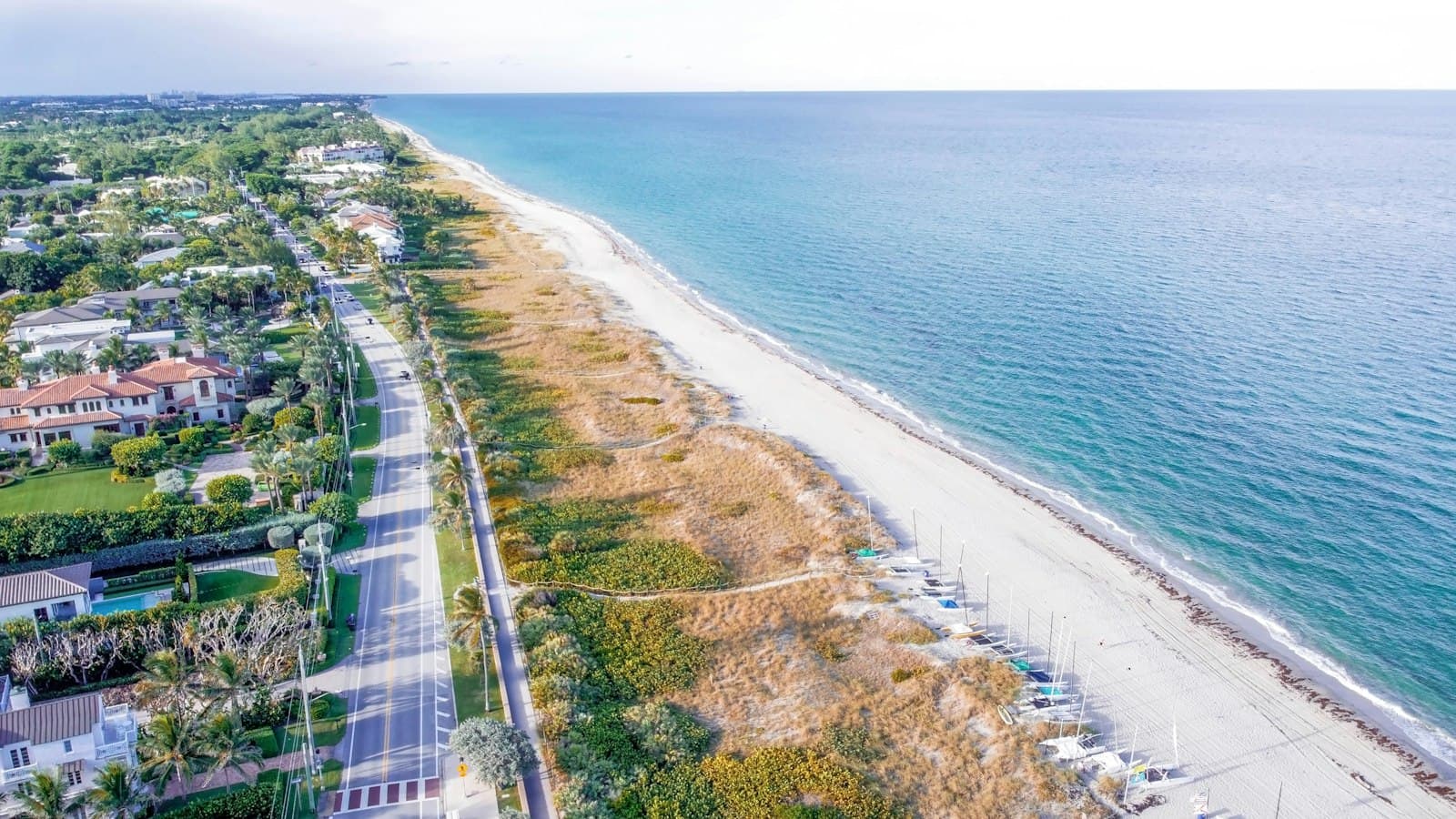
Siesta Key Beach has a claim that matters to barefoot travelers: the sand is 99 percent pure quartz, which means it stays cool underfoot even in peak Florida heat and squeaks slightly when you walk on it. The beach is not a resort sprawl or a carnival strip. It is a two-mile curve of working waterfront where families set up for the day, surfers paddle out in the morning swells, and local restaurants serve stone crab and grouper rather than franchise fare. Spring is when the beach comes alive without the summer crush—the water is swimmable by mid-March, the heat has not yet become oppressive, and red tide, the seasonal algal bloom that can irritate the eyes and throat, is less likely than in summer or early fall.
Getting There and Making Your First Day Work
If you fly into Sarasota-Bradenton International (SRQ), the drive to Siesta Key Beach is about 30 minutes south through downtown Sarasota. If you land in Tampa (TPA), the drive is roughly 90 minutes. Either way, plan to rent a car; Siesta Key is not walkable from a hotel to the beach without a vehicle, and you will want the flexibility to explore nearby keys and restaurants. The Siesta Key Beach parking area sits at the foot of Beach Road, where a large public lot fills up by 10:00 a.m. on busy spring weekends. Arrive before 9:30 a.m. if you want a spot close to the water, or use the paid lots on Avenida Messina a few blocks inland, which charge around $5-8 per day. The beach itself is free to enter.
If you are traveling with small children or a stroller, the main beach access has a hard-packed sand path and wheelchair-accessible facilities (restrooms, showers, changing areas). The water is shallow for the first 50 feet, which suits young swimmers and makes it easy to wade while keeping an eye on your group. The beach has staffed lifeguard towers with basic first-aid capability year-round, generally from about 10:00 a.m. to 4:45 p.m. daily.
The 99 percent quartz composition of Siesta Key's sand does more than feel soft—it reflects rather than absorbs solar heat, staying noticeably cooler than the darker, shell-heavy sands found on other Florida beaches. This is why locals and repeat visitors often prefer it for full-day beach sessions without worrying about burned feet.
Finding Your Beach Ritual and Watching the Sun Drop
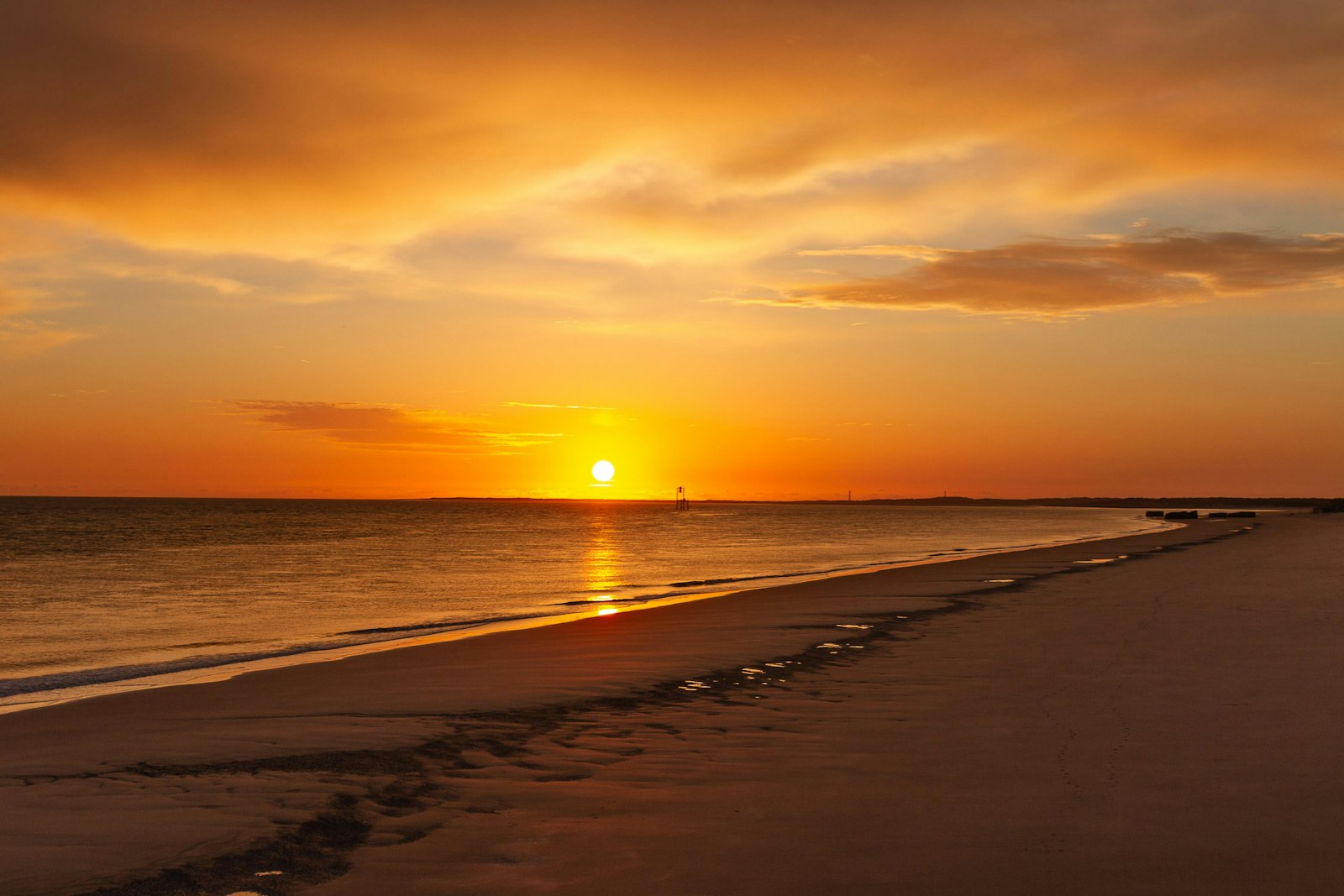
Siesta Key's sunsets are the reason people linger past dinner hour. The sun hits the water over the Gulf, and the beach faces west, so you get the full show without obstruction. Most sunsets occur between 6:30 p.m. and 8:00 p.m. in spring, depending on the exact date. The ritual here is simple: some people stake a spot in the afternoon and stay through sunset with a book and a cooler. Others arrive around 5:00 p.m., walk the beach, grab takeout from one of the casual spots, and settle in to watch. On Friday and Saturday nights in spring, the beach does not empty after sunset—families stay for a casual dinner on the sand or nearby patio.
The beach has a couple of on-site casual eateries: the Siesta Key Beach restaurants like the Siesta Fiesta and nearby spots serve fish tacos, grouper sandwiches, and cold drinks in a casual beachfront setting. Expect to spend around $12-20 per person for lunch or early dinner. Alternatively, walk or drive to nearby Beach Road, where restaurants like Daiquiri Deck Raw Bar (open for lunch and dinner) offer a view of the water and fresh seafood. The no-frills approach means you are not locked into a dinner reservation—many visitors simply show up and grab a table or order at a counter.
Practical Logistics: What to Know Before You Go
Spring weather in Siesta Key typically runs between 70–82°F (21–28°C) in March and April, with occasional cooler days in early March. The water temperature ranges from 68–73°F (20–23°C), which is swimmable but warmer wetsuits or rash guards help if you are sensitive to cold. Rain is intermittent in spring—plan for brief afternoon showers but not the daily downpours of summer. Pack sunscreen; the reflection off the quartz sand intensifies UV exposure.
Red tide—a harmful algal bloom of Karenia brevis—is least likely in spring, but it does occur. If you see warnings about red tide posted on beach signs or hear them on local news, the water may cause eye and throat irritation, particularly for people with asthma or respiratory sensitivity. Beaches often post status flags or signs if red tide is active. Check the Sarasota County marine forecast or local news before your visit if you are concerned.
Parking is the main friction point. On weekends in March and April, the public lot can fill by mid-morning. If you arrive after 10:00 a.m., plan to use the paid lots on Avenida Messina or nearby streets, or visit earlier in the week when parking is more available. The beach is most crowded on weekends and during spring break (typically mid-March), so if you want a quieter experience, Tuesday through Thursday mornings are your best bet.
Arrive on a Tuesday, Wednesday, or Thursday morning before 9:00 a.m., and you will find ample parking and a beach that feels like a local secret. Weekends fill quickly, and spring break (mid-March) brings families from across the region. If weekends are your only option, arrive by 8:30 a.m. or plan your beach time for late afternoon, when many visitors head back to prepare dinner.
Where to Stay: Family-Friendly Lodging Near the Beach
Siesta Key has a mix of beachfront resorts, smaller hotels, and vacation rentals. For families with young children or travelers with a stroller, consider hotels with direct beach access or a short walk to the sand. The Siesta Key Beach Resort (on Crescent Street, about a 10-minute walk to the main beach) offers studios and one-bedroom suites with kitchenettes, which can reduce meal costs and give you flexibility for quiet afternoons. Room rates typically range from $120-280 per night in spring, depending on proximity to the beach and day of the week.
The Siesta Resort (also on Crescent Street) is a smaller, quieter option with beachfront rooms and a pool, usually in the $100-200 per night range. Many families also book vacation rentals through Airbnb or VRBO; one-bedroom condos with beach access run $120-250 per night in spring. If you are traveling with multiple children or staying for a week, a condo with a full kitchen often costs less than a hotel and gives you the freedom to prepare some meals.
Downtown Sarasota, about 10–15 minutes drive from Siesta Key, has more upscale hotels if you want a break from beach time and prefer to eat in a walkable downtown. The Ritz-Carlton Sarasota and other downtown properties offer a different experience but require a drive to the beach. Most visitors with beach-focused itineraries stay on Siesta Key itself to minimize driving with young children or strollers.
Day Trips to Anna Maria Island and Lido Key
From Siesta Key, two nearby beach keys make excellent day trips. Anna Maria Island is about 25–30 minutes north and feels quieter than Siesta Key—more local, less commercial. The island has a fishing pier at the north end, bike paths along the beach road, and small cafes like the Island House Restaurant for fresh grouper sandwiches. If you are traveling with young children and want to avoid the busier main beach, Anna Maria's beaches on the east side (facing the bay rather than the Gulf) are shallower and calmer, though the sand is not as fine as Siesta Key's. There is free parking at most beach access points.
Lido Key, about 10 minutes north of Siesta Key, has a different character—a longer, more developed strip with shops and restaurants near the beach. Lido Beach itself is wider than Siesta Key and less crowded on weekdays. The South Lido Park at the southern tip has mangrove trails and is a pleasant spot if you want a break from the sand. The drive between Siesta Key and Lido Key is straightforward; use your GPS to navigate through Sarasota's beach roads, or ask your hotel for directions. Plan two to three hours for a Lido Key visit if you are combining it with Siesta Key in one day.
Both day trips require a car. If you do not have one, a rideshare like Uber or Lyft from Siesta Key to either island costs roughly $15-25 each way. A rental car (typically $40-70 per day from SRQ or TPA) is more economical if you plan multiple day trips.
Quick Tips for a Smooth Siesta Key Visit
Pack reef-safe sunscreen; standard sunscreens with oxybenzone and octinoxate can damage coral and marine life, and Florida beaches increasingly encourage reef-safe brands. Bring a beach umbrella or rent one on-site (usually $10-15 per day)—the quartz sand reflects heat, and overhead sun in spring can build quickly.
If you plan to eat on the beach, bring your own cooler with ice. Beachfront restaurants are casual and walkable, but prices are higher (typically $15-25 per entrée) than food brought from a grocery store. Publix Super Market, about five minutes inland from the beach, has sandwiches, snacks, and drinks at lower cost.
Rent bikes if you are staying more than a day; Beach Ride rentals on Siesta Key rents cruisers, kid trailers, and electric bikes for roughly $15-40 per day, and the flat beach roads are ideal for families. Biking to restaurants or nearby beaches is safer and more pleasant than parking multiple times.
Check tide times before you go. High tide brings calm, swimnable water; low tide exposes more sand but can create sandbar swimming that is confusing for young children. Local tide charts are available online or from your hotel. Spring tides (the difference between high and low) are moderate in spring, so the impact on beach experience is less dramatic than in other seasons.
If you visit on a Friday or Saturday evening, arrive on the beach by 5:30 p.m. to claim a good sunset spot. Do not wait until 7:00 p.m.—the desirable areas fill quickly, and you will be watching from a distance. Weekday sunsets are less crowded; you can show up at 6:00 p.m. and have space.
Siesta Key rewards flexibility—the best experiences often come from showing up early, staying late, and following where the local rhythm leads. A Cordelie advisor can craft an itinerary that layers Siesta Key with nearby Anna Maria, Lido Key, and inland Sarasota attractions, timing each visit for when crowds are lightest and conditions are best. Whether you want a quiet family week or a spring break with activities woven around beach days, an advisor ensures your timing and logistics work seamlessly, so you spend your energy on the beach, not on planning.
Last checked for accuracy: . How we check

Priya Raman has spent eleven years testing whether a destination works with a four-year-old, a teenager and a grandparent in the same party. She writes the version of the guide that accounts for nap times and still gets you to the good stuff, and travels from Toronto with a carry-on she can pack in nine minutes.