
Samarkand: Walking Through the Golden Age of the Silk Road

Samarkand: Walking Through the Golden Age of the Silk Road
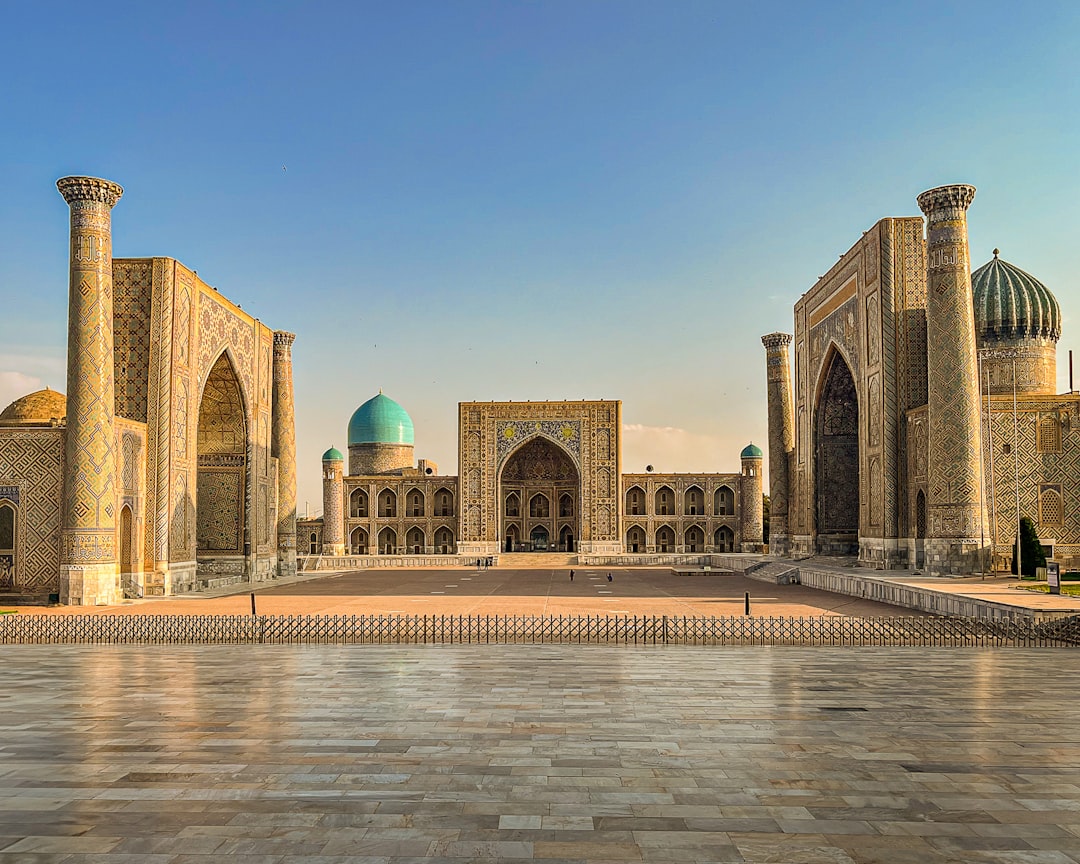
Stand in the center of Registan Square just after the gates open, before the tour buses arrive, and you understand why Timur chose this dust-blown crossroads to build an empire's showpiece. Three madrasas face one another across a courtyard the size of a football pitch, their portals stacked with turquoise and cobalt tilework that has held its color since the 15th century. Samarkand was never a stop on the Silk Road. It was the point of it — the place merchants from Chang'an, Isfahan, and Baghdad converged, traded, and left behind mosques, mausoleums, and observatories that still define the skyline.
This is a city for readers who want their history load-bearing. Every dome here was raised by someone whose name you can look up: Timur, his grandson Ulugh Beg the astronomer-king, the architects who tiled Bibi-Khanym Mosque with lapis blue bought from traders passing through on their way to Kashgar. Samarkand rewards the traveler who slows down enough to read the inscriptions rather than just photograph the doorway beneath them.
Samarkand Quick Facts
Spring on the Registan: Why April and May Suit This City Best
Samarkand sits at roughly 700 meters elevation in a river valley, which spares it the worst of Central Asia's summer furnace but not its winter chill. April and May bring daytime temperatures in the high teens to mid-20s Celsius, apricot and mulberry trees in blossom along the Registan's approach, and clear light that makes the majolica tilework glow rather than glare. Rain is possible but rarely lingers, usually clearing by mid-morning.
By July and August, midday temperatures regularly push past 35°C and the stone courtyards of Shah-i-Zinda hold heat like an oven; locals visit at dawn or after 18:00. Winter, from December through February, is cold and often grey, with occasional snow dusting the domes — atmospheric for photographs but hard on a walking itinerary. Late September and October offer a second sweet spot, with the added draw of the Silk Road Samarkand cultural festivals that some years animate the old city with music and craft markets; check the current calendar with a local operator before building a trip around one, since dates shift annually.
Cordelie travel advisors
Planning Samarkand? Go with someone who knows
The right suite, the right season, the reservations that never appear online — your Cordelie advisor knows them, and holds them for you.
Plan with a Cordelie advisorFree to ask. Cordelie Travel Services · IATA/ARC 06649064
Registan Square, Gur-e-Amir, and the Necropolis of Shah-i-Zinda
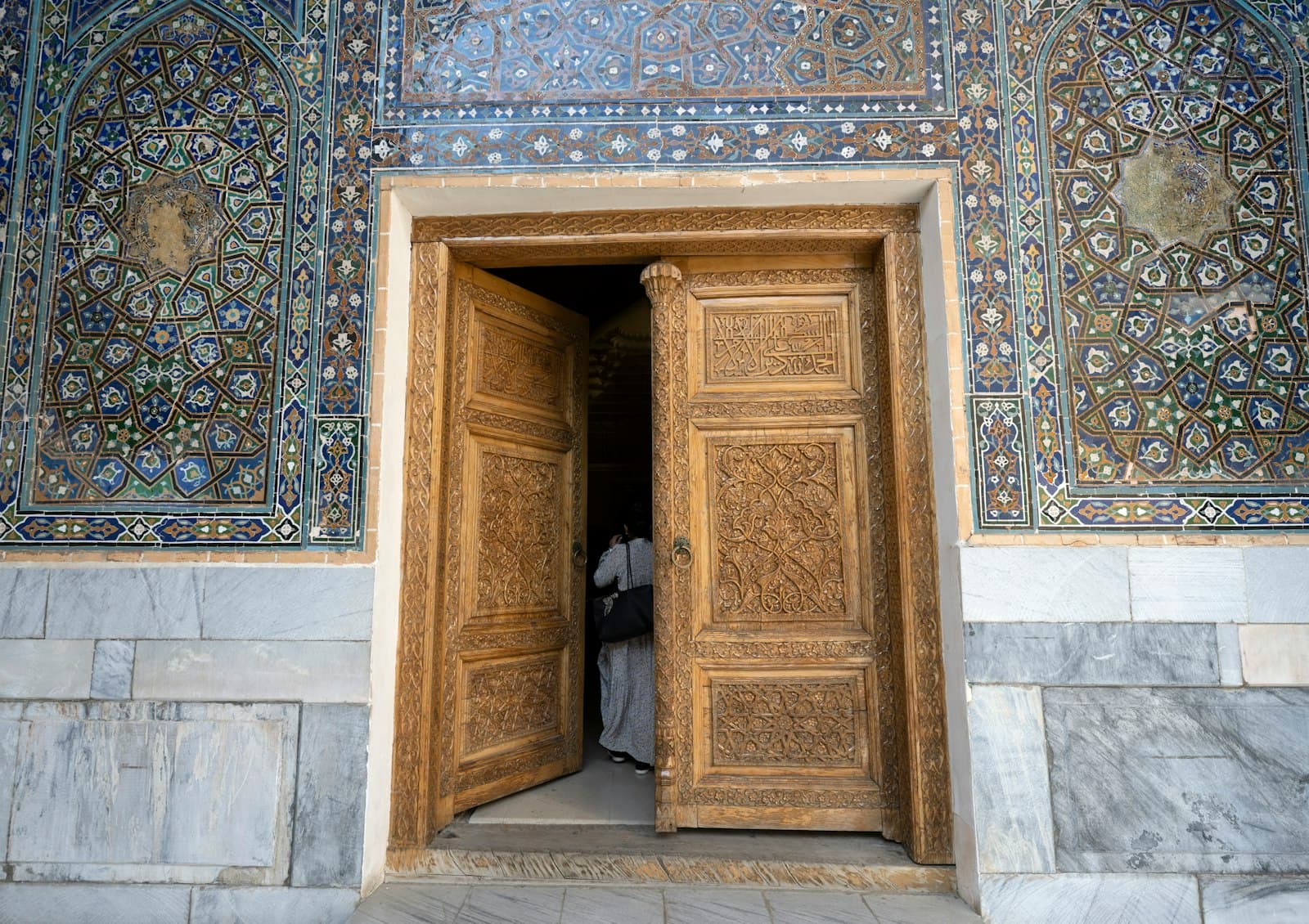
Registan Square opens most days from around 08:00 to 19:00, with entry typically running the equivalent of USD 5-8 for foreign visitors depending on which madrasas' interiors you enter (rates are set in som and revised periodically). The oldest of the three, the Ulugh Beg Madrasah, was completed around 1420 under Timur's grandson, an astronomer who taught mathematics here himself. Its facade of geometric star-patterns is a working diagram of the same calculations he used at his observatory across town. The Sher-Dor Madrasah opposite, finished in the 1630s, breaks Islamic convention with tigers chasing does across its portal — a Persian-influenced flourish that still startles visitors expecting strict geometric abstraction.
A ten-minute walk south brings you to Gur-e-Amir, the mausoleum Timur built for a grandson who predeceased him and where Timur himself was laid to rest in 1405 beneath a slab of dark jade brought, according to local tradition, from Mongolia. The ribbed azure dome visible from streets away became the template for later Mughal tombs, including the Taj Mahal, built more than two centuries afterward by Timur's descendants. Inside, the ceiling's muqarnas vaulting is picked out in gold leaf that has been restored but never fully replaced — you can still see where original 15th-century pigment survives in the shadowed upper registers.
Shah-i-Zinda, the 'Tomb of the Living King,' is the most atmospheric of the three sites and the easiest to rush past. A staircase climbs through a corridor of mausoleums built in overlapping waves from the 11th to the 14th and 19th centuries, each dynasty adding tilework meant to outdo the last. The complex grew around a shrine to Qusam ibn Abbas, a cousin of the Prophet Muhammad credited with bringing Islam to the region; pilgrims still climb the same steps for reasons that predate any guidebook. Go in the early morning, around 08:00, before the coach groups arrive and while the tile colors are still cool and unglared by direct sun. A licensed local historian guide — arranged in advance rather than hired at the gate — will point out which panels are original 14th-century majolica and which were reconstructed under Soviet-era restoration in the 1970s, a distinction that matters more than it first appears.
Timurid Samarkand in Focus
From Silk Road Caravanserai to Boutique Riad: Where to Sleep in the Old City
For travelers who want to wake up within sight of a Timurid dome, the Rakat Boutique Hotel and the Emirsan Boutique Hotel both sit in the streets just behind Registan Square, in restored courtyard houses with carved wooden ceilings and rooms in the USD 60-100 range per night. A short walk further, the Silk Road by Minyoun Samarkand offers a more contemporary four-star base with a rooftop terrace facing the Bibi-Khanym Mosque, generally USD 90-140 depending on season.
Those wanting a fuller sense of place should look at Hovli Poyon or one of the smaller family-run guesthouses in the old Jewish quarter, where breakfast is often served in a private courtyard beneath a mulberry tree, from roughly USD 30-50. At the top end, the Savitsky Plaza Boutique Hotel pairs modern comfort with an in-house collection of Uzbek applied art, and rooms with courtyard views run higher, generally USD 150-220. Wherever you stay, ask for a room away from the road-facing side — Samarkand's old-city streets are narrow, and morning delivery traffic starts early.
Plov, Non, and the Bazaar Rhythms of Siab
Samarkand plov differs from the version served in Tashkent — rice, lamb, carrot, and quince are layered and steamed rather than fried together, giving a lighter, sweeter result best eaten at midday, when families traditionally serve it. Karimbek Restaurant and the long-running Platan Restaurant, both a short taxi ride from Registan Square, do reliable versions alongside shashlik and laghman, with a full meal typically costing USD 8-15 per person.
The Siab Bazaar, just behind Bibi-Khanym Mosque, is where the city actually eats: mountains of dried apricots and mulberries, spice stalls selling the region's distinctive cumin-heavy seasoning blends, and Samarkand's famous non bread, stamped with a wooden chekich seal and baked in clay tandirs you can watch working at the market's edge. Bargaining is expected on dried fruit and textiles, less so on bread and produce. Fridays bring the biggest crowds, so an early weekday visit, around 08:00-09:00, gives you the bazaar before the midday crush.
“Every conqueror who passed through wanted to leave something taller than what he found. That is why Samarkand's skyline reads like a history book with the chapters out of order.”
On Foot, By Taxi, or by Afrosiyob: Moving Through the City and Beyond
Samarkand's major Timurid sites — Registan, Gur-e-Amir, Bibi-Khanym, and Shah-i-Zinda — sit within a compact zone that most travelers cover comfortably on foot in two to three days, with distances between them ranging from a five-minute stroll to a twenty-minute walk. The Ulugbek Observatory and the Konigil paper-making village lie a bit further out, roughly 15-25 minutes by taxi from the old city; a local taxi or ride-hailing app fare across town typically runs USD 2-4.
For onward travel, the Afrosiyob high-speed train connects Samarkand to Tashkent in about 2 hours and to Bukhara in around 1.5 hours, with tickets generally USD 15-30 depending on class, best booked a few days ahead in high season. This makes Samarkand a natural midpoint on a broader Central Asia route: Tashkent for arrival, Samarkand for the Timurid core, Bukhara for its own denser tangle of madrasas and trading domes, and Khiva further west for those with an extra few days. Advisors building multi-country itineraries often pair Samarkand with a few nights in Bukhara and a flight onward to Almaty or Bishkek for travelers extending into Kazakhstan or Kyrgyzstan.
Three Days Among the Domes: A Timurid-Focused Itinerary
Registan Square and the Bazaar Beyond
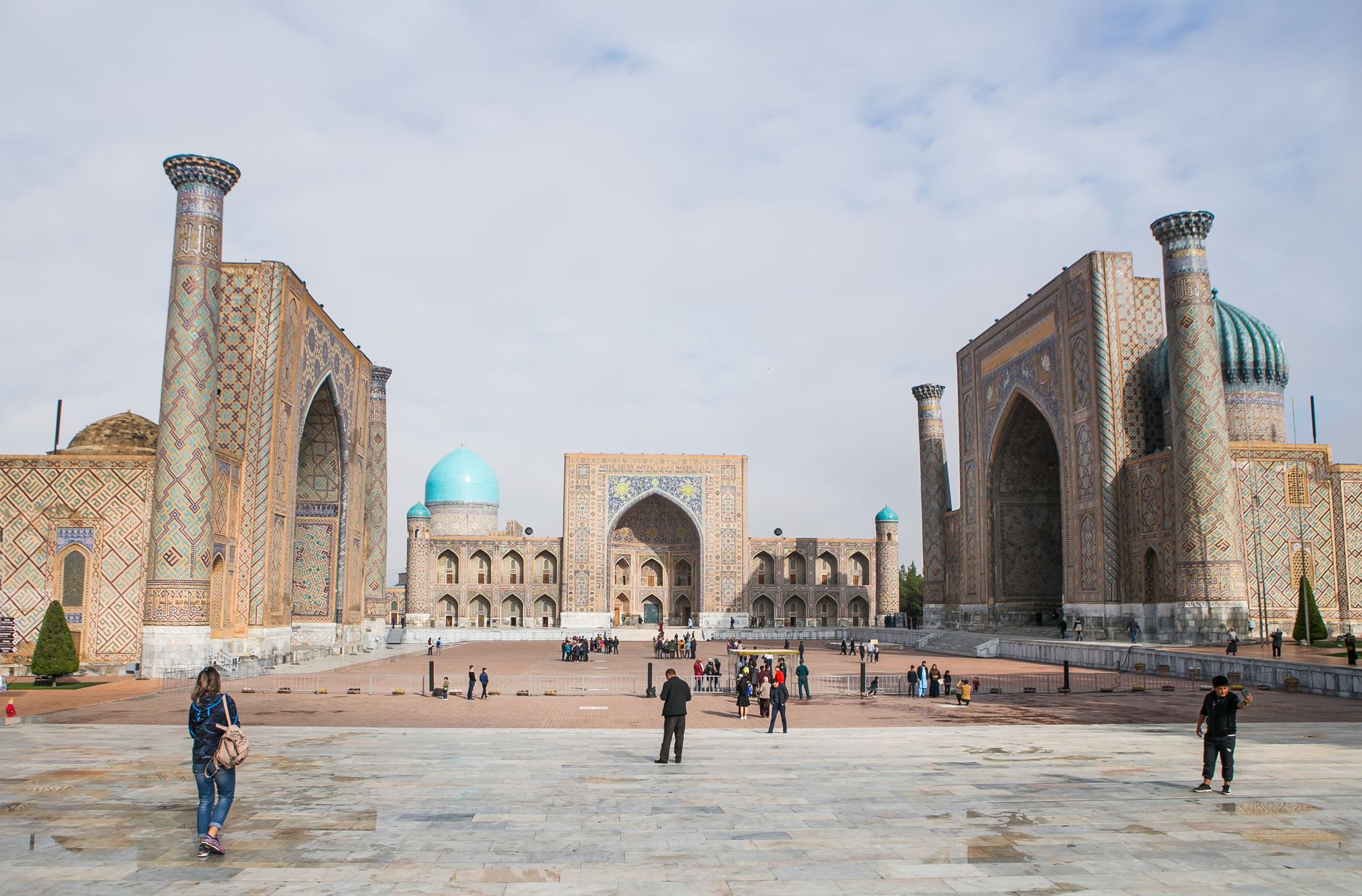
Arrive early at Registan Square, ideally by 08:30, to see the three madrasas before the tour groups arrive and the tilework light is still soft. Spend at least ninety minutes inside the Ulugh Beg and Sher-Dor Madrasahs, where small workshop stalls sell miniature paintings and suzani embroidery in the former student cells.
Walk the ten minutes to Bibi-Khanym Mosque, commissioned by Timur in the 1390s after his campaign into India and named for his senior wife. The scale is still startling even in its partially restored state.
Finish the afternoon at Siab Bazaar next door, watching non bread come out of tandir ovens and sampling dried fruit before an early dinner of Samarkand plov at Karimbek Restaurant.
Gur-e-Amir, Shah-i-Zinda, and the Astronomer's Legacy
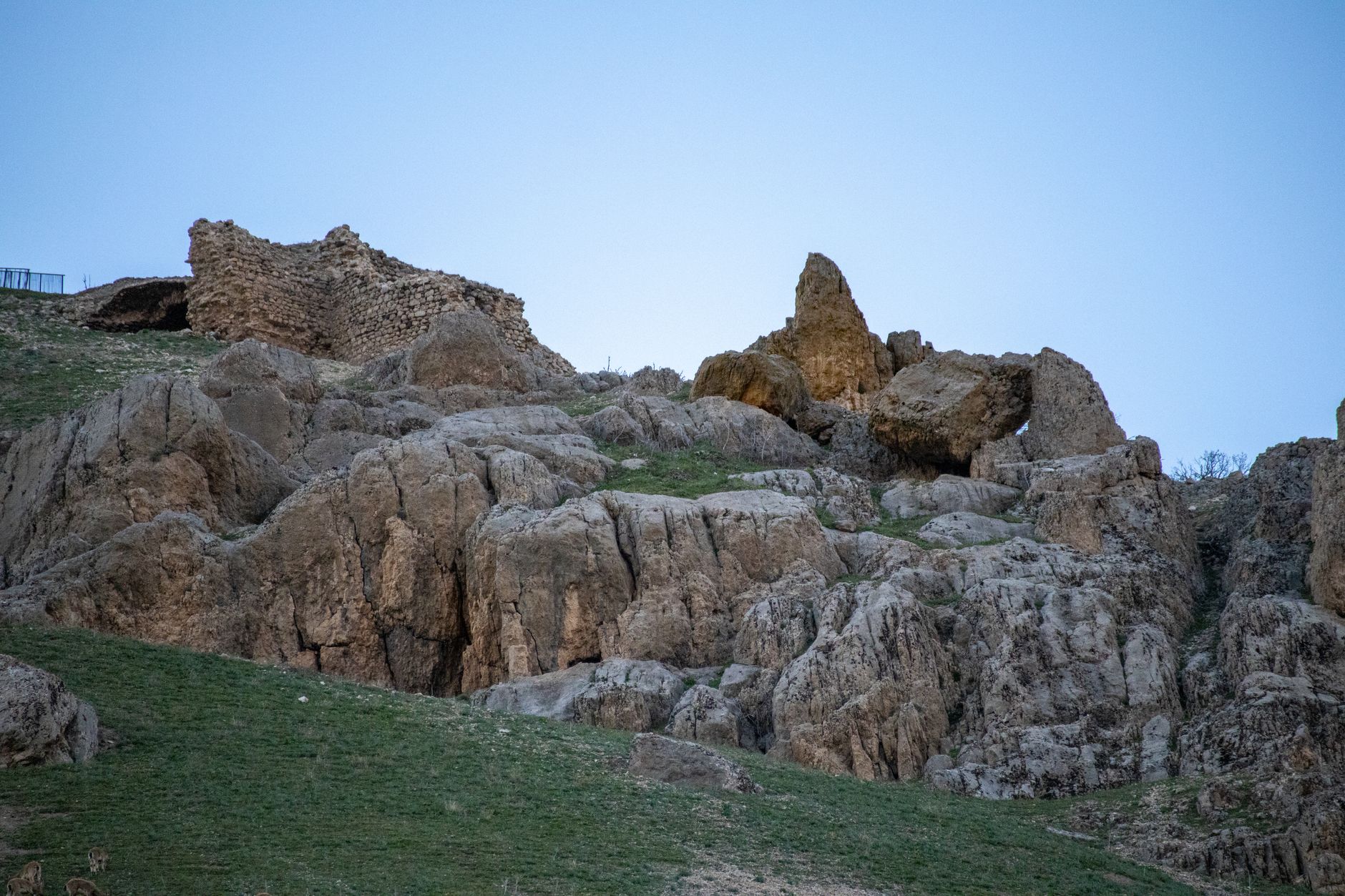
Begin at Gur-e-Amir mid-morning, once the crowds have thinned from the earlier tour buses, to see Timur's jade tomb and the gold-leafed muqarnas ceiling.
Take a taxi (about 10-15 minutes) to Shah-i-Zinda and climb the staircase of mausoleums slowly, ideally with a licensed guide who can date the tilework panel by panel across seven centuries of additions.
In the late afternoon, visit the ruins of Ulugh Beg's observatory, where a sextant trench cut into a hillside once let a 15th-century prince chart the stars with an accuracy that held for generations afterward.
Silk Road Crafts and a Slower Farewell
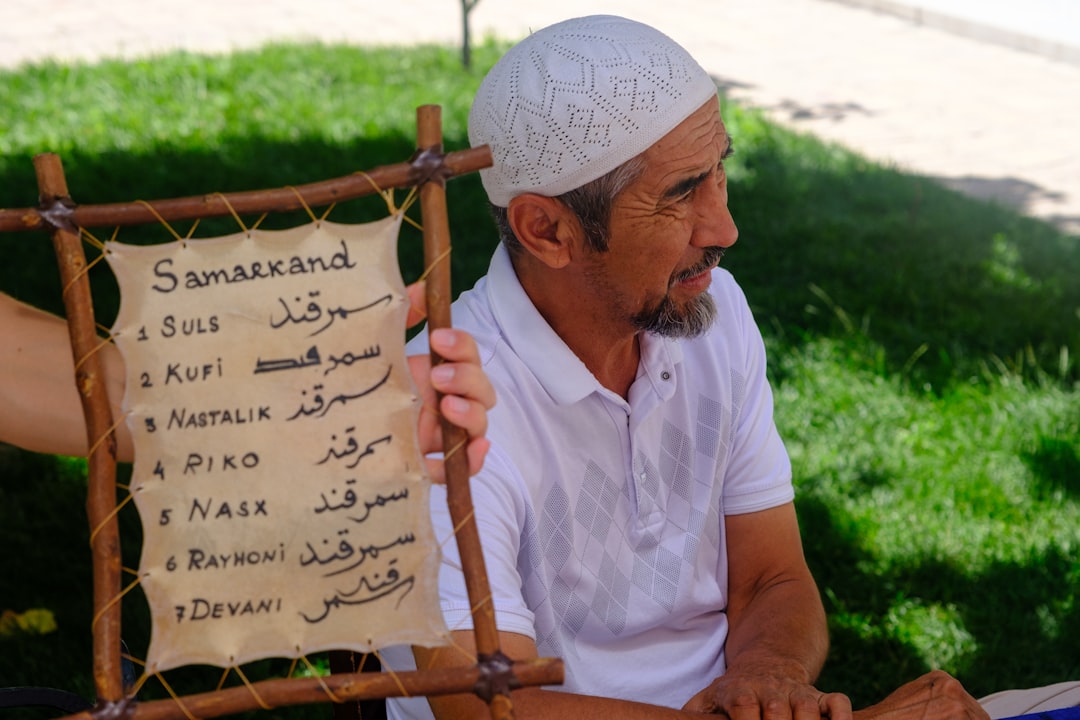
Head 15-20 minutes out of town to the Konigil paper mill, where artisans still produce mulberry-bark paper using water-driven mallets, a craft revived in the 1990s using traditional Silk Road methods.
Return to the old city for a leisurely lunch at Platan Restaurant, then spend the afternoon browsing the ceramics and suzani stalls tucked into the lanes around Hazrati Khizr Mosque, which offers sweeping views back over the Shah-i-Zinda rooftops.
Close the trip with an early evening walk back through Registan Square as the lighting rigs switch on for the nightly illumination, usually starting around sunset.
The richest way to see Samarkand is with private access timed around the light and the crowds — entering Shah-i-Zinda at first light, or reaching Registan Square before the coach groups fill the courtyard. A Cordelie travel advisor builds that kind of itinerary from the start, pairing a private historian guide with the right pacing across Samarkand, Bukhara, and the wider Silk Road route, and securing the rooms and rail connections that make the difference between seeing a place and simply passing through it.
Speak with a Cordelie advisor at https://cordelie.com/contact to design a Central Asia itinerary built around the era and the pace you actually want.
Samarkand At a Glance
An essential stop for anyone drawn to Silk Road history, best visited in spring when the tilework glows and the heat hasn't yet arrived.
Samarkand delivers on its reputation: three days is enough to see the headline Timurid sites properly, though a fourth allows time for the observatory and paper mill without rushing.
Pair it with Bukhara by high-speed train for a fuller Silk Road picture, and book historian-led access to Shah-i-Zinda and Registan Square rather than relying on gate-side guides.
Last checked for accuracy: . How we check

Sarah Chen has covered Asia for twelve years, first as a wire reporter in Jakarta and now from Singapore, where she keeps a standing list of the region's most misunderstood destinations. She writes about the distance between what a place is famous for and what it is actually like to spend a week in — and is happiest on an overnight train with a bad seat and a good view.