
Sailing the Antarctic Sound: The Expedition Route Beyond the Peninsula

Where the Peninsula Ends and Antarctica's Wild Frontier Begins
Most Antarctic voyages end where the guidebooks say they should: Paradise Harbour, Neko Harbour, the calm channels of the Gerlache Strait. A smaller number of ships keep going, north around Trinity Peninsula and into Antarctic Sound, then push south along the edge of the Weddell Sea itself. This is the route that trades postcard fjords for something rawer — tabular icebergs the size of city blocks, Adelie penguin colonies numbering in the thousands, and a wooden hut standing since 1902 that few ships ever reach.
The difference is not subtle. Peninsula-only itineraries hug the sheltered western side, where the water rarely freezes solid and landings are close to guaranteed. The Sound and the Weddell Sea sit on the eastern, ice-choked flank of the continent, fed directly by pack ice pressed north from the Weddell Gyre. You come here for the places a standard Peninsula cruise cannot show you — and you accept, going in, that ice has the final word on the schedule.
Antarctic Sound & Weddell Sea Quick Facts
Spring in the Weddell Sea: Reading the Ice Before You Book
In November, the Southern Hemisphere spring, Antarctic Sound is still shaking off winter. Fast ice — the frozen sheet attached to the coastline — can still choke Hope Bay and the approaches to Paulet Island, and captains will sometimes hold a ship at the mouth of the Sound for hours watching the floes shift. This is also the moment Adelie penguins arrive at their colonies and begin courtship, stone by stone, so an early-season sailing trades certainty of landing for a shot at seeing the rookeries at their most active.
By late December and through January, the pack loosens enough that most ships attempting the Weddell Sea side get at least one landing at Paulet Island or Devil Island, though a full push toward Snow Hill Island remains a good-ice-year proposition even then. February brings the most open water of the season, with Adelie chicks fledging and elephant seals hauled out on the beaches, but it is also when berths on ice-class ships book out furthest in advance. Expedition lines typically release Sound and Weddell Sea departures twelve to eighteen months ahead, and the handful of sailings each season that name the Weddell Sea explicitly in their itinerary — rather than listing it as a weather-dependent option — sell first.
Cordelie travel advisors
Go with someone who knows
The right suite, the right season, the reservations that never appear online — your Cordelie advisor knows them, and holds them for you.
Plan with a Cordelie advisorFree to ask. Cordelie Travel Services · IATA/ARC 06649064
Iceberg Alley, Adelie Rookeries, and a Century-Old Hut: What Sets This Route Apart
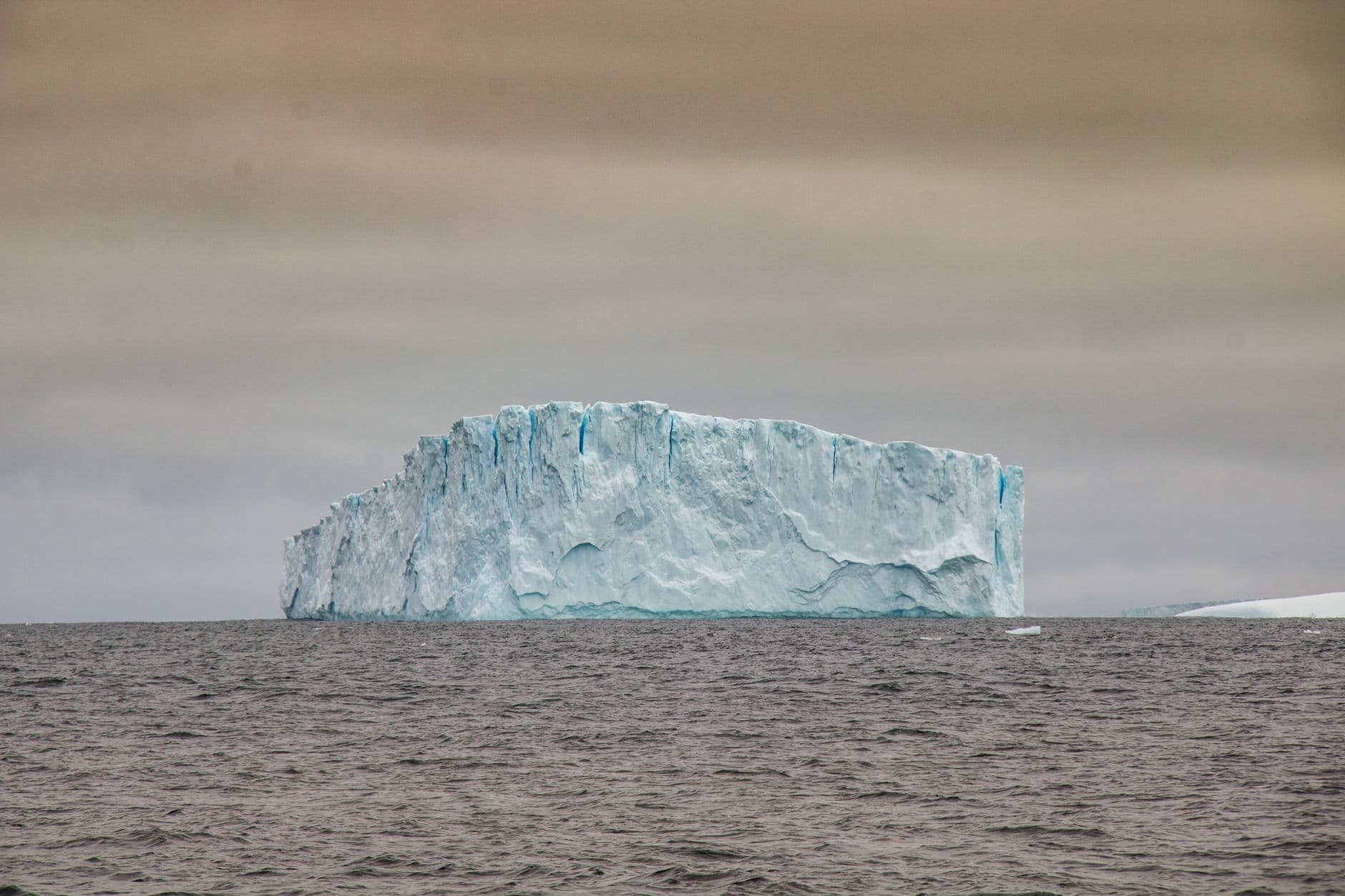
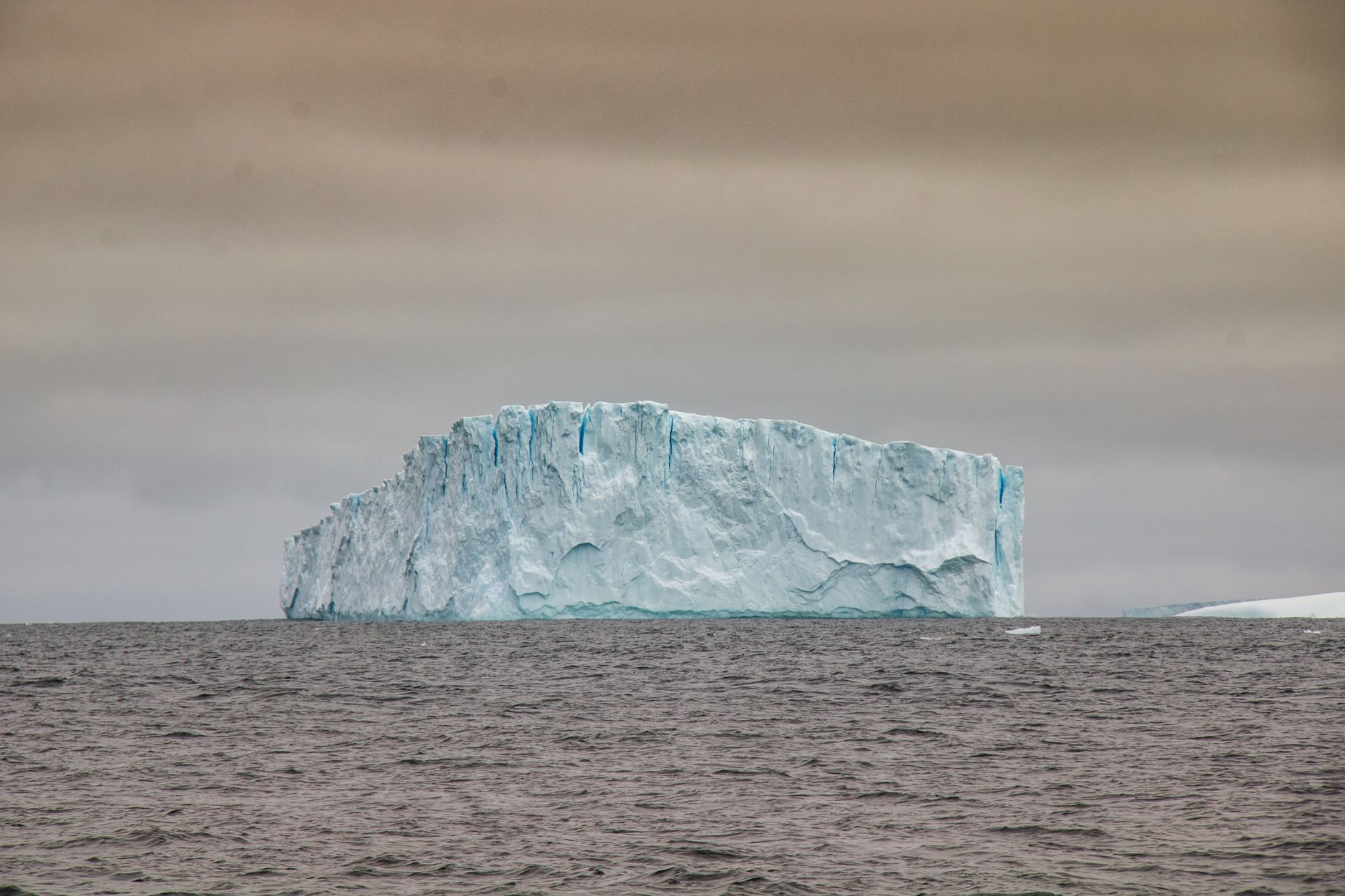
Antarctic Sound earned its nickname, Iceberg Alley, honestly. Tabular icebergs calved from the Larsen Ice Shelf funnel through the strait in numbers you simply do not see on the Peninsula's western side — flat-topped giants that can run 30 meters or more above the waterline and stretch for a kilometer or two along one face. Zodiac cruising among them, engines cut, is the single experience most expedition guides name as the reason they keep signing on for Sound departures rather than shorter Peninsula-only trips.
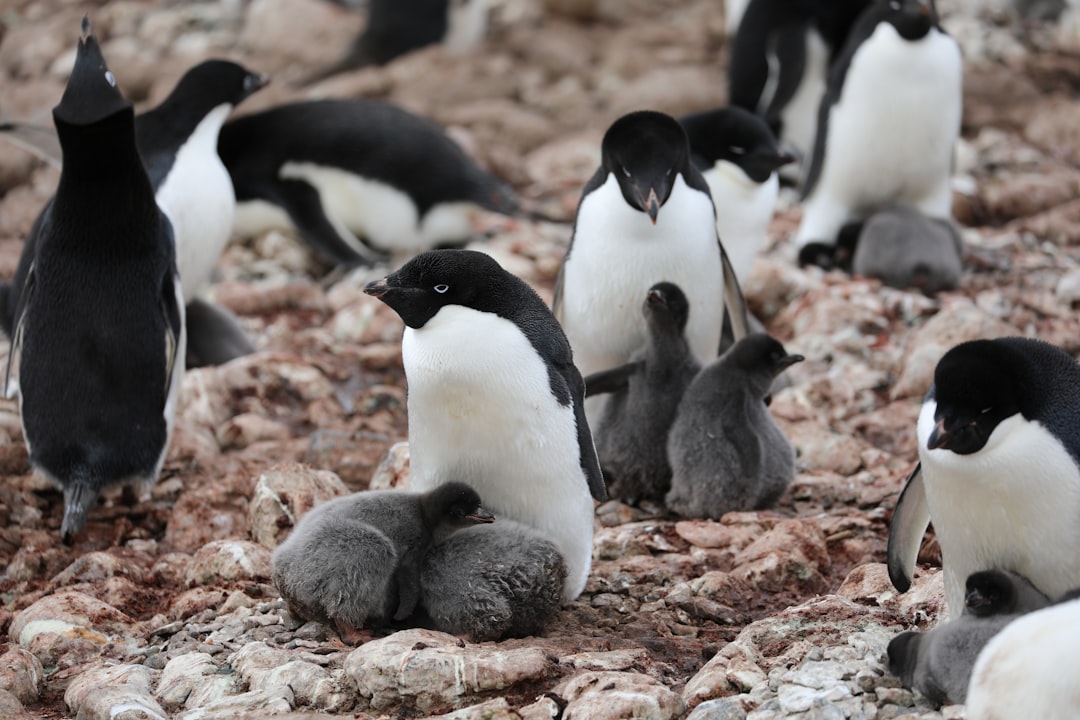
Hope Bay, at the northern tip of the Peninsula near Argentina's Esperanza Base, holds one of the larger Adelie penguin colonies on this stretch of coast, and it is usually the first Sound landing on the itinerary. Further south, Paulet Island carries both a substantial Adelie rookery and a somber piece of history: the stone hut ruins where Carl Anton Larsen and the shipwrecked crew of the Antarctic — Otto Nordenskjöld's expedition vessel — overwintered in 1903 after the ship was crushed by ice. Nordenskjöld himself spent that winter separately, at a purpose-built wooden hut on Snow Hill Island, which still stands and is now regarded as one of the best-preserved early scientific structures on the continent. It sits behind fast ice that only clears in exceptional years, so most operators list it as a hoped-for landing rather than a promise.
None of this is accessible on a standard passenger ship. Sound and Weddell Sea sailings require an ice-strengthened hull, Polar Class 6 (PC6) or the older 1A Super rating, because bergy bits and loose pack ice are a routine part of the passage rather than an occasional hazard. Ships built or refitted for this work — Oceanwide Expeditions' Hondius and Ortelius, Aurora Expeditions' Greg Mortimer, Albatros Expeditions' Ocean Victory, Quark Expeditions' Ultramarine — are the vessels you will see named on Sound-inclusive itineraries. A cruise liner or a non-ice-classed yacht simply will not attempt this route.
The Sound and the Weddell Sea in Pictures
Aboard an Ice-Strengthened Ship: Cabins, Comfort, and the Case for Fewer Passengers
There are no hotels on this route — the ship is the accommodation for the entire voyage, and its class matters more here than on a Peninsula-only sailing. IAATO rules cap any single landing at 100 people ashore at once, and ships carrying more than 500 passengers cannot make landings at all, which is why the vessels that specialize in Sound and Weddell Sea departures tend to run smaller: Hondius and Ortelius carry roughly 170 and 190 passengers respectively, Greg Mortimer around 130, Ocean Victory close to 200. On a good-ice day, a smaller ship gets everyone ashore in two rotations instead of four, which in practice means more time at Paulet Island or Hope Bay rather than more time waiting in the Zodiac queue.
Cabin categories run from twin portholes with shared or private facilities up through balcony suites, and pricing tracks accordingly. A twin cabin on an 10 to 11-night voyage combining the South Shetland Islands with an Antarctic Sound and Weddell Sea extension runs roughly $9,500-12,500 per person as of late 2025, with balcony suites starting around $16,000 and top-deck suites well beyond that. Fares include all meals, expedition gear loan (parka, muck boots), Zodiac transfers, and daily lectures, but not the flight to Ushuaia or Punta Arenas, nor the optional Drake Passage fly-over that some travelers add to skip one leg of open water.
Mess Hall Rituals, Zodiac Etiquette, and the Human History Frozen at Paulet Island
There is no local cuisine at 63 degrees south, but there is a genuine onboard culture, and it centers on the dining room and the lecture theater in roughly equal measure. Expect a single seating for dinner, chef-prepared multi-course menus that skew toward South American and European comfort food — Patagonian lamb, fresh-baked bread, a decent Argentine Malbec included with most lines' fares — and a briefing every evening on what tomorrow's ice conditions might allow. The rhythm of the day is set less by clock than by weather reports relayed from the bridge.
The cultural weight of this particular route is historical rather than culinary. Every guide aboard a Weddell Sea sailing will tell some version of the Nordenskjöld expedition's story at Paulet Island, and most will mention that the Weddell Sea is the same body of water that crushed Ernest Shackleton's Endurance in 1915, roughly 1,600 kilometers to the southwest of where your ship will be cruising. IAATO biosecurity protocols apply strictly here: boots are scrubbed and disinfected before and after every landing, no food or plastic leaves the ship, and Zodiac boarding follows a set rotation by deck rather than a free-for-all — small rituals that matter more on a route where landings are already scarce and hard-won.
“You don't sail into the Weddell Sea. You're let in, when the ice decides to open a door.”
From Ushuaia to Hope Bay: How the Sound Itinerary Actually Moves
Nearly every Sound and Weddell Sea voyage begins the same way as a Peninsula-only trip: a flight from Buenos Aires to Ushuaia, Argentina — a domestic hop of roughly three and a half hours — followed by embarkation and a two-day, roughly 500-nautical-mile crossing of the Drake Passage. Ships that intend to attempt the Sound generally spend their first day or two in the South Shetland Islands, with landings at Half Moon Island or a walk up into the flooded caldera at Deception Island, before turning southeast through the Bransfield Strait toward Trinity Peninsula.
From there the captain reads the satellite ice charts and decides, often day by day, whether Antarctic Sound is open. A clear run gets you to Hope Bay and Paulet Island within a day of entering the Sound; a blocked one means backup landings on the Peninsula's western side instead, at spots like Cierva Cove or Brown Bluff, while the ship waits for a shift in the wind. This is the honest trade-off of the route: no operator can promise the Weddell Sea leg outright, and the itineraries that are candid about that tend to be the ones worth booking.
A Three-Day Push Into the Weddell Sea: Sample Days Aboard
Entering Antarctic Sound and Iceberg Alley
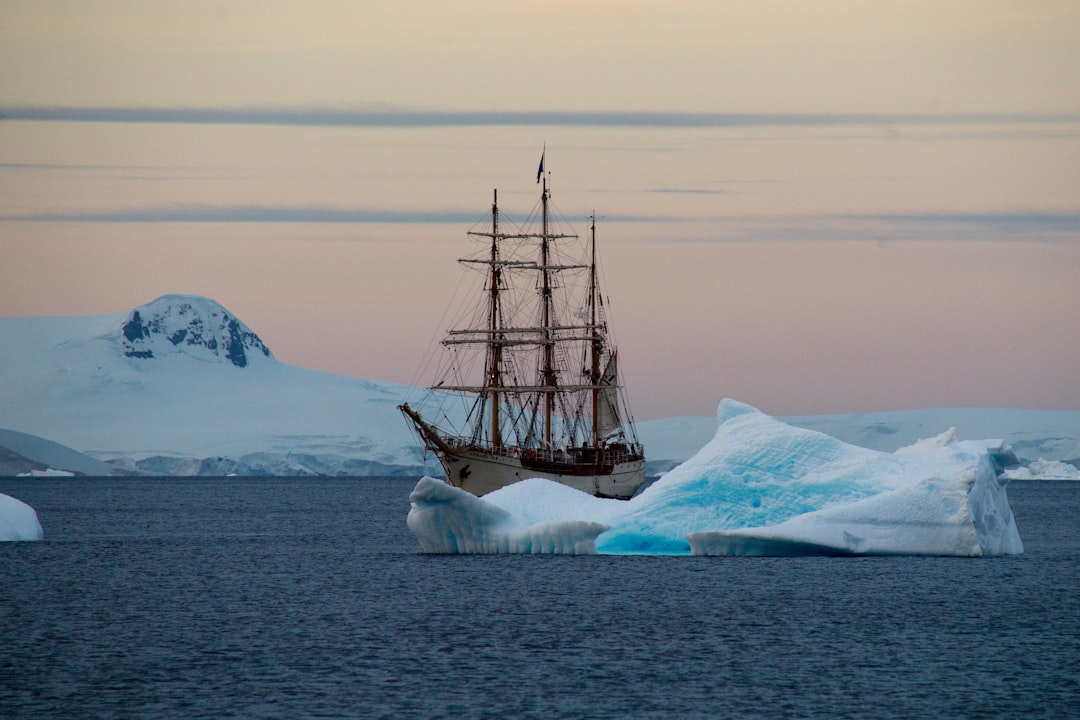
Typically the sixth or seventh day of an 11-day voyage, once the South Shetland Islands are behind you. The ship threads through Antarctic Sound in the early morning, and the mid-morning briefing usually turns into an impromptu bridge-deck gathering as the first tabular icebergs come into view.
A Zodiac cruise among the bergs, weather permitting, runs 60 to 90 minutes with engines cut for long stretches so the only sound is calving ice in the distance.
Hope Bay and the Adelie colonies
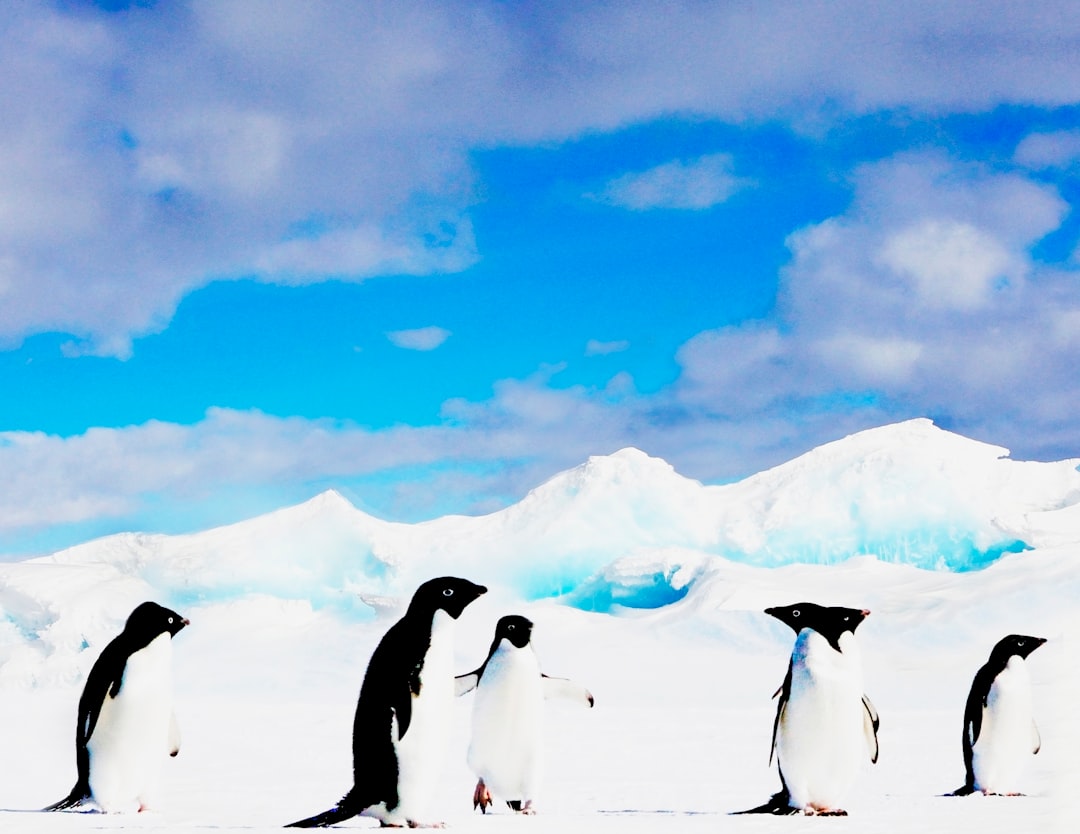
A morning landing at Hope Bay, near Argentina's Esperanza Base, puts you among one of the region's larger Adelie penguin colonies, with skuas patrolling overhead for unattended eggs and chicks.
Afternoon plans stay flexible: a good ice day pushes on toward Paulet Island for a second landing among its rookery and the 1903 stone hut ruins; a tighter one holds the ship at anchor for an extended Zodiac tour of nearby Devil Island instead.
The push toward Snow Hill Island, or the fallback
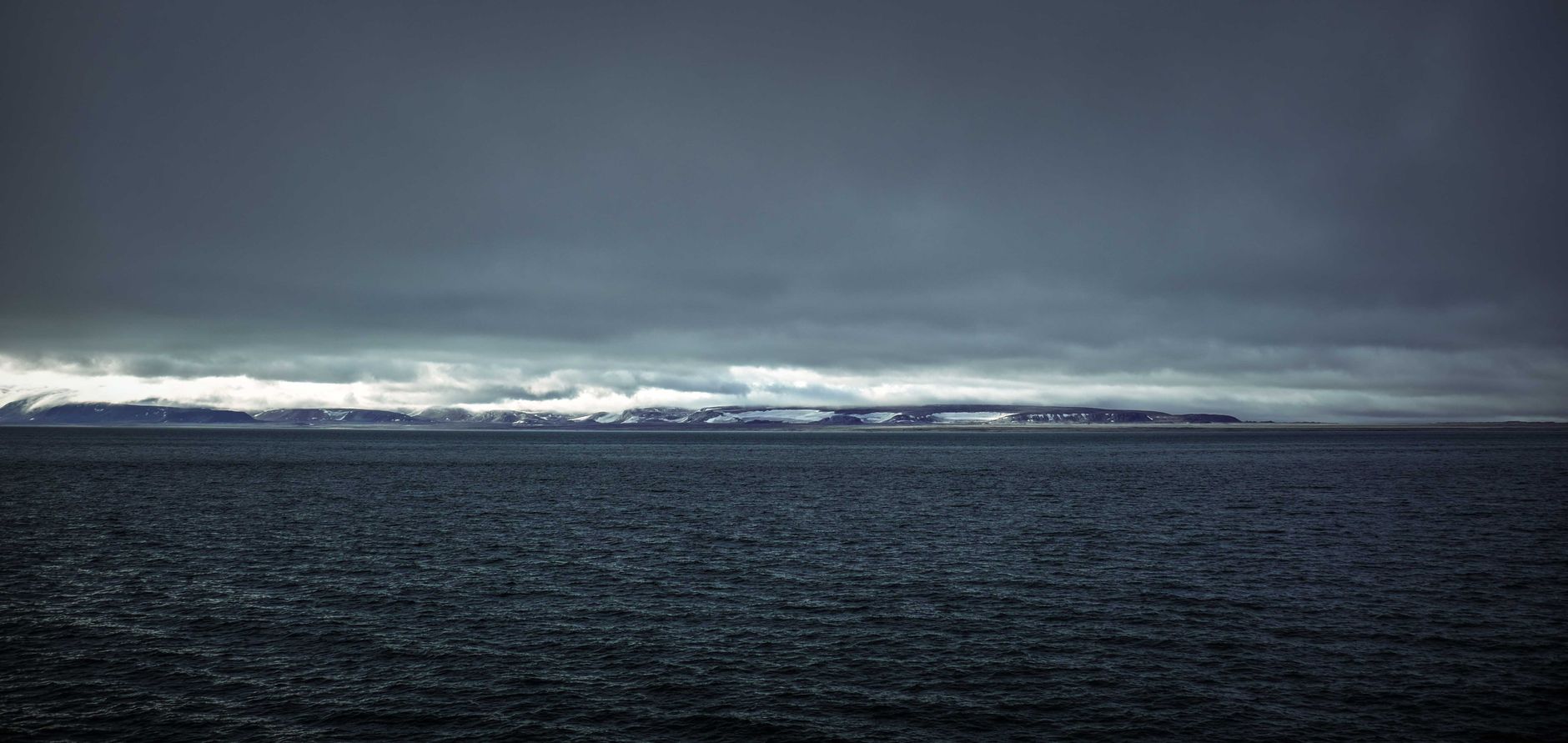
In an exceptional ice year, the captain attempts the run south toward Snow Hill Island to view Nordenskjöld's 1902 hut from the water or, rarely, land beside it — a landing not every voyage this decade has achieved.
If fast ice blocks the approach, the ship reroutes to Brown Bluff or back toward the Gerlache Strait, closing the loop with a Peninsula landing before the return Drake Passage crossing begins.
The Weddell Sea's rewards are real, but so is the uncertainty — the same voyage sold as 'Antarctic Sound' on one operator's site might mean a genuine attempt at Paulet Island, or a Peninsula trip with a hopeful detour that rarely pays off.
A Cordelie advisor knows which ships, departures, and expedition teams have actually broken through to the Weddell Sea in recent seasons, and can secure the cabin category and sailing date that gives you the best realistic shot at it.
Reach out at https://cordelie.com/contact and let a Cordelie advisor craft the Antarctic voyage that matches how far south you actually want to go.
Antarctic Sound & the Weddell Sea, at a Glance
The most rewarding extension available on an Antarctic voyage — for travelers willing to accept that the ice, not the itinerary, has the final say.
Best suited to travelers who have already considered a standard Peninsula cruise and want more: larger tabular icebergs, denser Adelie colonies, and a direct link to the Nordenskjöld expedition's history at Paulet Island and Snow Hill Island.
Requires booking an ice-strengthened, PC6-rated ship such as Hondius, Ortelius, Greg Mortimer, or Ocean Victory, and committing 12 to 18 months ahead for departures that name the Weddell Sea explicitly.
Pairs naturally with a South Shetland Islands crossing at the front of the voyage — expect an 10 to 11-night total trip length, with roughly two to three days given over to the Sound and Weddell Sea attempt itself.
Last checked for accuracy: . How we check

Emma Blackwood has reviewed hotels for eighteen years and can tell within an hour of arrival whether a property means it. She writes about the difference between expensive and excellent, which is not the same thing, and about the handful of places that are both.