
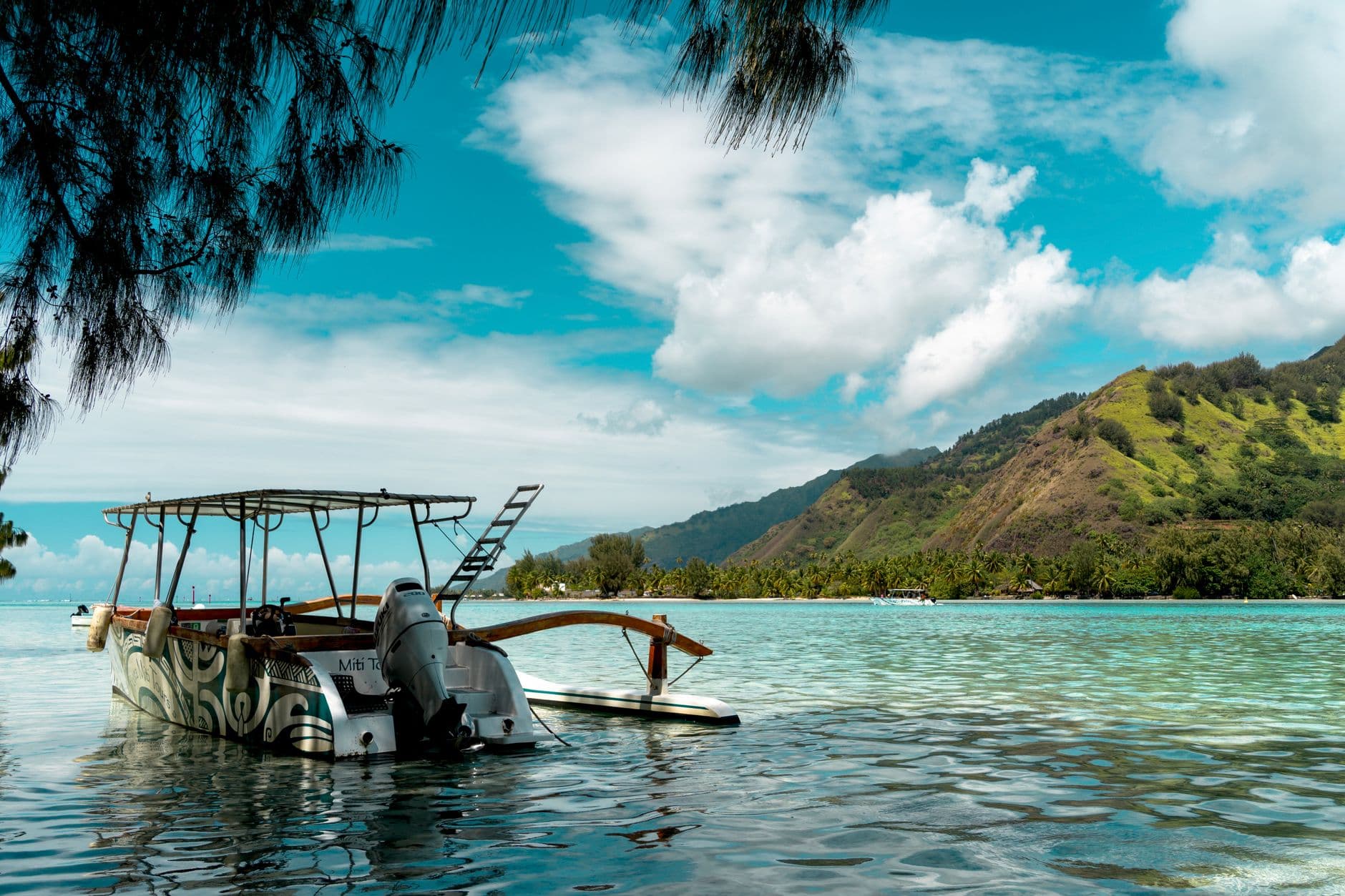
Quick Guide: Island-Hopping the Cook Islands by Small-Ship Cruise

Key Facts: Rarotonga & Aitutaki, Cook Islands
Rarotonga & Aitutaki by Small-Ship Cruise: What Demands Your Attention
A small-ship cruise through Rarotonga and Aitutaki is not a typical Pacific holiday. You spend four to seven days on the water visiting islands that are small, remote, and dependent on weather windows that do not always open. The vessels that service this route carry between 50 and 200 passengers—not hundreds—and they anchor in open harbors rather than tie to docks. Tender boats ferry you ashore. Excursions happen on schedule only if winds, swells, and local conditions permit. The appeal lies precisely here: you reach places that cruise ships cannot, you move at a pace that allows genuine encounters, and you accept that rigidity belongs to larger ships and tighter itineraries. This is the trade-off, and it works only for travelers who prefer small discomforts to crowded certainty.
Cyclones, Seasons, and Why Spring Is Your Window
The Cook Islands sit in the South Pacific cyclone belt. November through April is officially cyclone season: warm, humid, and vulnerable to tropical systems that form and move with little warning. Ports close, ships reroute or cancel, and excursions are postponed or abandoned. April through November is the dry season—cooler, drier, and stable. Most small-ship itineraries operate between April and October, with April and May offering the best combination of settled weather and warm water (around 25–26°C). September and October are also favorable but approach the shoulder into summer swells and occasional monsoonal influences.
If you book in spring (April–May in the Southern Hemisphere sense), you get predictable sailing conditions, reasonable air temperatures in the high 70s to low 80s Fahrenheit, and calm seas ideal for tender operations. The trade-off: water temperatures are cooler than summer—fine for snorkeling but not tropical-warm. Flight availability from the major gateways (Auckland, Sydney, Los Angeles) is good but not saturated, meaning better cabin inventory on ships.
Small-ship operators routinely cancel or delay days in port due to swell, wind, or cyclone swells rolling in from distant storms. This is not misadventure—it is standard risk management. Budget flexibility into your schedule: if you have a fixed departure date for a long-haul flight home, small-ship cruising may not be the right choice. If you can stay a night or two longer on Rarotonga to await calmer conditions, you will sleep better.
The Itinerary: Rarotonga, Aitutaki, and the Northern Islands
A typical Cook Islands small-ship cruise begins in Rarotonga, the largest and most developed island, with a population around 12,000 and the nation's only international airport. You board your ship here or fly in the day before to overnight. Most itineraries then visit Aitutaki (a 45-minute flight from Rarotonga or roughly 240 km by sea) and then proceed north or south depending on weather and ship scheduling. Northern islands like Palmerston, Suwarrow, and Manihiki offer pristine anchorages and minimal tourist infrastructure—exactly the draw for small-ship travelers.
Rarotonga itself is mountainous, lush, and surrounded by a fringing reef. The island is largely developed on the western and northern coasts; the southern and eastern sides remain quieter. A typical port day in Rarotonga includes a tender ashore (your ship anchors in Avatiu Harbour), then a choice of organized excursions: a hike to the island's interior ridgelines (requiring 2–3 hours and moderate fitness), a snorkel trip to the reef, or a visit to local villages and markets. Most cruises spend a day here at the start or end of the voyage, not in the middle.
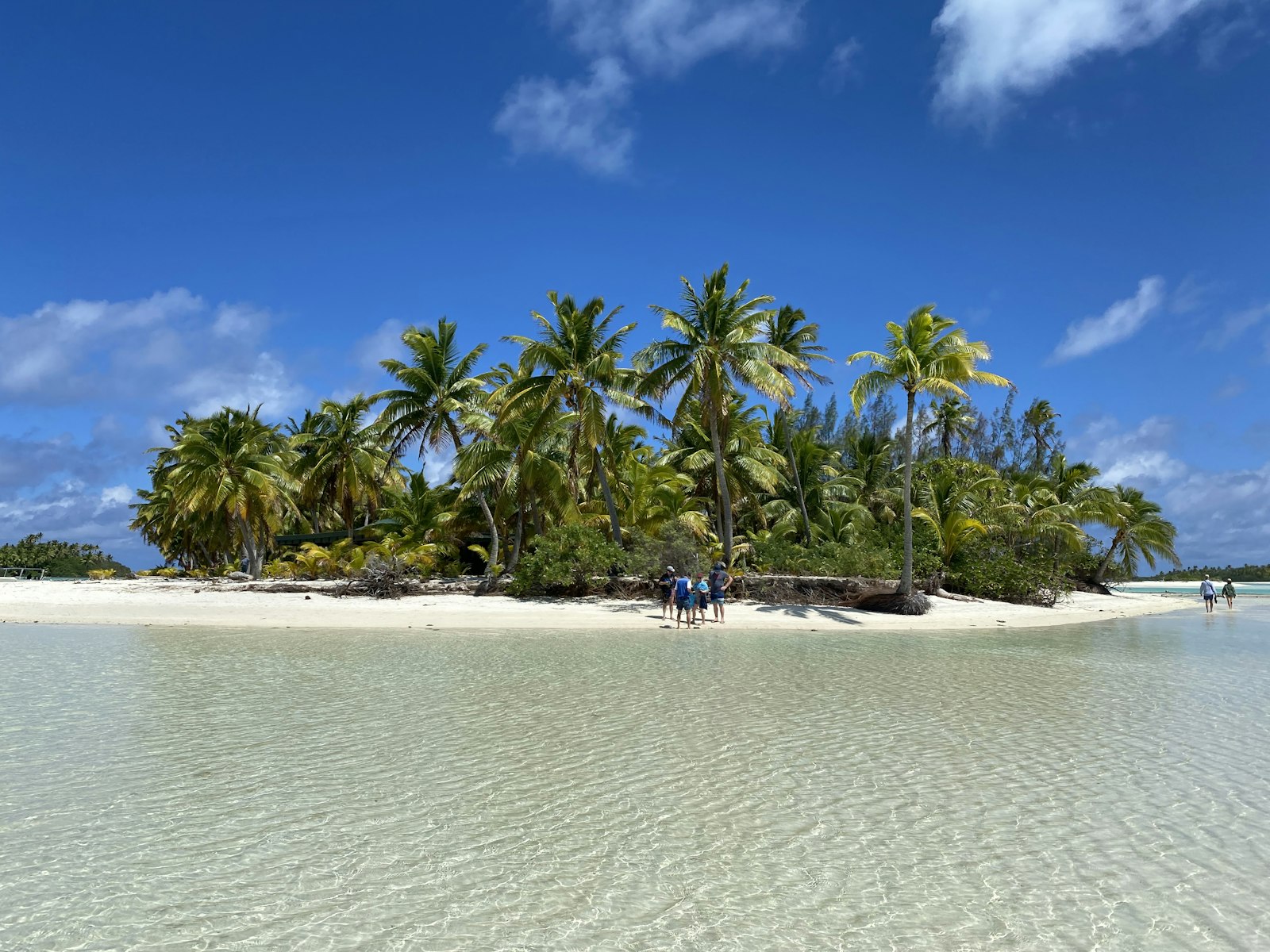
Aitutaki, 190 km north of Rarotonga, is the second-most visited island and the emotional heart of most small-ship itineraries. Its lagoon is shallower and more protected than Rarotonga's, with a series of coral motus (islets) dotting the turquoise water. A typical Aitutaki day includes a tender transfer to one or more motus for snorkeling, beachcombing, and swimming in water that rivals the Caribbean in color. Visibility on the reef averages 20–30 meters on clear days. Expect to spend 4–6 hours in and around the water. The island's one village, Arutanga, can be visited if seas permit; it is quiet and unrushed, with a small market and a few shops selling local handicrafts.
If you plan to snorkel daily, bring your own gear or expect to rent from the ship. Not all small-ship operators provide fins, masks, or snorkels; those that do may charge USD 5–15 per person per day for rental. Stronger swimmers and confident divers will see more. Reef fish in these waters are abundant but wary; move slowly and avoid sudden movements. Coral is present but not as towering as Caribbean or Indo-Pacific atolls; the appeal is clarity and abundance rather than size.
Getting There: Flights, Connections, and Timing
Most international visitors fly to Rarotonga via Auckland or Sydney. From Auckland, direct flights to Rarotonga (Avarua International Airport, airport code RAR) take roughly 3 hours; from Sydney, approximately 4 hours with one stop (usually Auckland). Air New Zealand operates the main service; Air Tahiti and smaller regional carriers offer alternatives. Round-trip fares from Auckland to Rarotonga typically range from NZD 600–1,200 (as of early 2025), depending on how far in advance you book and the season.
Most cruise itineraries depart Rarotonga on a Friday or Saturday morning, which means you must arrive on Thursday or Friday. Book your international flight to arrive on or before Thursday afternoon. The airport is about 15 minutes by taxi or rental car from the harbor (taxi fares are roughly NZD 20–30 from airport to town). If you arrive the day before the ship departs, stay overnight in Arutanga or on the western coast. Budget hotels run NZD 80–150 per night; more comfortable mid-range options are NZD 150–250.
Cruise Cost, Cabin Types, and What Is Included
Small-ship cruises to Rarotonga and Aitutaki typically cost between NZD 2,200 and 5,500 per person for a 7-day itinerary (as of early 2025), depending on cabin grade, ship size, operator, and season. A mid-range outside cabin on a 100-passenger ship will run roughly NZD 2,800–3,500; a premium suite or deluxe cabin, NZD 4,000–5,500. Single travelers often pay a supplement of 10–25% if cabins cannot be shared.
Most cruise prices include accommodation, meals (breakfast, lunch, and dinner aboard ship), and daily activities such as guided snorkeling trips or island visits. Not included: beverages beyond water and coffee, gratuities (typically suggested at USD 12–15 per person per day), any equipment rental (snorkel gear, fishing tackle), shore excursions not organized by the ship, and visas (none required for Cook Islands stays under 31 days for most nationalities). Budget an additional NZD 1,000–1,500 for flights, tips, and incidentals.
On-Ship Life and Daily Rhythms
A small ship with 50–200 passengers operates very differently from a megaship. There is no casino, no Broadway show, and no midnight pizza buffet. Daily life revolves around meals (typically served at set times, 7:00–8:00 a.m., noon, and 6:00–7:00 p.m.), shipboard naturalist talks or cultural presentations (1–2 hours per day), and time on deck or in cabins between port stops. Evening entertainment is usually a documentary film, a local musician, or discussion. Most travelers sleep soundly and are ready to tender ashore at first light.
Cabins on small ships are compact—typically 100–150 square feet for standard outside cabins, with limited storage. Expect a shower stall, not a tub; porthole or window rather than a balcony (except on premium tiers). Internet is available on most ships but slow and sometimes limited to public areas. Do not expect to stream video or work remotely; bring a book or settle in with your companions. Seasickness is rare in protected lagoons and within island groups, but transit days between islands can be choppy—if you are prone to motion, bring medication or discuss cabin placement with the operator at booking.
Practical Tips for Small-Ship Success
Pack light. Most small-ship cruises do laundry but not dry cleaning; one or two formal outfits suffice—think resort casual, not evening gown. Bring reef-safe sunscreen (SPF 50 or higher), a hat, and a rash guard or dive skin for sun protection. The sun reflects off the water and sand; sunburn happens fast. Bring any prescription medications in their original bottles; pharmacies on Rarotonga are limited and expensive. Travel insurance that covers trip cancellation and evacuation is essential—if you become ill on a remote island, evacuation to a main hospital on Rarotonga costs thousands if not covered.
Bring NZD in cash and a credit card. Card payments work in shops and restaurants in Arutanga and resort areas, but cash is needed for small vendors, village visits, and tips. ATMs are available in Arutanga (there is one at the airport, too) but do not assume they work or have cash at any moment. Mobile phone coverage is available on Rarotonga and Aitutaki (Vodafone Cook Islands is the main provider) but spotty or absent on outer islands. Download offline maps and keep a physical copy of important documents (your cruise itinerary, flight bookings, insurance details).
Respect local culture. The Cook Islands are deeply Christian and family-centered. Swimwear should not extend to village areas; cover up when coming ashore for cultural visits. Coral is protected by law; do not touch, stand on, or collect it. Ask permission before photographing people, especially elders and children. Tipping is not customary in local settings but is expected on your ship (USD 12–15 per person per day is standard for small ships).
Small-ship cruises to Rarotonga and Aitutaki fill quickly, and spring dates often sell out 6–9 months in advance. A Cordelie travel advisor can secure your preferred dates, negotiate cabin placement and pricing, handle visa questions if you are traveling from a less common origin, and ensure your international flights and pre-cruise hotel night are coordinated so you do not miss your ship. If weather forces a reroute or cancellation, your advisor manages rebooking or compensation—a task that is tedious to pursue alone. Let a Cordelie advisor craft your perfect spring escape to these islands.

Isaac Reid has spent fourteen years on ships and on foot in the places weather still decides. He sailed his first Drake Passage as an expedition assistant and has since made the crossing more than thirty times, between seasons trekking in Nepal and Patagonia. He writes about what these trips actually ask of a traveller — the days that get cancelled, the kit that matters, the difference between a landing and a cruise-by — and thinks the honest version sells them better than the brochure does.