
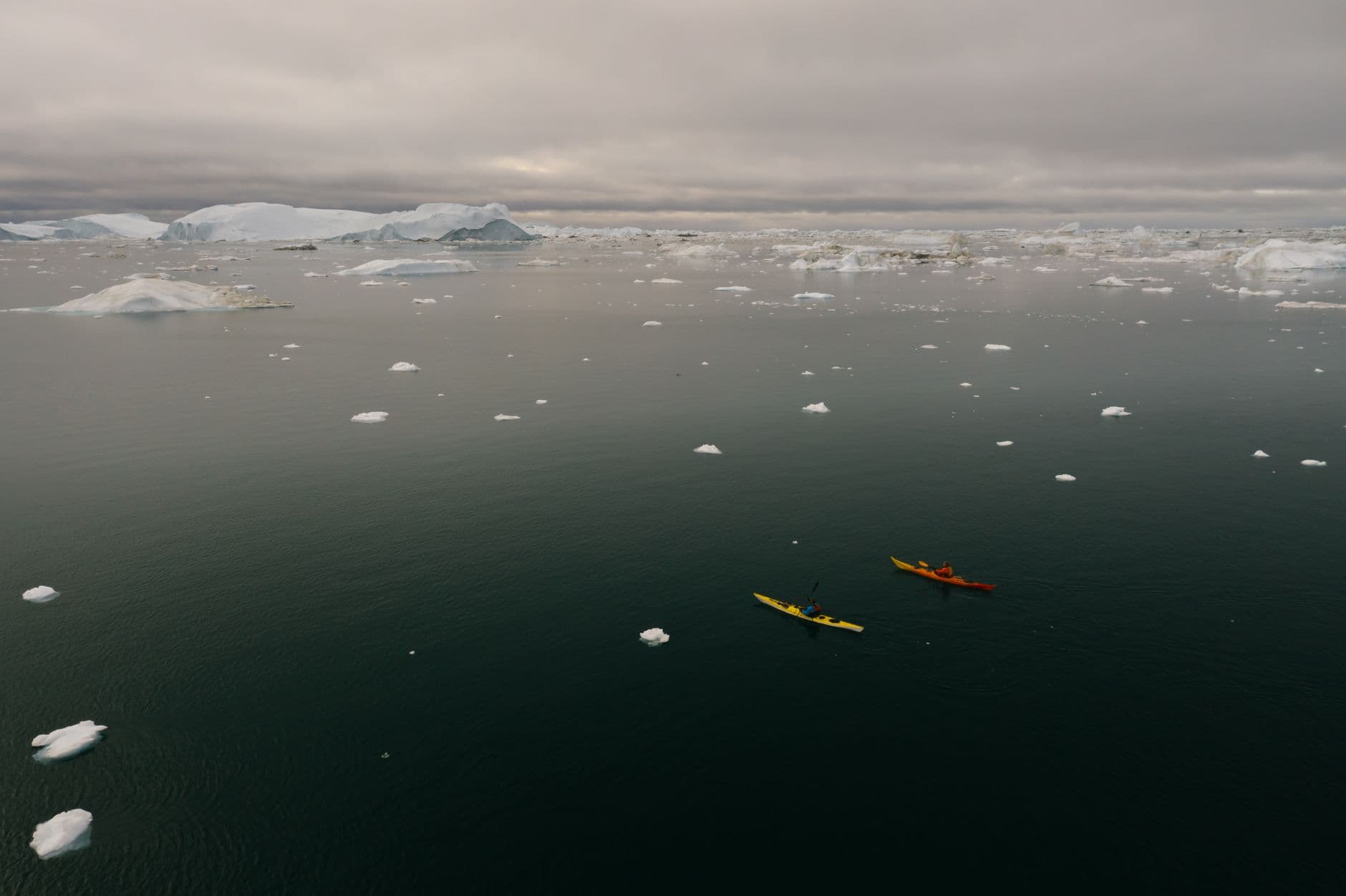
Paddling Through Ice: A Kayaker's Diary of Cierva Cove

Into Cierva Cove: A Sea Kayaker's First Light on the Antarctic Peninsula
The first thing you notice, dropping into a double kayak off the stern of an expedition ship anchored in Cierva Cove, is how loudly your own breath sounds. The engines have gone quiet. The wind, for once, has laid down to almost nothing. What's left is the tick and hiss of brash ice against the hull, the occasional crack of a glacier shedding a slab somewhere back near the Argentine base at Cierva Point, and eight paddles dipping in rough unison. I had crossed the Drake Passage two days earlier to get to this cove on the western side of the Antarctic Peninsula, in the Gerlache Strait region south of Hughes Bay, and none of that crossing had prepared me for how still a place this cold could be.
“You are not paddling on water here. You are paddling through several thousand years of compressed snow that happens to be melting in real time around your hull.”
Four Days From the Beagle Channel to the Ice: The Cierva Cove Diary
Boarding in Ushuaia and the Long Send-Off Down the Beagle Channel
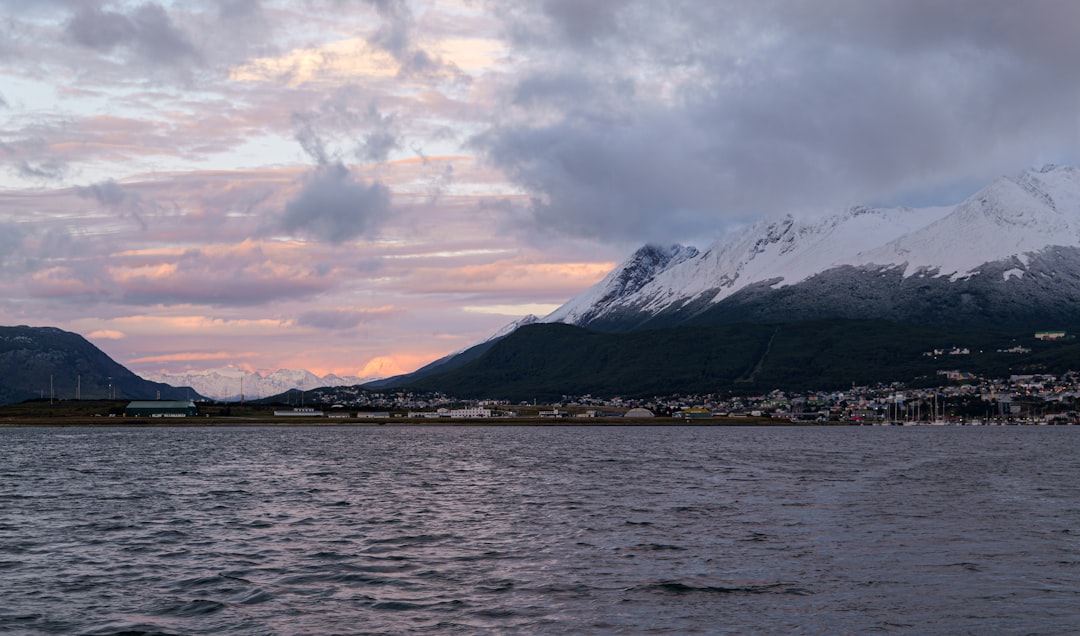
Embarkation happened on a windy afternoon at the Ushuaia pier, where our ship - a 100-to-130-passenger expedition vessel of the kind that runs the Antarctic Peninsula season between November and March - loaded gear, provisions, and a dozen fiberglass double kayaks lashed to the aft deck. Cabin check-in took maybe twenty minutes; the mandatory safety drill and lifeboat muster came within the first hour, before we'd even cleared the Beagle Channel.
For those of us signed up for the kayak program, capped at around 12 to 16 guests per voyage, the real work started that evening: a gear-fitting session in the ship's mudroom, sorting drysuits, neoprene booties, and spray skirts by size. My advisor had booked the add-on months in advance, since spots fill quickly and most operators cap the roster well below the ship's total passenger count.
Two Rolling Days on the Drake Passage and a Cold-Water Rescue Drill
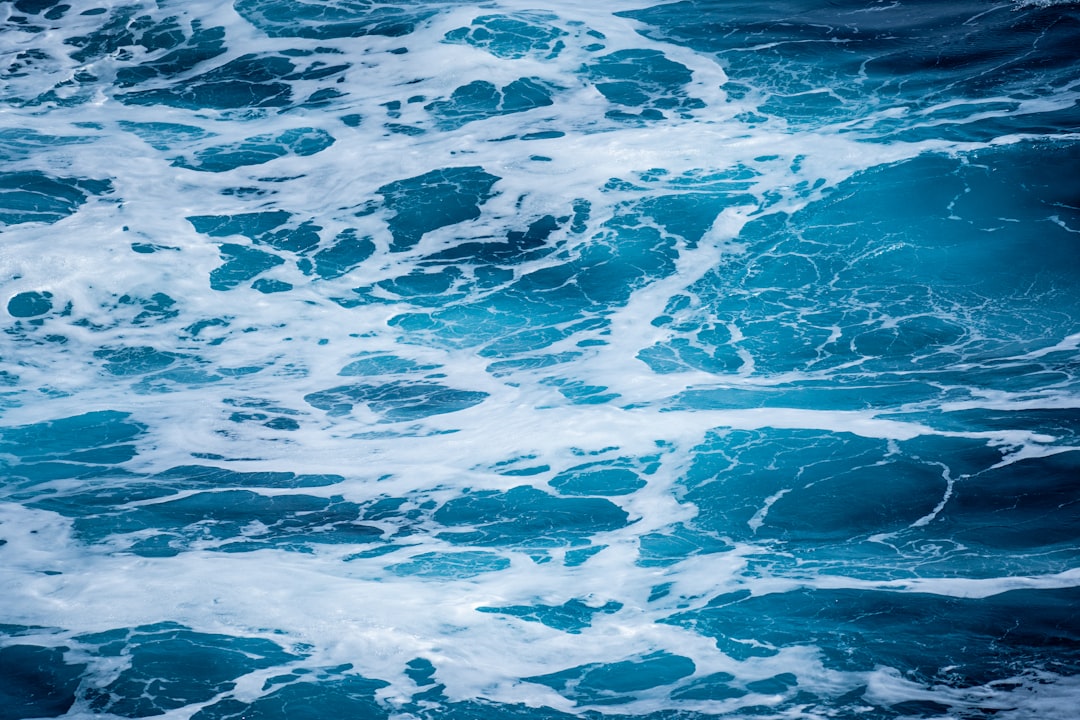
The Drake Passage took the better part of two days to cross, roughly 500 nautical miles of open Southern Ocean between Cape Horn and the South Shetland Islands. We got a moderate crossing - swells in the 3-to-4-meter range, enough to send half the dining room to their cabins but nothing like the 'Drake Shake' stories the crew tell over dinner. Ginger candy and the scopolamine patch from the ship's doctor did more for me than any packing-list hack I'd read beforehand.
On the second day, once conditions allowed, the expedition team ran a full cold-water re-entry drill for the kayak group on the ship's stabilized gangway platform. We practiced the wet exit, the T-rescue with a partner boat, and getting a paddler back into a double kayak from the water - all in drysuits, in air temperatures hovering around 2 to 4 degrees Celsius. It's the kind of drill you hope never to need and are grateful to have run once you're two hours from the nearest ship on flat gray water.
First Strokes in Cierva Cove: Icebergs the Size of City Blocks
We reached the Antarctic Peninsula overnight and woke to find the ship anchored in Cierva Cove, a deep, ice-choked inlet on the Danco Coast near Hughes Bay, not far from the Argentine research station Primavera at Cierva Point. Zodiacs ferried us to a sheltered launch point while a second inflatable, driven by a guide, shadowed our group the entire outing - a standard safety measure, since kayak groups here run at roughly one guide per six to eight guests.
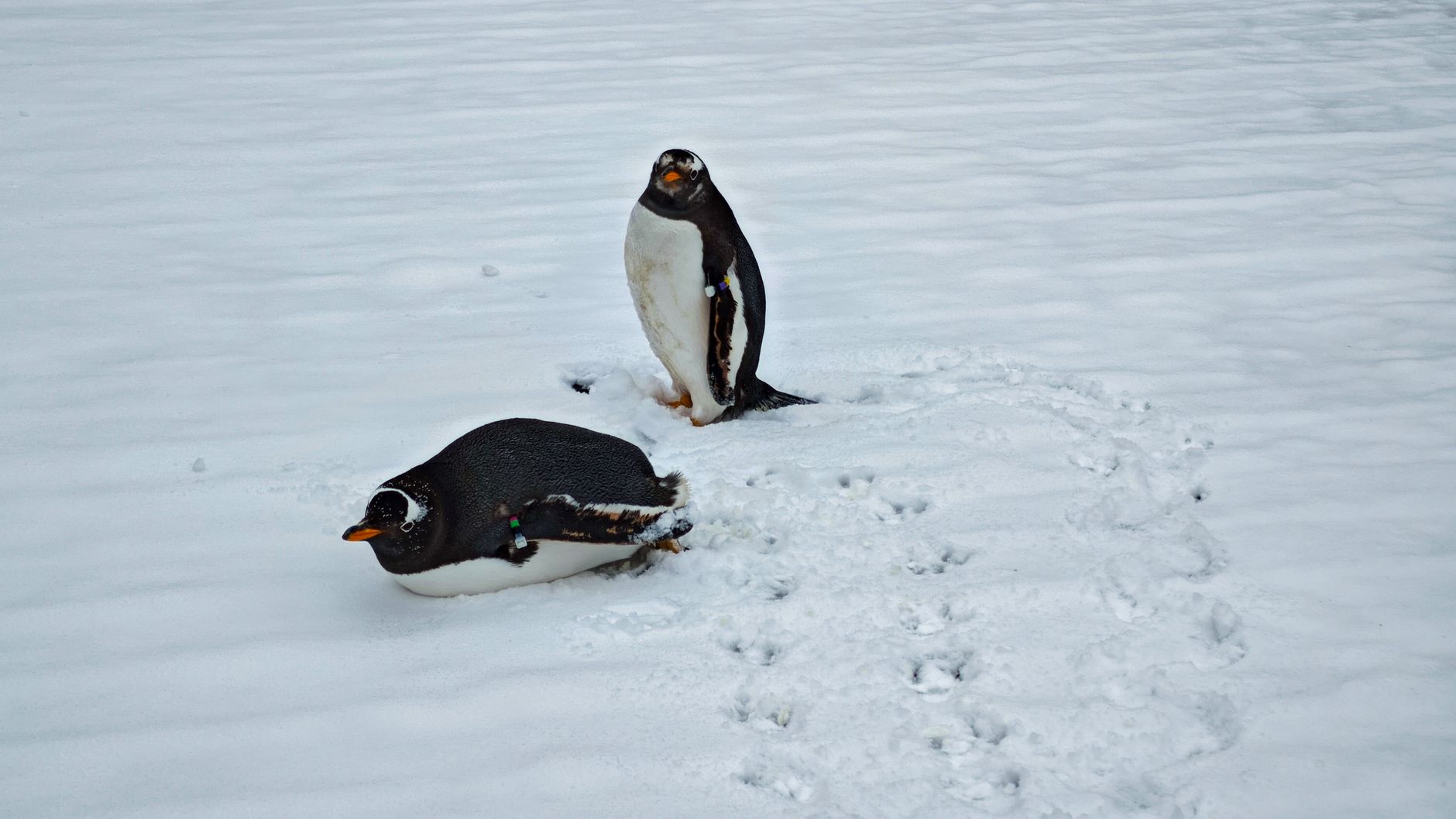
The paddling itself was moderate: flat water, light wind, maybe a 4-kilometer loop over 75 minutes, but every stroke put us within meters of icebergs three and four stories tall, calved from glaciers we couldn't even see around the cove's bend. Gentoo penguins porpoised past our bows in small groups, and a pair of Weddell seals hauled out on a growler watched us drift by without much interest. My hands, even in insulated pogies, went cold within twenty minutes - the water sits at -1 to 1 degree Celsius year-round.
Deeper Into the Cove: A Leopard Seal, a Calving Face, and the Long Silence After
The second Cierva Cove outing pushed further in, toward the grounded bergs near the mouth of the glacier that feeds the cove. Conditions had shifted overnight - a light katabatic wind was pushing brash ice against our hulls, and the guide called an audible to shorten our route by a kilometer for safety. That's the honest truth about kayaking here: the plan on the whiteboard at breakfast is a suggestion, not a schedule, and every guide I paddled with treated a change of wind as reason enough to turn the group around.
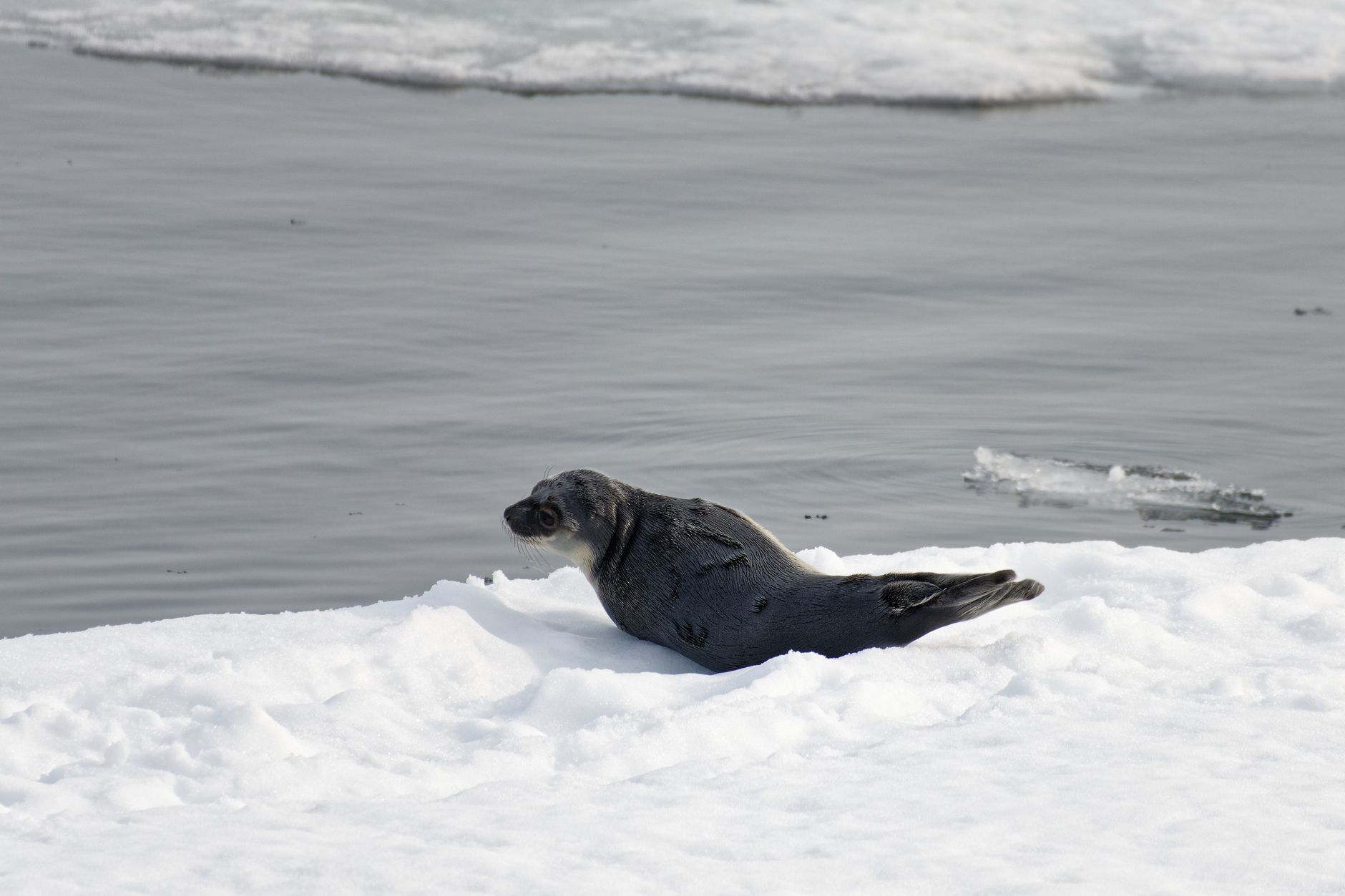
About forty minutes in, someone in the lead kayak spotted a leopard seal hauled out on a flat pan of ice, watching us with the particular stillness that species is known for. We held position at what the guide judged a safe distance - leopard seals are unpredictable near boats and kayaks, and Antarctic guiding protocol keeps a wide, quiet berth rather than approaching. Ten minutes later, a section of the glacier face let go with a crack that sounded like distant artillery, and the resulting swell rocked our kayaks half a kilometer away. Nobody said much on the paddle back to the ship.
Scenes From Cierva Cove
Cordelie travel advisors
Planning Cierva Cove? Go with someone who knows
The right suite, the right season, the reservations that never appear online — your Cordelie advisor knows them, and holds them for you.
Plan with a Cordelie advisorFree to ask. Cordelie Travel Services · IATA/ARC 06649064
Leopard Seals, Calving Ice, and the Cove's Quietest Ten Minutes
If I had to name the single moment that justified the entire trip, it was the ten minutes we sat motionless in our kayaks after spotting that leopard seal, engines and paddles both stilled, nothing moving but a light current pulling brash ice past our hulls. Antarctica rewards patience more than motion; the guides know this, and the best outings had long stretches of drifting rather than paddling hard.
A close second was the light itself. In the Southern Hemisphere summer season that runs roughly November through March, the sun barely dips below the horizon around the December solstice, though it sets properly at either end of the season, and the low-angle glow around 9 or 10 p.m. turned the icebergs in Cierva Cove the color of raw honey. No two evenings looked the same - one night brought flat calm and gold light, the next a sudden squall that scrapped a planned outing entirely. That unpredictability is worth building into expectations before you book: a kayak program on the Peninsula runs on weather windows, not a fixed daily agenda.
Warm Soup After Cold Water: Eating Well Aboard an Antarctic Expedition Ship
Nobody signs up for a Cierva Cove kayak program for the food, but the ship's galley earns its keep after a cold outing. Most expedition vessels running this route serve a buffet breakfast and lunch with a set-menu dinner, and the kitchens lean hard into the kind of food that makes sense at 62 degrees south: thick soups, roasted meats, fresh bread baked daily since resupply isn't an option mid-voyage. On our ship, a bowl of pumpkin soup and a mug of mulled wine were waiting in the lounge within minutes of the last kayak coming back aboard - a small ritual that every guide and crew member seemed to take seriously.
Dinner tended toward Argentine and Chilean influences given most departures sail from Ushuaia - grilled Patagonian lamb, empanadas as a starter, a decent Malbec list from Mendoza. Portions run generous, which makes sense once you've burned through a morning of cold-water paddling; expect to eat more at sea than you would at home, and to welcome it.
Kayak programs on Antarctic Peninsula voyages are capped well below the ship's total capacity, often to a dozen or so guests for the entire sailing, and they sell out on the popular November-through-March season well ahead of departure.
A Cordelie advisor can secure your cabin category, your kayak program berth, and the right departure window for calmer Drake Passage crossings, so your trip to Cierva Cove is built around the experience you actually want rather than whatever's left when you call. Reach out at cordelie.com/contact to start planning.
Is a Cierva Cove Kayak Program Worth the Booking?
An unforgettable, physically demanding add-on best suited to travelers who want close, quiet contact with the ice rather than another scenic overlook.
This is a trip for adventurers who want to feel the Antarctic Peninsula rather than just photograph it from a Zodiac. Expect moderate paddling difficulty on calm days and real physical demands - cold hands, tired shoulders, and the occasional shortened route when the wind turns.
Best suited to travelers in reasonably good fitness who don't mind a drysuit, are comfortable around wildlife at a respectful distance, and can handle the emotional weight of true silence broken only by calving ice. Skip it if motion sickness on the Drake Passage or claustrophobia in a cold-water rescue drill sounds like a dealbreaker - the ship-based Zodiac tours cover the same wildlife with far less physical commitment.
Last checked for accuracy: . How we check

Marcus Rivera has spent fifteen years writing about places you have to walk into. He has guided in Patagonia, reported from Kilimanjaro's quieter routes, and has strong opinions about which of them are worth the airfare. He is based in Boulder, mostly so he can leave it.