
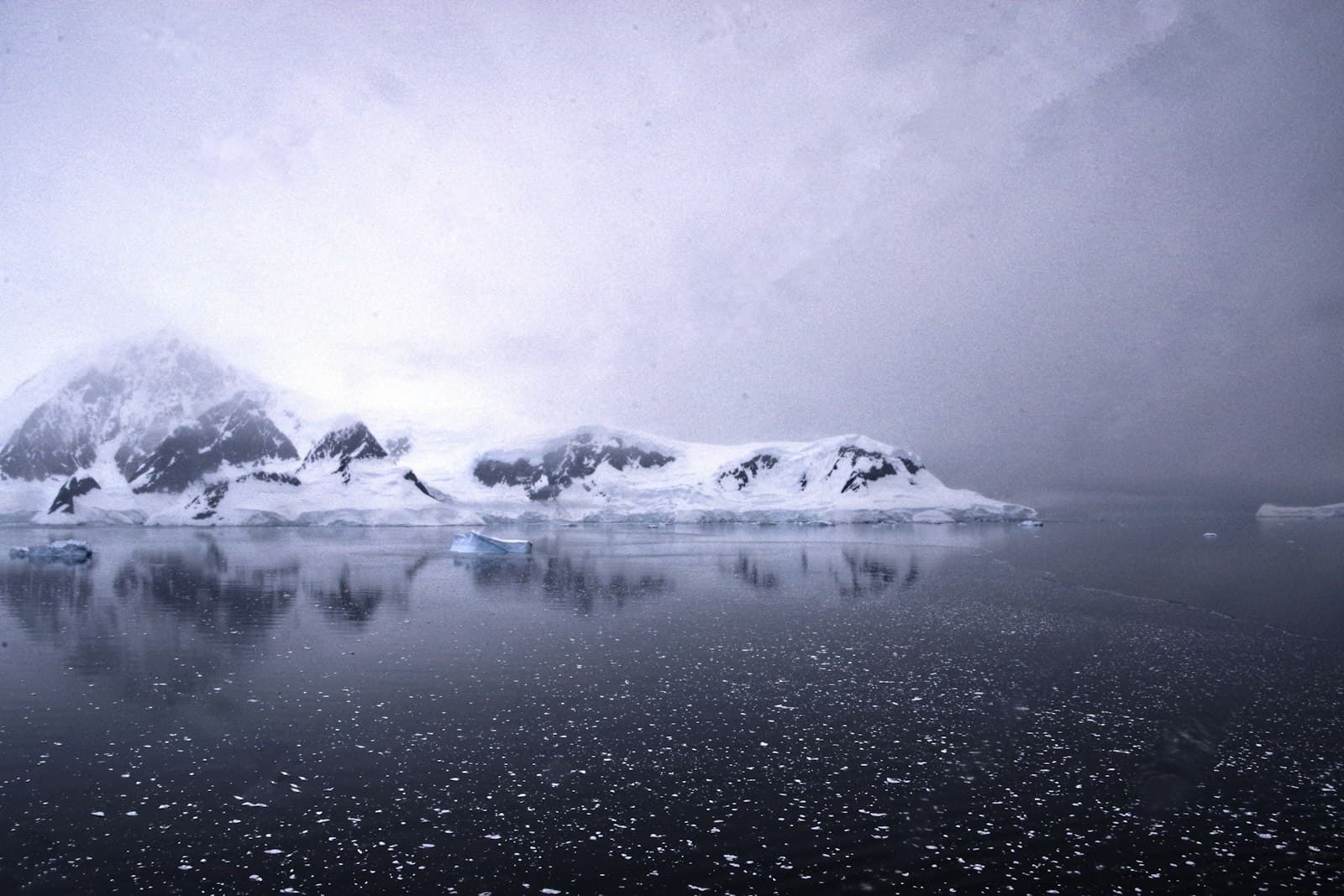
Paddling Among Giants: A Kayaker's First Encounter with Antarctic Icebergs in Wilhelmina Bay
Wilhelmina Bay: Where the Antarctic Peninsula's Silence Has Weight
The Zodiac driver cut the engine about forty meters out, and the guide told me to stop paddling and just listen. I did, and the quiet that followed had actual weight to it, the kind that presses on your ears rather than simply the absence of sound. Wilhelmina Bay sits on the western side of the Antarctic Peninsula, tucked behind the Reclus Peninsula and Astrolabe Island off the Gerlache Strait, and in the austral spring humpback whales pack into it to feed on krill in numbers that made our expedition leader keep revising her count upward through the week.
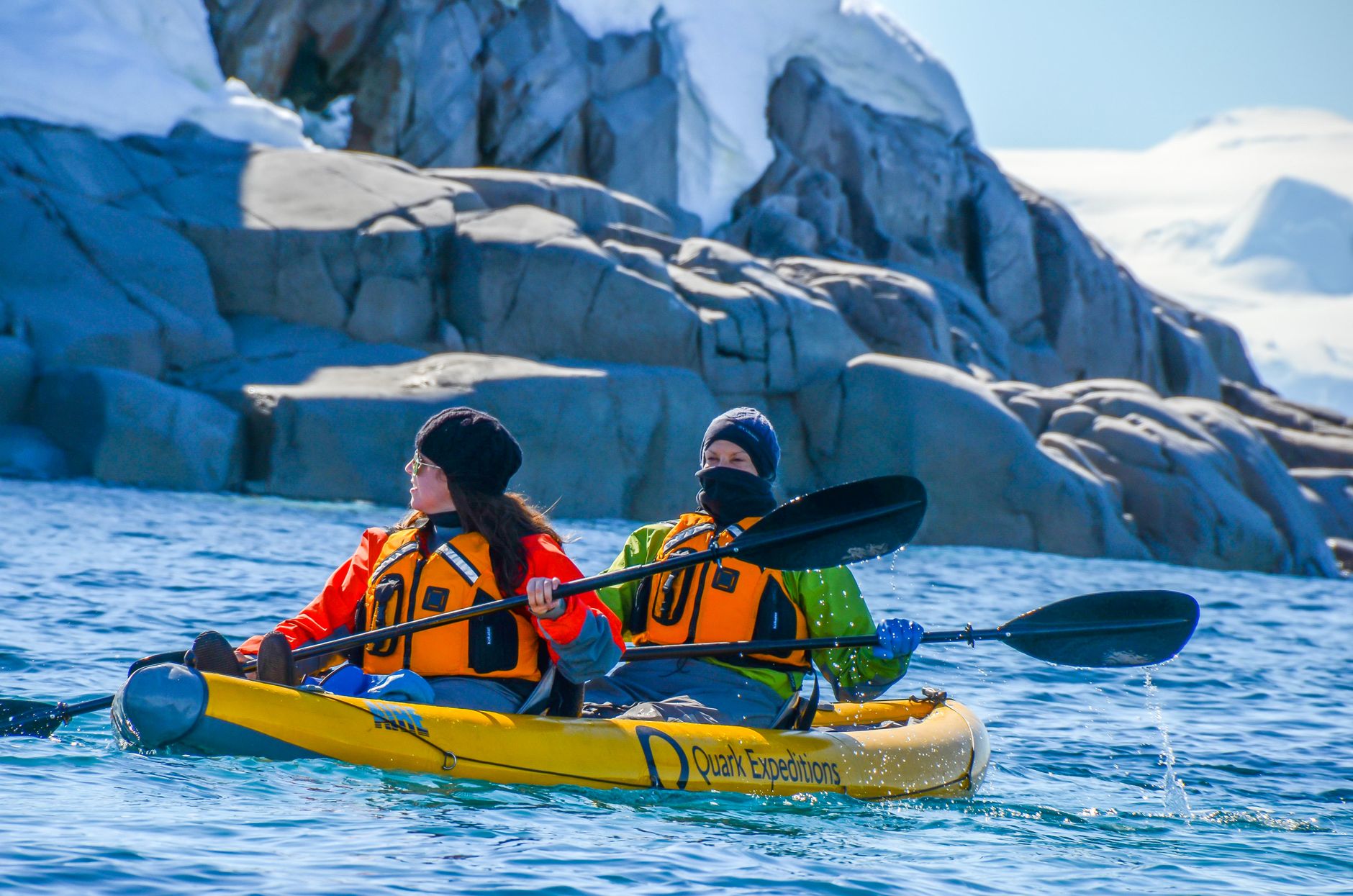
I had signed up for the kayak add-on on Quark Expeditions' Ultramarine mostly to see icebergs from water level instead of a ship's deck. What I got, forty minutes into my first paddle, was a humpback surfacing eight meters off my bow, close enough that I felt the spray from its blow before I heard it. My hands, already stiff inside three-millimeter neoprene gloves, forgot to be cold for a few seconds. That's the trade this trip asks you to make, over and over: real physical discomfort in exchange for moments no ship's railing will ever give you.
“I had trained for cold water and capsize drills. Nobody trains you for the sound an iceberg makes when it decides, without warning, to roll.”
Four Days Between Cuverville Island and Enterprise Island: The Wilhelmina Bay Kayak Program
Ushuaia to the Gerlache Strait: Crossing the Drake and Suiting Up
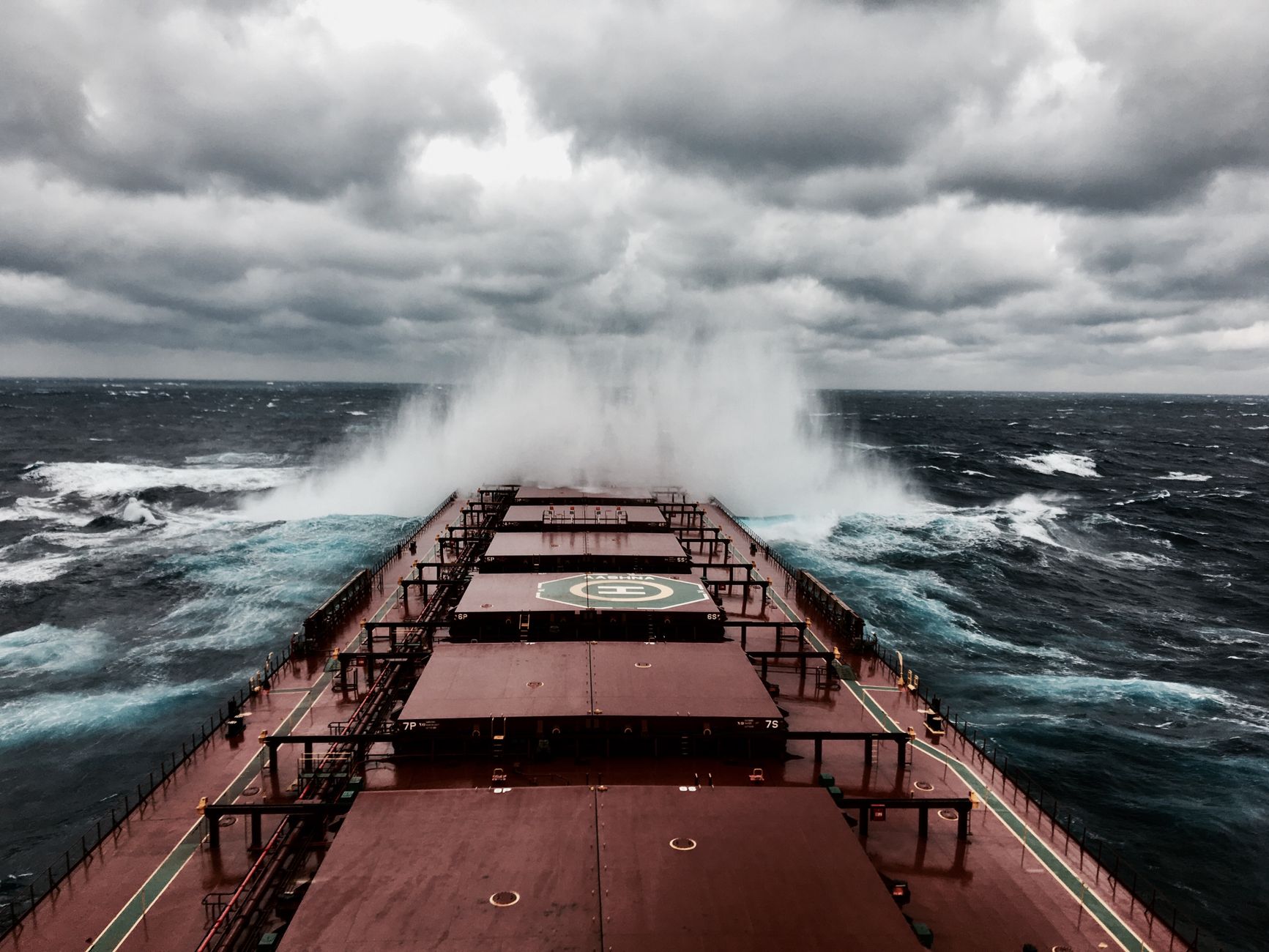
The kayak program begins two days before you ever touch a paddle, during the roughly 800-kilometer, two-day crossing of the Drake Passage out of Ushuaia, Argentina. Quark Expeditions' Ultramarine caps its kayak program at around ten guests per departure, and on the second morning at sea the kayak guides pulled all ten of us into the ship's mudroom for dry-suit fitting and a wet-exit drill in the indoor pool.
By early afternoon the ship had threaded the Gerlache Strait and Cuverville Island came into view off the port side, our first real look at the Antarctic Peninsula's coastline. We didn't launch that day; the guides wanted calmer water for a first outing. The briefing made one thing clear early: the schedule here bends to wind and ice, not to the printed itinerary.
First Launch: Threading Icebergs Off the Reclus Peninsula
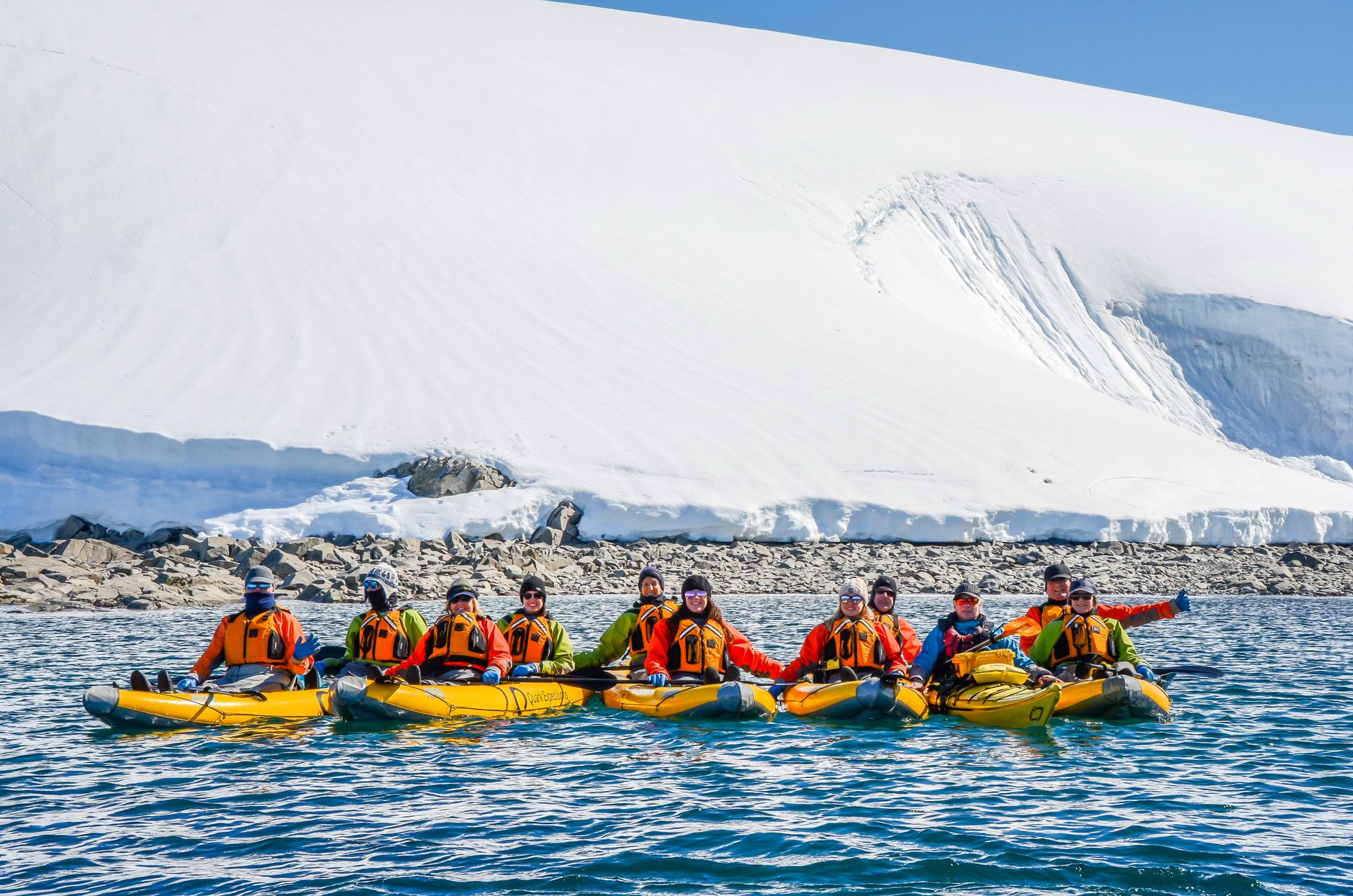
Our first launch came the next morning, lowered by Zodiac davit into water reading close to -1°C, with air temperature hovering just above freezing. Six of us paddled in a loose line behind a guide, staying inside a roughly 5-kilometer stretch of coastline while a second guide shadowed us in a Zodiac carrying a spare paddle, a throw bag, and the radio that connects the group to the bridge.
The icebergs here are mostly tabular chunks calved from the peninsula's glaciers rather than the jagged sea ice you picture from photographs. Paddling around one the size of a house, hearing it groan and shift, was the first moment the trip felt genuinely wild rather than scenic. A humpback surfaced twice within 50 meters of the group before the guide called us back toward the ship for lunch.
The Leopard Seal on the Ice Floe, and the Paddle That Got Cancelled
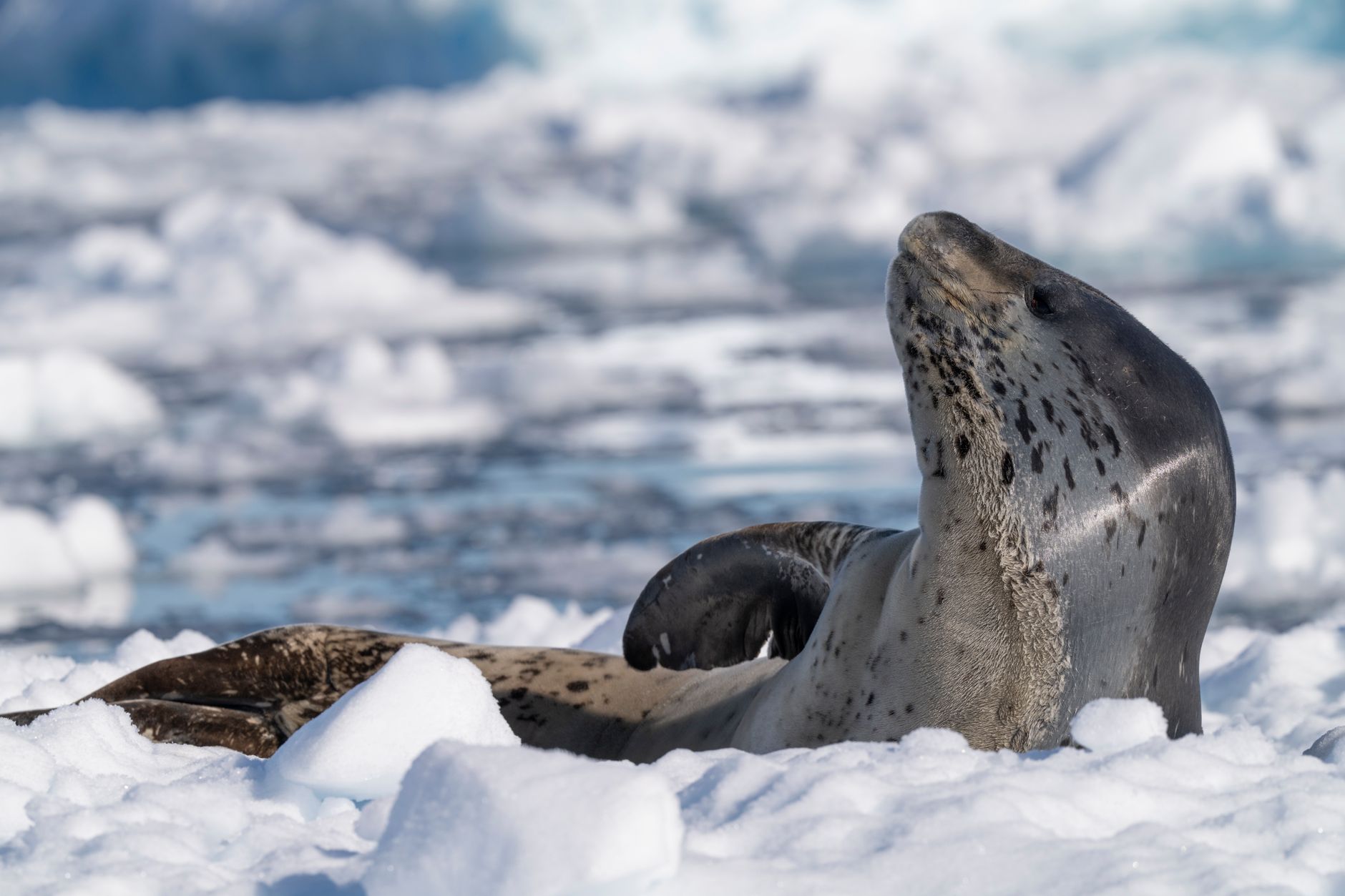
The best wildlife encounter of the trip happened before we'd paddled a kilometer. A leopard seal lay hauled out on a floe of brash ice, and our guide held the group at a distance of at least 100 meters, explaining that leopard seals can move fast off ice and that the distance rule exists because of it, not out of excess caution. We watched it lift its head twice, unbothered, before drifting back to sleep.
The afternoon session never happened. Winds climbed to 25-30 knots while we were at lunch, and the expedition leader scrubbed the second paddle over the ship's PA before we'd even suited back up. Kayaks went back on their racks, and the alternative was a Zodiac cruise along the same stretch of coast. It was good. It was also a different trip entirely from being at paddle height.
Enterprise Island and a Last Paddle Among the Whaling Wrecks
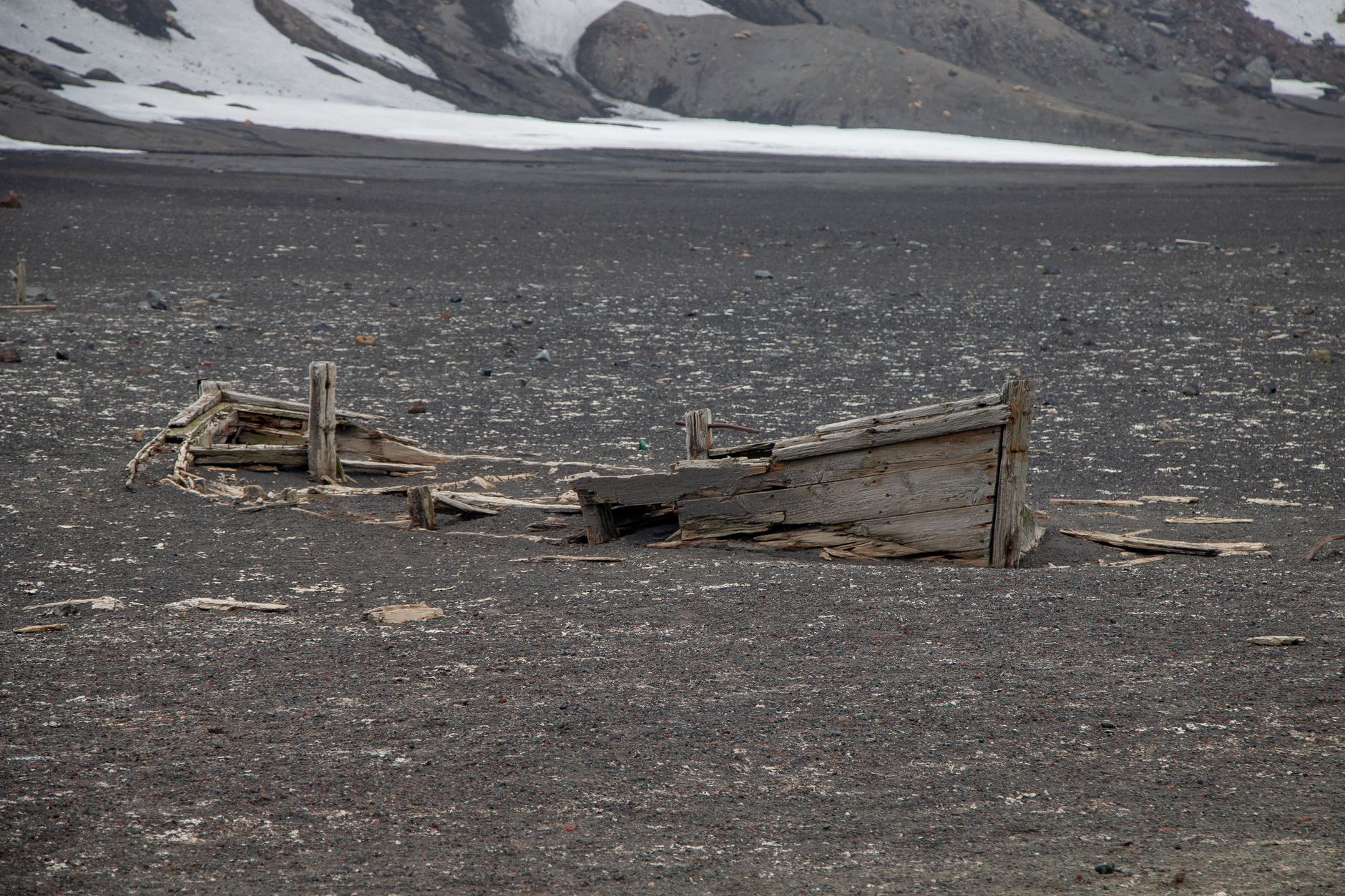
The final kayak day took us to Foyn Harbour, near Enterprise Island, where the rusted hull of the Guvernøren still leans above the waterline. The Norwegian whaling factory ship ran aground and burned here in 1915, and paddling past its ribs, with cormorants nesting on what's left of the deck, made the bay's industrial history feel closer than any lecture in the ship's lounge had managed.
We had a calm 90-minute window before the wind returned, and the guides used it well, leading us toward open water where a small group of humpbacks was bubble-net feeding roughly 200 meters off our bow. Watching four whales surface together, mouths open, krill spilling from the edges, was the moment everyone on the trip named later as the one they'd tell people about first.
Wilhelmina Bay, From Kayak Height
Cordelie travel advisors
Planning Wilhelmina Bay? Go with someone who knows
The right suite, the right season, the reservations that never appear online — your Cordelie advisor knows them, and holds them for you.
Plan with a Cordelie advisorFree to ask. Cordelie Travel Services · IATA/ARC 06649064
The Moment a Humpback Surfaced an Arm's Length From My Kayak
Every paddler on this trip names a different moment as the one that stuck, and that's part of what makes Wilhelmina Bay worth the extra line item on the invoice. For me it was the crack, a sound like a rifle shot, that came from an iceberg recalibrating its balance about 30 meters off my bow, followed by a wave that rocked the whole group's kayaks a full ten seconds later. Sound travels differently over flat, cold water, and nothing in a lecture about glaciology prepares you for how much it startles you the first time it happens.
The leopard seal on the ice floe ran a close second, mostly because of how unbothered it was by ten strangers in bright dry suits staring at it from 100 meters out. There's a quieter standout too, one that doesn't photograph well: the total absence of engine noise once the Zodiac guide cut power to let us drift. On a continent with no residents and no ambient hum, that silence is its own kind of encounter, and it's the thing I still think about more than the whales, if I'm honest about it.
Hot Soup and a Warm Bar Aboard the Ultramarine
Nobody books an Antarctic kayak trip for the food, but the Ultramarine's galley earns its keep on exactly the days you need it to. After a two-hour paddle in near-freezing water, the crew has bowls of hot soup, usually a pumpkin or a seafood chowder, waiting in the mudroom before you've even peeled off your dry suit. The ship's Panorama Lounge runs a standing pot of mulled wine through the late afternoon, and dinner in the main dining room leans toward simple, well-executed plates: grilled Patagonian lamb, a rotating fish course, and a soft-serve station that gets more attention than it probably should on a continent this cold.
The real ritual is the debrief over dinner, when the expedition leader runs through the next day's ice and wind forecast and the kayak guides let you know quietly whether tomorrow's paddle is likely to happen at all. It's not fine dining, but it's the right food for the day you've had. After Day 3's cancelled afternoon session, a second glass of Malbec did more for morale than anything on the printed menu.
The Wilhelmina Bay kayak add-on is capped at a small number of guests per sailing, often ten or fewer, and on popular November and December departures those spots go early, sometimes before the ship itself sells out. A Cordelie advisor can flag which departures pair the strongest kayak-friendly weather windows with the right cabin category, and can secure your place in the program at the time of booking rather than leaving it to a shipboard lottery once you're already at sea.
They can also help you weigh the peninsula's kayak-focused sailings against broader expedition itineraries, so the days built around Wilhelmina Bay and Enterprise Island land exactly where you want them within a longer Antarctic trip. Reach a Cordelie advisor at https://cordelie.com/contact to start planning.
Should You Add the Wilhelmina Bay Kayak Program to Your Antarctic Trip?
Worth it for fit, physically capable travelers who want the Antarctic Peninsula from water level rather than a ship's deck.
This is not a gentle add-on. You'll be in a dry suit in near-freezing water for 60- to 90-minute sessions, conditions cancel roughly one outing in three or four on a typical week-long peninsula sailing, and the program suits paddlers who can self-rescue and handle a wet-exit drill without panic. If that's you, the reward is real: whale encounters at kayak height, iceberg silence you don't get from a Zodiac, and four days that will outlast every photo taken from the ship's bow.
Budget an extra USD 1,200-1,800 on top of your cabin fare for a multi-day kayak program on most operators, book it at the same time as your cabin, and travel in the November-to-March Antarctic season when ice conditions in Wilhelmina Bay are most workable for launching.
Last checked for accuracy: . How we check

Isaac Reid has spent fourteen years on ships and on foot in the places weather still decides. He sailed his first Drake Passage as an expedition assistant and has since made the crossing more than thirty times, between seasons trekking in Nepal and Patagonia. He writes about what these trips actually ask of a traveller — the days that get cancelled, the kit that matters, the difference between a landing and a cruise-by — and thinks the honest version sells them better than the brochure does.