
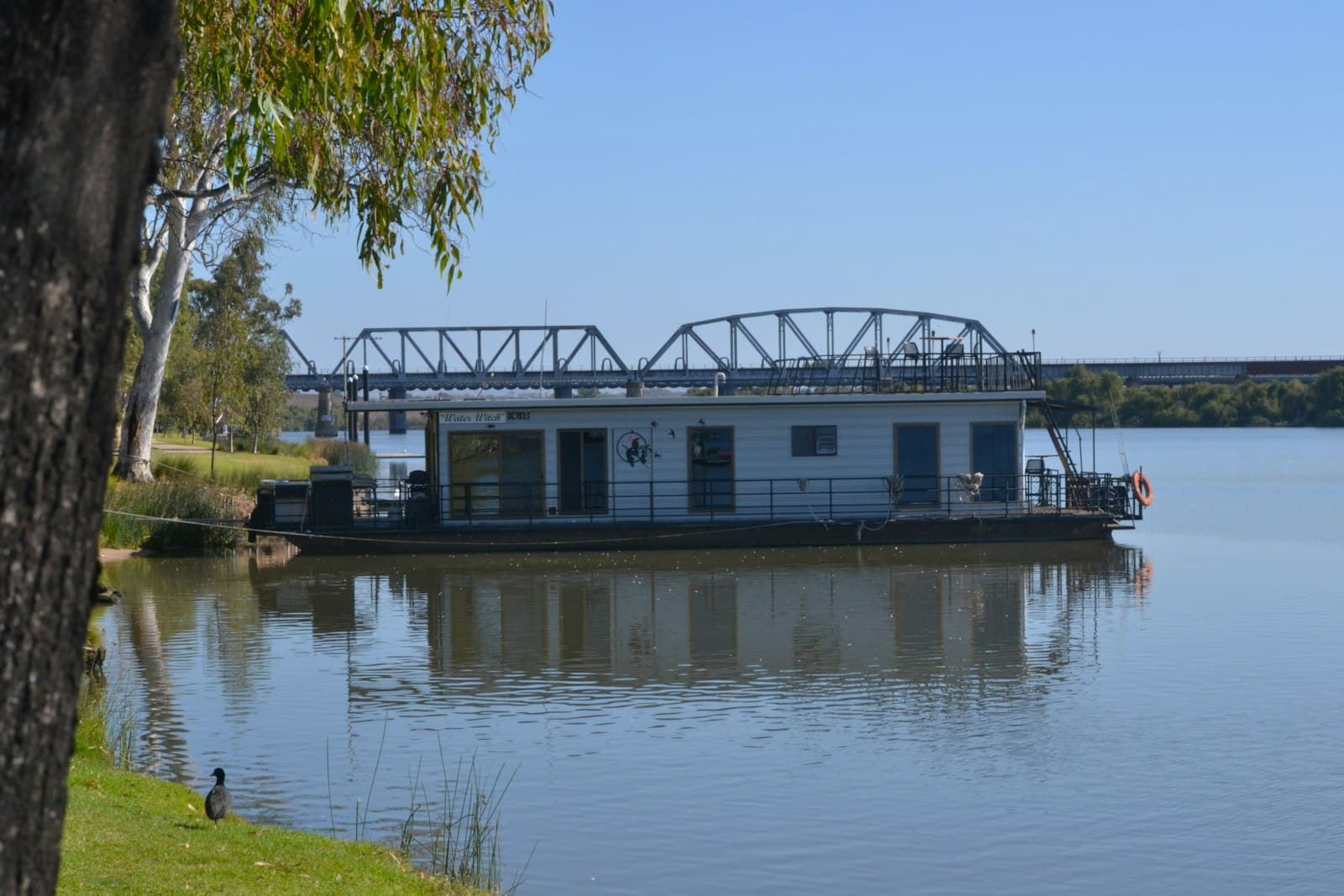
Paddle-Wheeling Through the Outback: A Week Aboard the PS Murray Princess

Where the Red Gums Meet the Water: A Spring Morning on the Murray
The first sound on the Murray isn't the slap of waves against a hull. It's a currawong, somewhere back in the red gums, calling into mist that hasn't yet decided whether to lift. I'm standing on the top deck of the PS Murray Princess at around 6:40am, about ninety minutes upstream from Mannum, and the river is doing the thing it does best: nothing at all, very slowly.
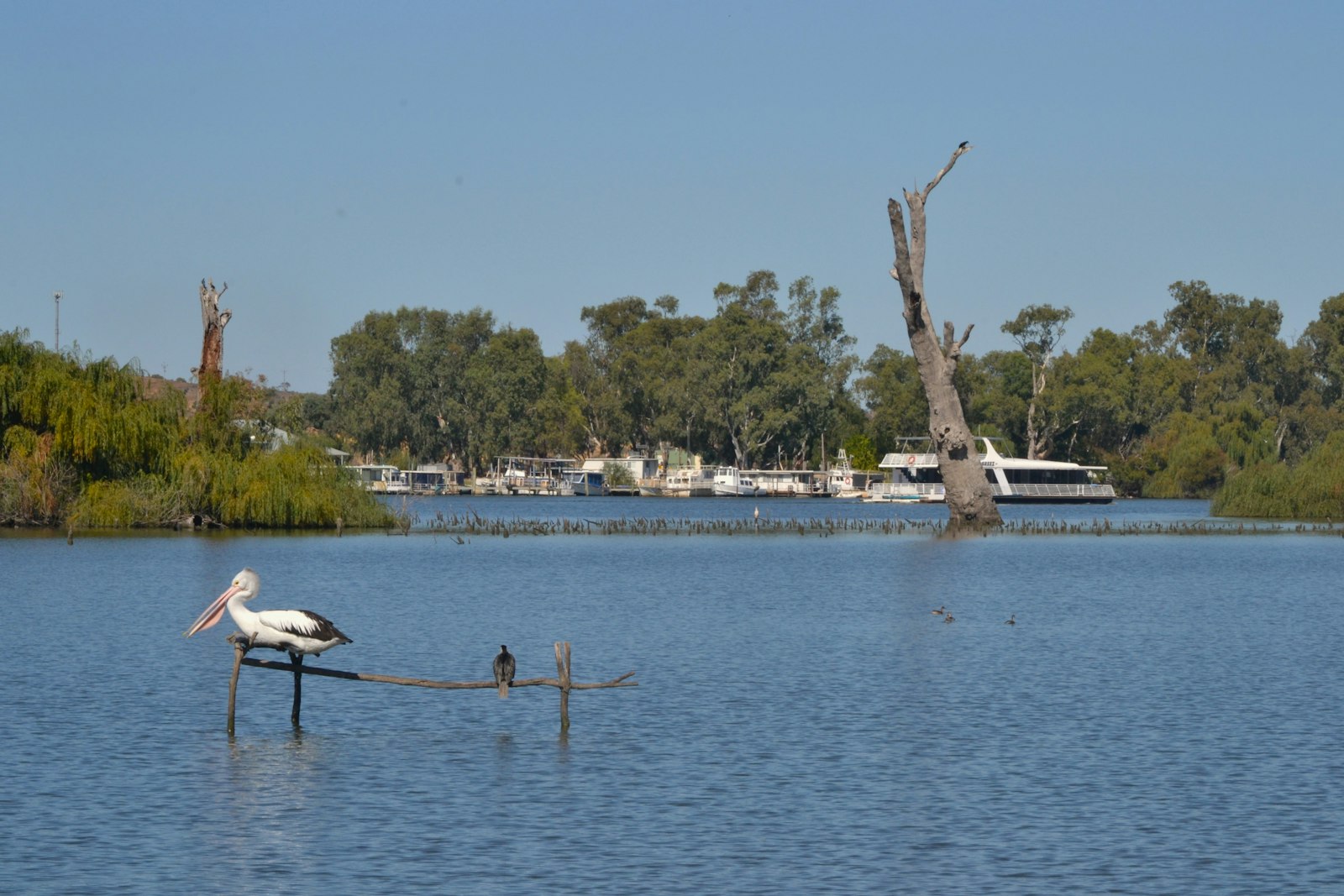
A pelican lifts off the water maybe thirty metres from the bow, unhurried, as if it has somewhere to be but no reason to rush. Downriver, kangaroos graze a limestone flat where the gums thin out. Nobody on deck says much. After a decade of writing about cruise ships that pitch and roll their way across open ocean, this is a different kind of travel altogether, and it takes a day or two to trust it.
“You don't cruise the Murray so much as drift into a different pace of thinking.”
Five Days and Five Towns: The Slow Road from Mannum to Renmark
Mannum: Boarding Australia's Largest Paddle-Wheeler
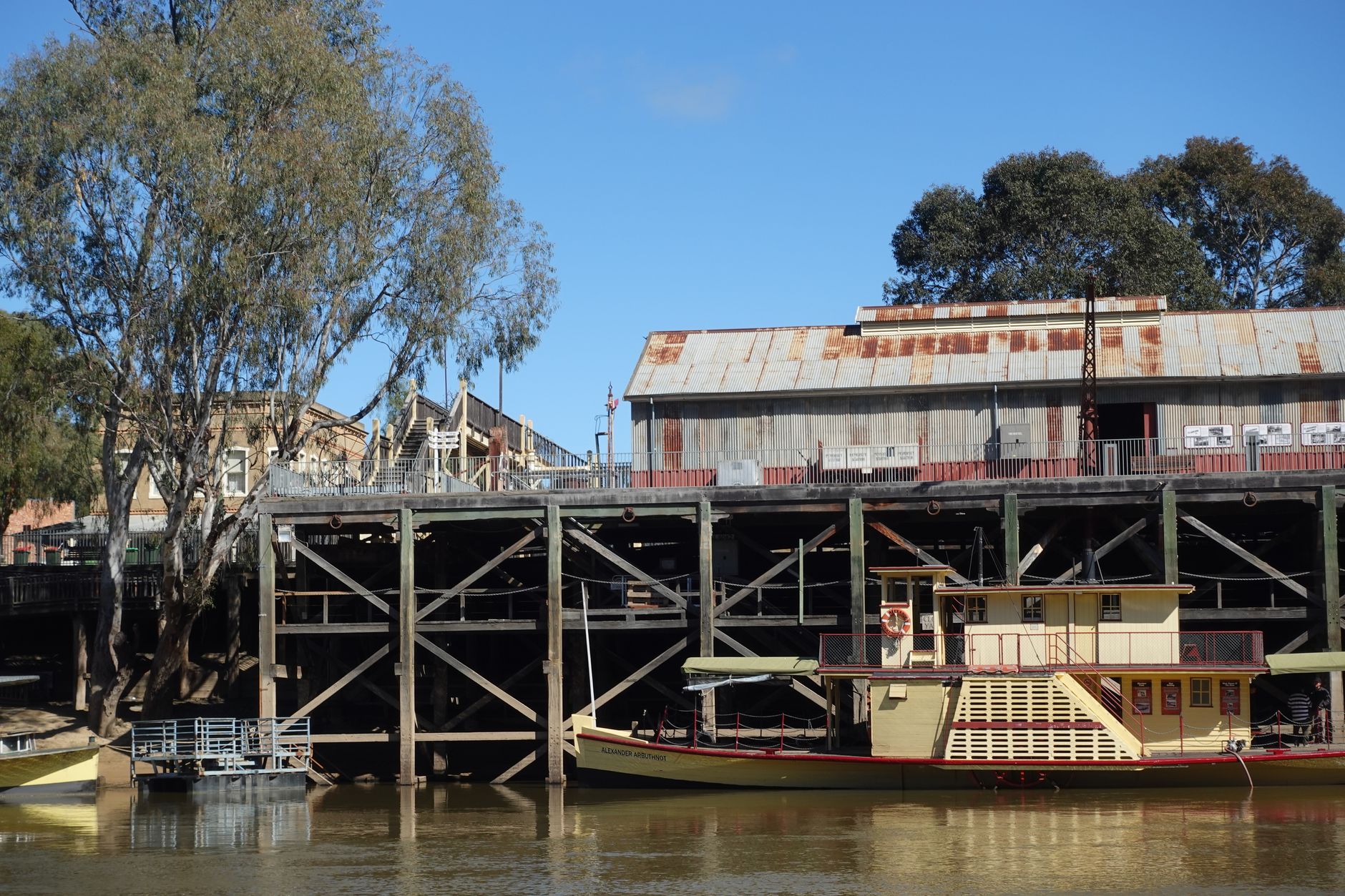
Mannum sits about 84 kilometres east of Adelaide, roughly an hour by road, which makes it the easiest river town in South Australia to reach and the obvious embarkation point for the PS Murray Princess. Most passengers arrive by coach transfer timed around midday, leaving time to wander the Mary Ann Reserve and look over the PS Marion, a paddle steamer built in the 1890s that now sits as a static exhibit by the water.
Boarding happens mid-afternoon, cabins allocated, and by around 4:30pm the ship eases off the wharf and swings upstream. The sun deck fills quickly for departure: a loop of applause from locals on the bank, a toot from the steam whistle, and the first of what will be five or six consecutive sunset drinks on open water with no coastline in sight.
Purnong and Walker Flat: Into the Red Gum Forest
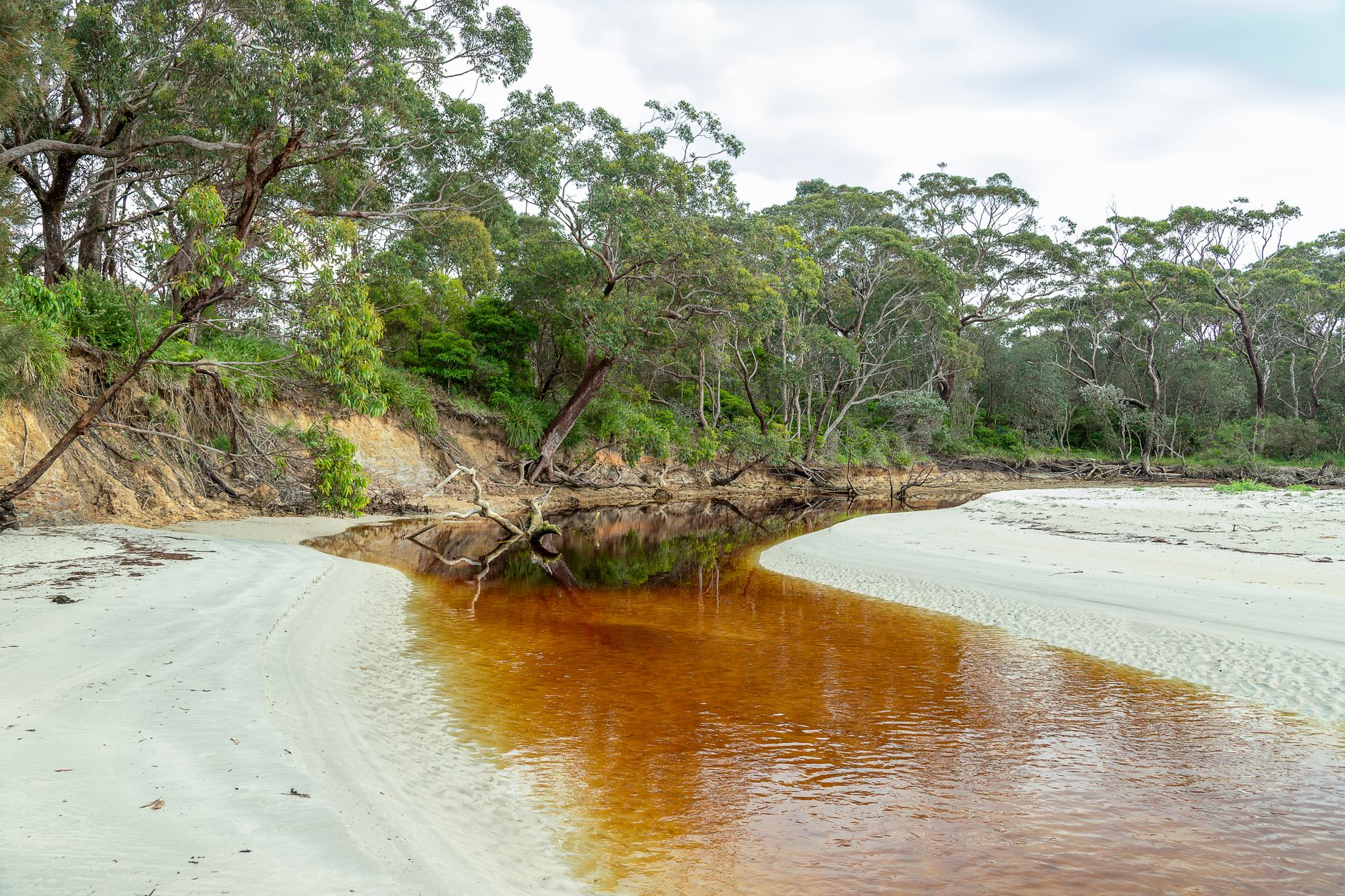
The second day is given over almost entirely to the river itself. The channel narrows past Purnong and Walker Flat, and the red gums close in on both banks, their roots gnawed pale by decades of flood and drought. This is where the wildlife spotting earns its reputation: grey kangaroos on the open flats in the cooler hours, and pelicans working the shallows in loose, unbothered rafts of a dozen or more.
A mid-morning shore excursion in the ship's tender takes small groups into a backwater lagoon that the paddle-wheeler itself can't reach, dead quiet except for the occasional corella screeching overhead. Lunch back aboard is a barbecue on the rear deck, the only cruise lunch I've eaten anywhere with a view of nothing but gum trees on either side.
Morgan and Lock 1: A River Town Built on Trade
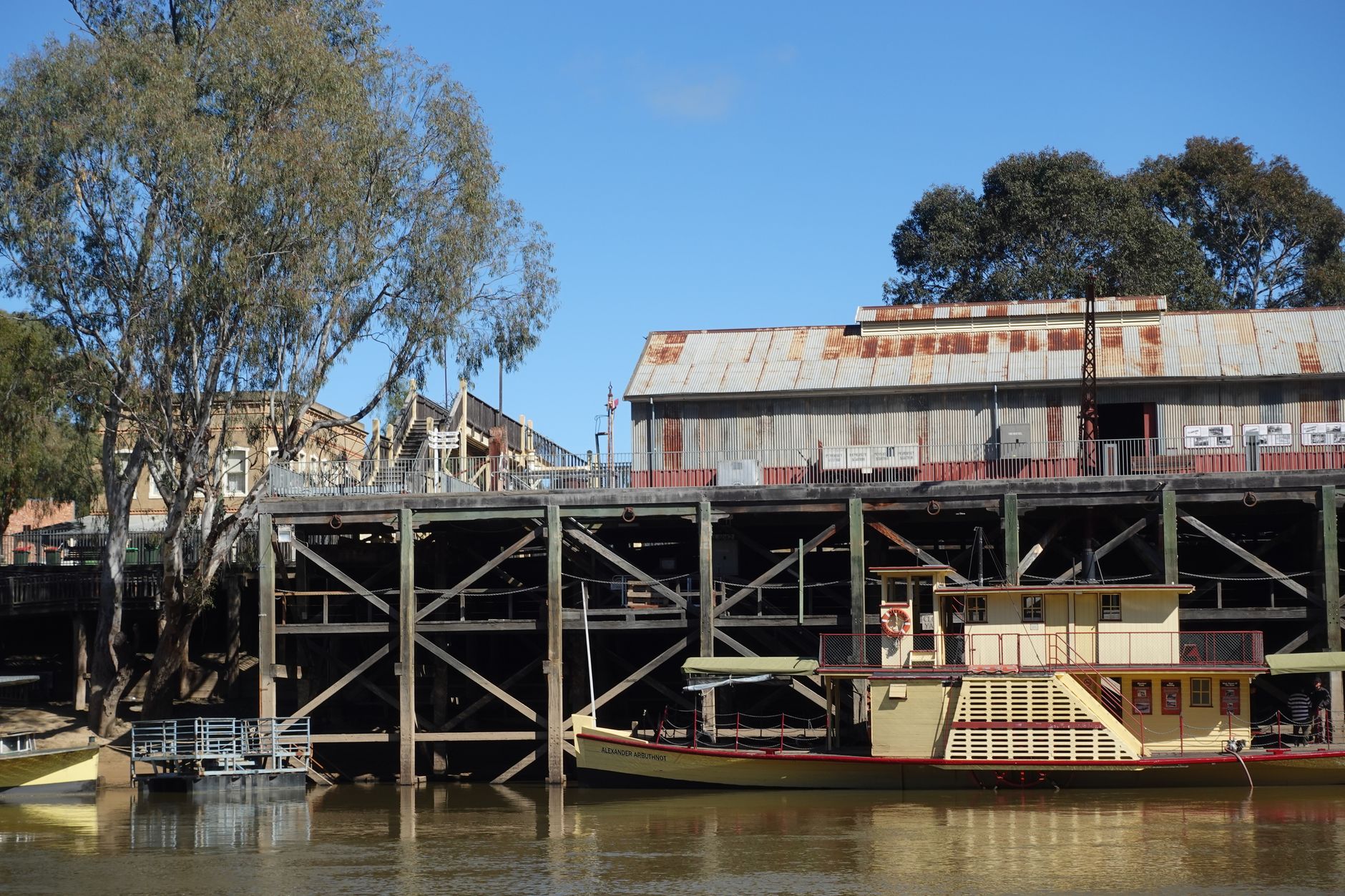
Morgan was once one of the busiest inland ports in the country, where paddle steamers transferred wool and wheat onto trains bound for Port Adelaide. The old railway wharf still stands, and a short walk along the riverfront takes you past rusted cranes and the restored railway station, now a small museum open most days from around 10am to 3pm.
The afternoon's shore excursion heads to Lock 1 at Blanchetown, the first of fourteen lock and weir structures built between the 1920s and 1930s to keep the upper Murray navigable through dry seasons. Watching a houseboat drop through the chamber, water falling away in stages, is a small, satisfying piece of engineering theatre that has nothing to do with tides and everything to do with holding a river at a working depth.
Banrock Station: Wetlands, Vines and a Boardwalk Through the Bush
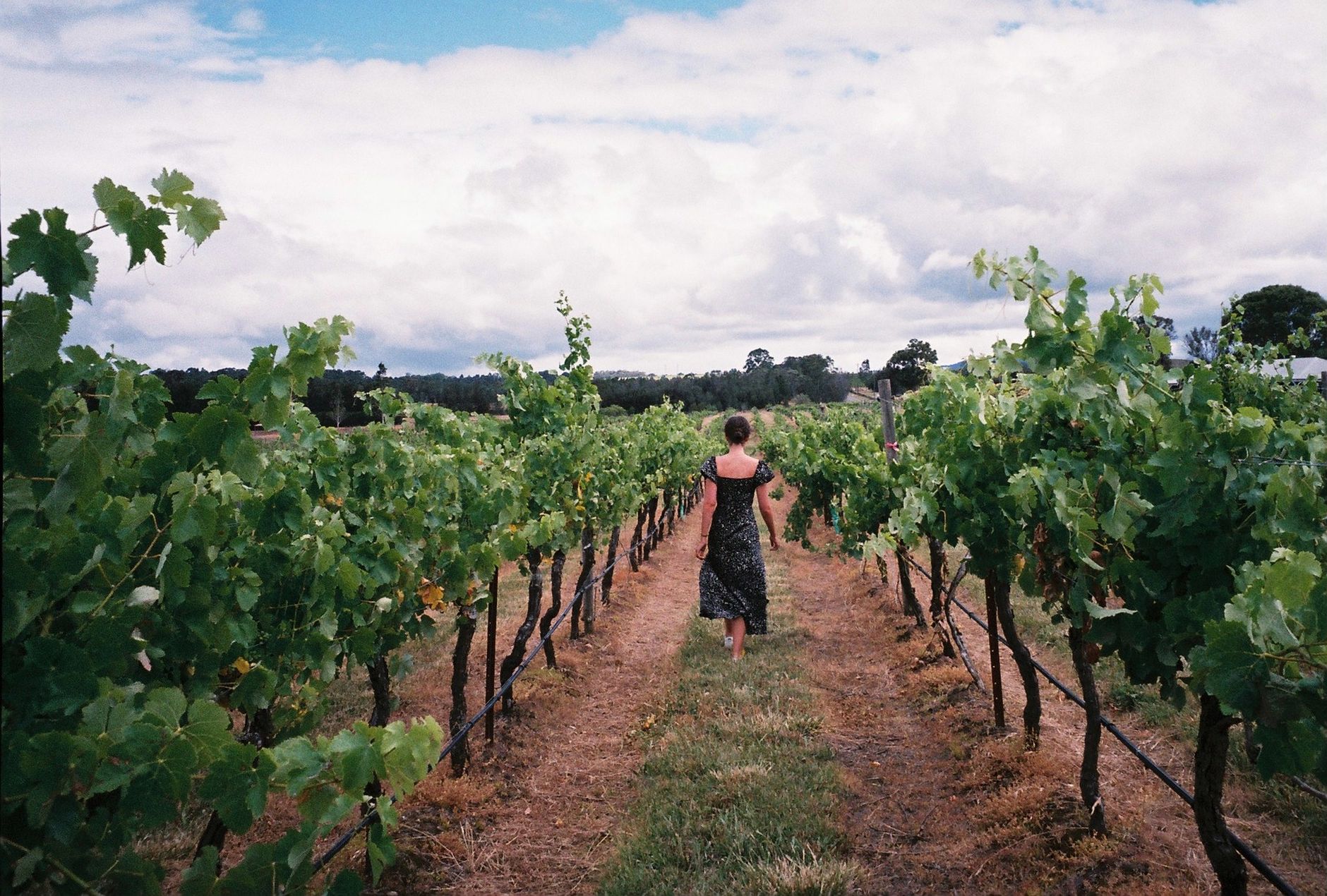
Banrock Station sits near Kingston-on-Murray, roughly midway between Waikerie and Renmark, and it's the cruise's one proper winery stop. A coach meets the ship at a riverside landing and climbs a short rise to the cellar door, where the real draw is the wetland boardwalk: a loop of a couple of kilometres through reed beds and lignum, with ibis and darters working the shallows below.
Back at the cellar door, a tasting flight of four or five wines runs maybe AUD 10 to 15 (recent seasons), often waived against a bottle bought on the way out. It's not the Barossa, and nobody pretends otherwise, but the Riverland's warm, irrigated vineyards produce honest, well-priced shiraz and chardonnay that taste exactly like where they were grown.
Renmark: Turning Point on the Riverland's Edge
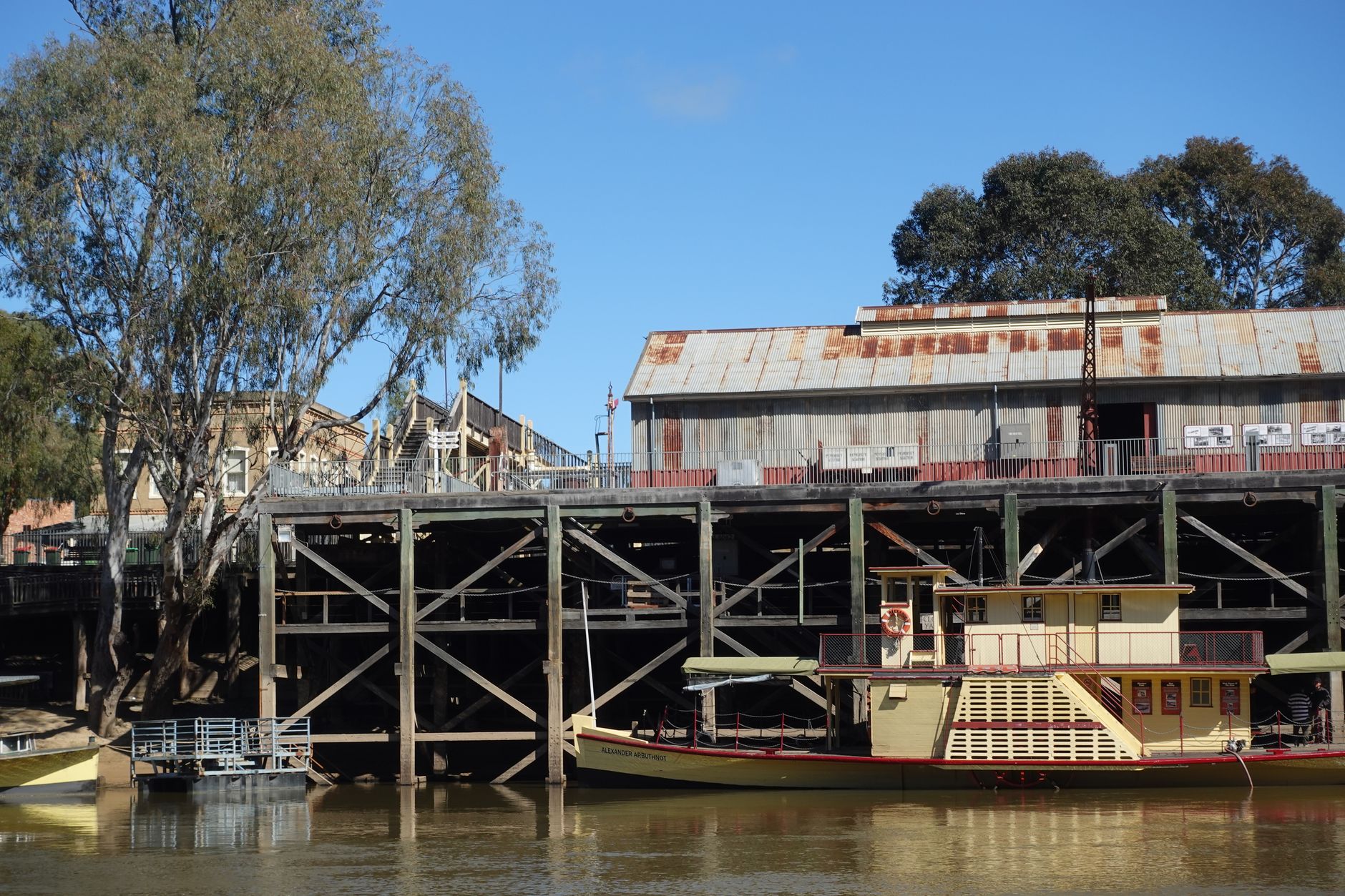
Renmark is the furthest point upstream the cruise reaches, and the ship generally ties up for most of a day before turning back toward Mannum. Right by the information centre sits the PS Industry, a paddle steamer built in the early 1910s and now permanently dry-docked as a static display, a useful reminder of how much of this region's early economy moved by river rather than road.
An afternoon free to wander takes you to Angove's cellar door, open most days from around 10am, where the family has been making wine here since the 1880s, and on to 919 Wines, a small operation just outside town worth the short taxi ride. By early evening the Murray Princess backs off the Renmark wharf and begins the slow retrace downstream, the same red gums and cliffs sliding past in reverse over the final two nights.
Scenes from the Mannum to Renmark Run
Cordelie travel advisors
Go with someone who knows
The right suite, the right season, the reservations that never appear online — your Cordelie advisor knows them, and holds them for you.
Plan with a Cordelie advisorFree to ask. Cordelie Travel Services · IATA/ARC 06649064
Pelicans, Limestone Cliffs and the Silence at Big Bend
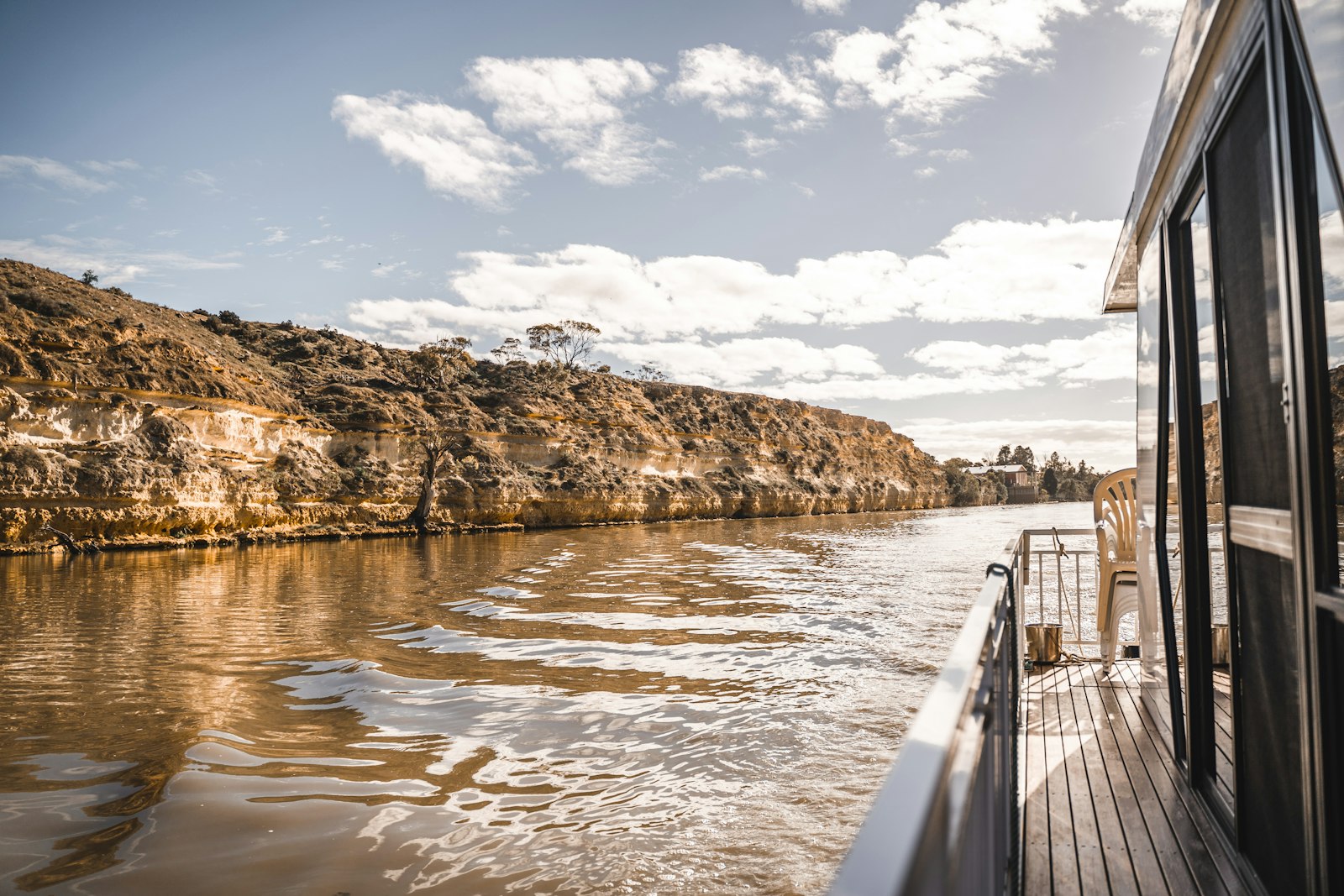
The single moment I'd point anyone toward is Big Bend, where the river doubles back on itself below Nildottie and the limestone cliffs on the eastern side climb an estimated 20 to 30 metres straight out of the water. The captain slows the ship here, sometimes almost to a stop, so passengers can get a clean photograph without the paddle wheel's wake disturbing the reflection.
The wildlife never stops being a surprise, mostly because it arrives in such ordinary, unposed ways. Pelicans drift past the sun deck at eye level. A family of kangaroos watches the ship from a gum-shaded bank without bothering to move. What struck me most, though, was the quiet: no engine roar carrying across open water, no swell, just the steady chuff of the paddle wheel and birdsong carrying for what feels like kilometres across still air. After cruises off Sydney or the Great Barrier Reef, where the ocean is always doing something, the Murray's stillness takes real getting used to, and then it becomes the whole point of the trip.
Barramundi on the Sun Deck and Riverland Reds at the Cellar Door
Meals aboard the Murray Princess lean hard into South Australian produce rather than trying to be a floating fine-dining room, and the food is better for it. Dinner is a set three-course menu each evening, usually with a choice between something like Murray River barramundi, a Riverland-grown lamb dish, or a vegetarian option built around seasonal produce from the irrigation districts the ship passes all week.
Breakfast and lunch run buffet-style with a cooked option, and the barbecue lunches on deck on fine days are genuinely one of the trip's small pleasures, eaten with a glass of Riverland shiraz while gum trees slide past at not much more than walking pace. Wine on board draws heavily from the Riverland and Barossa Valley, with tastings and bottle sales tied to the shore excursions at Banrock Station and Renmark. It's not a trip built around food as spectacle, but it's honest, regional, and consistently well judged.
Because Mannum sits only around an hour from Adelaide, this cruise slots neatly onto the back of a few days in the Barossa Valley or the Adelaide Hills without adding an extra flight or a long transfer. A Cordelie advisor can time your Murray River cruise dates against the sailing calendar, secure the cabin category you actually want, and build the rest of the South Australian leg around it, so the whole journey reads as one considered trip rather than three separate bookings.
Spring, from September through November, and autumn, from March through May, bring the mildest river weather and the best wildlife viewing, and cabins in those windows are worth locking in several months ahead of travel. Start the conversation at https://cordelie.com/contact.
Is the Murray River Cruise Worth a Week of Your Itinerary?
Best for travelers who want South Australia's outback, rather than its coastline, and are happy to trade sea views for red gums, pelicans, and a very different kind of quiet.
This is not a cruise for anyone chasing the scale and polish of a coastal ship. Cabins are comfortable rather than lavish, the entertainment is modest, and the pace is deliberately unhurried. What it delivers instead is a genuinely distinctive slice of inland Australia: red gum forests, limestone cliffs at Big Bend, working lock infrastructure at Blanchetown, and wine country at Banrock Station and Renmark, all reached without a single rough crossing.
Pair it with a few days in Adelaide or the Barossa Valley beforehand, and a five- or seven-night sailing between Mannum and Renmark becomes less a standalone cruise and more the slow, reflective final act of a South Australian trip.

Alex Moreau writes about going slowly. Nine years of reporting from trains, river boats and towns nobody has a hashtag for, mostly across Europe and North Africa. They live in Lisbon, keep a running list of the continent's best two-hour lunches, and believe most itineraries would improve if you deleted a city.