
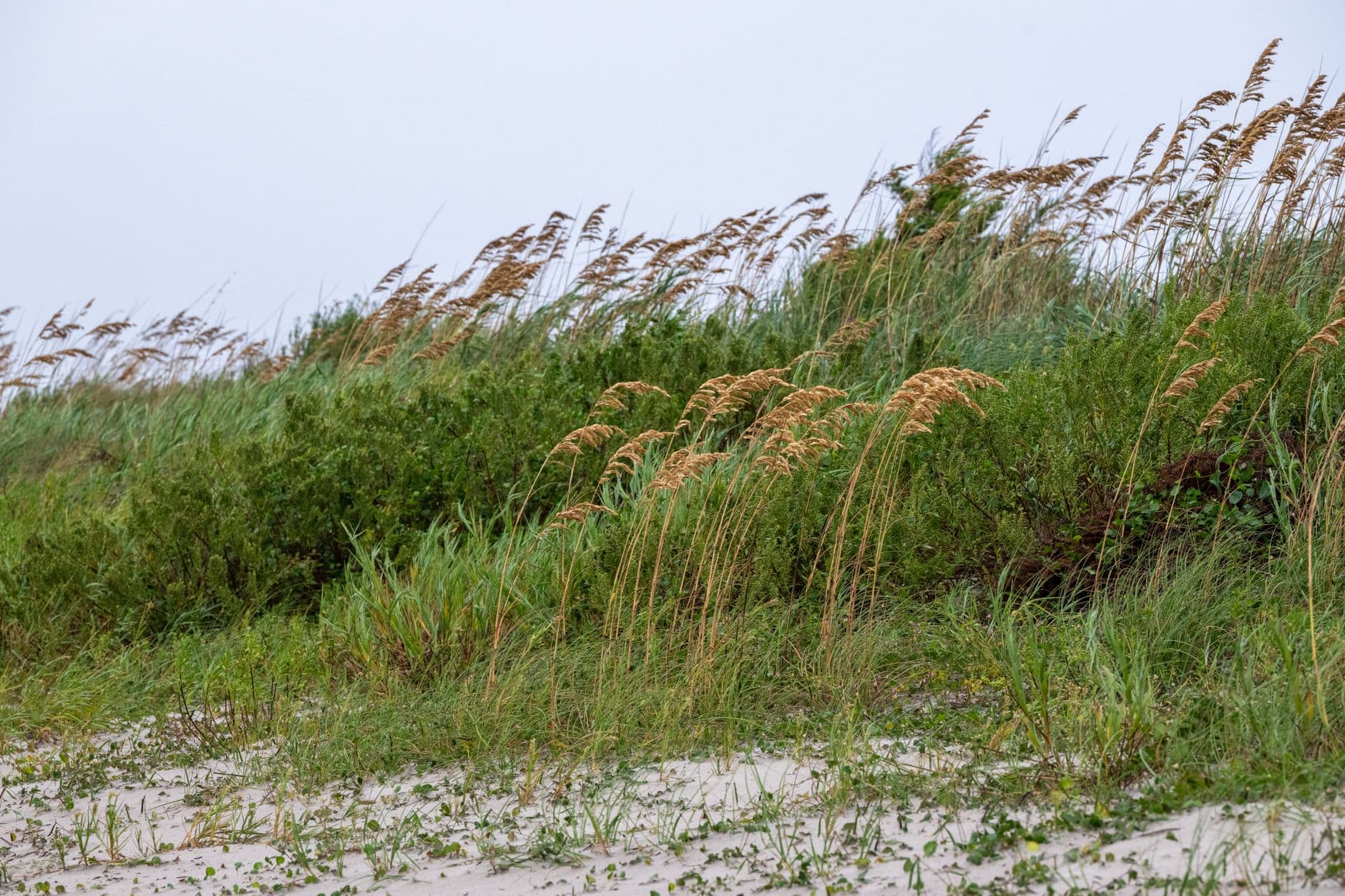
Outer Banks, North Carolina: The Carolinas' Wildest Stretch of Sand

Where the Atlantic Still Runs Wild: Why the Outer Banks Rewards the Long Drive
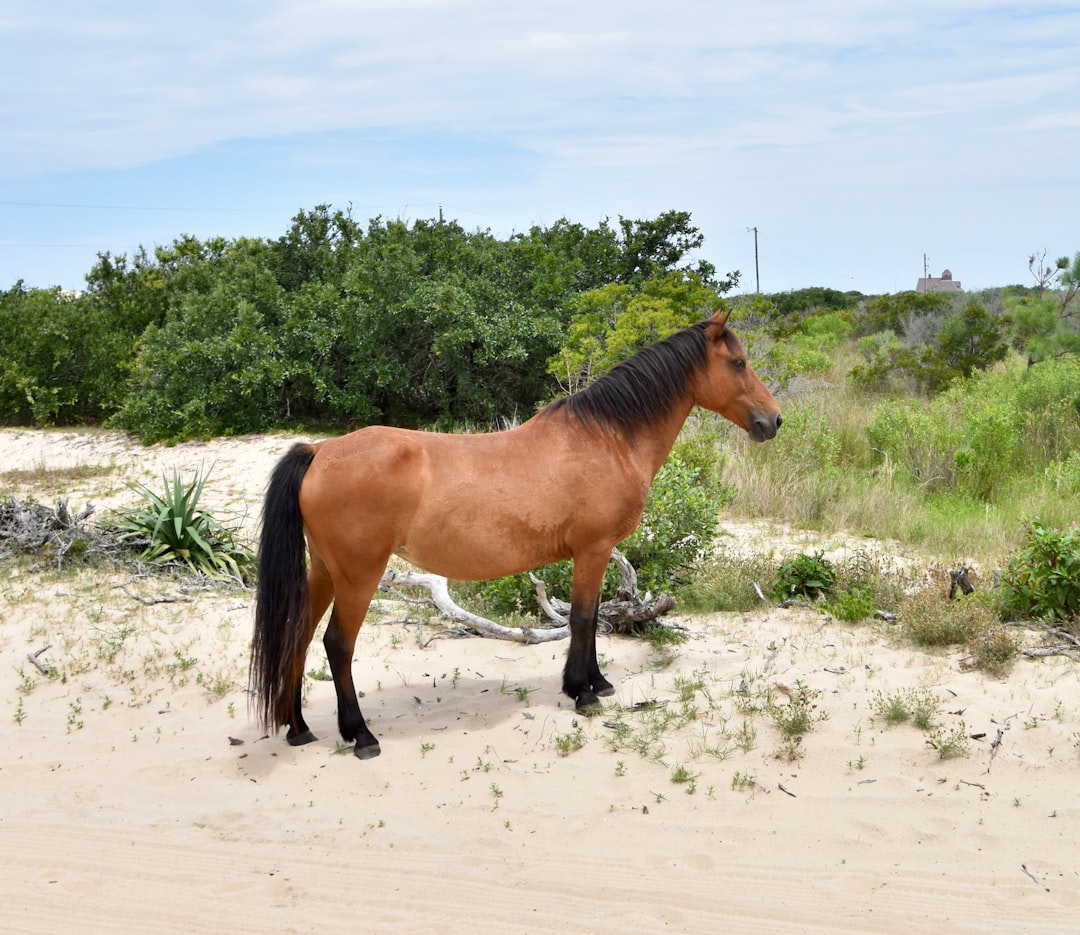
Most Southeast beach towns hand you a boardwalk, a strip of high-rises, and a predictable run of chain seafood houses. The Outer Banks hands you something stranger: roughly 200 miles of barrier island stitched together by a single two-lane highway and, for the last stretch, a ferry. Wild Spanish mustangs still graze the unpaved sand north of Corolla, descendants of horses believed to have come ashore from 16th-century Spanish shipwrecks. Five lighthouses mark the shoals that earned this coast its old nickname, the Graveyard of the Atlantic. At Jockey's Ridge State Park in Nags Head, a dune system often described by North Carolina State Parks as the tallest active dune complex on the U.S. East Coast rises high enough that hang-glider pilots have trained on it since the 1970s. This is a beach trip built on distance and contrast, not just how close you can park to the water.
Outer Banks Quick Facts
Spring Tides and Storm Season: Choosing Your Window on OBX
Spring is the sweet spot advisors book first for a reason. By mid-April the Atlantic water temperature has climbed out of the 50s into the low 60s Fahrenheit, ferries are running full schedules, and the summer rental crowds haven't arrived yet. Motels and cottages that charge peak-season rates in July often run 20-30% lower in late April and May. The trade-off is wind: OBX springs are breezy, which is exactly why the kiteboarding and hang-gliding crowd treats April and May as prime season rather than a compromise.
Families with school-age kids tend to book the week after Easter through mid-May, or come back in September once school's back in but the water is still warm from summer. Couples chasing quiet beaches and empty lighthouse decks do best in the same April-May window, or in October, when hurricane season has usually calmed and the Ocracoke ferries thin out to a manageable trickle. Summer (June through August) is warmest and busiest, with Highway 12 traffic backed up through Nags Head on Saturday changeover days. Hurricane season technically runs June through November, with the highest storm risk August through October, so trip insurance is worth discussing with an advisor for any late-summer or fall booking.
Cordelie travel advisors
Planning Outer Banks? Go with someone who knows
The right suite, the right season, the reservations that never appear online — your Cordelie advisor knows them, and holds them for you.
Plan with a Cordelie advisorFree to ask. Cordelie Travel Services · IATA/ARC 06649064
Lighthouse-Hopping, Wild Horses, and the Dune Where Flight Nearly Started Twice
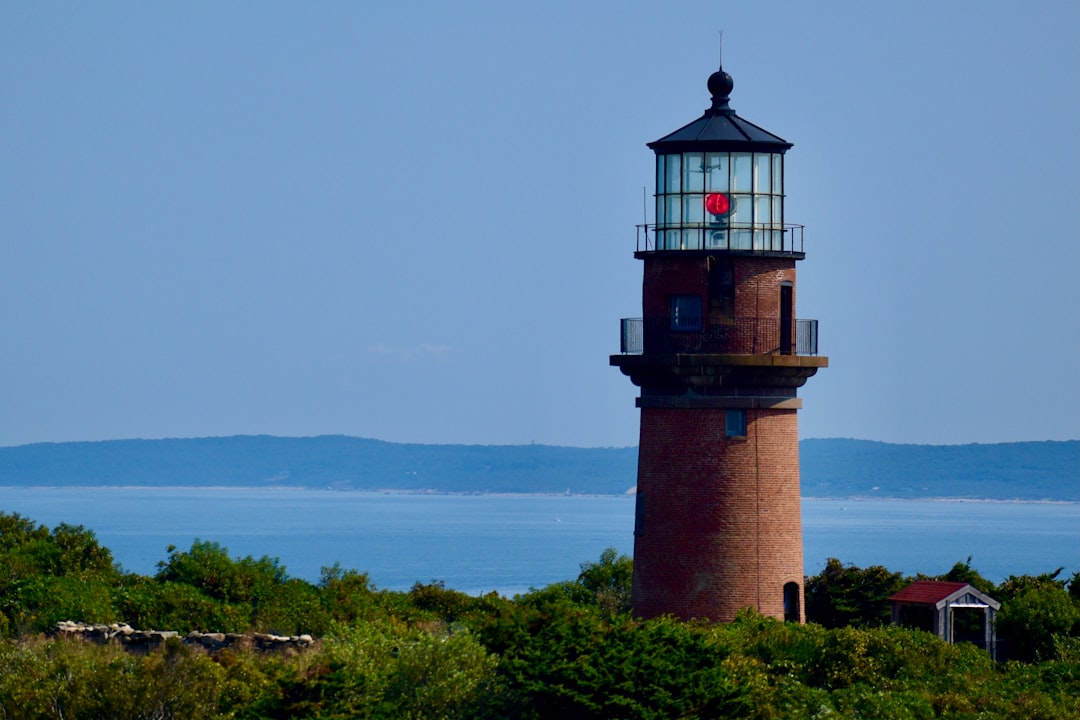
Start with the lighthouses, because nowhere else on the East Coast lets you climb four in a single trip. Currituck Beach Lighthouse in Corolla is unpainted red brick, built in 1875, and open for climbs (roughly 220 steps) from April through Thanksgiving week, with tickets typically running $10-12 for adults. Bodie Island Lighthouse near Nags Head, with its black-and-white horizontal bands, is climbable seasonally for a similar fee. Cape Hatteras Lighthouse, with its spiral black-and-white daymark, is described by the National Park Service as the tallest brick lighthouse in the United States at about 198 feet; the climb (257 steps) costs $8 for adults and $4 for children, seniors, and disabled visitors when the lighthouse is open for climbing. Ocracoke Lighthouse, dating to 1823 and among the oldest operating lighthouses on the East Coast, isn't open for climbing, but the short walk to its base is free and worth the detour.
The wild horses are the detail that surprises first-time visitors most. Beyond the paved end of NC-12 in Corolla, a herd of Spanish mustangs roams several thousand acres of dune and maritime forest, protected under North Carolina law that requires staying at least 50 feet away. You'll need a 4x4 to drive the beach yourself, or book a guided tour through an outfitter like the Corolla Wild Horse Fund; two-hour tours generally run $45-70 per adult and fill up fast on spring weekends.
For the dune and wind culture that sets OBX apart from typical Southeast beaches, head to Jockey's Ridge State Park in Nags Head. Entry is free, and Kitty Hawk Kites has run beginner hang-gliding lessons on the dune since the 1970s, with intro sessions typically priced around $100-130. A little further south, the shallow, flat water of Pamlico Sound near Waves and Rodanthe is one of the best beginner kiteboarding grounds on the Atlantic coast; outfits like Real Watersports offer three-hour intro lessons for roughly $150-250.
OBX in Frame: Lighthouses, Dunes, and Villages
From the Sanderling to Ocracoke Cottages: Sleeping the Length of the Banks
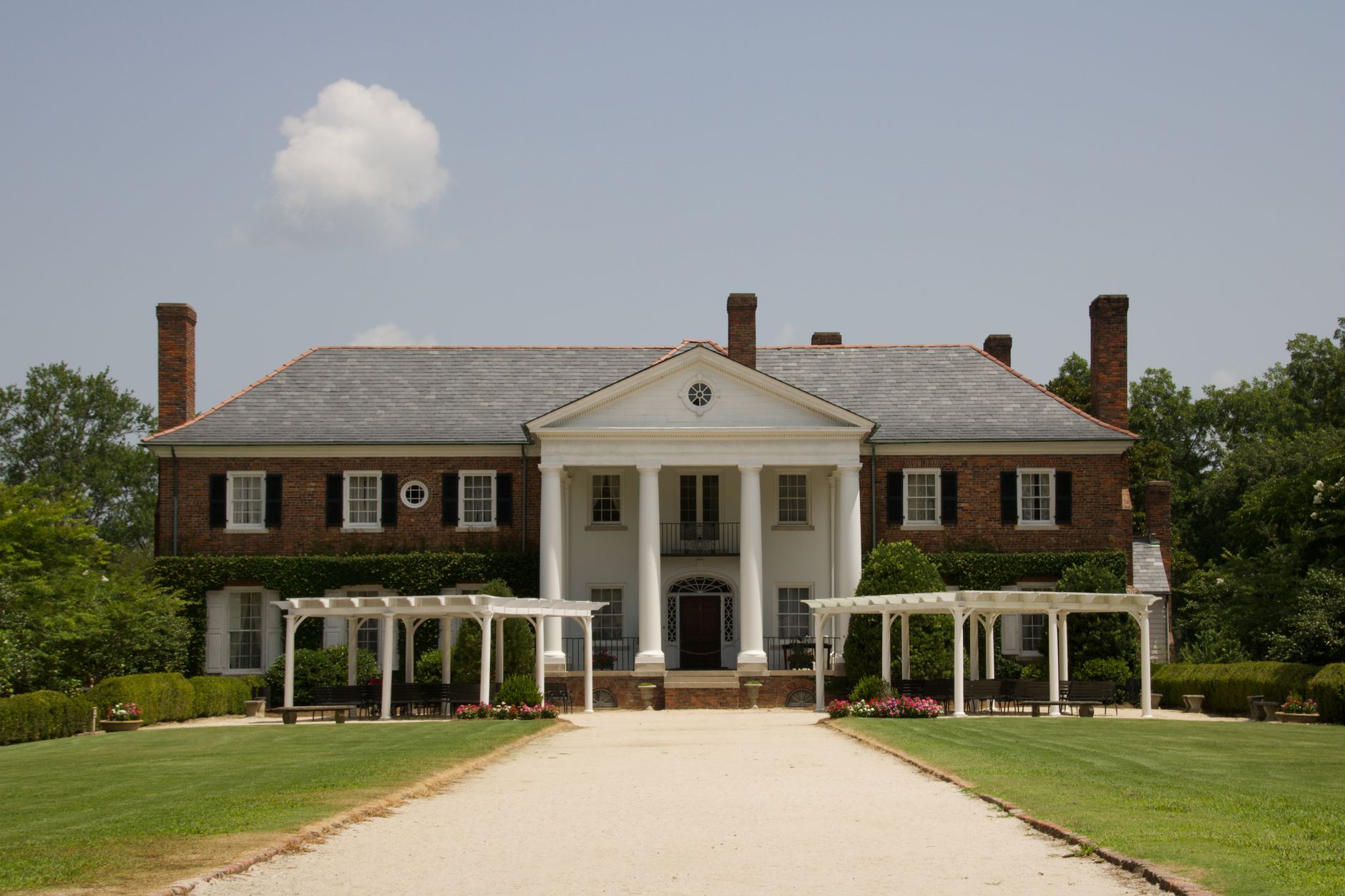
Up north in Duck and Corolla, the Sanderling Resort offers oceanfront rooms and a spa in a quieter, less commercial stretch of the Banks; spring rates typically run $250-450 a night. Families who want a kitchen and several bedrooms tend to book weekly cottage rentals through agencies like Twiddy & Company or Village Realty, with spring weeks running roughly $1,500-4,000 depending on size and proximity to the water.
Around Nags Head and Kill Devil Hills, the middle of the Banks, the Hilton Garden Inn Outer Banks/Kitty Hawk and the historic First Colony Inn in Nags Head both offer easy access to Jockey's Ridge and the Wright Brothers National Memorial, with spring rates around $150-300 a night. Down at Hatteras village, motels cluster near the lighthouse, useful as a base before catching the morning ferry.
Ocracoke has no bridge and only a small handful of properties, so book earlier than you would elsewhere. Blackbeard's Lodge, Berkley Manor, and the Ocracoke Harbor Inn all sit within walking distance of the harbor, with spring rates in the $150-280 range. Because there are only a dozen or so small inns and motels on the whole island, a good chunk of them sell out on spring weekends well before the summer rush even starts.
Shrimp Boats, Fig Cake, and the Lost Colony: Tasting OBX History
Seafood here comes off boats, not trucks. Fried or blackened flounder, local shrimp, and softshell crab in season show up on nearly every menu. Sam & Omie's in Nags Head has served breakfast and seafood to fishermen since 1937 and still opens early for it. Blue Point in Duck leans upscale coastal, good for a date-night dinner overlooking Currituck Sound, while Basnight's Lone Star in Nags Head is the reliable crowd-pleaser for a family table. Duck Donuts, now a national chain, still runs its original storefront in Duck village, worth a stop before the beach rather than after.
On Ocracoke, Howard's Pub does casual seafood with live music most nights in season, and Eduardo's Taco Stand is the counter-service favorite for a quick lunch between ferry sailings. Look for Ocracoke fig cake on dessert menus around the village, a dense, spiced cake tied to the island's old fig trees, planted generations ago by families who still harvest them. For culture beyond the beach, Roanoke Island's Fort Raleigh National Historic Site marks the site of the Lost Colony and is free to walk year-round; the outdoor Lost Colony drama itself runs in the Waterside Theatre in summer, generally June through August, so spring visitors will see the grounds but not the performance.
“You learn the tide charts here the way other places learn bus schedules. The ferry doesn't wait, and neither does the wind.”
Highway 12, 4x4 Permits, and the Ferry You Have to Plan Around
One road runs the length of the Outer Banks: NC-12. Corolla to Hatteras is roughly 70 miles and takes about two hours in light traffic, longer on any summer Saturday. Getting to Ocracoke means leaving your car in the ferry line, not driving a bridge. The free Hatteras-Ocracoke ferry, run by the state DOT, takes about an hour and sails roughly every 30-60 minutes from April through November; reservations aren't required but are strongly recommended May through September, and you can book them through ncdot.gov. Longer toll ferries from Cedar Island and Swan Quarter, on the mainland side, take about 2 hours 15 minutes and cost roughly $15-45 depending on vehicle length (2024 rates); on those routes, reservations are close to essential in season since only a few sailings run each day.
If you plan to drive on the beach itself, whether chasing the wild horse herd north of Corolla or exploring the four-wheel-drive sections of Cape Hatteras National Seashore, you'll need a permit and a genuine four-wheel-drive vehicle. Weekly off-road vehicle permits from the National Park Service run around $50, with annual permits closer to $120. Rental agencies in Corolla and Duck can also arrange a 4x4 for the day if you flew in and don't have your own.
Three Days, Corolla to Ocracoke: A Lighthouse-to-Lighthouse Loop
Corolla and Duck: Wild Horses and the Northern Lighthouse
Start early with a 4x4 wild horse tour out of Corolla; morning sailings tend to have calmer wind and better sightings, and most tours run about two hours.
Climb Currituck Beach Lighthouse afterward (roughly 220 steps, tickets $10-12), then wander the grounds of the Whalehead Club next door, a restored 1920s hunt lodge open for tours.
Head five miles south to Duck for lunch and an afternoon on the boardwalk, then dinner at Blue Point overlooking Currituck Sound.
Nags Head and Roanoke Island: Dunes, Flight History, and Elizabethan Gardens
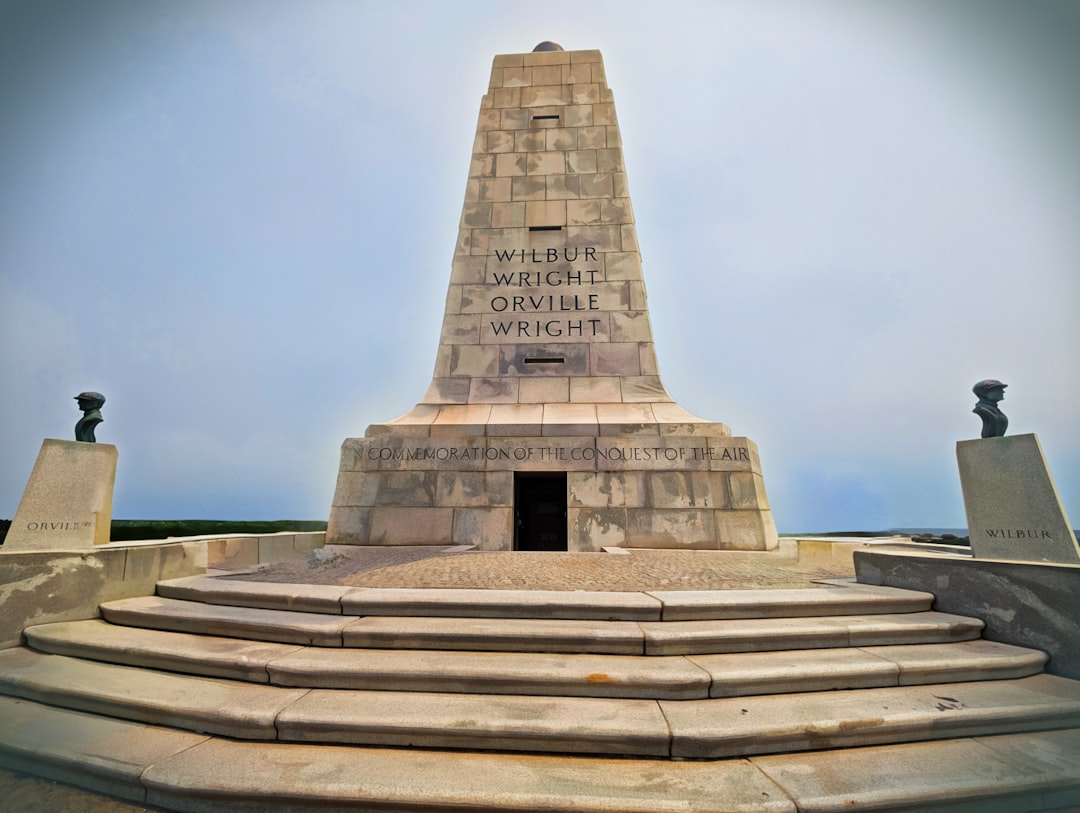
Drive about 20 miles south to Kill Devil Hills for the Wright Brothers National Memorial, where a granite monument and reconstructed hangar mark the 1903 flight site; allow 60-90 minutes.
Cross to Jockey's Ridge State Park in Nags Head for a hang-gliding lesson on the dune, or simply climb it barefoot for sunset views over both the ocean and the sound.
In the afternoon, cross the bridge to Roanoke Island for the Elizabethan Gardens and Fort Raleigh National Historic Site, then dinner in Manteo's small waterfront district.
Hatteras to Ocracoke: The Ferry Day
Drive roughly 65-70 miles south to Buxton, stopping to climb Cape Hatteras Lighthouse (257 steps, tickets $8-10) before the midday crowds build.
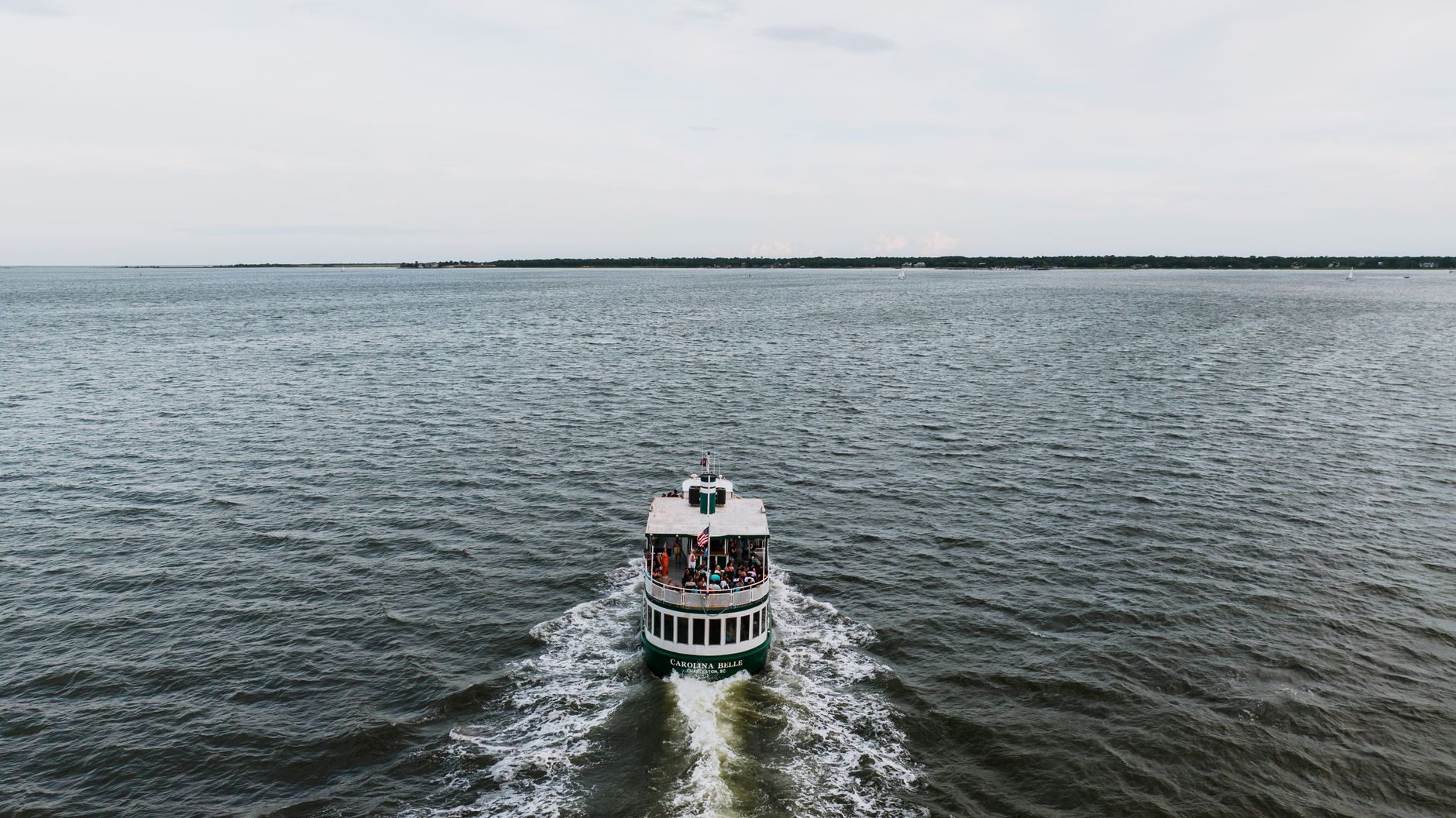
Catch the free Hatteras-Ocracoke ferry, about an hour long, aiming for a mid-morning sailing so you have most of the afternoon on the island.
Explore Ocracoke village on foot or by bike, walk out to Ocracoke Lighthouse, and have dinner at Howard's Pub before catching an evening ferry back or staying the night.
Ferry reservations, 4x4 wild horse tours, and the handful of Ocracoke inns all book out from the same short spring window, and getting all three to line up on the right days is where most independent trips lose a day.
A Cordelie advisor can arrange your ferry sailing, secure a room in Ocracoke before it sells out, and build the rest of your route around the tides and wind windows locals actually use, so your three days feel unhurried rather than assembled.
Outer Banks At a Glance
A wilder, more spread-out beach trip than the typical Southeast coast, best for travelers willing to drive for the reward of empty dunes, climbable lighthouses, and a horse herd that answers to no schedule.
Best for families in late April, May, and September; best for couples in late April through mid-May and October, when wind is manageable and crowds thin.
Budget roughly $150-450 a night depending on village and season, plus ferry time if Ocracoke is on the itinerary.
One road (NC-12) and one ferry connect the whole string of villages, so build in buffer time rather than tight connections.
Last checked for accuracy: . How we check

Priya Raman has spent eleven years testing whether a destination works with a four-year-old, a teenager and a grandparent in the same party. She writes the version of the guide that accounts for nap times and still gets you to the good stuff, and travels from Toronto with a carry-on she can pack in nine minutes.