
New Route 66 Historic Markers Unveiled Along Tucumcari's Neon Mile

Eight New Historic Markers Debut on Tucumcari's Neon Mile
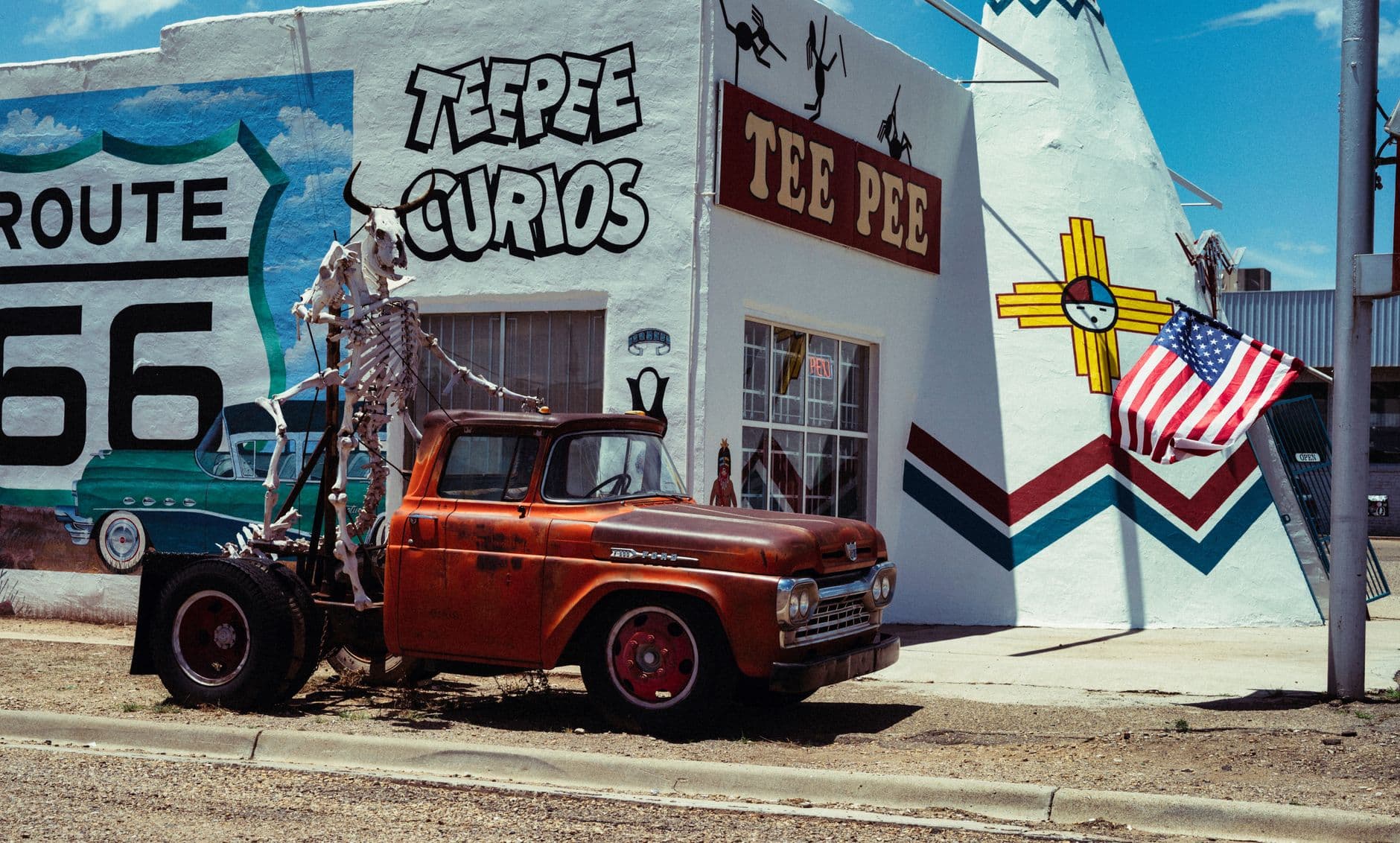
Tucumcari has installed a series of new interpretive markers along its celebrated Neon Mile, the stretch of historic Route 66 lined with vintage motor courts and neon signage that once anchored the city's mid-century tourism boom. The markers, positioned at key sites along this quarter-mile corridor, offer travelers and history buffs details about the motor courts, diners, and gas stations that defined Route 66 hospitality between the 1930s and 1960s. Each marker includes period photographs, construction dates, and the stories of proprietors who built these now-iconic establishments.
If you're planning a Route 66 road trip through New Mexico this spring, Tucumcari now offers a more structured, self-guided walking experience. The new markers provide context that transforms a casual stroll into a curated history lesson. Many of the motor courts themselves remain operational or are undergoing restoration—some offer accommodation, others are viewable from the street. Spring weather (daytime temps in the 60s–70s°F, low humidity) makes the walk comfortable. Budget 90 minutes to two hours to read the markers and photograph the neon signage at a leisurely pace.
Why Tucumcari's Neon Mile Matters Now
Route 66 heritage tourism has surged in recent years as travelers seek authentic Americana and escape from digital life. Tucumcari, located roughly 40 miles west of the Texas border in eastern New Mexico, sits at a crossroads: it was bypassed by Interstate 40 in 1982, which initially threatened its economy but ultimately preserved its mid-century character. The city's neon signs and motor courts survived demolition precisely because the interstate diverted traffic. Now, as Route 66 gains status as a cultural landmark rather than a through-route, Tucumcari has become a key waypoint for collectors of roadside Americana. The new markers capitalize on that momentum by making the historic context visible and accessible.
The installation reflects broader investment in New Mexico's Route 66 corridor. Communities from Albuquerque to the Arizona border have recognized that heritage tourism—when paired with preservation—drives both economic activity and cultural pride. Tucumcari's move signals that the city is committed to stewarding its neon legacy rather than allowing it to fade into background scenery.
How to Plan Your Visit to the Neon Mile
Begin at the east end of Route 66 (formerly US 54, now locally called East Main Street) near the intersection with Tucumcari Boulevard. Walk west toward downtown, where the neon signage concentrates. The Blue Swallow Motel, one of the most photographed motor courts on Route 66, sits along this corridor and welcomes visitors even if you don't book a room—its iconic neon blade sign is visible from the street. Several markers are positioned within view of operating or partially restored establishments, allowing you to see both the historical context and the present-day reality of these buildings.
Parking is free and abundant along Main Street. Wear comfortable walking shoes; the pavement is uneven in places, and you'll be stopping frequently to read the markers and frame photographs. Bring water—spring temperatures can reach the low 70s°F by midday, and there are few shade structures along the mile-long walk. The walk is flat and requires no special fitness level, though it does take time if you pause at each marker.
For a full experience, combine the marker walk with a meal at one of Tucumcari's operating diners. Kix on 66, located in a former 1960s Denny's building on East Route 66, has served Route 66 travelers since its conversion to Kix in 2004 and offers classic diner fare in a retro mid-century setting. Lunch typically costs $12–$18 per person. Several other vintage establishments remain operational but hours can vary; call ahead or check their social media before visiting.
If you're interested in deeper Route 66 history, the Tucumcari Historical Museum (currently open Tuesday–Saturday, typically 10:00–17:00; admission around $5–$7) houses artifacts, photographs, and documents from the city's Route 66 era. Verify hours before your visit, as they may shift seasonally.
A Cordelie travel advisor can weave Tucumcari's Neon Mile into a multi-state Route 66 itinerary, coordinating lodging that complements the roadside aesthetic—whether that's a night in a restored motor court room or a nearby boutique hotel—and building in time for the walking tour without the guesswork around hours, detours, and seasonal closures. Let a Cordelie advisor craft a Route 66 journey that balances historic immersion with the logistics of moving across three or four states.
Practical Details for Your Visit
Tucumcari's new markers represent a low-stakes entry point into Route 66 heritage tourism. Unlike major roadside attractions that charge admission or require lengthy detours, the Neon Mile walk is free, self-paced, and integrated into the town's geography. Whether you're a Route 66 enthusiast making a cross-country pilgrimage or a casual traveler curious about mid-century Americana, the markers offer substance without pretense. Spring is an ideal season to visit—the weather cooperates, the light is clear for photography, and the town feels alive with seasonal visitors rediscovering America's most famous highway.
Last checked for accuracy: . How we check

Marcus Rivera has spent fifteen years writing about places you have to walk into. He has guided in Patagonia, reported from Kilimanjaro's quieter routes, and has strong opinions about which of them are worth the airfare. He is based in Boulder, mostly so he can leave it.