
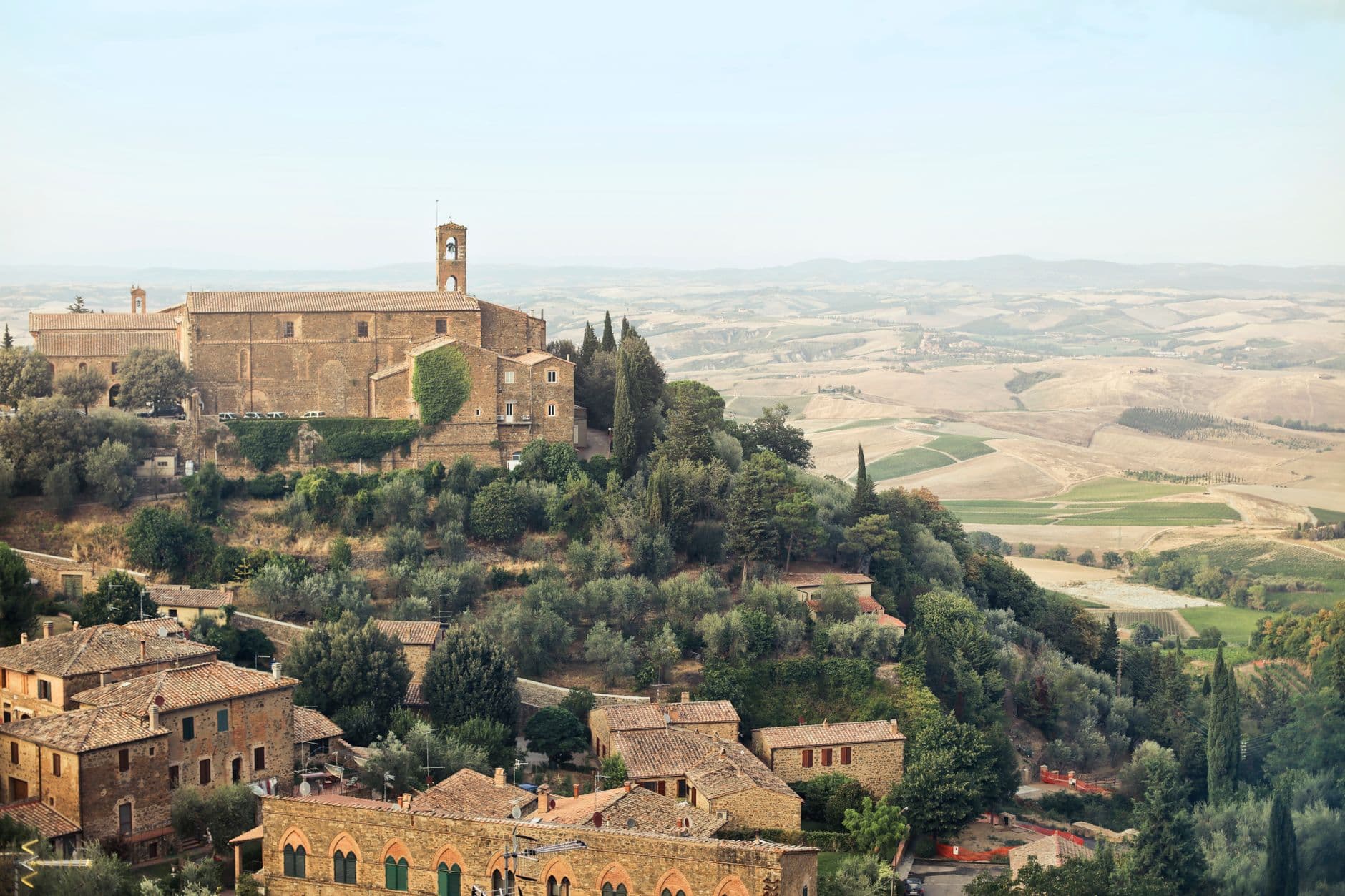
Montalcino Unfiltered: Tuscany's Hilltop Village Beyond the Brunello Crowds

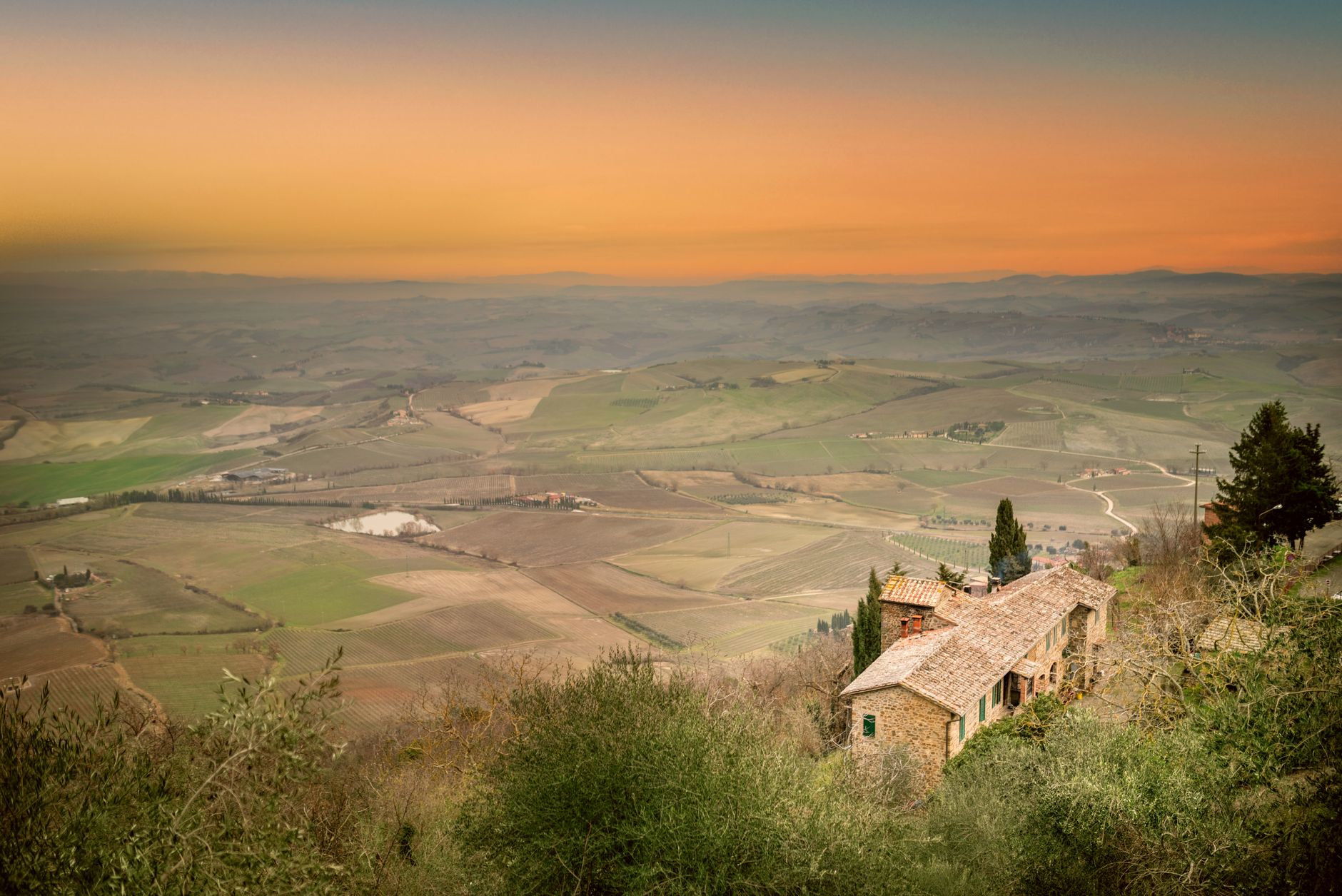
The Montalcino the Big Brunello Houses Never Show You
Most visitors to Montalcino arrive on a day trip from Siena, tour one of the famous estates lining the SP14, and leave by sunset without ever wandering the town's own crooked streets. That's a shame, because the real texture of this hilltop village lives somewhere quieter: in the fourteenth-century fortress ramparts, in the back lanes off Via Mazzini, and in the tiny cellars where a grower farming four or five hectares will pour you a glass and talk for an hour about the clay-and-schist soil under your boots.
Spend three nights here instead of three hours, and Montalcino stops being a wine label and becomes a place again. You'll notice the baker on Via Mazzini sells out of pane toscano by late morning, the fortress enoteca pours Brunello by the glass for about €8-12, and the agriturignment up the hill serves whatever came out of the garden that day. This is a guide for the traveler who wants that version, not the souvenir-shop one.
Montalcino Quick Facts
Spring in the Val d'Orcia: Bud Break, Wild Poppies, and a Quieter SP14
April and May bring Montalcino its gentlest weather, with daytime temperatures usually sitting between 12-22°C and the vineyards still a soft green rather than the heavy canopy of midsummer. The hills around town fill with wild poppies and broom by late April, and the roads leading to the smaller estates — many of them unpaved strade bianche — are far emptier than they'll be once the big coach tours start in June. This is the window locals quietly prefer for cellar visits, because the growers themselves have more time between pruning and the long wait for harvest.
If your schedule allows a second trip, the real spectacle happens later in the year. Harvest at the smaller Montalcino estates typically runs from mid-September into the second week of October, with exact dates shifting with the weather each vintage. Visiting during that window means watching pickers move through rows that were empty in spring, and it's worth asking an appointment-only producer whether you can time a tasting around it — most will tell you honestly if the grapes aren't ready yet.
Cordelie travel advisors
Planning Montalcino? Go with someone who knows
The right suite, the right season, the reservations that never appear online — your Cordelie advisor knows them, and holds them for you.
Plan with a Cordelie advisorFree to ask. Cordelie Travel Services · IATA/ARC 06649064
Appointment-Only Cellars, Fortress Ramparts, and a Walk to Sant'Antimo
Skip the estates with gift shops and tour buses, and instead write ahead to the family-run producers who answer their own email. Salicutti, run out of a converted farmhouse south of town, pours tastings of around €25-40 per person for groups of two to six, usually with the owner narrating the pour. Le Chiuse, farmed biodynamically on the Montosoli hill, and Baricci, whose vines the Baricci family has tended since the 1950s, both require a booking at least two to three weeks out — longer during harvest. San Polino, further south toward Castelnuovo dell'Abate, is similarly small and similarly worth the planning.
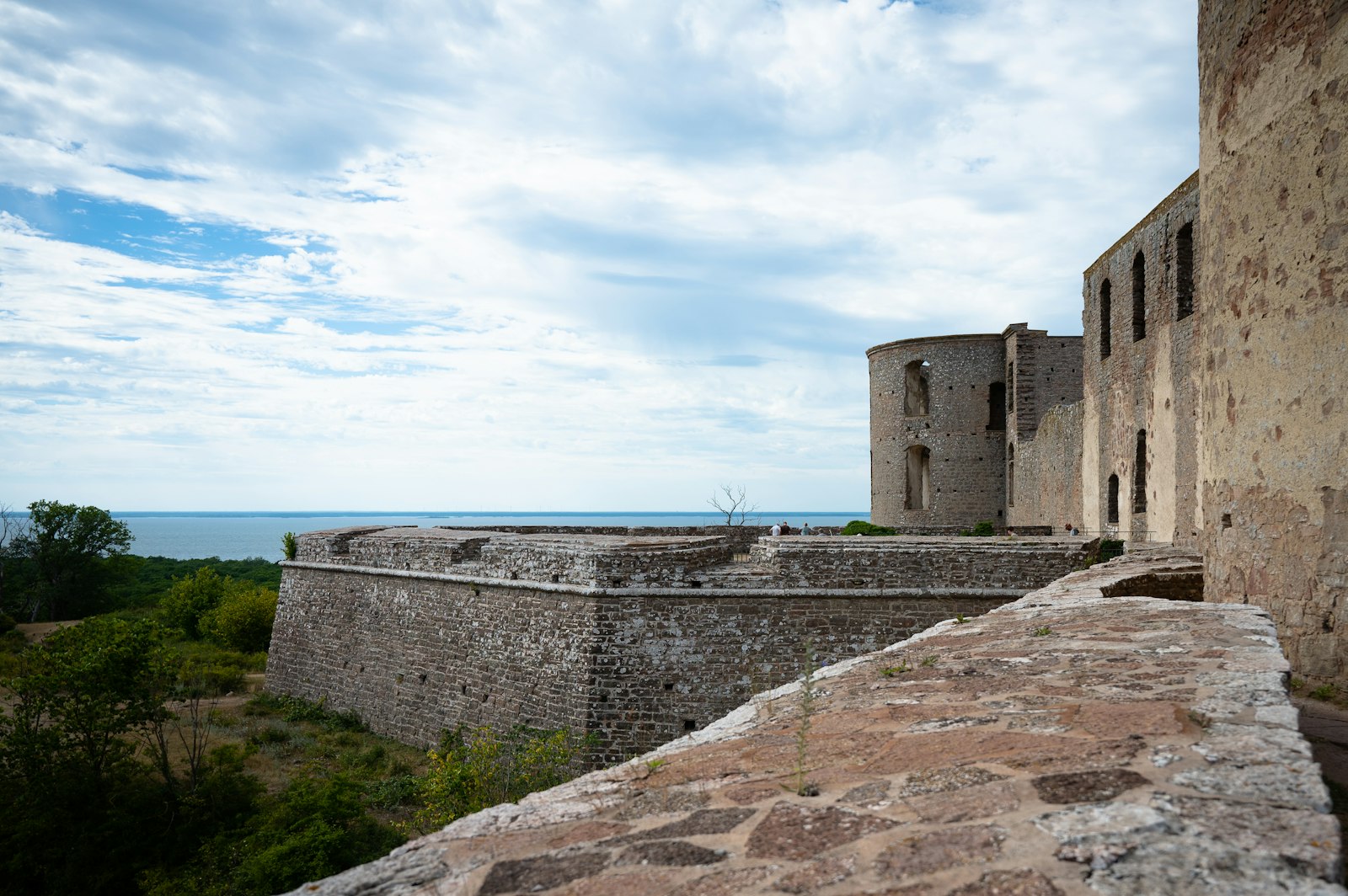
Inside town, the Fortezza di Montalcino is the anchor for everything else. Built in 1361 on the town's highest point, its pentagonal walls are open for a walk along the ramparts for roughly €4-6 depending on the season, with spring hours generally running from mid-morning until early evening. The enoteca inside pours regional wines by the glass with a view over the Val d'Orcia that makes the price feel beside the point.
From the fortress, it's roughly 10 kilometers by car or e-bike down to the Abbazia di Sant'Antimo, a Romanesque abbey built largely in pale travertine with light so precise at midday that the nave seems to glow. The monks occasionally sing Gregorian chant at the evening office, usually around 18:00 — check locally, as the schedule shifts with the season.
Montalcino in Pictures
Sleeping Among the Vines: Agriturismi Over Hotels
Montalcino has a handful of good hotels, but the stays that actually change the trip are the agriturismi scattered through the surrounding countryside. La Crociona, part of Donatella Cinelli Colombini's estate, rents simple apartments among the vines from roughly €120-180 a night, often with breakfast made from the farm's own eggs and honey. Smaller operations like Podere Cogno offer similarly rural, family-run rooms at comparable rates, usually with a minimum stay of two or three nights in spring and summer.
If you'd rather stay inside the walls, Hotel Vecchia Oliviera occupies a converted nineteenth-century olive mill a short walk from Piazza del Popolo. Palazzina Cesira, a six-room bed-and-breakfast in an eighteenth-century palazzo, starts closer to €140 and puts you within a two-minute walk of the fortress gate. For travelers who want a full resort experience with spa and golf, Castiglion del Bosco sits about 15 minutes outside town — but it's the agriturismi, not the resorts, that put you closest to the small cellars this itinerary is built around.
Pici, Pecorino, and the Unhurried Evening in Piazza del Popolo
Food in Montalcino runs on the same slow clock as the wine. Lunch service generally starts around 12:30 and winds down by 14:30; dinner rarely gets going before 19:30. Pici — thick, hand-rolled pasta without eggs — turns up everywhere, usually dressed with a wild boar ragù or the simpler aglione garlic sauce, and it's worth ordering alongside a plate of pecorino di Pienza from the next valley over.
Fiaschetteria Italiana, open on Piazza del Popolo since 1888, is the obvious meeting point for an evening aperitivo, its marble-topped bar unchanged in spirit even as the crowd has shifted from farmers to visitors. For a quieter dinner with a view, Osteria Osticcio sits on a terrace overlooking the valley and pours Rosso di Montalcino by the glass for travelers who aren't ready to commit to a full bottle of Brunello. Ordering the everyday Rosso — a bottle generally runs €15-25 in a restaurant — is standard practice here, not a downgrade; Brunello itself is required by law to age at least five years before release, so most locals treat it as an occasion wine rather than a Tuesday one.
“The wine here doesn't need you to understand it. It just needs you to slow down long enough to taste it properly.”
No Train Station: Driving the SP14 and Walking the Walls
There's no direct rail line to Montalcino; the closest station, Buonconvento, sits about 15 kilometers away with limited regional service, so most visitors arrive by rental car or private transfer. From Siena, the drive is around 40–42 kilometers and takes roughly 50–55 minutes along the SS2 and SP45. From Florence, plan on about 110 kilometers and 1 hour 40 minutes, longer in holiday traffic.
The historic center itself is largely closed to cars, so park at the Il Prato lot just outside the walls for about €1.50 an hour and walk in — the whole town can be crossed on foot in roughly 20 minutes. Between estates, the gravel strade bianche connecting the smaller producers are flat enough for an e-bike, with distances between cellars usually running 3-8 kilometers, though a private driver makes more sense if you're tasting at more than one winery in a day.
Three Days, Four Cellars, One Fortress: A Walking Plan
Settling In: Fortress Views and a First Taste of Rosso
Arrive by early afternoon and check into your agriturismo, giving yourself time to settle before the day's light softens. Walk into town for a first look at Piazza del Popolo, then climb to the Fortezza di Montalcino for a slow pass along the ramparts — the walk itself takes about 30 minutes and the fortress generally stays open into the early evening in spring.
Stop at the enoteca inside the fortress walls for a flight of local wines, roughly €15-20, before heading down for dinner. Fiaschetteria Italiana, open since 1888 on the main piazza, is the right place to ease into the trip without needing a reservation on a weeknight.
Cellar Doors That Only Open by Appointment
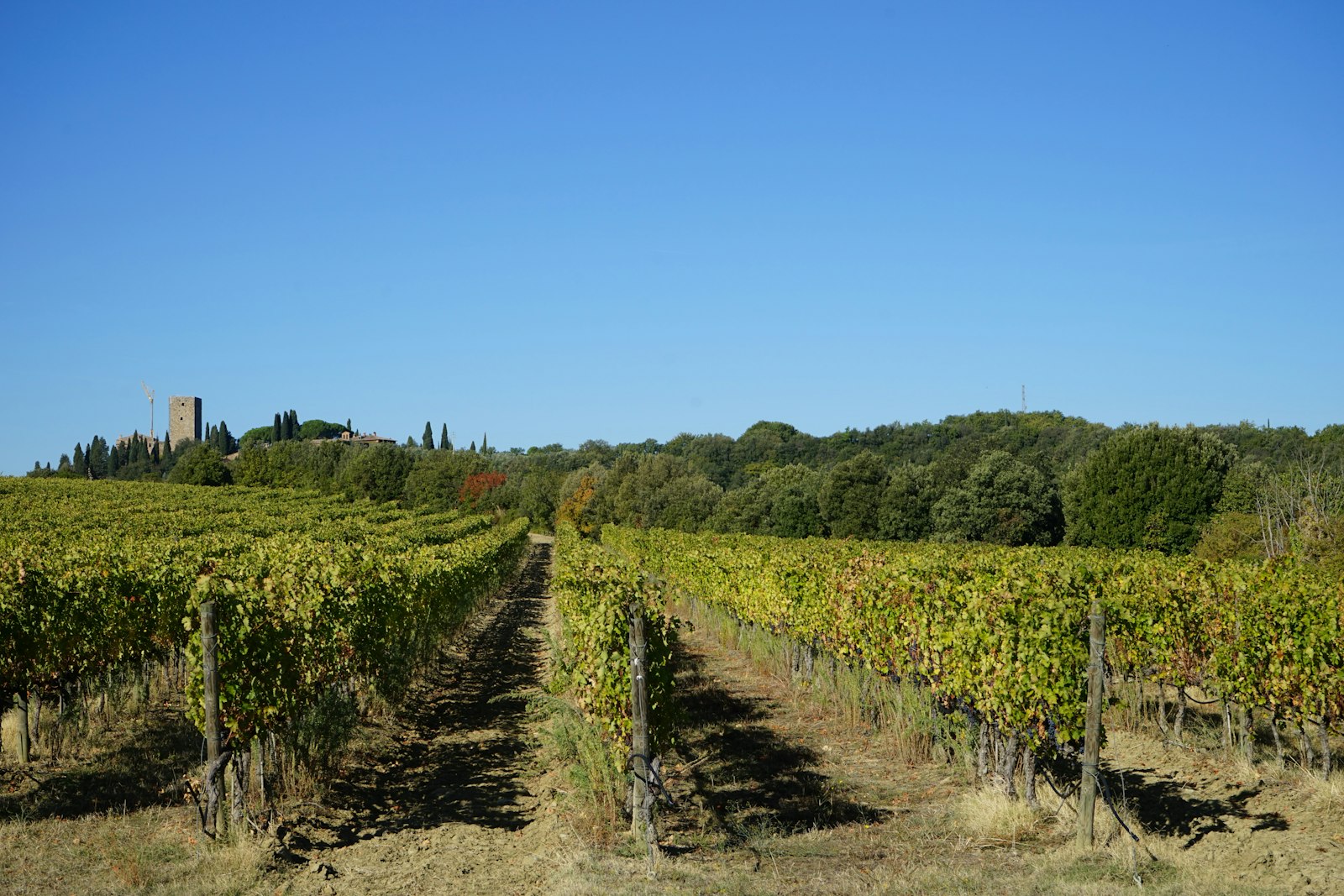
Spend the morning at Le Chiuse or Salicutti, booked at least two to three weeks ahead, for an unhurried tasting that usually runs 60-90 minutes and costs roughly €25-40 per person. These are working farmhouses, not showrooms, so expect to meet the person who actually grows the fruit.
Have lunch at Fattoria dei Barbi's taverna, where the kitchen uses the estate's own cured meats and cheeses, then spend the afternoon resting before an early-evening visit to Baricci. Close the day with a glass on the terrace at Osteria Osticcio, watching the valley go from gold to blue.
Walking South to San Polino and the Silence of Sant'Antimo
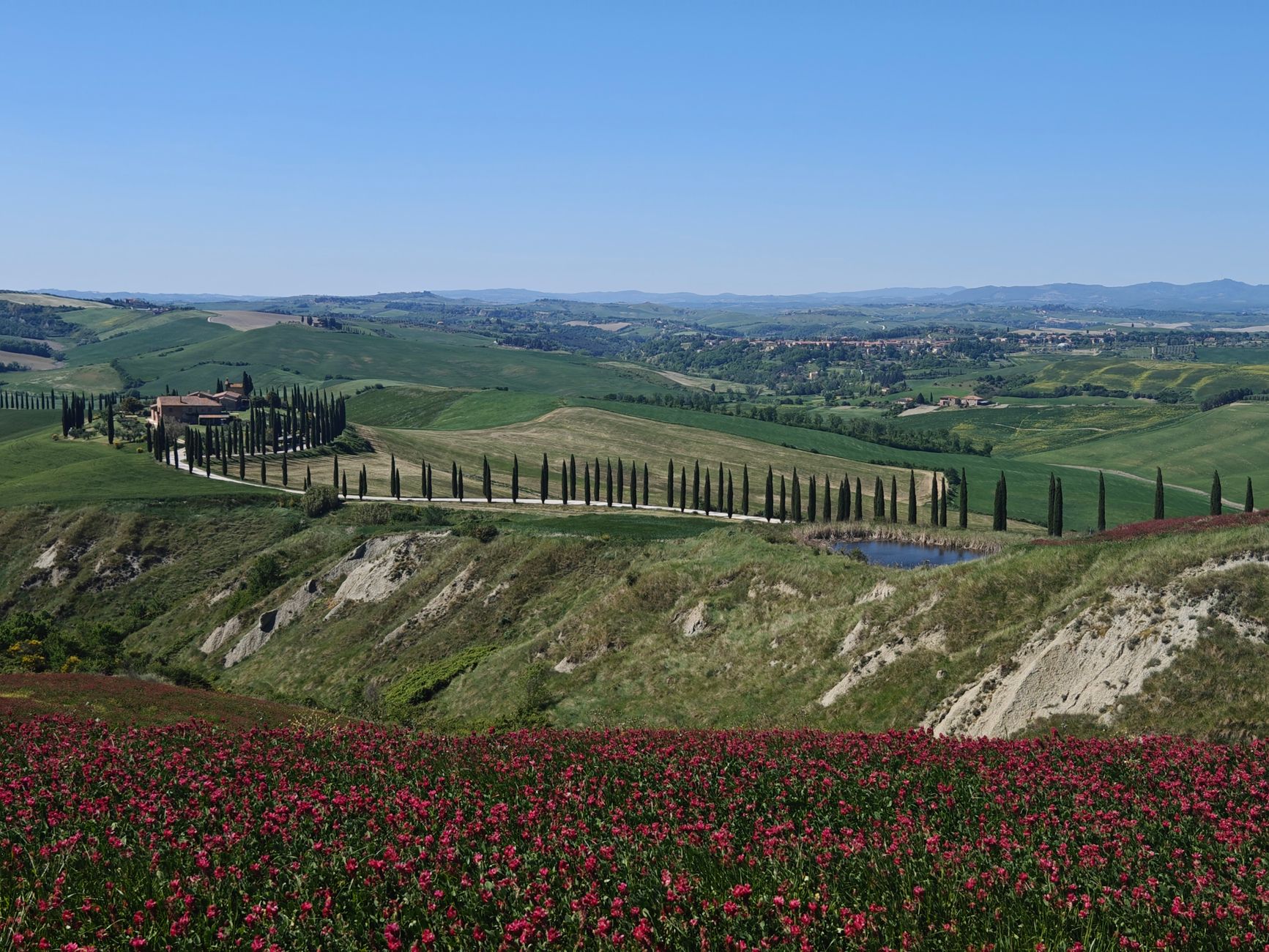
Drive or e-bike south toward Castelnuovo dell'Abate for a late-morning appointment at San Polino, a small biodynamic estate with tastings generally running about €30 per person. The route itself, winding through cypress-lined farmland, is worth the trip even before you reach the cellar door.
From there, it's a short drive to the Abbazia di Sant'Antimo, roughly 10 kilometers from Montalcino's town center, where entry to the nave is free and the light through the apse windows is best around midday. Head back into town for a farewell dinner at Re di Macchia, a small, family-run dining room that keeps its menu short and seasonal.
The producers worth seeking out in Montalcino rarely list a public tasting fee or a booking widget — a phone call or a trusted introduction is how you get in the door. A Cordelie travel advisor can arrange private appointments at estates like Le Chiuse, Salicutti, and San Polino, often with the grower leading the pour personally, plus a driver so no one in your party has to count glasses against the drive home.
Ask about building in a private lunch at a working agriturismo on the day of your harvest-season visit — it's the kind of access that doesn't come from a reservation page, only from someone who already knows the family.
Montalcino at a Glance
A hilltop town that rewards slowing down — best suited to travelers who'd rather know four small cellars well than see twelve big ones quickly.
Montalcino works best as a three-to-four night base rather than a day trip from Siena or Florence, with the Fortezza, Sant'Antimo, and a handful of appointment-only wineries all reachable within a short drive or ride.
Spring (April-May) offers the quietest roads and softest light; late September into early October brings the harvest itself, if you can time a return visit around it.
Last checked for accuracy: . How we check

Alex Moreau writes about going slowly. Nine years of reporting from trains, river boats and towns nobody has a hashtag for, mostly across Europe and North Africa. They live in Lisbon, keep a running list of the continent's best two-hour lunches, and believe most itineraries would improve if you deleted a city.