
Mediterranean Ports of Call: A Cruiser's Guide to Valletta, Malta

Key Facts
A 16th-Century Fortified Capital Packed Into a Six-Hour Stop
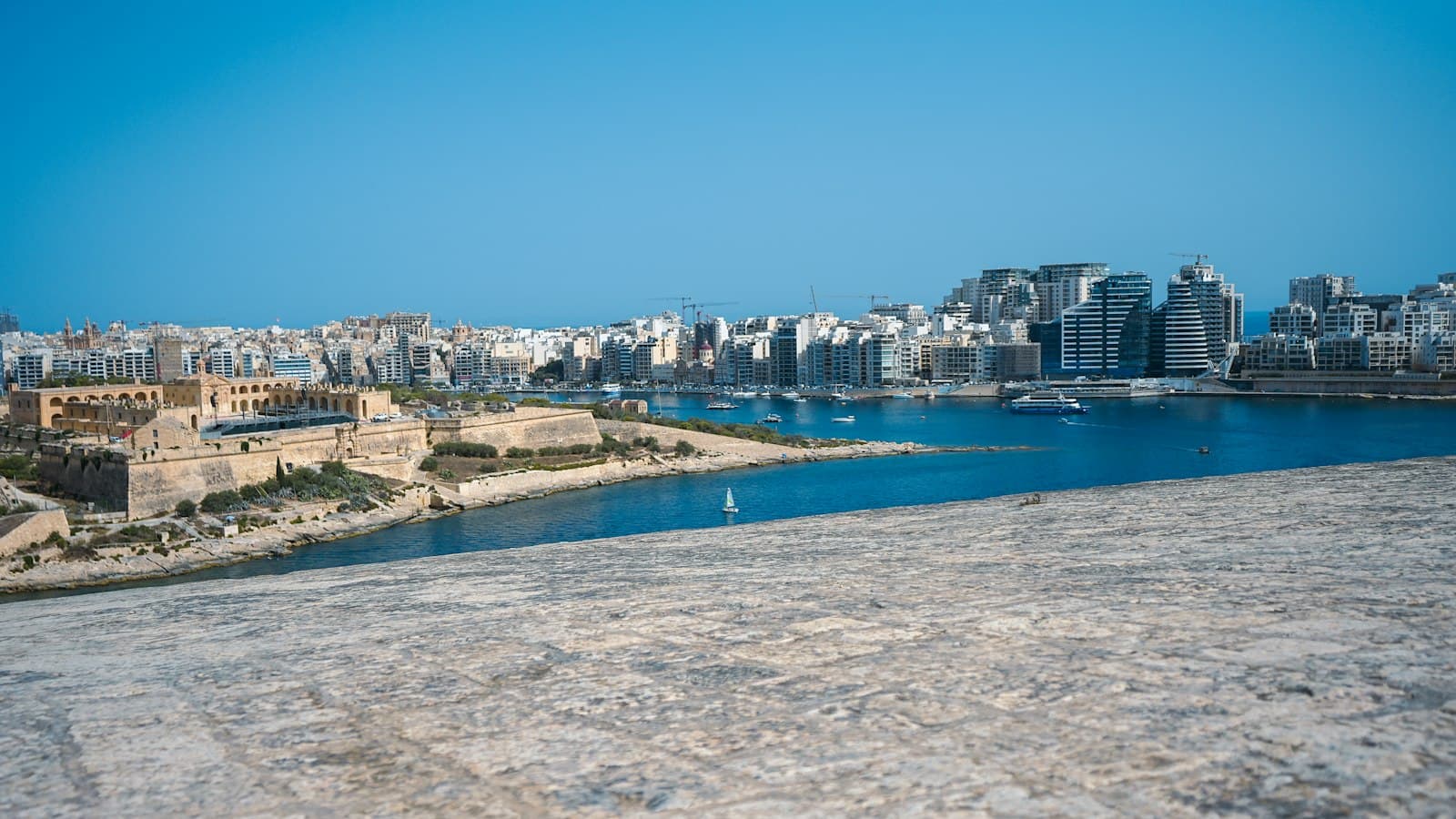
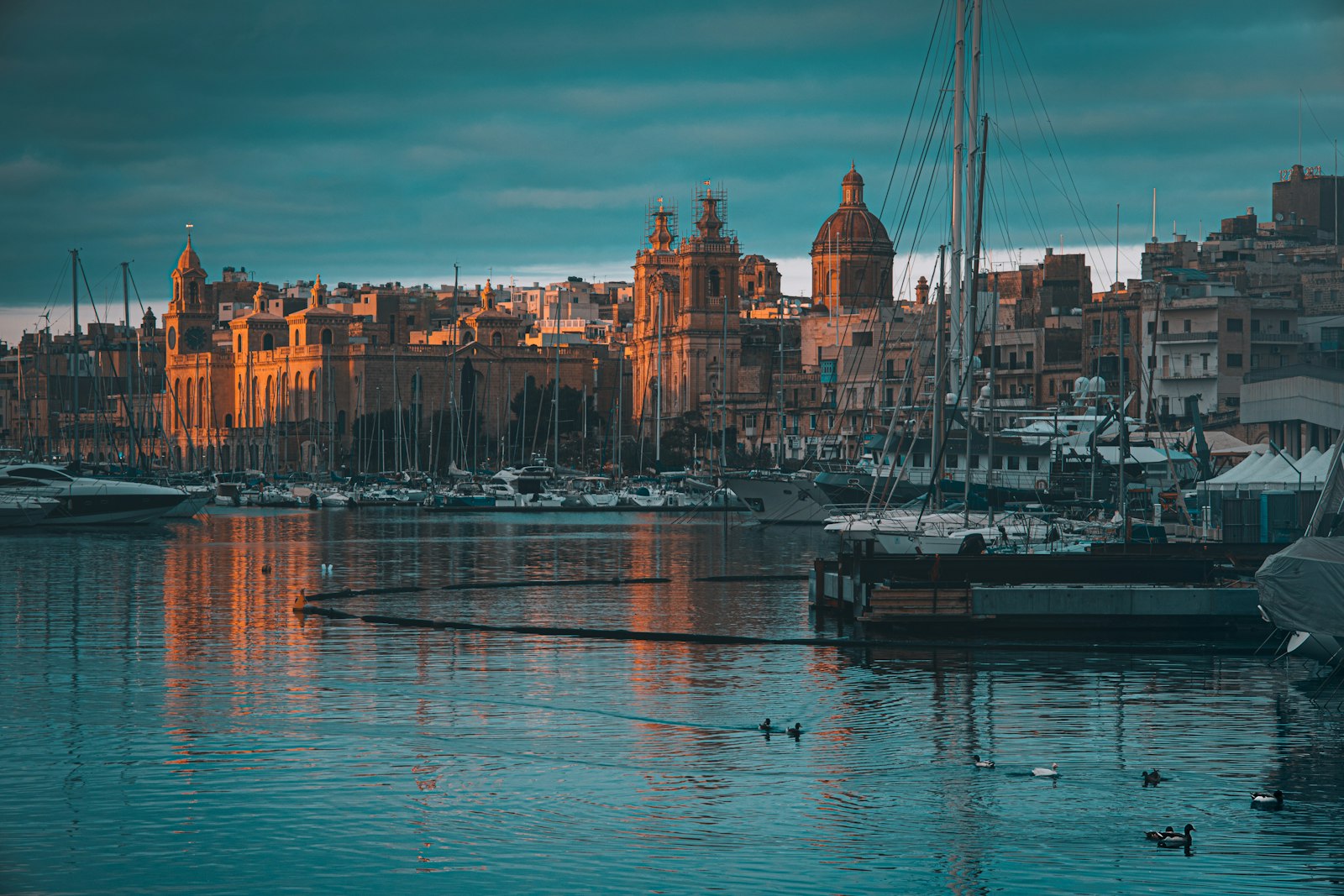
Valletta is small—barely half a square mile—but it demands respect. Built by the Knights of St. John in 1566 and ringed by massive limestone walls, the capital sits on a peninsula that juts into the Mediterranean. Cruise ships anchor in the natural harbor, one of the world's deepest, and that same geography that made it a fortress makes it a perfect port of call: nothing in Valletta is far from the water. On a spring morning when winds are calm and visibility is clear, the honey-colored facades of Baroque palaces and the dome of St. John's Co-Cathedral fill the entire viewscreen.
For cruise passengers, Valletta is a walking port. Everything you came for—the Cathedral, the Upper Barrakka Gardens, the Palace of the Grand Masters, the narrow streets themselves—is on foot within a 30-minute radius of the harbor. That also means the port can feel crowded during peak hours. A morning arrival is preferable to an afternoon one; the Cathedral and main sites thin out by late morning, and midday heat in May and beyond makes walking less pleasant than early light.
Tender vs. Dock: What to Expect on Arrival
The harbor is large but the dock space is limited. Smaller ships (under 3,000 passengers) often tie up at the Valletta Cruise Port terminal directly in the city. Larger vessels anchor offshore and tender passengers to the same terminal. Tender operations in spring are generally reliable, though they can be delayed by wind or chop if the Mistral pushes through from North Africa—rare in May but not impossible. Budget an extra 30–45 minutes if you are tendering. The terminal itself is compact and well-organized; a short walk uphill leads to Independence Square and the start of the upper city.
Once ashore, you are a five-minute walk from the Cathedral, ten minutes from the Upper Barrakka Gardens, and the entire old town fans out from there. Street signs are clear and most are in English. Your phone's GPS will work reliably; the alleys are narrow but systematic, and the old town was designed so that if you keep moving uphill, you will eventually reach the main streets again. Do not be afraid to walk; getting lost is part of the charm, and it is hard to walk for more than five minutes without finding a cafe or a landmark.
Valletta's entire old town is protected as a UNESCO World Heritage Site, making it one of the most concentrated collections of 16th- and 17th-century architecture in Europe. Every street corner reflects that status, from the precision of urban planning to the uniform limestone construction. It is a rare modern city designed by a single architect (Italian military engineer Francesco Laparelli) in a single period, which is why it holds together so cohesively even after 460 years.
The Walking Route: Cathedral, Gardens, and the Essential Hour
With six hours in port, assume one hour for getting ashore and returning to the ship. That leaves five hours in the city. The most efficient route covers St. John's Co-Cathedral, the Upper Barrakka Gardens, and the Palace of the Grand Masters in a single sweep. Start by heading uphill from the terminal toward Independence Square, about ten minutes on foot. The square is the social hub of the old town; it is where the Cathedral sits and where most tour groups congregate. Visit the Cathedral first, while it is still morning.
St. John's Co-Cathedral (entry around EUR 10–15, spring 2025) is the major draw, and it is justifiably famous. The exterior is plain—a fortress-like facade of pale limestone. Step inside and the interior is a shock: every surface is Baroque exuberance, with gilt, marble, frescoes, and a ceiling fresco by Mattia Preti that spans the entire vault. The Cathedral also houses the Church Museum, which contains works attributed to Caravaggio and other Renaissance masters. Plan 45 minutes to an hour inside. Opening hours are typically 09:30–16:30 in spring, though they shift seasonally; confirm before you sail.
From the Cathedral, walk southeast for about ten minutes to reach the Upper Barrakka Gardens. The gardens are free to enter and typically open from 7:00am to 10:00pm. They are built on the defensive bastions and offer unobstructed views of the Three Cities (Vittoriosa, Senglea, and Cospicua) across the harbor. If the day is clear, the light bounces off the water and the opposite waterfront becomes almost theatrical. Benches are scattered throughout; this is the best place to rest and absorb the view. A cannon is fired from the Saluting Battery at noon on weekdays, an old ceremonial tradition that still occurs in spring (though occasionally skipped for maintenance).
Walk back toward the Cathedral and the Palace of the Grand Masters, which sits adjacent to the Cathedral on Palace Square. The Palace is still the official residence of the President of Malta, so only the State Rooms are open to tourists. Entry is around EUR 15–18 and opening hours are typically 10:00–16:30. The State Rooms contain tapestries, paintings, and grand corridors painted with 16th- and 17th-century frescos. Budget 30–40 minutes here. If you are short on time, prioritize the Cathedral and the Gardens over the Palace—the exterior of the Palace is impressive from the square even if you do not go inside.
Where to Eat: Quick, Reliable Lunch Stops
Valletta has no shortage of restaurants, but most cater to the tour-group trade and prices reflect it. A sit-down meal takes 45 minutes to an hour. Better to grab something quick and eat while walking or sitting in the Barrakka Gardens.
Caffe Cordina, on Independence Square, is a Valletta institution that has been operating since 1837. It serves espresso, pastries, sandwiches, and soft drinks at cafe prices (EUR 5–12 for a light lunch). The seating is both inside and out on the square; you can eat quickly at the counter or linger. The water-fountain pastizzi (pastry filled with spinach or ricotta) are good and cheap—around EUR 1.50 each. The queue moves fast even when the square is busy.
Zahra Bakery, a short walk downhill toward the harbor on Strait Street, sells traditional Maltese baked goods, spinach pies, and pizza by the slice. A couple of slices and a drink cost around EUR 8–12. You can eat standing or take it to go. It is popular with locals and tourists alike, and service is brisk.
Palazzo Restaurant, on Merchants Street, serves Maltese and Mediterranean cuisine in a candlelit palazzo setting. Mains run EUR 18–28 for lunch (spring 2025). If you want a proper sit-down meal and have time, this is reliable and not overpriced by port standards. Advance reservation is wise on cruise ship days, though walk-ins are often accommodated if you are flexible on timing.
For something quicker, buy supplies from the grocery store Erwin on Merchants Street and eat in the Barrakka Gardens. Sandwiches, drinks, and snacks run EUR 5–10 total. It is the cheapest and often the most pleasant option on a warm spring day.
Adding Mdina if You Have More Time
If you are anchored in port for eight hours or more, or if you skip a major site, Mdina becomes feasible. The city sits about 10 miles inland from Valletta and was Malta's capital before the Knights arrived. It is a maze of medieval narrow streets, churches, and palaces built on a hilltop. The light there at late afternoon is extraordinary—warm, diffuse, and often empty of people if you arrive after 16:00.
To reach Mdina, you have two options. Organized excursions depart from the cruise terminal and run around EUR 50–80 per person for a guided three-hour tour, including transport. These leave early and get you back with an hour to spare, but you are locked into a schedule and group pace. The alternative is a taxi or rental car. A taxi from Valletta to Mdina runs about EUR 25–35 one way; the drive is 20–25 minutes depending on traffic. You can stay for 60–90 minutes and taxi back to the port. Budget EUR 50–70 total for two people, plus entry fees to any sites you visit inside Mdina (the Cathedral and Museum of Silence are the main ones, around EUR 8–10 each).
The risk of the independent taxi route is timing. If traffic is heavy or if your taxi driver takes the scenic route (common), you may cut into your Mdina time or arrive back at the terminal with no margin before all-aboard. Excursion buses are less romantic but more predictable on a six-hour port stop. Save the independent taxi exploration for an overnight or multi-day visit.
Practical Details and Weather Considerations
Spring (April–May) in Valletta means mild temperatures, typically 18–24°C (64–75°F), with low rainfall. Winds can be unpredictable—the Mistral from North Africa may create a chop, which does not affect docked ships but can delay tender operations by an hour or more. In May, afternoon heat is noticeable, especially if you are walking uphill repeatedly. Wear light layers and bring a hat; sunscreen is essential. The limestone buildings reflect and concentrate heat, and there is little shade in the narrow streets.
Wear comfortable walking shoes with good grip; the streets are paved with worn limestone that can be slippery when damp. Carry a water bottle and refill it at the Cathedral or one of the many public fountains (water in Malta is drinkable and free). Most shops and restaurants accept card payments, but some small vendors (pastry shops, fruit stands) operate cash-only. ATMs are scattered throughout the old town; withdraw euros before you need them to avoid fumbling at a busy cafe.
The Cathedral and major sites have modest dress codes: shoulders and knees covered. It is enforced sporadically, but respect it. The same applies to St. Lawrence Church in Vittoriosa if you venture to the Three Cities. Take a light scarf or cardigan and change into trousers or a longer skirt before entering.
The Cathedral is quietest between 10:00 and 11:30, after tour groups have passed through but before the late-morning waves arrive. If your tender operation allows, aiming for this window means shorter queues, better light for photography, and a chance to sit and absorb the scale of the space. Avoid midday if possible; the interior heat rises and the crowd becomes oppressive.
Avoid Common Mistakes
Do not rely on ship internet. Cellular data works well in Valletta (local SIM cards are cheap and available at the airport or port), but it is inconsistent at sea. Download maps offline before you sail, or ask the concierge for a printed walking map.
Do not assume all organized shore excursions are worth the money. A basic walking tour of Valletta costs EUR 60–80 per person and covers ground you can cover solo in three hours. A guided excursion makes sense only if you want historical depth or if you are adding Mdina or the Three Cities—something a solo walker would struggle with on a tight schedule.
Do not wander late. While Valletta is generally safe, the narrow streets empty out in the evening. If you are tendering back to the ship and your all-aboard is 17:00 or 17:30, be back at the tender dock by 16:45; tender boats slow down in darkness and queues lengthen as people realize the time.
Do not assume the Palace of the Grand Masters is essential if you are short on time. The Cathedral and the views from the Barrakka Gardens are the irreducible core of a Valletta visit. The Palace adds context but not drama.
Cordelie travel advisors
Planning Valletta? Go with someone who knows
The right suite, the right season, the reservations that never appear online — your Cordelie advisor knows them, and holds them for you.
Plan with a Cordelie advisorFree to ask. Cordelie Travel Services · IATA/ARC 06649064
Getting the Most From Your Visit
Valletta rewards slow walking. Yes, you can tick off the major sites in five hours. But the city lives in the details: the carved stone doorways, the balconies with wooden shutters that jut from upper stories, the smell of bread from the bakeries, the way the light changes on the water from the Saluting Battery. If you skip the tour-group frenzy and walk at your own pace—arriving at the Cathedral when most others are still at breakfast, buying lunch from a local bakery, sitting in the gardens and watching the water—Valletta transforms from a checklist into a moment.
The old town is organized on a grid designed by a military engineer. Knowing that, you can navigate confidently even if you take a wrong turn. Streets run north-south and east-west; the harbor is always downhill to the north. If you are lost, walk uphill toward the Palace or downhill toward the water, and you will hit a main street within five minutes.
Bring a small camera or use your phone to photograph. Photography is free and unrestricted in all public areas, including the Cathedral (though flash may be discouraged). The light on the limestone changes dramatically through the day; early morning and late afternoon are superior to noon.
A Valletta port stop feels straightforward—UNESCO site, six-hour window, clear walking route. It is not always simple in execution. Wind delays tenders unpredictably, the Cathedral sometimes closes for events without public notice, and Mdina becomes impossible to reach if your ship leaves the harbor later than planned. A Cordelie advisor can craft a Valletta visit that accounts for your ship's typical arrival and departure, coordinates timing around the Cathedral's actual hours (not published estimates), and builds in contingencies if the port experience shifts. If you want to move beyond the standard walking tour and explore Mdina or the fishing villages of Vittoriosa, an advisor can arrange transportation, local guides, or restaurant reservations that would take hours of phone calls and email to arrange solo. Let a Cordelie advisor build your Mediterranean port experience around what you actually want to see, not the shape of the guidebook.
Last checked for accuracy: . How we check

Isaac Reid has spent fourteen years on ships and on foot in the places weather still decides. He sailed his first Drake Passage as an expedition assistant and has since made the crossing more than thirty times, between seasons trekking in Nepal and Patagonia. He writes about what these trips actually ask of a traveller — the days that get cancelled, the kit that matters, the difference between a landing and a cruise-by — and thinks the honest version sells them better than the brochure does.