
Koh Lanta: Thailand's Quiet Beach Escape Beyond the Crowds

Where Krabi's Quiet Island Still Feels Like a Secret
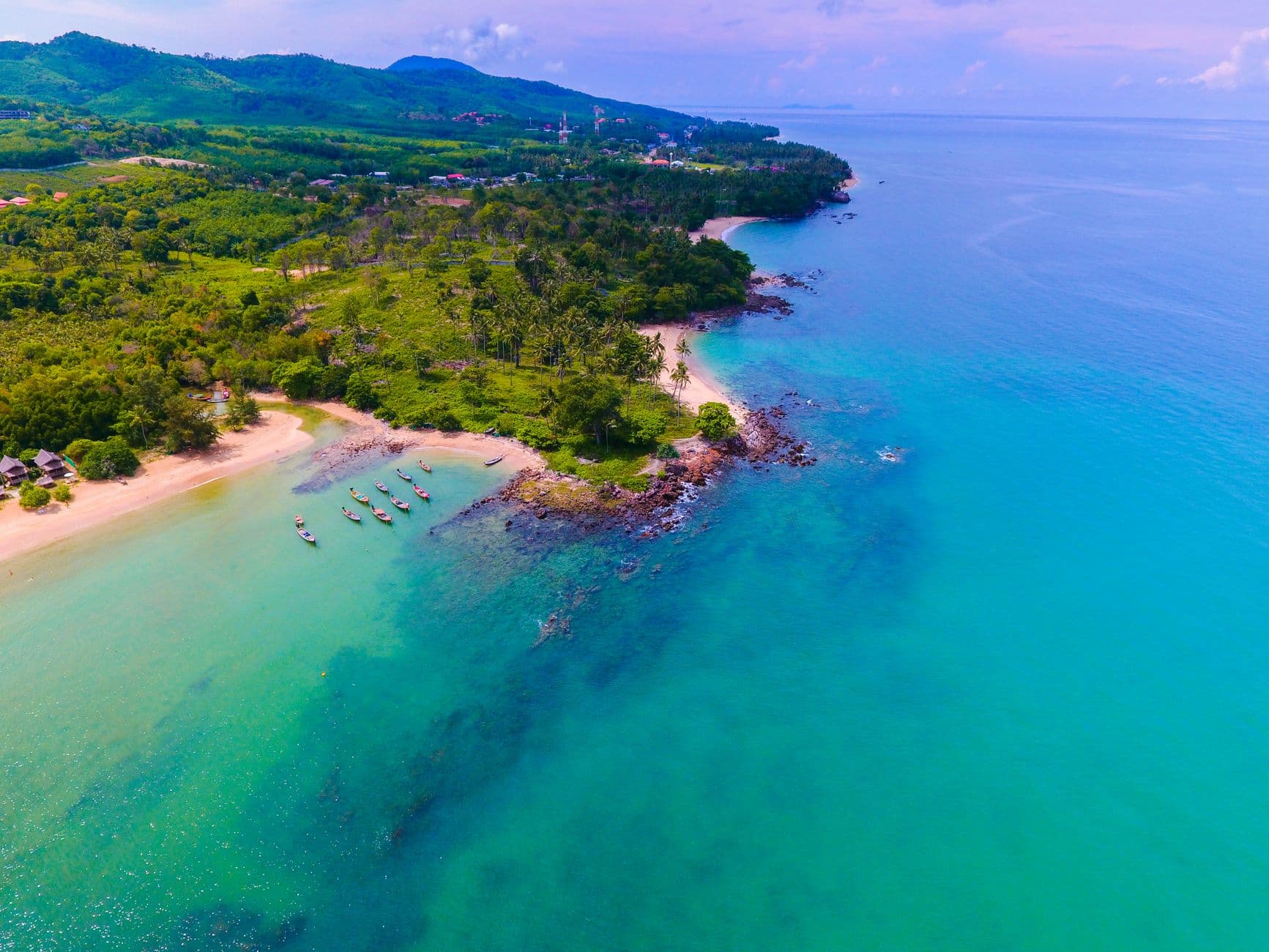
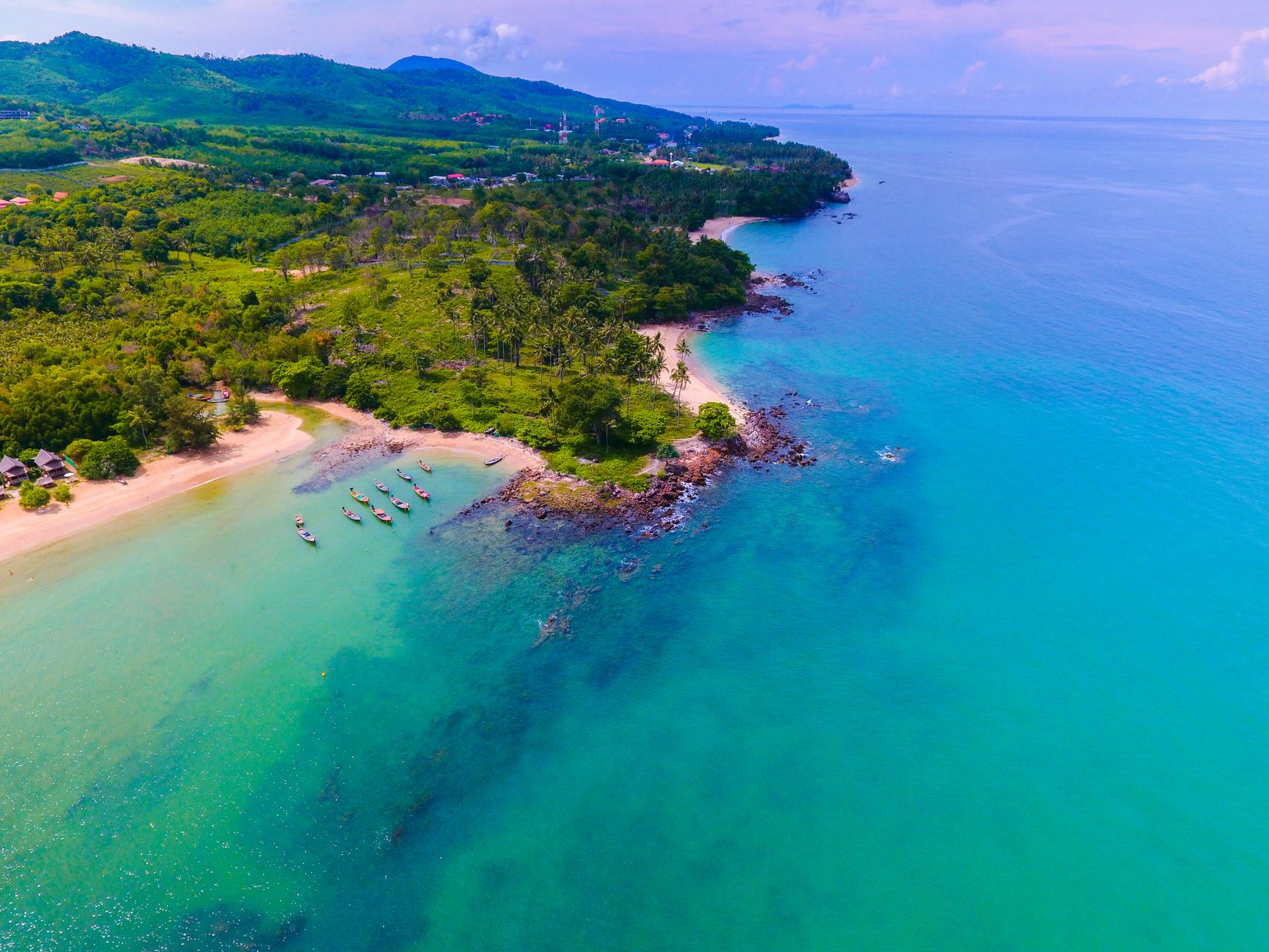
Koh Lanta doesn't announce itself the way Phuket or Koh Phi Phi do. There's no strip of neon bars, no longtail boats queuing three-deep for the same viewpoint. What you get instead is 25 kilometers of west-coast beach road strung with low-rise resorts, a wooden Old Town that still runs on fishing-village time, and enough open sand that you can walk for ten minutes without passing another sunbather.
The island sits in Krabi province, a short hop south of Krabi town by road and ferry, but it feels a full register quieter than anywhere else in that stretch of the Andaman coast. Spring, in the tail end of the dry season, is when Lanta shows its best side: warm, glassy seas, thinner crowds than the December-January peak, and evening light over the Old Town's stilted piers that makes the whole trip worth planning around.
Koh Lanta Quick Facts
Dry Season, Green Season, and the Spring Sweet Spot
Koh Lanta runs on a simple weather rhythm. Roughly November through April is dry season, with the Andaman Sea flat enough for snorkeling boats to run daily and almost every beachfront resort fully open. December and January are the busiest and priciest weeks, when Scandinavian and European visitors fill Long Beach and Kantiang Bay for the northern winter.
March and April, in true spring, are the sweet spot for a quieter trip. Air temperatures climb into the low-to-mid 30s Celsius by afternoon, the sea stays calm, and resort rates typically ease down from peak-season pricing before the rains arrive. May through October is green season: expect afternoon downpours, rougher crossings, and some smaller guesthouses on the west coast closing for a few weeks around September and October, the wettest stretch of the year.
If your trip has any flexibility, aim for a window between mid-February and early April. You'll get the dry-season sea conditions that make day trips to Koh Rok and Koh Haa worthwhile, without competing for a sun lounger on Klong Dao or a dinner table in the Old Town.
Cordelie travel advisors
Planning Koh Lanta? Go with someone who knows
The right suite, the right season, the reservations that never appear online — your Cordelie advisor knows them, and holds them for you.
Plan with a Cordelie advisorFree to ask. Cordelie Travel Services · IATA/ARC 06649064
From Sea Gypsy Villages to Snorkeling at Koh Rok
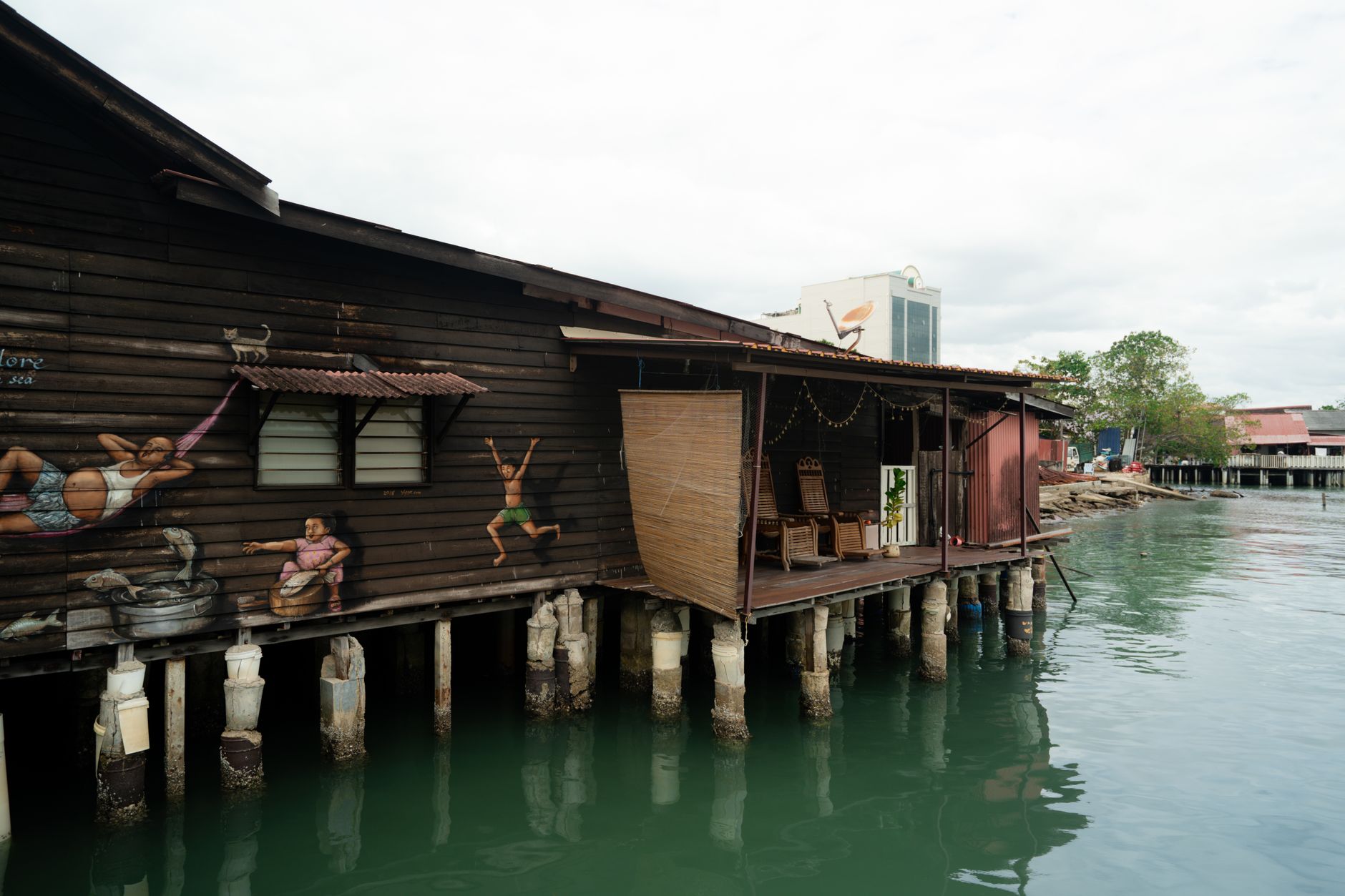
Start with Lanta Old Town, known locally as Ban Si Raya, on the island's sheltered east side facing the mangrove channel toward Koh Lanta Noi. It's a single main street of century-old wooden shophouses built by Chinese, Malay, and Thai traders, raised on stilts over the water at the tidal edge. Walk the pier at low light, when fishing boats return and the sky over the channel turns the whole waterfront gold; the town is compact enough to cover on foot in 15-20 minutes end to end.
The island's west coast is where the beach days happen. Klong Dao, at the north end near the ferry piers, has calm shallow water that suits families. Long Beach, or Hat Phra Ae, is the longest stretch and the closest thing Lanta has to a lively strip, with beach bars and restaurants scattered along roughly 3 kilometers of sand. Further south, Klong Khong draws a laid-back, yoga-and-longboard crowd, while Klong Nin and Kantiang Bay hold some of the island's best boutique resorts behind quieter, shorter beaches framed by limestone headlands.
For open water, book a full-day snorkeling trip to Koh Rok or Koh Haa, roughly 1-1.5 hours by longtail or speedboat from Lanta's piers. Both are inside Mu Ko Lanta National Park's marine boundary and have some of the clearest water in the Krabi archipelago; day trips typically run about 1,800-2,500 THB per person including lunch and gear, and operators generally only go out November through April. At the island's southern tip, Mu Ko Lanta National Park itself has the Laem Tanod lighthouse viewpoint and a short 30-45 minute jungle walk to Khlong Chak waterfall, plus a small sea gypsy (Chao Leh) fishing village worth a slow drive-through.
Koh Lanta in Pictures
Boutique Beachfront Resorts on Lanta's West Coast
Lanta's accommodation scene runs almost entirely low-rise, which is a large part of why the island feels calmer than Phuket. At the top end, Pimalai Resort & Spa occupies a private stretch of Kantiang Bay with pool villas from roughly 15,000-25,000 THB a night depending on season, plus its own beach club and a spa built into the hillside. Layana Resort & Spa, on Long Beach, is an adults-only property known for its lagoon-style pools and a quieter, more romantic register than the beach bars a short walk away.
For design-forward mid-range stays, Costa Lanta on Klong Dao is a concrete-and-wood cabana resort with a beachfront restaurant, with shoulder season rates generally ranging from around 4,400–7,300 THB a night. Sri Lanta, tucked into Klong Nin, has treehouse-style rooms on a jungled slope above a quiet beach, with rates typically in the 3,000-5,000 THB range. Families often do well at Rawi Warin Resort & Spa on Klong Dao, which has multiple pools and enough grounds for kids to roam without crossing the beach road. In the Old Town itself, boutique guesthouses like The Houben Hotel put you in walking distance of the pier restaurants, a good base if you'd rather explore on foot than drive the coast road each evening.
Thai-Muslim Flavors and the Old Town's Saturday Night Market
Koh Lanta's food carries a distinct Thai-Muslim thread, a legacy of the Malay and Chao Leh communities who settled the east coast generations ago. Look for roti stalls doing sweet and savory versions side by side, and curries built on turmeric and coconut rather than the fierier central-Thai chile pastes. Fresh seafood is the constant: grilled squid, steamed sea bass with lime and chile, and whole crab are standard at beachfront restaurants up and down the west coast, usually priced by weight.
In the Old Town, Lanta Seafood sits right over the water near the main pier, a reliable spot for grilled fish and a sunset view of the channel toward Koh Lanta Noi. The Old Town's Saturday Night Market takes over the main street with hawker stalls selling everything from grilled pork skewers to Thai desserts, and it's as good a way as any to see the local community out rather than tourists. On the beach side, most resort restaurants lean toward a mix of Thai and Western menus, but it's worth driving inland at least once for a family-run curry shop where a full plate rarely runs more than 80-120 THB.
“Lanta doesn't have a nightlife scene so much as a long, unhurried dinner that happens to face the water.”
Songthaews, Scooters, and the Two-Ferry Crossing from Krabi
There's no airport on Koh Lanta, so the nearest arrival point is Krabi Airport, roughly 1.5-2 hours from the ferry piers by road. From November through April, the direct ferry from Krabi town or Ao Nang takes about 2 hours and runs around 600-700 THB one way; it's the more scenic option and skips the road crossings entirely. Outside that window, when the direct ferries thin out, most transfers go by minivan, crossing two short car ferries at Ban Hua Hin and Khlong Mark to reach the island, a trip of roughly 2.5-3 hours from the airport door to a west-coast resort.
Once on the island, a rented scooter is the easiest way to see more than one beach in a day, running about 200-300 THB per day from most guesthouses; the coast road is a single flat route so navigation is straightforward, though it's unpaved and bumpy in a few short stretches south of Kantiang Bay. Songthaews, the shared open-sided pickup trucks, circulate the main road and can be flagged down for short hops between beaches for roughly 50-100 THB per person. If you're traveling with a stroller or don't want to drive, most resorts can arrange a private car for day trips to the National Park or the Old Town for a fixed fee, usually cheaper than it looks once split between two or three people.
A Three-Day Loop from Old Town to the National Park
Settle In and Watch the Old Town at Sunset
Arrive via the direct ferry or road transfer and check into a west-coast resort by early afternoon, leaving time to swim before the light softens. Long Beach and Klong Dao are the easiest first-day bases since they sit closest to the ferry piers.
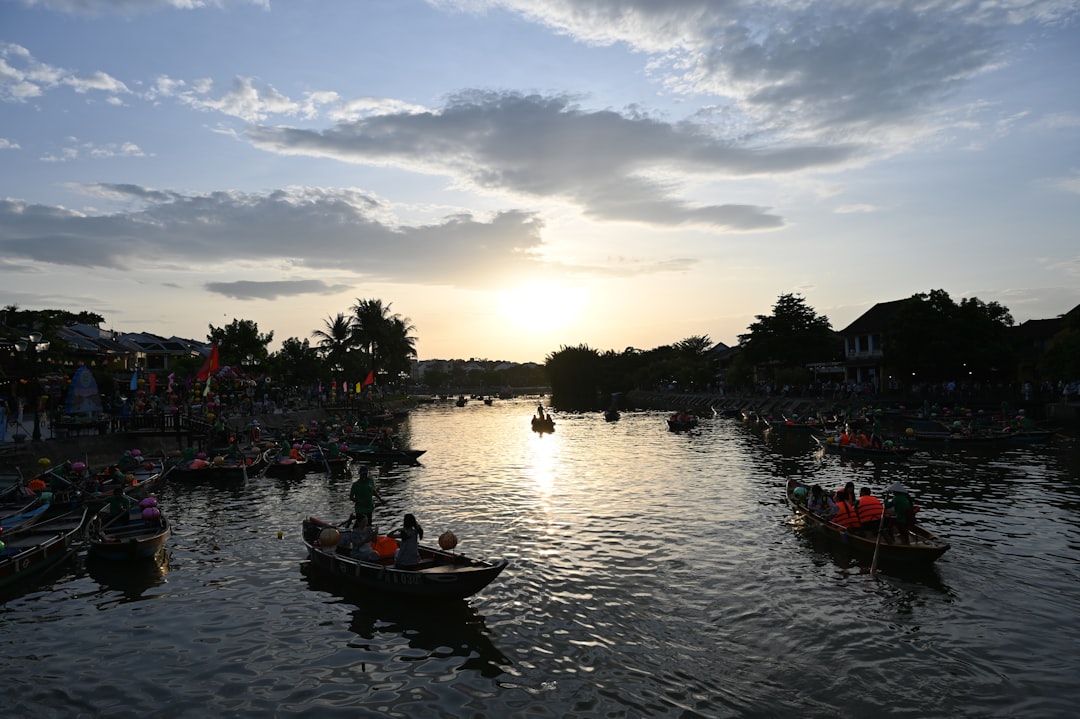
In the late afternoon, drive or take a songthaew across to the Old Town on the east side, about 15-25 minutes depending on your resort's location on the coast road. Walk the wooden pier as the fishing boats come in, then have dinner at Lanta Seafood or one of the neighboring waterfront restaurants while the light drops over the channel.
A Full Day on the Water
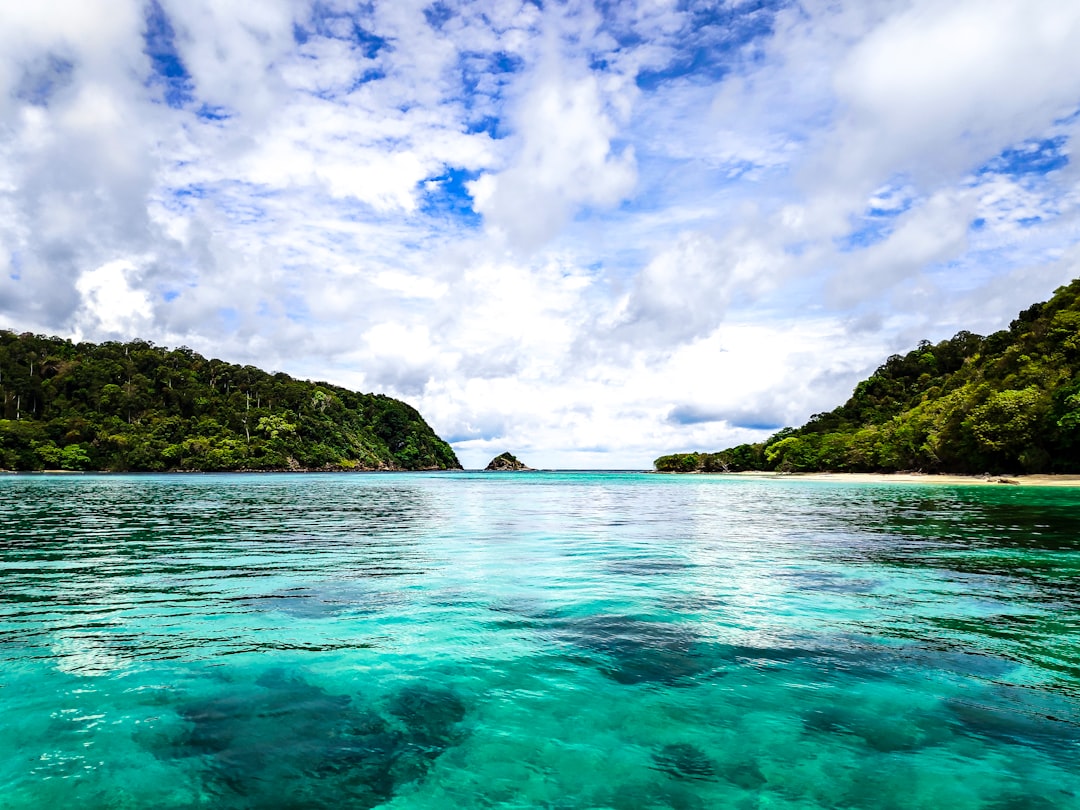
Book a snorkeling day trip to Koh Rok or Koh Haa through your resort or a pier-side operator; boats typically depart around 8:30-9:00am and return by mid-afternoon, with a stop for a beach lunch included in most packages.
Back on Lanta by late afternoon, rinse off and head to Kantiang Bay for a slower second half of the day. The bay's curved beach and limestone headland make it one of the better spots on the island to watch the sun drop, and Pimalai's beachfront bar is open to non-guests for a sundowner if you want a proper vantage point.
South to the National Park and a Quiet Beach Finish
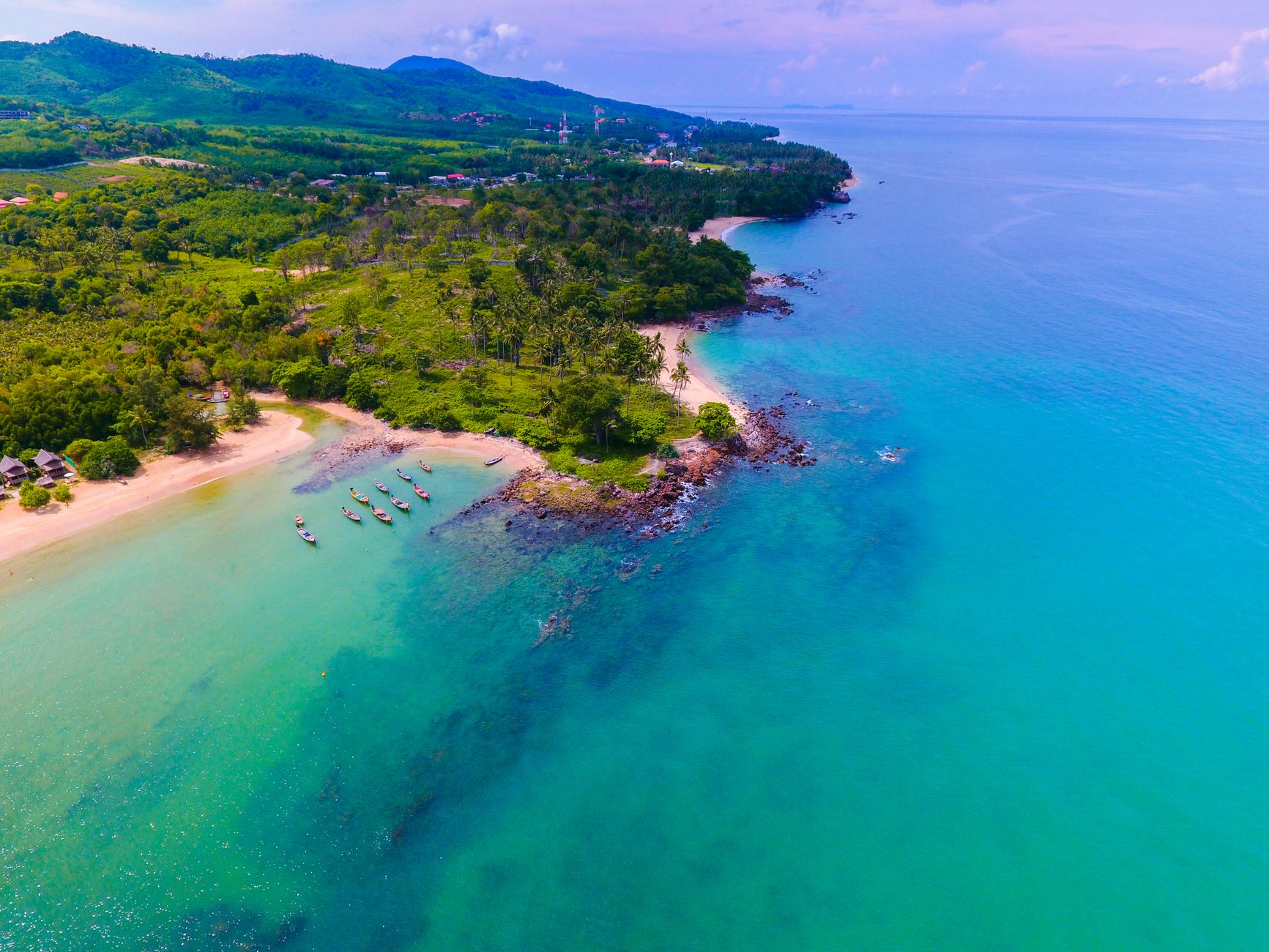
Drive to the southern tip of the island for Mu Ko Lanta National Park, where a small entrance fee applies, generally in the 200-400 THB range per adult; check the current posted rate at the gate. Walk the short trail to Khlong Chak waterfall, roughly 30-45 minutes round trip depending on recent rainfall, then continue to the Laem Tanod lighthouse viewpoint for the coastline view back north.
On the way back, slow down through the sea gypsy village near Sangkha-U for a look at the stilt houses and boats built by the island's Chao Leh community. Close the trip with a late-afternoon swim at Klong Nin, one of the quietest beaches on the west coast, and dinner at a resort restaurant nearby before an early night.
Koh Lanta rewards good timing more than most islands. The direct ferries from Krabi only run in dry season, boat trips to Koh Rok and Koh Haa depend entirely on sea conditions, and the best beachfront villas at properties like Pimalai and Layana book out well ahead of the March-April sweet spot.
A Cordelie advisor can secure the right room on the right beach for how you actually want to spend your days, sequence a Krabi or Bangkok stopover around the ferry schedule, and line up a private boat for Koh Haa on the day the water is calmest. Reach out at https://cordelie.com/contact to start planning.
Koh Lanta at a Glance
A calmer, low-rise alternative to Phuket and Koh Phi Phi, best visited November through April for the long beaches, quiet Old Town, and reliable boat conditions.
Best for travelers who want genuine stretches of empty sand, a boutique resort scene rather than high-rises, and a walkable, low-key town to explore in the evenings.
Plan around a March-April visit for warm, calm seas with fewer crowds than the December-January peak, and allow 2-3 hours to reach the island from Krabi Airport depending on the season.
Skip it if you want dense nightlife or a short transfer from an international gateway; Lanta's appeal is precisely that it takes a bit more effort to reach.
Last checked for accuracy: . How we check

Priya Raman has spent eleven years testing whether a destination works with a four-year-old, a teenager and a grandparent in the same party. She writes the version of the guide that accounts for nap times and still gets you to the good stuff, and travels from Toronto with a carry-on she can pack in nine minutes.