
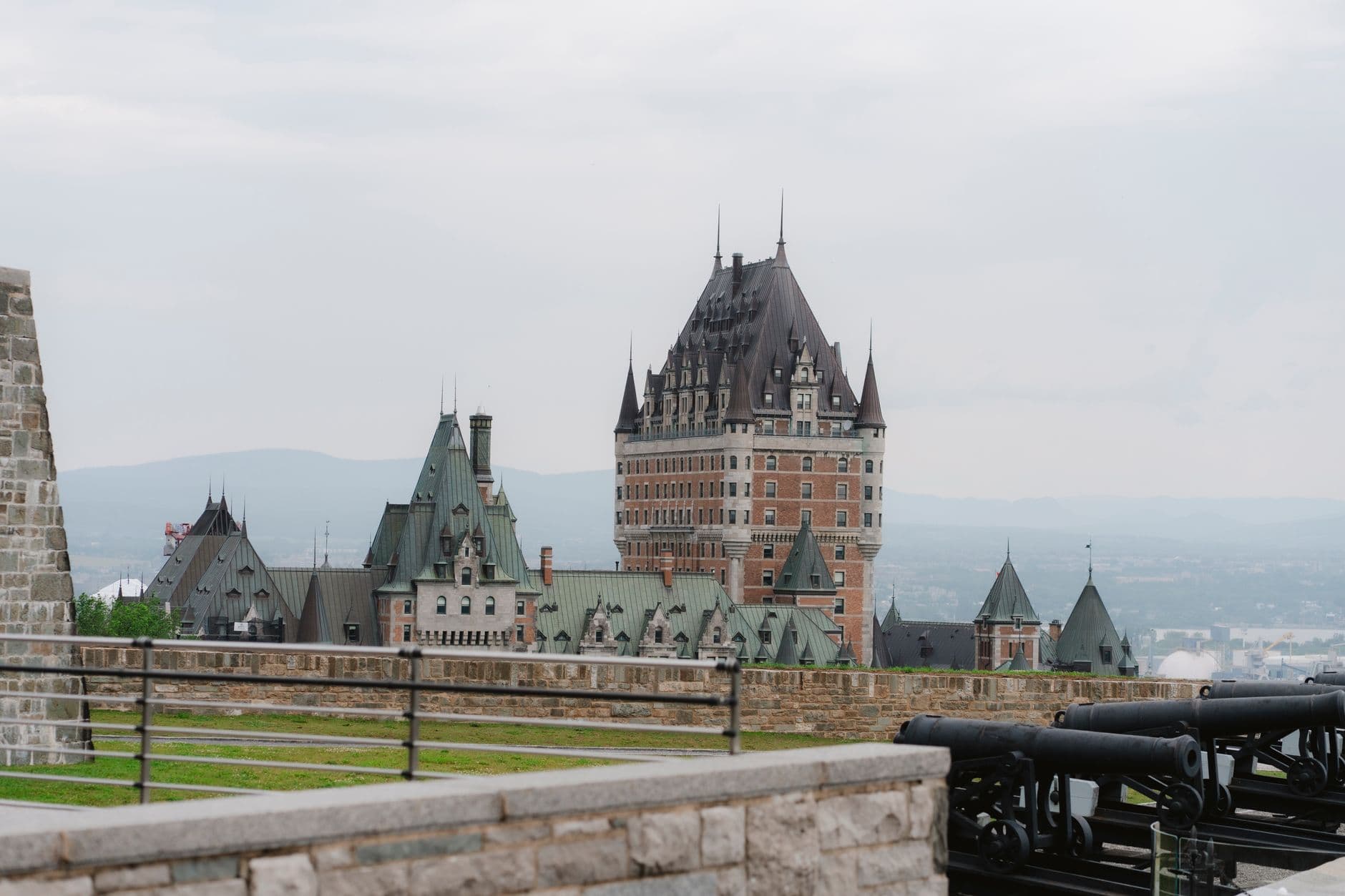
Inside Old Québec: A Deep Dive into North America's Most French Corner

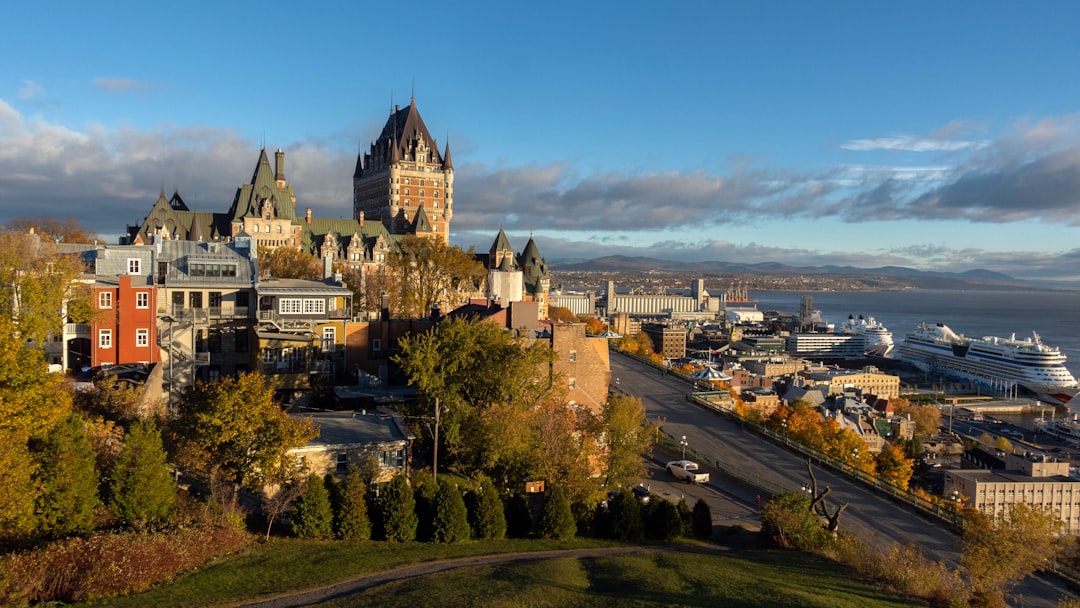
Old Québec in Spring: Inside the Walled Heart of French North America
I arrived in Old Québec on a Tuesday in mid-April, the kind of grey, wet-cobblestone afternoon when the snowbanks along Rue Saint-Louis had finally given up and the outdoor café terraces were still stacked with folded chairs. A woman at the front desk of my hotel, hearing my flattened Parisian French, laughed and said, gently, that I would want to learn a few new words before I ordered lunch. She was not wrong. Within a day I had a small notebook of Québécois expressions, a sore neck from craning up at the ramparts, and a growing suspicion that four nights would not be nearly enough.
“You keep calling it French France here. It is not French France. It is us — we just borrowed the language and kept it in our own pocket.”
Four Days Behind the Ramparts, Between Carnival's Last Snow and Summer's First Crowds
Arrival Along Terrasse Dufferin and a First Taste of Vieux-Québec
I checked into the Auberge Saint-Antoine on Rue Saint-Antoine, a boutique hotel built into an old maritime warehouse where the lobby cases display artifacts pulled from the site's own archaeological dig — nails, pottery shards, a clay pipe stem — found when the foundations were excavated. Rooms in April run roughly CAD 250-350 a night, a fair drop from the summer rate, and the staff seemed genuinely unhurried, which set the tone for the whole trip.
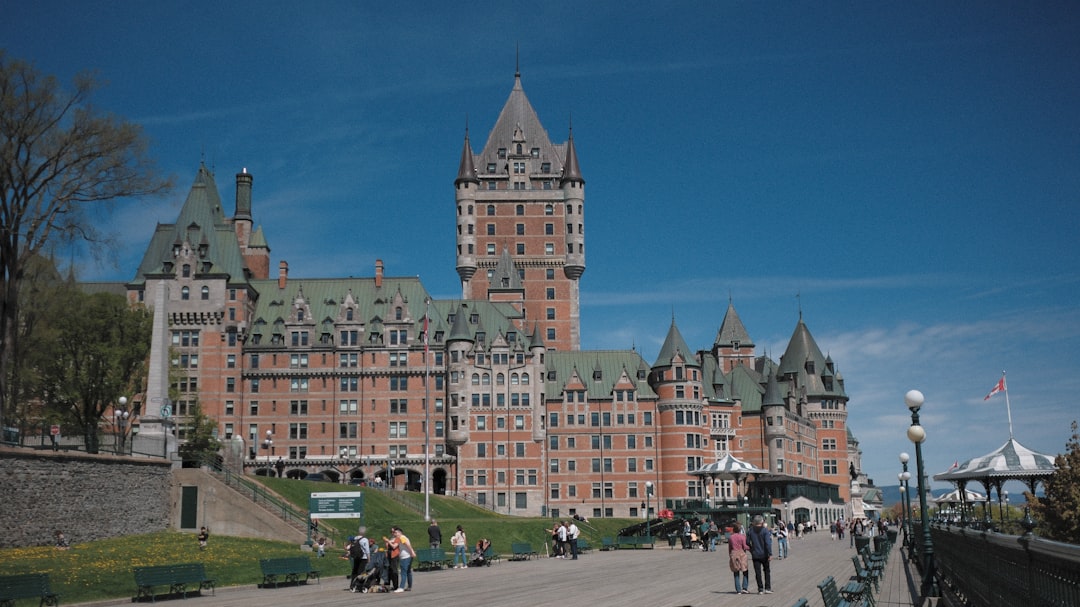
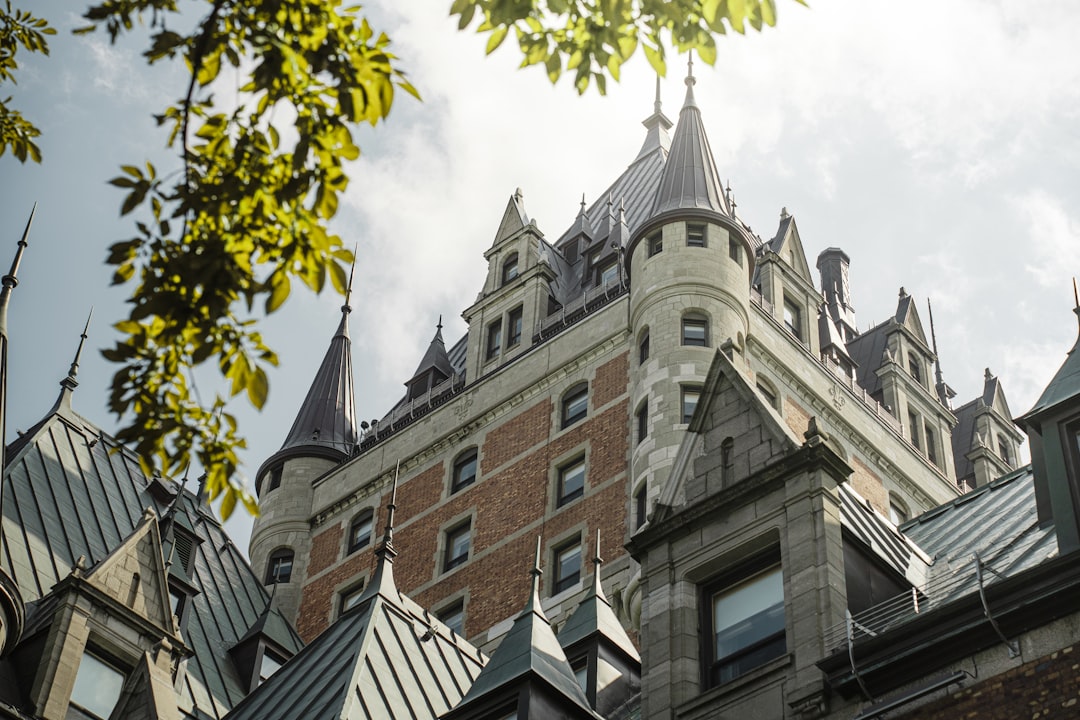
From there it is a ten-minute walk down to Terrasse Dufferin, the boardwalk that runs along the cliff below the Château Frontenac. In spring the river below is still carrying ice floes down toward the Île d'Orléans, and the boardwalk itself was nearly empty at 5 p.m., just a few dog walkers and a street musician packing up his accordion.
Dinner that first night was at Aux Anciens Canadiens, on Rue Saint-Louis, housed in a stone building dated to 1675 and thought to be one of the oldest surviving houses in the old city. I had tourtière and a maple-glazed pork dish, with a glass of local cidre de glace, and the bill for two with wine came to about CAD 140.
Walking the Fortifications with a Parks Canada Guide
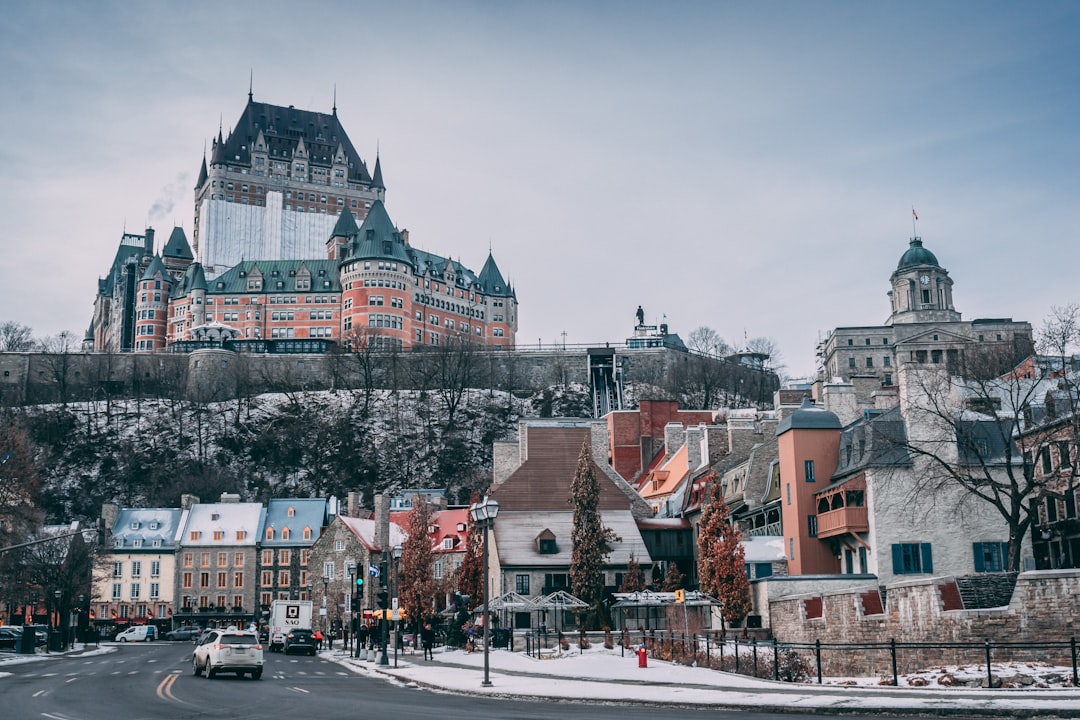
This was the day I had actually planned the trip around. Parks Canada offers a seasonal 90-minute guided walking tour of the Fortifications of Québec National Historic Site along the ramparts; the tour runs daily from June 19 to August 30 with fixed English and French departure times, and from August 31 to October 12 departures are subject to availability and must be confirmed at the Frontenac Kiosk on Dufferin Terrace, with tickets sold at the Kiosque Frontenac.
Our guide, Marie-Claude, grew up in Lévis, across the St. Lawrence, and had studied history at Université Laval. She walked us along Rue des Remparts, past the Poudrière de l'Esplanade, and up onto the ramparts near Porte Saint-Louis, explaining how the walls — begun under French rule and finished by the British after 1759 — are the reason Old Québec is often cited as the only fortified city in North America north of Mexico to retain its walls intact, a detail UNESCO leans on in its own citation for the site's World Heritage listing.
It was on this walk that the conversation about language really opened up. I asked Marie-Claude whether she found European French easy to follow, and she said mostly yes, though certain Québécois words — dépanneur for corner store, char for car, magasiner for shopping — would leave a Parisian blinking. She was patient about it in a way that felt less like correcting a tourist and more like sharing something she was proud of.
In the afternoon we walked the Plains of Abraham and up to the Citadelle of Québec, the star-shaped fortress still used by the Royal 22e Régiment. Guided tours of the Citadelle run roughly CAD 18-22 depending on season, and in spring the changing of the guard ceremony that draws crowds in summer had not yet resumed for the year, so we had the parade square almost to ourselves.
Sugar Season on the Côte-de-Beaupré and Montmorency Falls
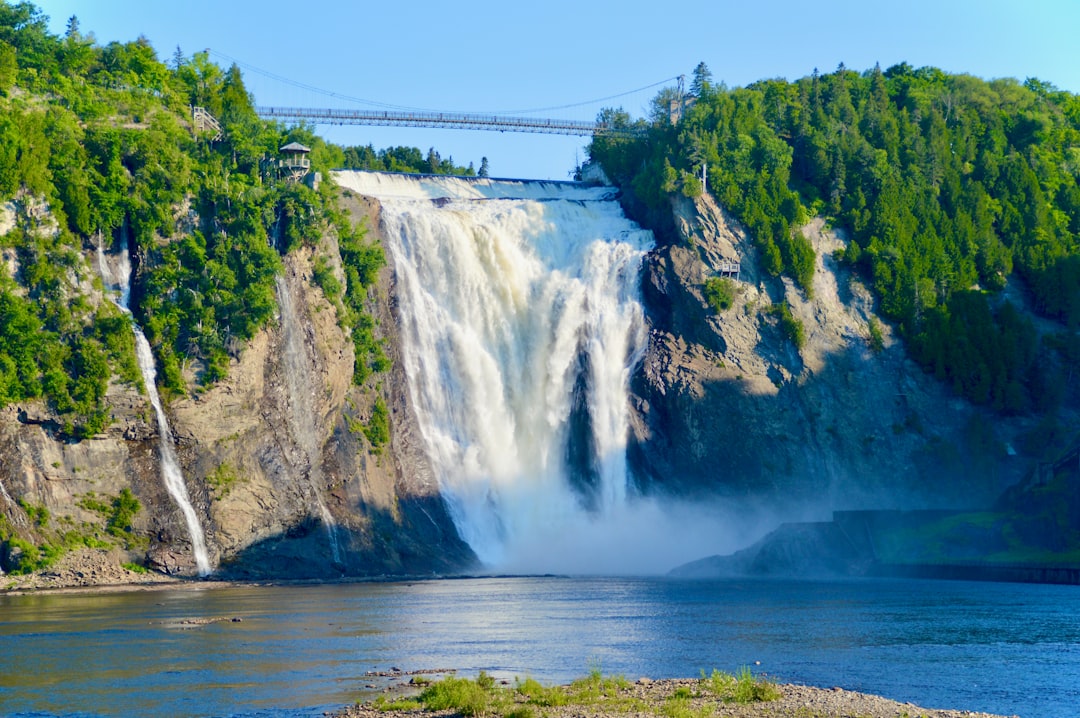
A local friend of Marie-Claude's drove a few of us out along the Côte-de-Beaupré, the stretch of shoreline east of the city, to a family-run cabane à sucre for the tail end of the sugaring season, which typically runs from late February into April depending on the thaw. Lunch there follows a set ritual: pea soup, ham baked in maple syrup, pork rinds called oreilles de crisse, and eggs cooked right in the syrup, finished with tire d'érable — hot maple taffy poured onto snow and rolled up on a stick. The set meal ran about CAD 35-40 a head.
On the way back into town we stopped at Montmorency Falls, about 20 minutes from Old Québec by car and a short detour off Route 138. The falls drop roughly 83 metres, taller than Niagara Falls though nowhere near as wide, and in April they were running hard with spring meltwater. A cable car up to the top costs around CAD 16-20 round trip, and the suspension bridge across the top of the falls was genuinely a little unnerving with the water thundering below.
Back in the old city by early evening, I skipped a formal dinner and instead had a bowl of poutine and a local IPA at a small spot on Rue Saint-Jean, watching the last light hit the rooftops.
Petit-Champlain, the Basilica, and a Last Supper on Rue Saint-Jean
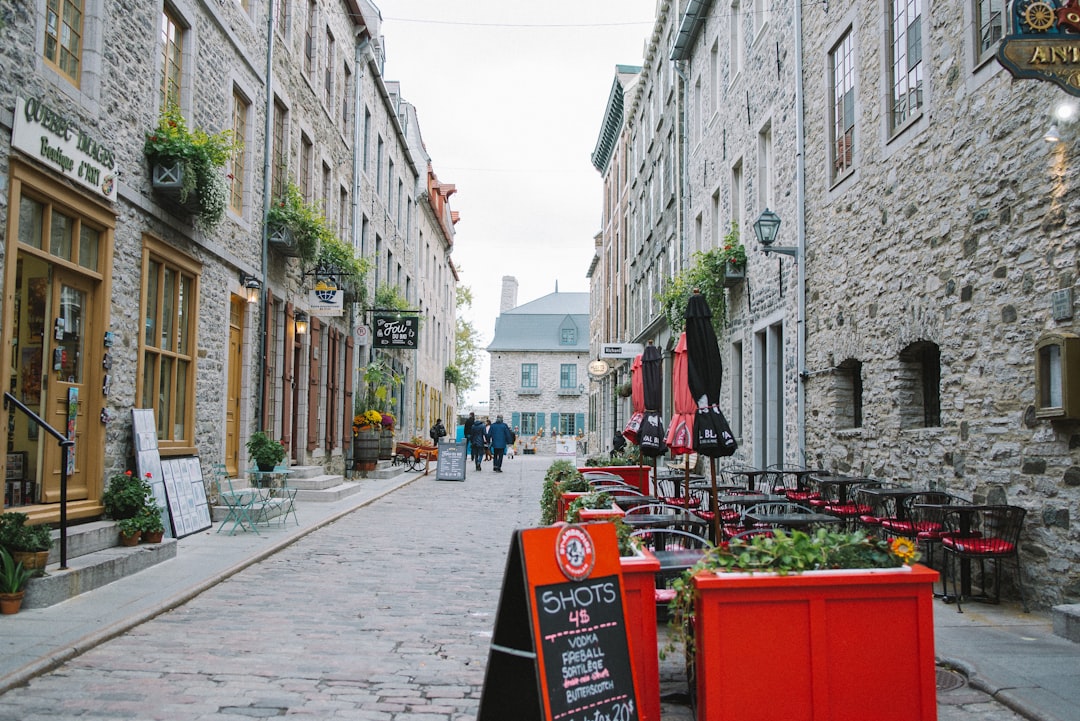
The last full day was for wandering without a plan, which in Old Québec still means covering plenty of ground because the whole district is small enough to walk end to end in under 30 minutes. I spent the morning in the Musée de la civilisation down near the port, where a permanent exhibition on Québec identity does a better job than any guidebook of explaining how the province's French diverged from Europe's over four centuries of relative isolation.
From there I dropped down Rue du Petit-Champlain, the narrow shopping street below the cliff, which claims to be among the oldest commercial streets in North America; it was busy with a handful of early-season visitors but nothing like the packed lanes I'd been warned about for July and August. I ducked into the Basilique-cathédrale Notre-Dame-de-Québec on Rue de Buade, whose current structure dates largely from a 1920s rebuild after a fire, though the parish itself traces back to the 1600s.
For a last dinner, a shopkeeper on Rue Saint-Jean sent me to Chez Boulay – bistro boréal, which builds its menu around Québec's boreal forest ingredients: sea buckthorn, cedar, spruce tips, Arctic char. Dinner for one with a glass of wine ran about CAD 65-75, and it felt like the right, quietly confident note to end on.
Scenes from Four Days Inside the Walls
Cordelie travel advisors
Planning Old Québec? Go with someone who knows
The right suite, the right season, the reservations that never appear online — your Cordelie advisor knows them, and holds them for you.
Plan with a Cordelie advisorFree to ask. Cordelie Travel Services · IATA/ARC 06649064
The Moments That Made Me Stay an Extra Night
Two things stood out more than I expected going in. The first was how much the season shapes the city's personality. Locals talk about Carnaval de Québec, held every winter in late January and early February, as a completely different city — ice sculptures on Place George-V, night parades, Bonhomme Carnaval's giant snowman figure presiding over it all, everyone bundled against temperatures that regularly drop well below freezing. By April, the ice canoe races and snow slides are long gone, and the city has entered a hush before the Festival d'été de Québec fills the same streets with concert crowds every July. Spring, in between, is when Old Québec feels most like it belongs to the people who live there rather than to an event.
The second was the language itself, which turned into a running conversation with almost everyone I met. A bookseller near Place Royale told me she switches into a more European-sounding register for tourists without really noticing, then slides back into joual, the informal Québécois vernacular, the moment a friend walks in. It is not a matter of one French being more correct than the other; it is closer to the difference between two dialects that split off centuries ago and kept evolving on their own terms, shaped by English contact, isolation, and a fierce, ongoing pride in linguistic independence from both Paris and English Canada.
Eating Like It's Sugaring Season: Tourtière, Maple, and Boreal Bistros
Food in Old Québec in April runs on two tracks. There is the traditional Québécois table — tourtière, pea soup, cheese curds, poutine, maple syrup in everything — which peaks around cabane à sucre season and is best eaten out of town at a real sugar shack rather than a downtown restaurant chasing the same theme. And there is a newer wave of bistros treating Québec's own terroir as something worth taking seriously on its own terms, not as a regional footnote to French cuisine.
For the traditional side, Aux Anciens Canadiens on Rue Saint-Louis remains the most atmospheric spot inside the walls, its dining rooms lit by fireplaces and its menu leaning hard into tourtière, cipâte, and maple-braised meats. For the second track, Chez Boulay – bistro boréal on Rue Saint-Jean and Le Clocher Penché just outside the walls in Saint-Roch both build menus around Québec forest and river ingredients — spruce tips, sea buckthorn, char, elk — served with none of the self-seriousness that phrase might suggest. Between the two, a few days in Old Québec taught me that calling this cuisine simply French does it a real disservice; it has its own pantry, its own techniques, and its own history of making do through long winters that European French cooking never had to reckon with.
The best hour on the fortifications is before the walking-tour groups gather, and that hour is easiest to claim with a guide arranged just for you. A Cordelie advisor can build a private early walk along the ramparts with a certified local guide, timed around sugaring season, Carnaval, or the summer festival calendar depending on what you want the city to feel like.
They can also secure a river-view room at Auberge Saint-Antoine or a suite at the Château Frontenac before the shoulder-season rates disappear, and layer in a sugar shack lunch, a boreal tasting menu, or a private Musée de la civilisation walkthrough — the kind of days that are hard to piece together from a hotel front desk.
Is Old Québec Worth Four Days in Spring?
Yes, especially for travelers who want culture and conversation over crowds and checklists.
Old Québec rewards slowness more than almost anywhere else I have written about. The old town is small enough to see the surface of in a single afternoon, but the fortifications, the language, and the food all take longer to actually understand, and April gave me room to have real conversations instead of queueing behind tour buses.
This trip suits readers with a cultural bent more than thrill-seekers or beach travelers: people who want a walking tour that ends in a real discussion about linguistics, a sugar shack lunch that doubles as a history lesson, and a hotel bar where the bartender will happily argue with you about whether Québécois is a dialect or its own language. Budget roughly CAD 250-350 a night for a well-placed boutique hotel, CAD 30-70 per person for most dinners, and a half-day for the fortifications walk alone — then build the rest of the trip around whichever season's version of the city you actually want to meet.
Last checked for accuracy: . How we check

Alex Moreau writes about going slowly. Nine years of reporting from trains, river boats and towns nobody has a hashtag for, mostly across Europe and North Africa. They live in Lisbon, keep a running list of the continent's best two-hour lunches, and believe most itineraries would improve if you deleted a city.