
Ice and Opulence: Comparing the Top Luxury Expedition Ships Cruising the Lemaire Channel

Why the Lemaire Channel Turns Even Jaded Travelers Into First-Timers
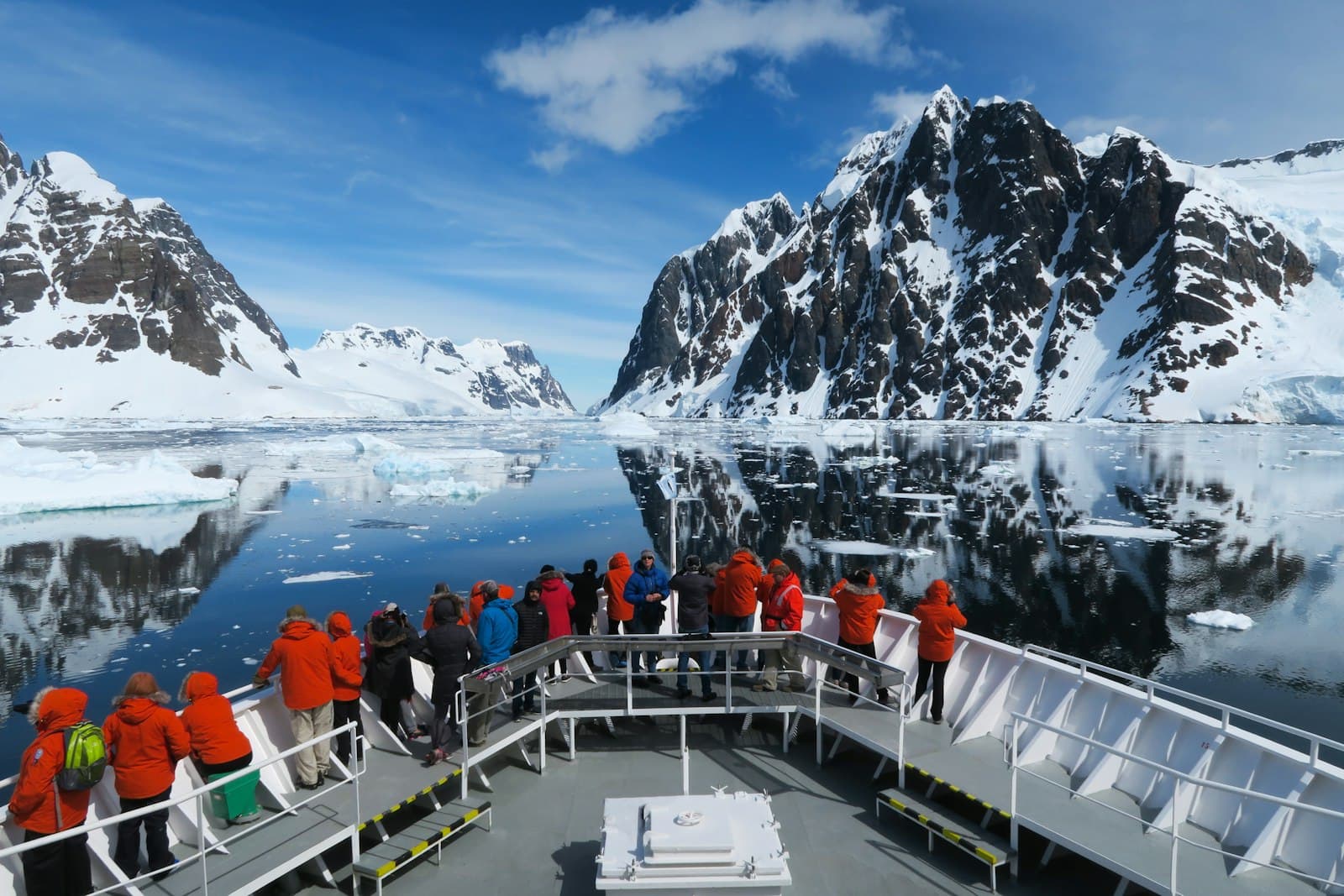
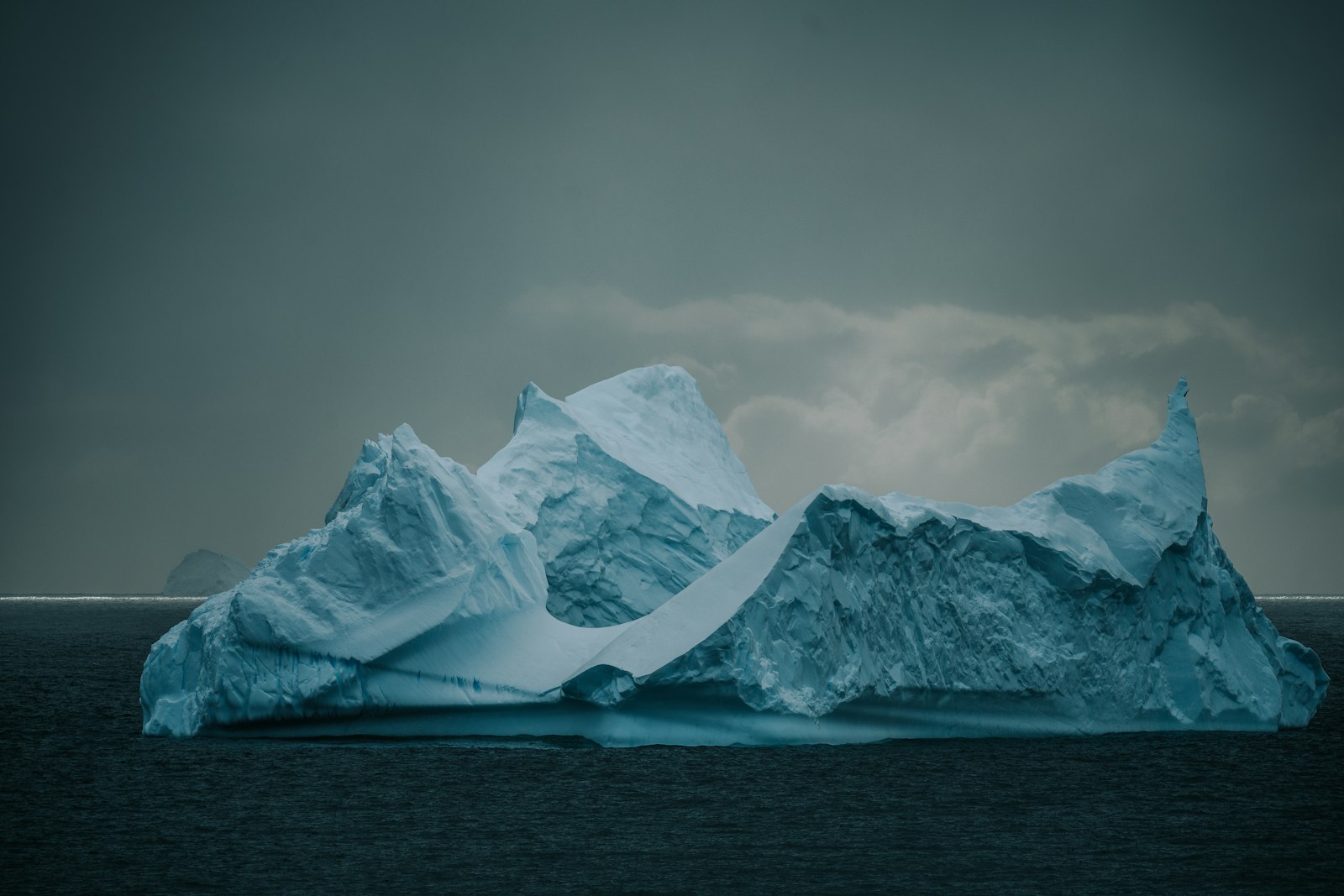
There is a stretch of water on the Antarctic Peninsula barely 1,600 meters wide where mountains drop sheer into the sea on both sides and the only sound is the hull cutting through brash ice. Captains call it the Lemaire Channel, though expedition staff more often just say "the Channel," the way locals shorten a name they use constantly. Eleven kilometers long, flanked by Booth Island and the Peninsula mainland, it opens at its southern end into Paradise Bay, a wide amphitheater of glaciers calving into still water. Guests who have cruised the Mediterranean a dozen times over tend to go quiet here, cameras forgotten for a minute or two.
What makes this stretch worth building an entire voyage around is not just the scenery, though the scenery alone justifies the trip. It is the fact that only expedition-class ships with ice-strengthened hulls and genuinely skilled bridge teams can reliably attempt the transit, and only a handful of operators do it in true luxury. That scarcity is the point. This guide compares the ships most likely to carry you through, so you can match your own idea of indulgence to the right hull.
Lemaire Channel & Paradise Bay: Quick Facts
Reading Spring Ice: When the Lemaire Channel Actually Opens
Austral spring, roughly late October through November, is a gamble worth understanding before you book. Sea ice can still choke the Channel's southern approach, and expedition leaders will not force a transit that risks the hull or the schedule. The reward for travelers who come anyway is a Paradise Bay still rimmed in fast ice, gentoo penguins just beginning to court on bare rock, and a near-absence of other ships. By December, the Channel is usually navigable on most attempts, and daylight stretches close to 20 hours, letting the captain choose the calmest hour for the passage rather than racing a sunset that barely arrives.
January and February bring the warmest air temperatures, typically hovering a few degrees either side of freezing, and the most consistent access to both the Channel and Paradise Bay's anchorages at Skontorp Cove and Waterboat Point. By March, as the season closes, the ice has often retreated further still, but the wildlife calendar is turning: chicks are fledging, and some ships begin tracking whale concentrations rather than penguin colonies. None of this is guaranteed on any single sailing. Ice charts shift by the day, and even the best captain reroutes to Neko Harbour or Cuverville Island when the Channel is blocked.
Cordelie travel advisors
Go with someone who knows
The right suite, the right season, the reservations that never appear online — your Cordelie advisor knows them, and holds them for you.
Plan with a Cordelie advisorFree to ask. Cordelie Travel Services · IATA/ARC 06649064
Zodiacs, Polar Plunges, and the Hush of Paradise Bay
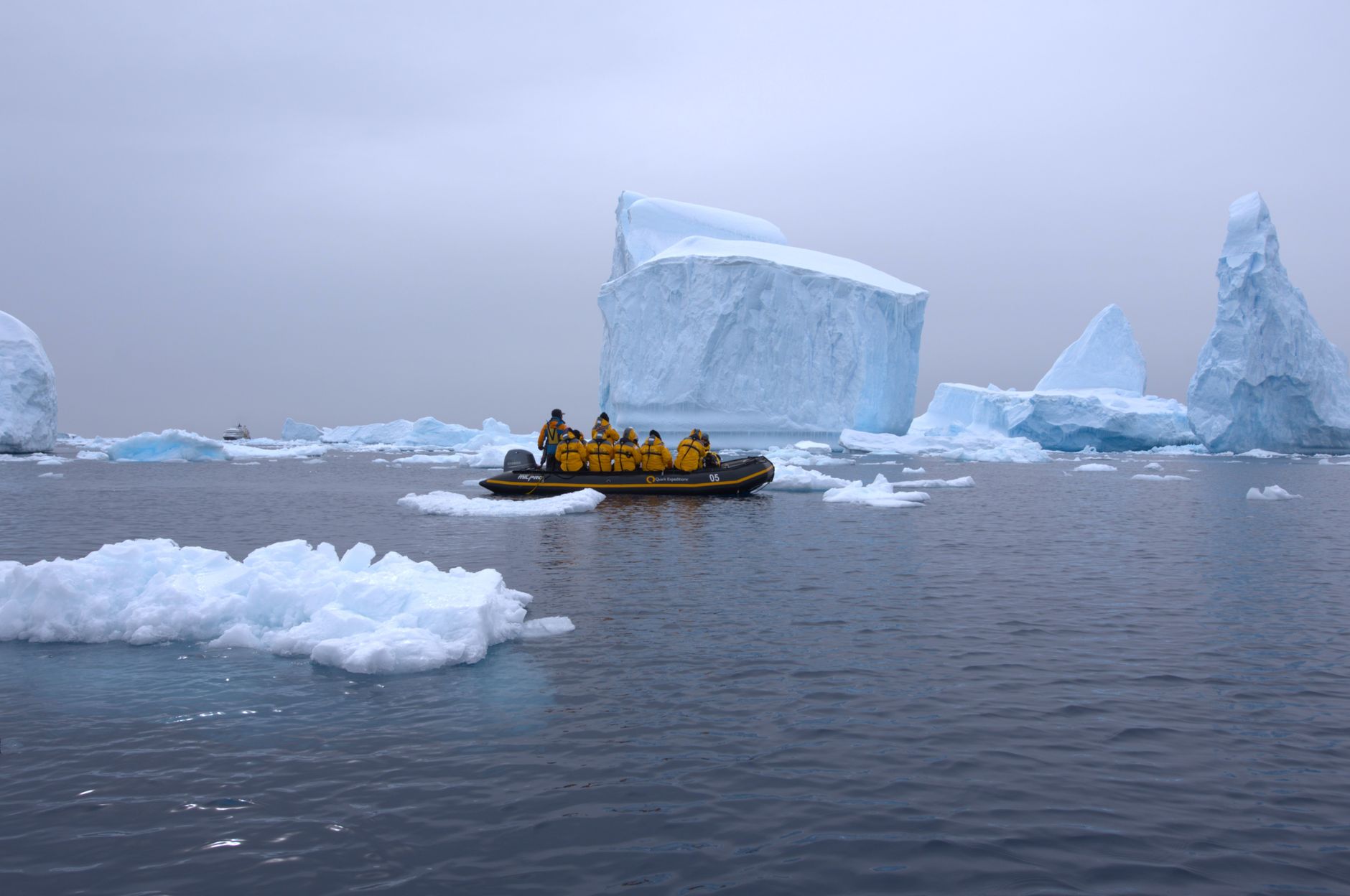
The actual Lemaire transit is a bridge-deck experience: guests gather on open decks or in observation lounges while the ship threads the gap, often at a crawl of 4 to 6 knots so nobody misses a seal hauled out on a floe. Paradise Bay, by contrast, is where the hands-on moments happen. Zodiac cruises here run 60 to 90 minutes, nosing toward tidewater glacier faces at Skontorp Cove while naturalists point out the blue striations where compressed ice refracts light. Expect at least one, often two, landings per day when conditions allow, with gentoo and chinstrap penguin colonies at Danco Island and Cuverville Island among the most consistent.
Kayaking is offered by most operators as a paid add-on, usually in small groups of six to eight guests with a dedicated guide, and it gets you lower to the water than any zodiac can. The polar plunge, a brief and bracing swim in water hovering around -1°C, remains the ritual nobody admits to looking forward to until they are back on deck with a blanket and a shot of something warm. For travelers chasing a genuinely rare angle, a handful of ships now offer submarine dives or helicopter flights over the Peninsula's interior, both covered further on, since they are really a function of which vessel you choose rather than a universal option.
Scenes from the Channel and the Bay
Four Ships, Four Very Different Ideas of Polar Luxury
No single vessel is objectively "the best" through the Lemaire Channel; each of the ships below handles the ice capably, carries fewer than 300 guests, and runs IAATO-compliant landings. Where they diverge is in personality, and that is what should drive your choice. A traveler who wants Ducasse-trained cuisine and the deepest ice access will book differently from one who wants two helicopters and a submarine, or one who simply wants an all-suite ship that feels like a quiet private yacht.
Silver Endeavour: Silversea's All-Suite Flagship for Classic Elegance
Silversea's Silver Endeavour carries around 200 guests across all-suite accommodation, from 350-square-foot Veranda Suites up to a two-level Owner's Suite with a private hot tub. Butler service is standard fleet-wide, dining spans the main Explorer Dining Room, the more intimate Atlantide, and an outdoor Grill, with no reservations required and no surcharges. The zodiac fleet runs roughly 20 boats, launched from a dedicated marina deck rather than hoisted over the side, which speeds up landings considerably. Expedition staff typically include geologists, ornithologists and historians delivering two to three lectures a day in the ship's theater, pitched for curious generalists rather than specialists.
Scenic Eclipse: The Discovery Yacht with a Submarine and Two Helicopters
Scenic Eclipse carries up to 200 guests in all-suite, all-balcony cabins starting around 322 square feet, and it is the only ship in this comparison carrying a seven-seat submarine and two onboard helicopters for weather-dependent flights over the Peninsula's interior. Dining options run to seven venues, including the Pan-Asian Koko's and the French-leaning Lumière, all included in the fare. The zodiac fleet numbers around 16, supplemented by kayaks and paddleboards. The Discovery Lounge hosts a rotating science program with marine biologists and polar historians, and the ship's spa, with an outdoor infinity pool and igloo-style spa pods, is a genuine differentiator after a cold morning on deck.
Seabourn Venture: National Geographic-Grade Science Meets Seabourn Service
Seabourn Venture holds around 264 guests in all-suite, all-veranda cabins, with Expedition Suites starting near 300 square feet and a Wintergarden Suite offering an enclosed glass sunroom off the bedroom. Its Ventures by Seabourn program partners with National Geographic photographers and includes a six-seat submarine as a paid excursion, alongside a 24-strong zodiac fleet. Dining leans classic Seabourn: the main Restaurant, the more casual Earth & Ocean, and in-suite dining with no limitations on timing. Lectures run most sea days and are notably photography-focused, reflecting the Nat Geo partnership, with field guides accompanying every landing group.
Le Commandant Charcot: Ponant's Icebreaker for the Deepest Access
Le Commandant Charcot is a hybrid electric-LNG polar icebreaker carrying around 245 guests, and its ice class lets it push into conditions other luxury ships simply cannot attempt, making it the most likely of the four to still reach the Channel on a marginal ice day. Suites run from compact Deluxe Staterooms to a two-bedroom Owner's Suite, and the signature Blue Eye lounge offers underwater viewing through hydrophone-equipped portholes below the waterline. Dining includes Nuna, overseen by Alain Ducasse's team, and the more relaxed Sila; a snow room and heated infinity pool round out the spa deck. Science programming is run with polar research partners and tends toward genuinely technical, data-collection-adjacent talks rather than general-interest lectures.
Fine Dining at the Bottom of the World
Antarctica has no indigenous cuisine or local market to draw from, so the culture here is really the culture of the ship itself, and the better operators treat that seriously. Expect Patagonian lamb and king crab sourced through Ushuaia or Punta Arenas suppliers, Chilean and Argentine wine lists heavy on Mendoza Malbec, and a captain's dinner timed to the night of the Lemaire transit on most itineraries. Etiquette is relaxed; smart-casual covers nearly every dinner aboard these four ships, with only the occasional black-tie evening on longer voyages. The real cultural experience is the mandatory IAATO briefing before your first landing, a short but non-negotiable session on boot disinfection, minimum wildlife distances, and why you never, ever leave so much as an orange peel on the ice.
“You don't talk much in the Channel. You just stand there and let the scale of it rearrange your sense of what big means.”
From Ushuaia to the Ice: The Logistics of Reaching the Peninsula
Nearly every voyage to the Lemaire Channel embarks from Ushuaia, Argentina, reached by a roughly 3.5-hour flight from Buenos Aires, or occasionally from Punta Arenas, Chile. The Drake Passage crossing takes about 36 to 48 hours each way, and all four ships here are stabilized well enough that seasickness is manageable for most guests, though motion patches are still worth packing. A smaller number of itineraries offer a fly-cruise option, skipping one Drake crossing via a charter flight to King George Island, though that is more common on non-luxury operators and worth confirming case by case. Once on board, movement is entirely by zodiac; there are no roads, docks or piers south of Ushuaia.
Three Days Through the Peninsula's Signature Scenery
Crossing the Drake, Settling Into the Science Program
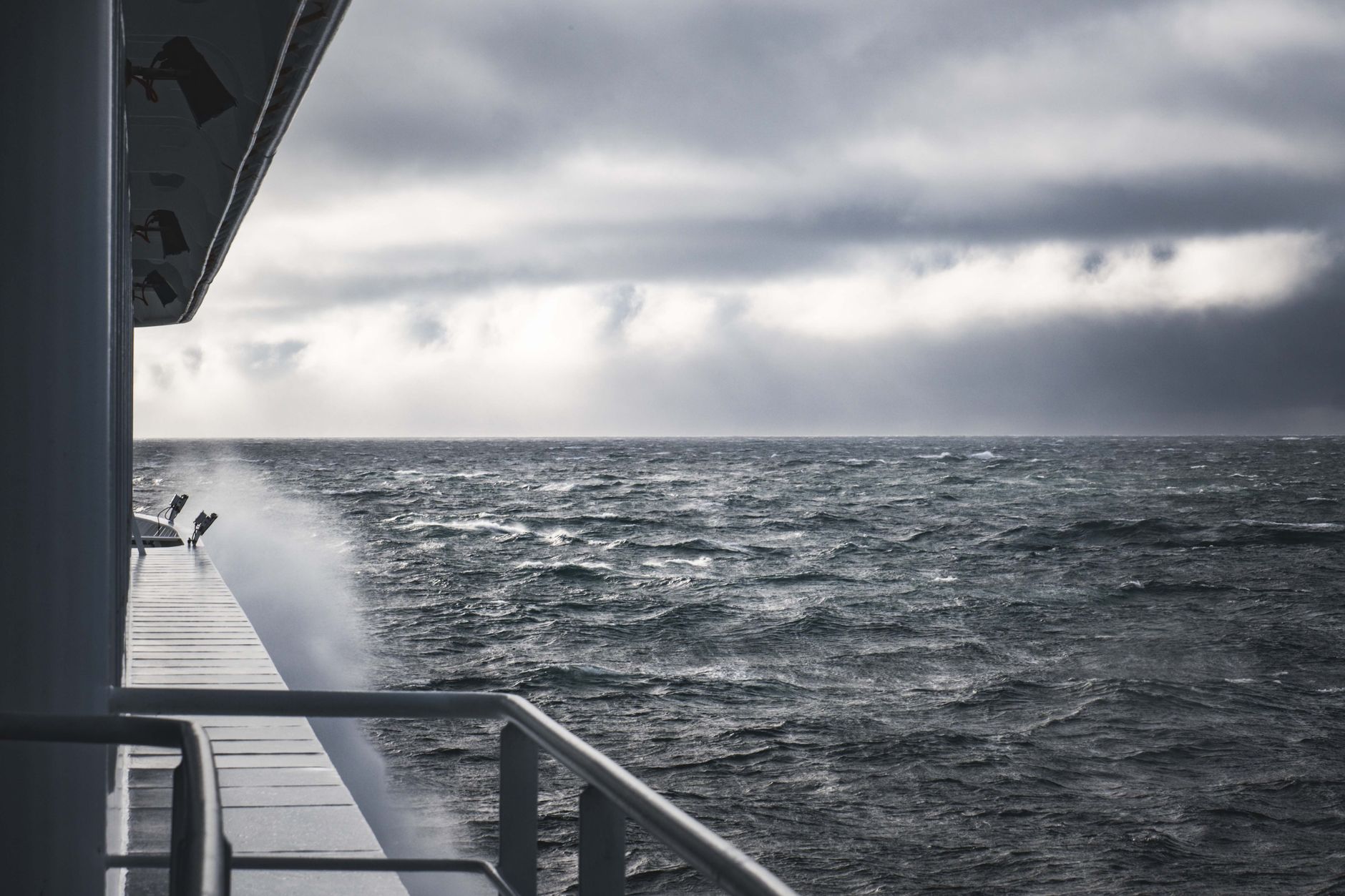
After boarding in Ushuaia the previous evening, the first full day is spent crossing the Drake Passage, roughly 36 to 48 hours of open water depending on sea state.
Expedition staff use this time for mandatory IAATO briefings, gear fittings for boots and parkas, and the first round of lectures covering Peninsula geology and seabird identification.
Spa and dining venues are at their quietest now; it is a good window to book a treatment or try the ship's specialty restaurant before landings begin.
The Lemaire Channel Transit and a Paradise Bay Landing
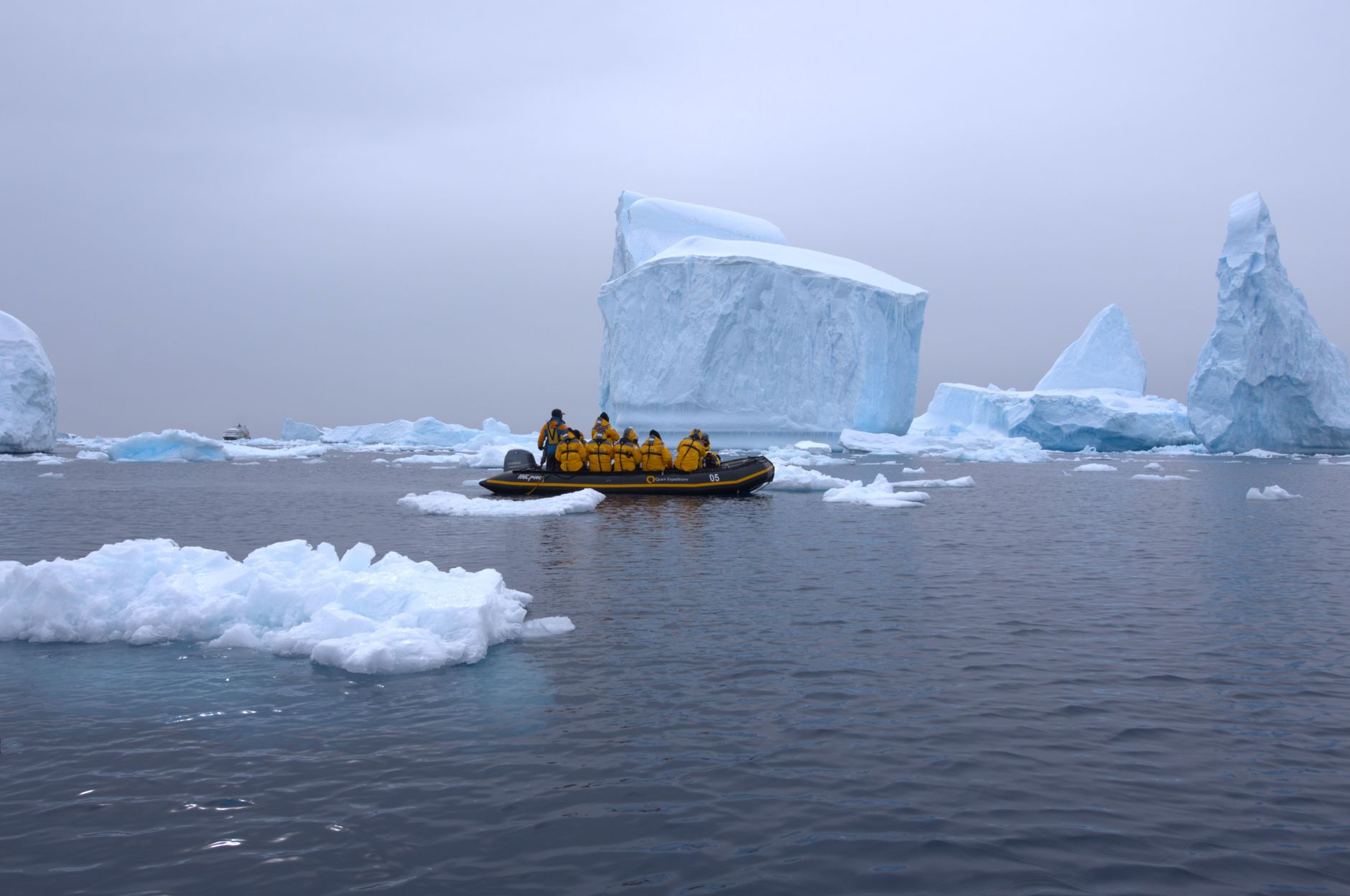
Land is typically sighted on the morning of day two, with the ship entering the South Shetland Islands or the Gerlache Strait before conditions are assessed for the Lemaire transit itself.
The Channel passage usually takes 30 to 45 minutes at reduced speed, with open decks and the bridge wings open to guests throughout.
In the afternoon, zodiacs ferry small groups toward Paradise Bay's glacier faces at Skontorp Cove, with a landing at Waterboat Point weather permitting.
Danco Island, Cuverville, and the Northbound Turn
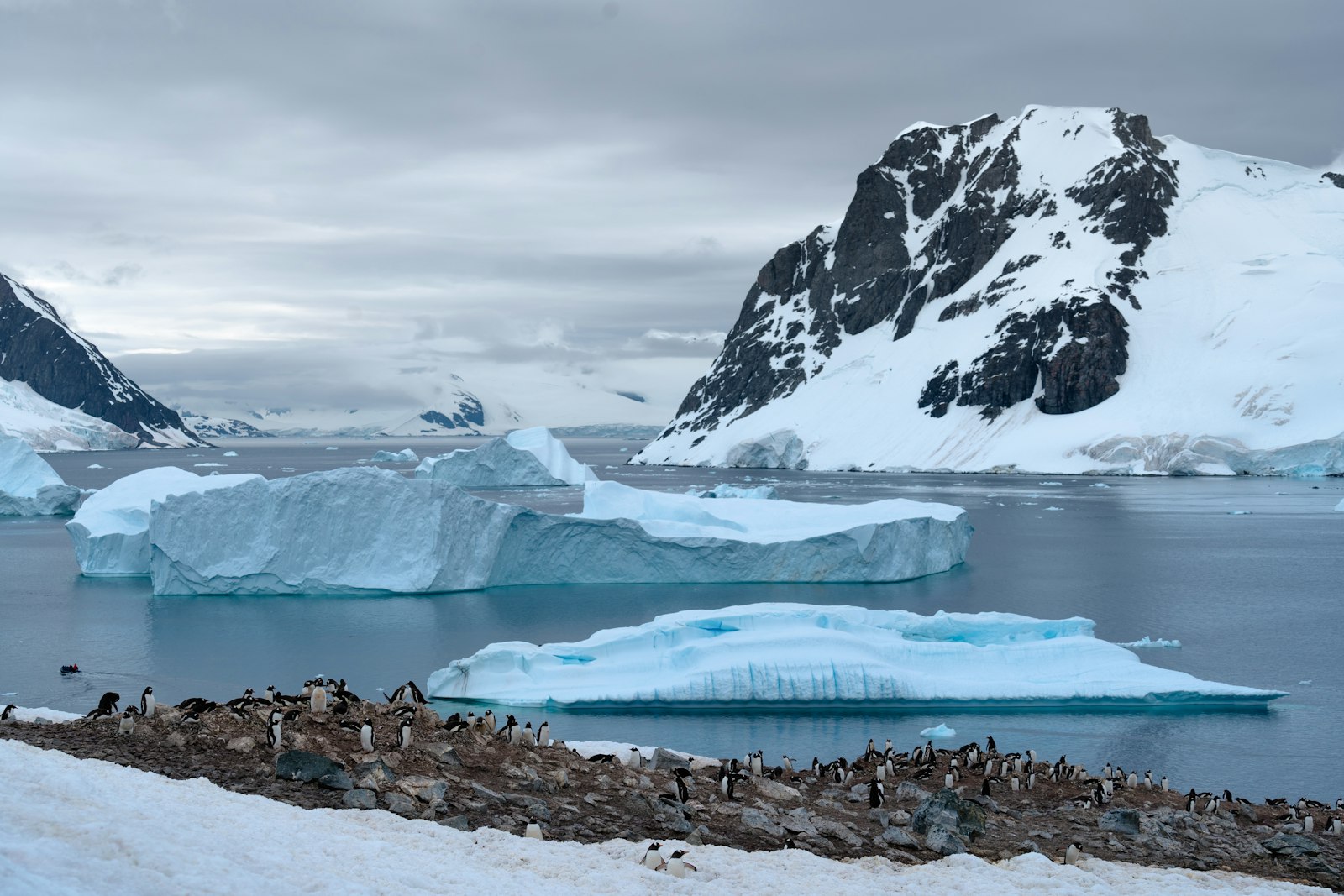
The third day typically brings a morning landing at Danco Island or Cuverville Island, both known for dense gentoo colonies and reliable zodiac access even in choppier weather.
Depending on the ship, this is also when optional submarine dives, helicopter flights, or kayak outings are scheduled, since calm Paradise Bay conditions suit them best.
By evening the ship begins its turn north toward the Drake Passage, with a captain's farewell dinner marking the close of the Peninsula leg.
Suite categories fill unevenly across these four ships, and the cabins with private verandas facing the Channel side go first on sailings scheduled for peak ice season.
A Cordelie advisor can place you on the vessel whose personality actually fits yours, whether that means a window on Le Commandant Charcot's Blue Eye lounge, a helicopter slot on Scenic Eclipse, or a quiet Owner's Suite on Silver Endeavour, and secure it before the strongest cabin categories close out.
Lemaire Channel & Paradise Bay, At a Glance
A once-seen, often-repeated kind of place: pick the right ship and the Channel delivers scenery no itinerary slide can quite prepare you for.
Go for the Channel transit itself and the glacier-rimmed quiet of Paradise Bay, not for any single ship's amenity list, since all four vessels compared here handle the ice capably.
Choose Silver Endeavour for understated, all-suite elegance; Scenic Eclipse for submarine dives and helicopter flights; Seabourn Venture for National Geographic-grade photography expertise; and Le Commandant Charcot for the deepest ice access and Ducasse-trained dining.
Book 9 to 14 months ahead for peak December-to-February sailings, when the Channel is most reliably open and the best suite categories move fastest.
Last checked for accuracy: . How we check

Emma Blackwood has reviewed hotels for eighteen years and can tell within an hour of arrival whether a property means it. She writes about the difference between expensive and excellent, which is not the same thing, and about the handful of places that are both.