
How to Plan a Traditional Shinto-Inspired Ceremony at Kyoto's Shimogamo Shrine

Key Facts
Planning a Traditional Shinto Wedding at Shimogamo Shrine
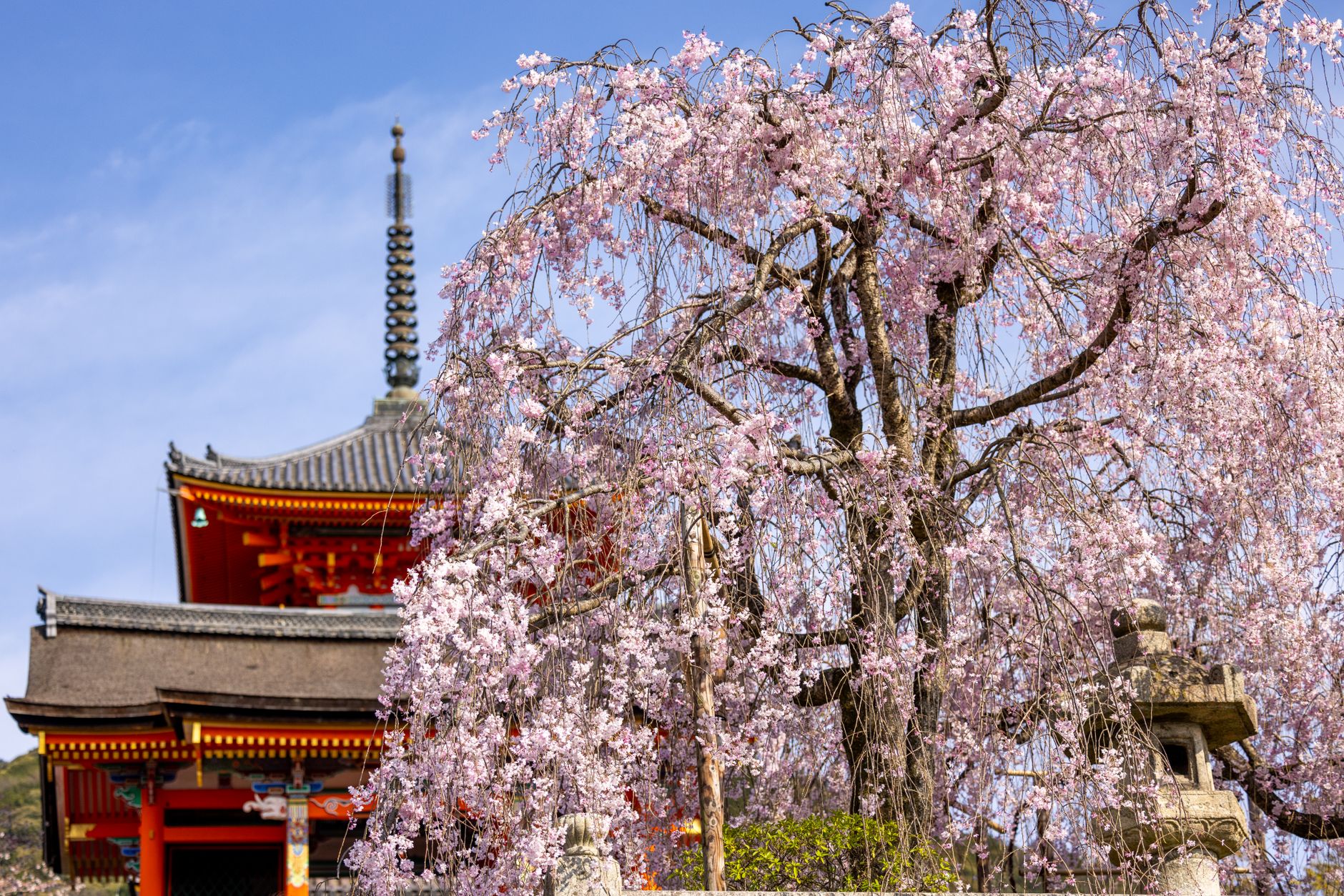
Shimogamo Shrine stands among Kyoto's oldest and most revered Shinto sanctuaries, designated a UNESCO World Heritage site in 1994. Founded in the 8th century, it occupies a sacred grove in the Kamogawa river delta, where twisted pines and moss-covered stone lanterns create an atmosphere of profound tranquility. For couples seeking a traditional Shinto wedding ceremony—known as shinzen kekkon—this shrine offers the authentic ritual context and spiritual weight that Japanese couples have chosen for centuries. The shrine's riverside setting and forested grounds provide a ceremonial backdrop that photographs with an almost painterly quality, especially in spring when cherry blossoms frame the wooden structures.
Understanding Shimogamo Shrine's Role in Shinto Wedding Tradition
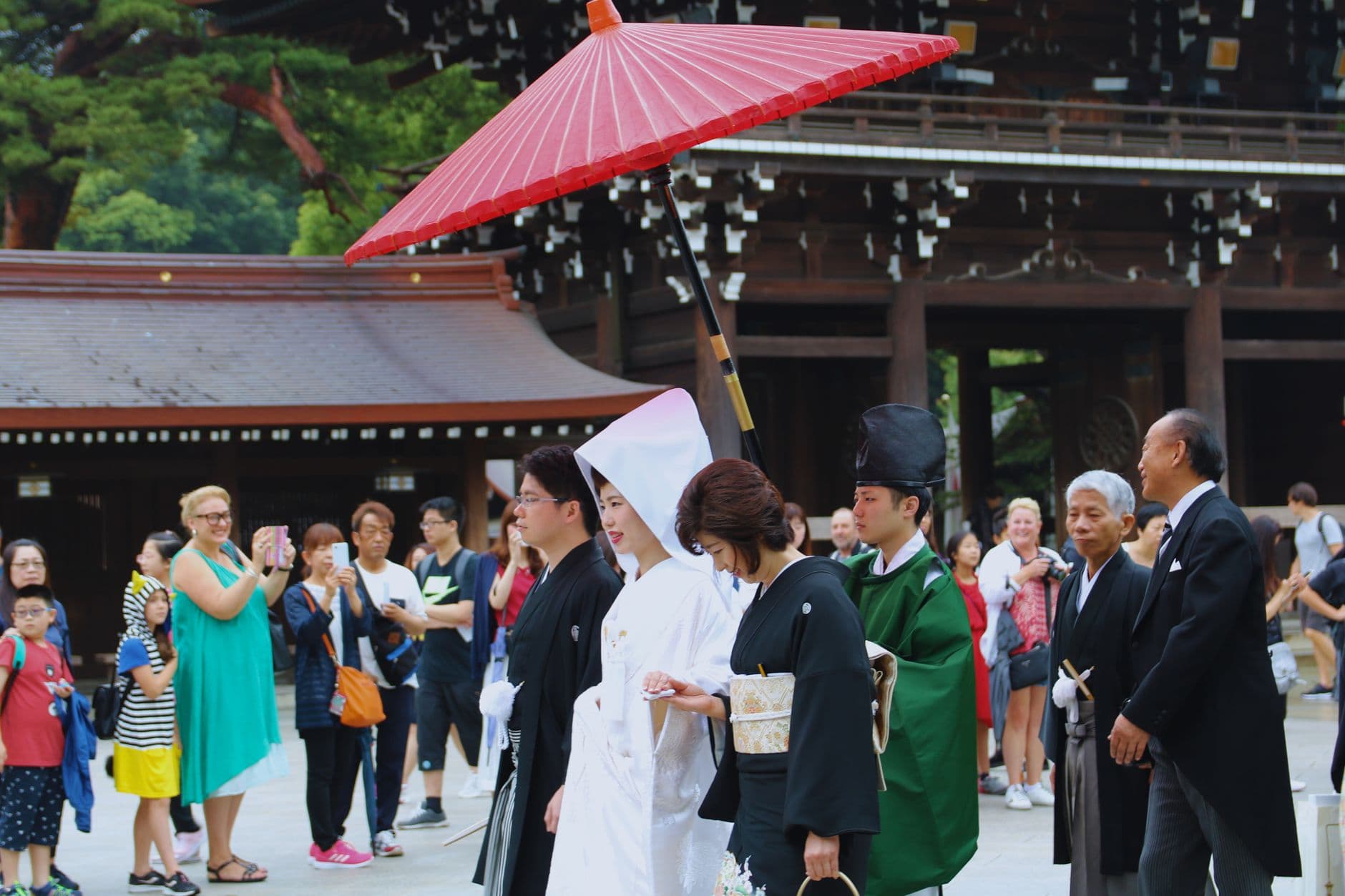
Shimogamo Shrine attracts couples because it maintains strict adherence to traditional Shinto ceremony formats without the commercial streamlining found at some other venues. A genuine shinzen kekkon involves three main ritual components: the bride and groom are purified by a Shinto priest, the couple exchanges vows before the altar, and they perform san-san-kudo, the ceremonial three-times-three exchange of sake between special cups. The entire ceremony typically lasts 40 to 50 minutes and is conducted by trained shrine priests in full ritual dress. The shrine does not permit photography during the ceremony itself—a boundary worth respecting—but allows photographs in the grounds before and after, when the light is often clearest.
Foreign couples booking at Shimogamo must understand that the shrine prioritizes Japanese-language communication. While some staff members possess English-language ability, contracts, consent forms, and ritual explanations are predominantly in Japanese. The shrine is not accustomed to hosting ceremonies for couples who speak no Japanese, and attempting to book without either fluent Japanese or intermediary support often results in confusion or outright rejection of the application.
San-san-kudo (three-times-three sake exchange) is the ceremonial centerpiece of a Shinto wedding. The bride and groom take turns sipping from three nested sake cups, each time the groom drinks, then the bride, then both together. The smallest cup symbolizes health, the middle cup symbolizes marriage, and the largest represents family harmony. This ancient ritual predates modern wedding rings and remains the defining moment of a shinzen kekkon.
Booking Timeline and Application Requirements for Foreign Couples
Shimogamo Shrine accepts ceremony bookings between 9:00 and 16:00 daily, with a waiting period of 3 to 6 months from application to scheduled ceremony date—longer during spring cherry blossom season (late March to mid-April) and autumn foliage season (October to November). The shrine receives applications year-round but does not hold specific open booking dates; instead, couples must visit the shrine in person or send a formal written inquiry to secure a date.
For international couples, the process requires several steps. First, submit a written request in Japanese to the shrine's administrative office (Shimogamo-sha, c/o Shimogamo Shrine, Sakyō Ward, Kyoto), ideally with assistance from a Japanese-speaking intermediary or travel advisor. The application must include the couple's full names (both Western and, if possible, rendered in Japanese characters), a copy of their passports, the desired ceremony date and time, number of guests, and a statement confirming both partners' understanding that the ceremony will be conducted in Japanese according to Shinto ritual. The shrine then requests a site visit before approval; couples are expected to inspect the grounds and meet with the priest or shrine administrator, a conversation that typically lasts 30 to 45 minutes.
Once approved, couples must typically provide confirmation of payment 2 to 3 months before the ceremony date. Ceremony fees at Shimogamo range from about 200,000 to 280,000 JPY (roughly USD 1,300–1,800) depending on the time of year and number of ceremony attendants. This fee covers the priest's services, use of the ceremonial space, basic shrine staff support, and the ritual items (the sake set, offerings, and purification materials). Additional fees apply for services beyond the ceremony itself, such as rental of the shrine's attendant facilities, extra photography permits, or hiring a shrine photographer.
The shrine does not maintain a dedicated English-language booking process. Couples without a Japanese-speaking partner or family member typically hire a bilingual wedding coordinator or travel advisor to manage correspondence and attend the site visit on their behalf. This is not merely convenience—it is nearly essential for completing the application successfully.
Attire: Shiromuku, Montsuki, and Where to Rent in Kyoto
A Shinto ceremony at Shimogamo demands traditional Japanese wedding dress. The bride wears a shiromuku (white wedding kimono), an all-white silk outer kimono layered over a white under-kimono, typically with a white obi (sash) and a tall white hood called a watabōshi. The groom wears either a montsuki (a black silk haori jacket bearing his family crest over white hakama trousers) or a more formal black furisode if he comes from a family with significant social standing. This clothing is ceremonial and sacred; it cannot be purchased casually or rented from a general costume shop. Specialized wedding kimono rental houses in Kyoto cater to this need.
Yumeyakata and Okamoto are two established rental houses in central Kyoto that serve both Japanese and foreign couples. Yumeyakata (located near Shijo Station) charges between 120,000 and 180,000 JPY for a shiromuku rental including undergarments, obi, hood, and basic styling—typically a 3-day rental period. Okamoto, in the Gion district, runs a similar pricing range and is known for careful attention to fit and historical accuracy. Both require advance booking (4 to 8 weeks ahead) and offer fittings in Kyoto if the couple is present, or can ship garments to your hotel. A dressing assistant (isho-no-kata) is often included; if not, the shrine typically arranges this for an additional fee of 20,000 to 40,000 JPY.
Foreign brides unfamiliar with the weight and movement of a shiromuku should plan a practice wearing a few days before the ceremony. The garment is heavy—between 7 and 12 kilograms—and the watabōshi restricts neck movement and peripheral vision. A rehearsal walk through the shrine grounds in full dress prevents disorientation on the ceremony day. Most rental houses will schedule this if requested during the booking conversation.
The shrine provides a formal sake set for the ritual, but you may request specific sake varieties if you wish. Many couples choose sake from their home prefecture or a small brewery meaningful to their family. Communicate this preference during the pre-ceremony planning meeting—at least 2 months ahead—so the shrine can coordinate procurement. The priest will explain the exact movements during a brief rehearsal on the morning of the ceremony, but practicing the hand positions (the groom typically guides the bride's hands initially, then they alternate) with a Japanese wedding coordinator beforehand removes anxiety.
Seasonal Timing and Photography Considerations
Spring ceremonies (late March to mid-April) draw the most demand. Cherry blossoms peak for roughly two weeks; the shrine's scattered flowering trees create pockets of pink and white throughout the grounds. However, this is also peak tourist season in Kyoto, and the shrine grounds can be crowded even during ceremonies. Morning time slots (7:00 to 9:00) offer quieter grounds and softer light; afternoon slots (15:00 to 17:00) are slightly busier but photograph well in the golden hour before sunset.
Autumn ceremonies (October to November) offer cooler temperatures, clearer skies, and the possibility of maple leaf color in the grove—though Shimogamo's foliage is subtle compared to other Kyoto temples. November ceremonies see fewer tourists and often have more available dates. Winter (December to February) is possible but cold; the shrine is damp and sometimes frosty, and photograph quality can suffer under gray skies. Summer (June to September) is humid and occasionally rainy, and the grounds can feel oppressive in July and August heat.
The shrine does not permit video or photography during the ceremony itself. Before and after, couples may hire an external photographer, though permission must be requested and confirmed with the shrine during the application phase. A shrine photographer is available for hire at approximately 80,000 to 120,000 JPY for 3 to 4 hours of coverage. Many couples arrange this rather than hiring outside photographers, as the in-house photographer understands shrine restrictions and the ritual timing.
Post-Ceremony Celebrations: Nearby Ryokans and Dining
After the ceremony concludes, most couples gather guests for a meal or reception. The shrine grounds themselves do not offer restaurant or banquet facilities; celebrations must occur elsewhere. Several ryokans within walking distance or a short taxi ride provide intimate dining experiences suitable for a post-ceremony gathering.
Yumoto Onsen, about 1.5 km from the shrine (roughly a 20-minute walk or 5-minute taxi), is a traditional ryokan with private dining rooms overlooking the Kamogawa River. They accommodate small groups (8 to 20 people) for kaiseki meals and offer bathing facilities if guests wish to relax before or after dining. A kaiseki meal runs approximately 8,000 to 15,000 JPY per person; private room reservation requires advance notice and typically a minimum group size of 8 to 10.
Kinema Ocha, a tea house and restaurant closer to the shrine (about 5 minutes by foot), serves traditional Japanese cuisine in a heritage wooden building. They can accommodate groups of up to 12 in a private room, with meals at 5,000 to 8,000 JPY per head. This is a lower-key option for couples wanting an intimate celebration without the formality of a full ryokan dinner. Reservations are essential and should be made at least 3 to 4 weeks in advance.
For couples preferring a Western-style reception or restaurant setting, Michelin-selected establishments in nearby Higashiyama (the historic geisha district, about 2 km south) include Hyotei and Ōkutan, both of which offer private dining. However, these venues require bookings 2 to 3 months ahead and command prices in the 12,000 to 20,000 JPY per person range. The geographic separation from the shrine means a short journey by car or taxi between ceremony and reception—practical but less seamless than a nearby ryokan.
Practical Logistics: Transportation, Timing, and Weather
Shimogamo Shrine sits in northern Kyoto. From Kyoto Station, allow 40 to 50 minutes by taxi (approximately 6 km; fares typically 2,000–2,500 JPY). By public transit, take the Nara Line train toward Nara, exit at Shimogamo Station, and walk 10 minutes through residential streets to the shrine entrance. Taxis are more reliable for ceremony days when timing is critical; book your car the night before through your hotel concierge or a transportation app like GO or Didi.
Plan to arrive at least 45 minutes before your scheduled ceremony time. Early arrival allows for hair and makeup final touches, a brief walk through the grounds to calm nerves, and a final fitting check on the shiromuku and montsuki. The priest will conduct a brief ritual rehearsal (about 10 minutes) with the couple and any attendants about 20 minutes before the ceremony begins. Guests should arrive 15 to 20 minutes early; seating in the ceremonial hall fills in order of arrival.
Spring ceremonies are possible but unpredictable weatherwise. Kyoto in late March to April experiences sudden rain showers and temperature swings. The shrine has covered waiting areas, but there is no shelter over the processional pathway. Discuss weather contingencies with the shrine during planning; they maintain a backup indoor ceremonial space, though it lacks the outdoor sanctuary's atmospheric depth. Summer humidity can affect makeup and hair styling; autumn and early winter offer the most reliable weather.
Guests should dress formally but pragmatically. Japanese ceremony etiquette requires elegant but understated attire—dark colors, covered shoulders, modest jewelry. For Western guests, this means cocktail dresses or suits; avoid bright colors, bold prints, or overly casual fabrics. The shrine grounds are uneven and partly gravel; women should avoid high heels or bring flats for the walk to and from the ceremonial space.
Planning Beyond the Ceremony: Permits and Coordinating With Shrine Staff
If you plan to hire external vendors—a photographer, florist, or musician—each must be approved and registered with the shrine weeks in advance. The shrine charges coordination fees for outside vendors (typically 15,000 to 25,000 JPY per vendor category) and requires detailed information about arrival times, equipment, and proposed activities. Musicians performing during the ceremony (classical koto or shamisen players, for example) are sometimes available through the shrine's network; alternatively, couples can hire independent musicians, but these must audition or provide recordings for shrine approval.
Floral arrangements are minimal in Shinto ceremony tradition; the shrine itself provides sacred offerings and ritual objects. Many couples add a single arrangement or seasonal display in the grounds for photographs but avoid extensive decorations. This restraint is partly spiritual—Shinto ceremony emphasizes the sacred space's inherent beauty—and partly practical, as the grove's natural surroundings serve as the backdrop.
Guest lists are unrestricted in theory but practically constrained by the ceremonial hall's capacity, which holds about 40 people comfortably. Larger celebrations move to an overflow hall or require a split ceremony; discuss this during the initial site visit if you anticipate more than 35 guests. Many Western couples invite only close family (6 to 15 people) to the ceremony itself, then host a separate reception for a wider circle the following day or at a different venue.
A Shinto ceremony at Shimogamo demands coordination across multiple vendors, strict timelines, Japanese-language documentation, and deep cultural knowledge of ritual and etiquette. Let a Cordelie advisor craft your Shimogamo wedding from start to finish—managing the shrine application, vetting clothing rentals, arranging accommodation for international guests, booking post-ceremony dining, and orchestrating timing so every element aligns. This is not logistics coordination; it is the difference between a ceremony that feels hurried or authentic, between understanding what is happening or moving through it by rote. A seasoned Kyoto specialist handles the hidden details: knowing which dates the shrine is least crowded, which photographer understands Shinto ritual constraints, which ryokan chef can accommodate dietary restrictions while honoring tradition. Contact Cordelie to discuss your vision.
Final Preparations: Documentation, Communication, and Peace of Mind
In the final month before your ceremony, confirm all details in writing with the shrine. Create a simple timeline document (in Japanese, ideally) that lists arrival time, ceremony start, expected end time, and any vendor arrivals or special requests. Share this with everyone involved: the priest, your attendants, your photographer, your post-ceremony venue, and your transportation provider. A written checklist prevents misunderstandings and ensures that the shrine's careful rituals proceed smoothly.
Two weeks before the ceremony, do a final walkthrough of the shrine grounds. Visit at the same time of day as your scheduled ceremony to understand light, crowd levels, and any seasonal changes. This visit is invaluable for a bride and groom experiencing significant cultural and ritual territory for the first time. Ask the shrine staff to point out the exact pathway you will walk, the position where you will stand, and where guests will be seated.
In the days immediately before the ceremony, confirm that your shiromuku and montsuki have arrived or are ready for pickup, that your hair and makeup appointments are scheduled, and that all vendors understand their arrival times and restrictions. The shrine is a sacred space, not a commercial venue; staff are professional and accommodating but not accustomed to last-minute changes or extensive client communication. Clarity and advance planning are signs of respect for the space and the ritual.
Last checked for accuracy: . How we check

Emma Blackwood has reviewed hotels for eighteen years and can tell within an hour of arrival whether a property means it. She writes about the difference between expensive and excellent, which is not the same thing, and about the handful of places that are both.