
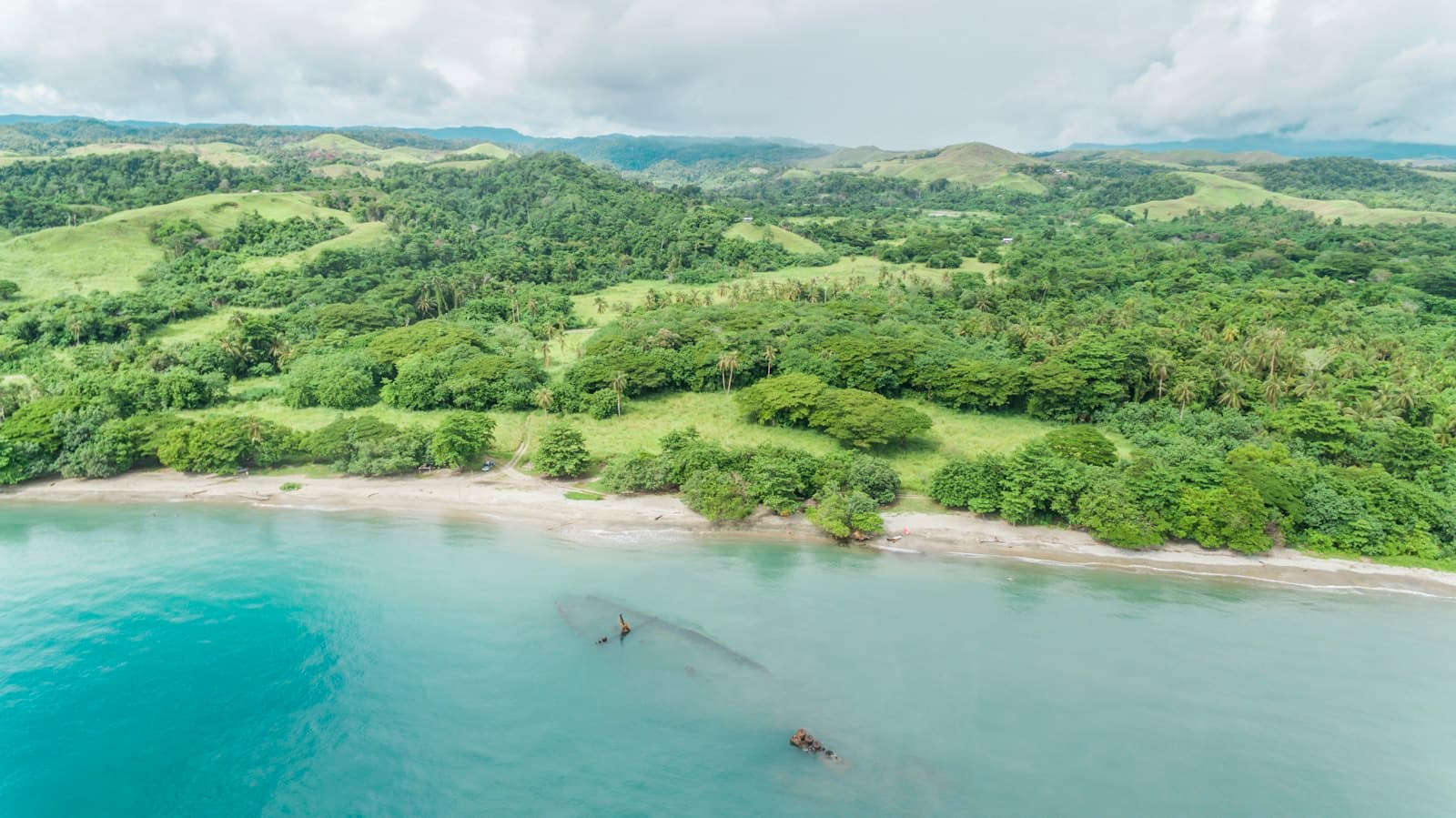
Guadalcanal: Tracing America's First Pacific Stand
The Runway Where the War Turned: Landing on Guadalcanal
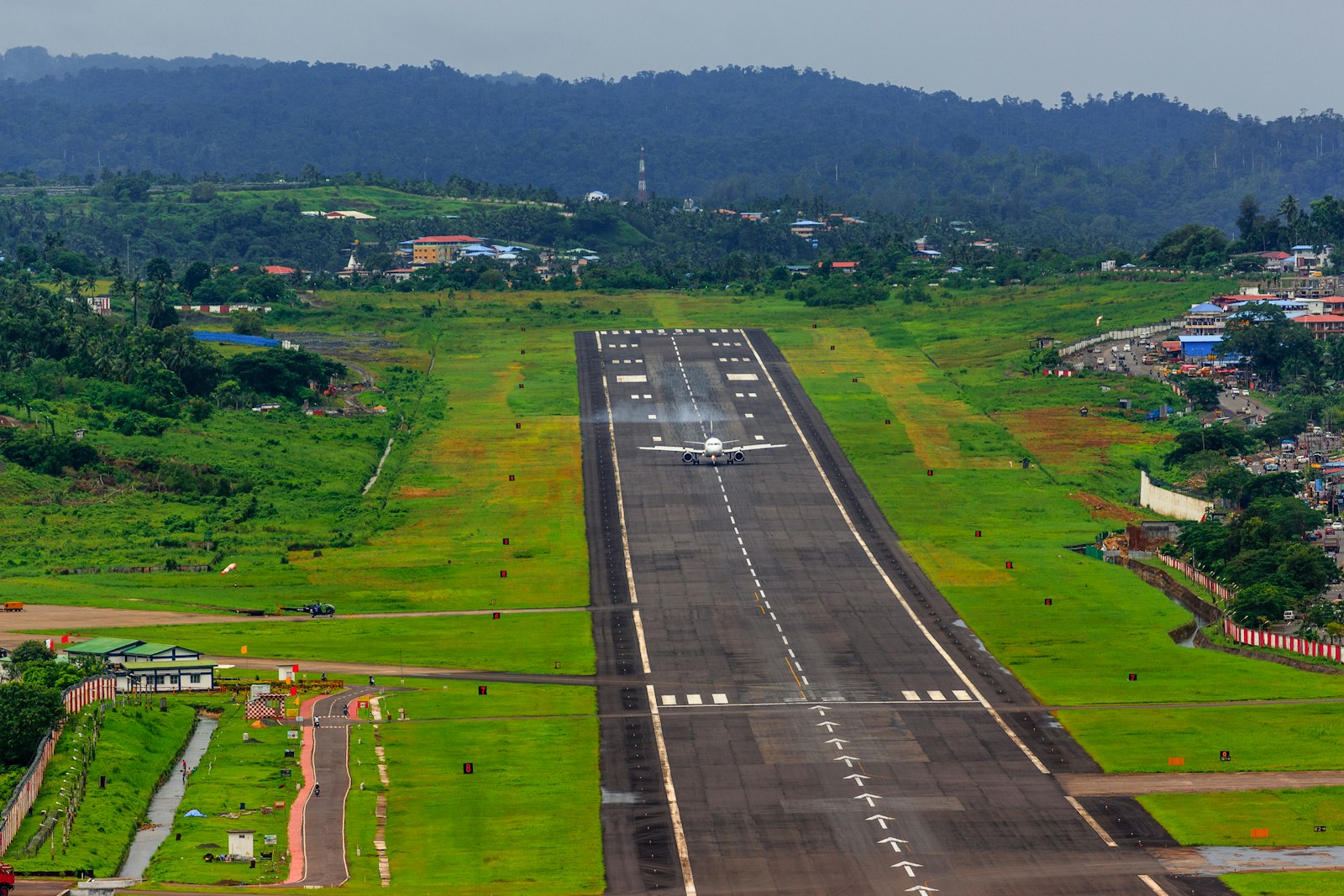
The Solomon Airlines 737 drops low over a green shoulder of jungle and the Lunga River flashes silver beneath the wing, and then the wheels touch down on a strip of asphalt that was once a dirt airstrip fought over by thousands of men. Honiara International Airport sits directly on the footprint of Henderson Field, the base US Marines seized from Japanese construction crews on August 7, 1942, and held through six brutal months that decided the Pacific War's early direction. Nobody announces this over the intercom. The taxiway just rolls past, ordinary and sunbaked, as if it had never been anything else.
I'd flown in from Brisbane, a little over three hours across the Coral Sea, with connections through regional hubs available for travelers coming via other routes. Stepping onto the tarmac at 31 degrees Celsius with humidity that fogs your sunglasses, the first thing that hits you isn't the history. It's the heat, and the sense that this island has gone on quietly living while the rest of the world forgot what happened here.
“Most Americans know Iwo Jima and Normandy. Almost none can tell you that this ridge, this airstrip, this stretch of water, is where the United States first stopped Japan's advance and started pushing back.”
Four Days Tracing the Line From Henderson Field to Iron Bottom Sound
Landing at Henderson Field, Settling Into War-Haunted Honiara
My driver from Heritage Park Hotel met me curbside, the drive into town taking about 15 minutes along a coast road lined with betel-nut stalls and rusting fuel drums. Honiara itself is compact; most of what matters to a WWII-focused visit sits within a 20-minute radius of Mendana Avenue, the town's main strip facing the sea.
By mid-afternoon, with the worst of the humidity still ahead, I drove up to Skyline Ridge for the Guadalcanal American Memorial, a 10 to 15-minute climb from downtown. The marble monument, dedicated in 1992 for the campaign's 50th anniversary, lists the battles by name: Tenaru, Bloody Ridge, Tassafaronga. From the overlook you can see Savo Island and the stretch of water the Allies would later nickname Iron Bottom Sound.
There's no entry fee and no gate; the site is open daylight hours and almost always empty. I stood there for twenty minutes without seeing another visitor, which felt less like solitude and more like absence.
Climbing Bloody Ridge Before the Afternoon Heat Breaks
I hired a local historian guide through Honiara's main tour operator for the morning, which turned out to be essential; Edson's Ridge, better known as Bloody Ridge, has no signage and the access track crosses private land where a guide's standing permission matters.
Be honest with yourself about this one. It's a 2.5-kilometer round trip, but the laterite clay turns slick and sticky if rain has fallen in the previous day, which in late April and May it often still has. We started at 7am to beat the heat, and the climb itself took close to an hour each way, scrambling over root systems and loose red earth with no shade for long stretches.
At the crest, a rusted ammunition can and a shallow depression that was once a machine-gun pit are about all that remain physically. What lands harder is standing where, over three nights in September 1942, Colonel Merritt Edson's Marines held a ridge barely wider than a two-lane road against repeated Japanese assaults, buying Henderson Field the time it needed to survive.
Into Iron Bottom Sound: Wrecks at Bonegi Beach
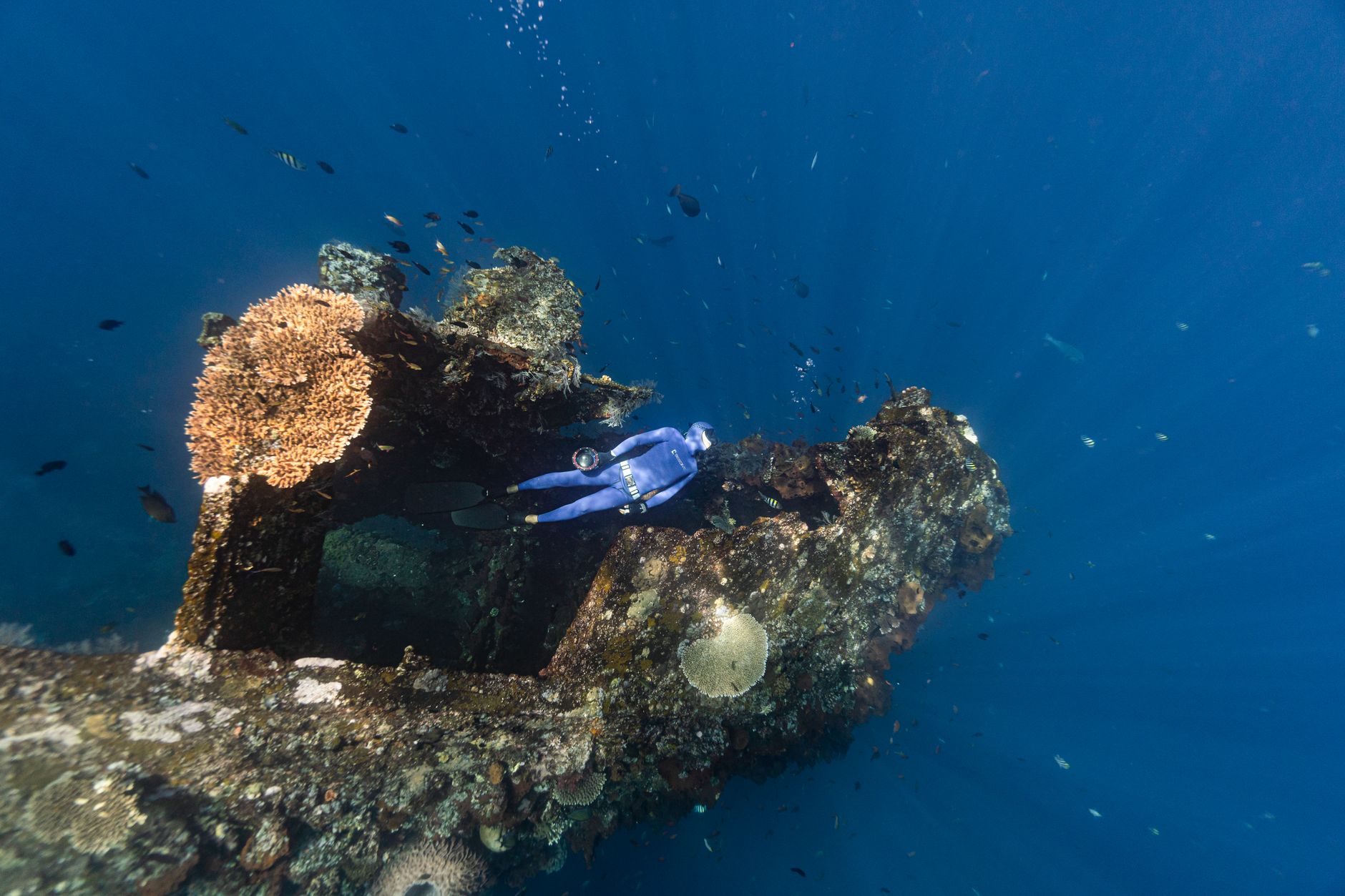
West of Honiara, about 18 to 20 kilometers along the coast road, Bonegi Beach gives you the easiest access point to Iron Bottom Sound, the stretch of water where so many warships and transports sank during the campaign's naval battles that Allied sailors coined the name. The Kinugawa Maru, a Japanese transport run aground and burned out in November 1942, lies close enough to shore for snorkelers to reach the superstructure in under ten minutes of swimming.
For the deeper wrecks, a Honiara dive operator ran a half-day boat trip, roughly three hours including two dives, for about USD 120-150 per person with gear included. Visibility that week sat around 8 to 12 meters, noticeably reduced by river runoff after recent rain, and the current near the drop-offs was stronger than I expected for what looked like calm surface water.
This is not a casual snorkel for beginners once you're past the shallows. Rate it an honest moderate dive: the wrecks sit at depths from 5 meters down past 30, the thermoclines are sharp, and the metal is sharp too, decades of rust turning railings into cheese-graters.
Vilu War Museum and a Village Lunch Along the Coast Road
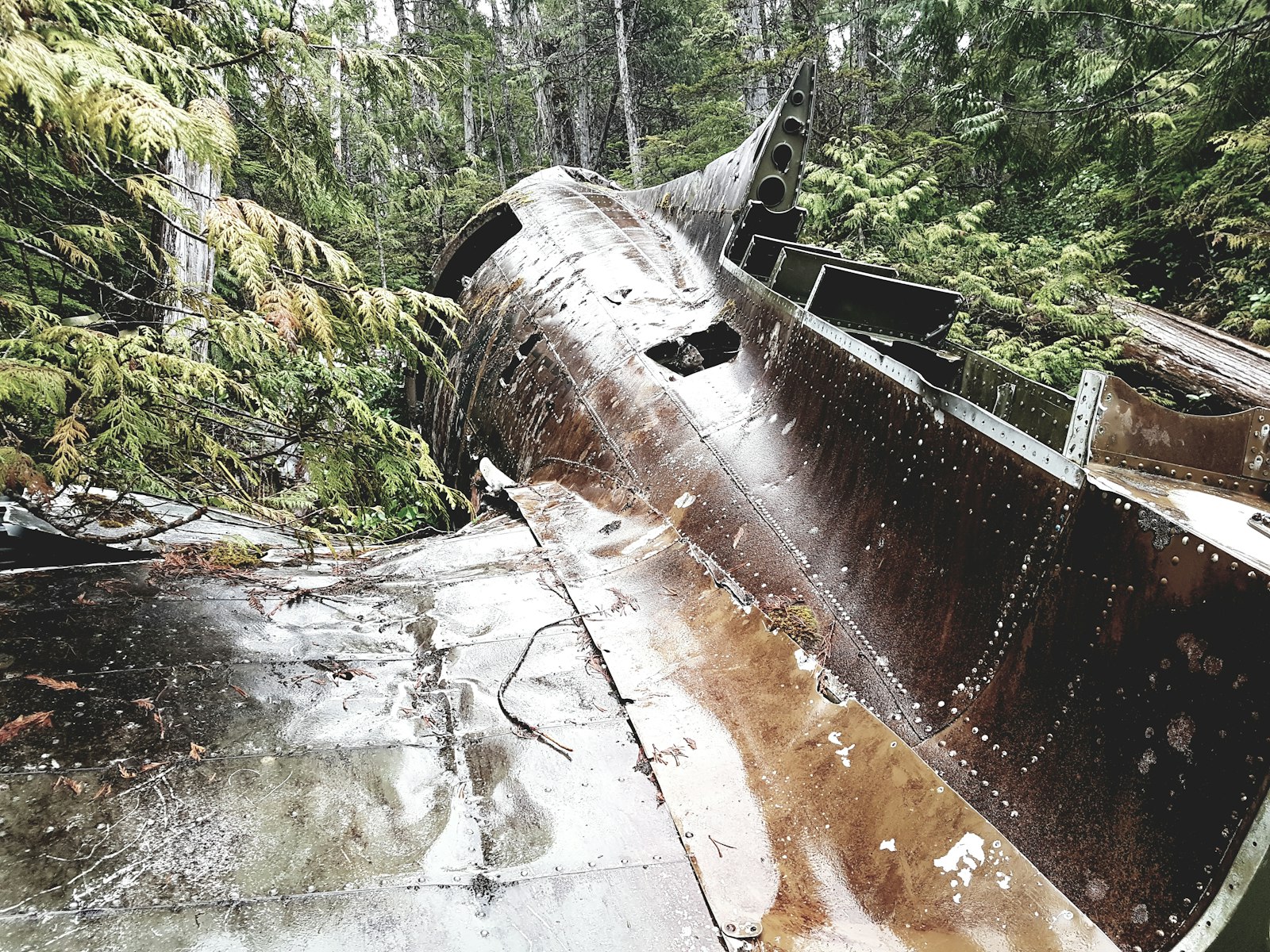
The Vilu War Museum sits about 29 kilometers west of Honiara, an open-air field of wrecked Wildcats, a Zero, and American and Japanese artillery pieces left largely where they were dragged or where they fell. There's no visitor center and no climate control, just a caretaker who collects a modest entry fee, roughly SBD 50-100 (about USD 6-12 at recent rates), and will walk you through the aircraft tail numbers from memory.
On the way back, my guide arranged lunch in a village just off the main road, where a family served grilled reef fish, cassava, and a bowl of fresh kokoda, the Solomons' answer to ceviche, made with lime juice and coconut cream. It was the first meal of the trip that had nothing to do with the war, and it was the one I thought about most on the flight home.
Scenes from the Guadalcanal Campaign Trail
Cordelie travel advisors
Planning Guadalcanal? Go with someone who knows
The right suite, the right season, the reservations that never appear online — your Cordelie advisor knows them, and holds them for you.
Plan with a Cordelie advisorFree to ask. Cordelie Travel Services · IATA/ARC 06649064
The Hour I Stood Where Edson's Marines Held the Line
Nothing on this trip hit harder than the fifteen minutes on top of Bloody Ridge, catching my breath after the climb, looking down the slope the Japanese assault forces had scrambled up in the dark. The ridge is narrow enough that you can see both edges from the center, and understanding that geography on the ground changes how you read the history books. It's one thing to know Edson's men were outnumbered. It's another to stand on a strip of land you could cross in forty paces and realize that's all the room there was to hold.
The second moment came underwater, hovering over the Kinugawa Maru's collapsed deck with sunlight breaking through in shafts. Fish had colonized the gun mounts; coral had softened the edges of torn metal. Iron Bottom Sound holds dozens of wrecks, American and Japanese alike, and diving even one of them makes the scale of the naval battles here concrete in a way that no museum plaque manages.
Kokoda, Cassava, and Honiara's Market-Stall Mornings
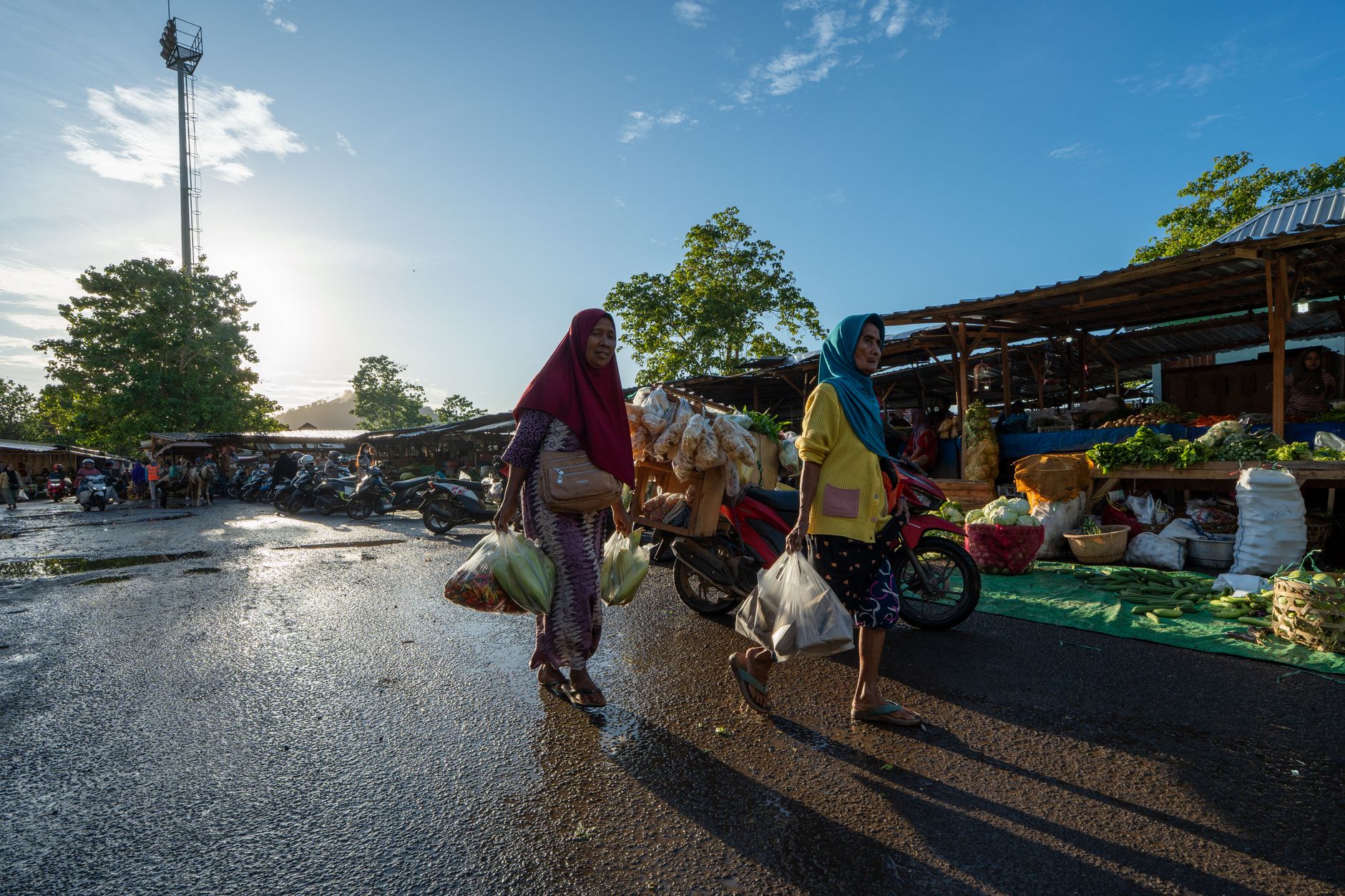
Honiara's food scene is small but genuine, built around what the Central Market near the Mataniko River bridge pulls in each morning: pineapple, cassava, taro, bundles of slippery cabbage, and reef fish still twitching on ice. The Lime Lounge, a short walk from Mendana Avenue, does a solid flat white and a decent breakfast if you need something familiar before a long day of hiking. For dinner, the restaurant at the Heritage Park Hotel serves grilled mahi-mahi and a passable laksa, reliable rather than thrilling.
The dish to actually seek out is kokoda, raw fish cured in lime juice and folded through coconut cream with chili and spring onion, usually served in a half coconut shell. It shows up at village lunches more often than restaurant menus, so ask your guide to arrange one. Pair it with cassava chips or steamed taro, and finish with a bowl of fresh papaya if it's on offer; it almost always is.
Access here is the whole challenge: Bloody Ridge has no public trailhead, dive operators run limited schedules around Iron Bottom Sound's weather windows, and Solomon Airlines connections from Brisbane, Nadi, or Port Moresby can be sparse outside peak season.
A Cordelie advisor builds the trip around the sites that matter to you, pairing you with the right historian guide for the ridge, timing the Iron Bottom Sound dive days around visibility, and sequencing flights so you're not losing a day to a missed connection. The result is a Guadalcanal trip that feels unhurried instead of improvised.
Should You Make the Trip to Guadalcanal?
A profound, logistically demanding pilgrimage best suited to travelers with a real interest in Pacific War history and a tolerance for heat, humidity, and improvisation.
This is not a lounge-chair island trip. It's for Americans who grew up hearing about Iwo Jima and Midway and want to stand on the ground where the Pacific War's momentum actually first shifted, in a place almost nobody else visits.
Budget four days minimum: one to settle in and see Skyline Ridge, one for the Bloody Ridge hike, one for Iron Bottom Sound, and one for Vilu and a village lunch. Expect humidity, patchy infrastructure, and a town, Honiara, that rewards a guide far more than it rewards wandering alone.
Go in the shoulder window of April to May, as the wet season eases but before the driest, busiest months, and book your historian guide and dive days before you land. Guadalcanal does not advertise itself. It simply waits for the people who already know to come looking.
Last checked for accuracy: . How we check

Marcus Rivera has spent fifteen years writing about places you have to walk into. He has guided in Patagonia, reported from Kilimanjaro's quieter routes, and has strong opinions about which of them are worth the airfare. He is based in Boulder, mostly so he can leave it.