
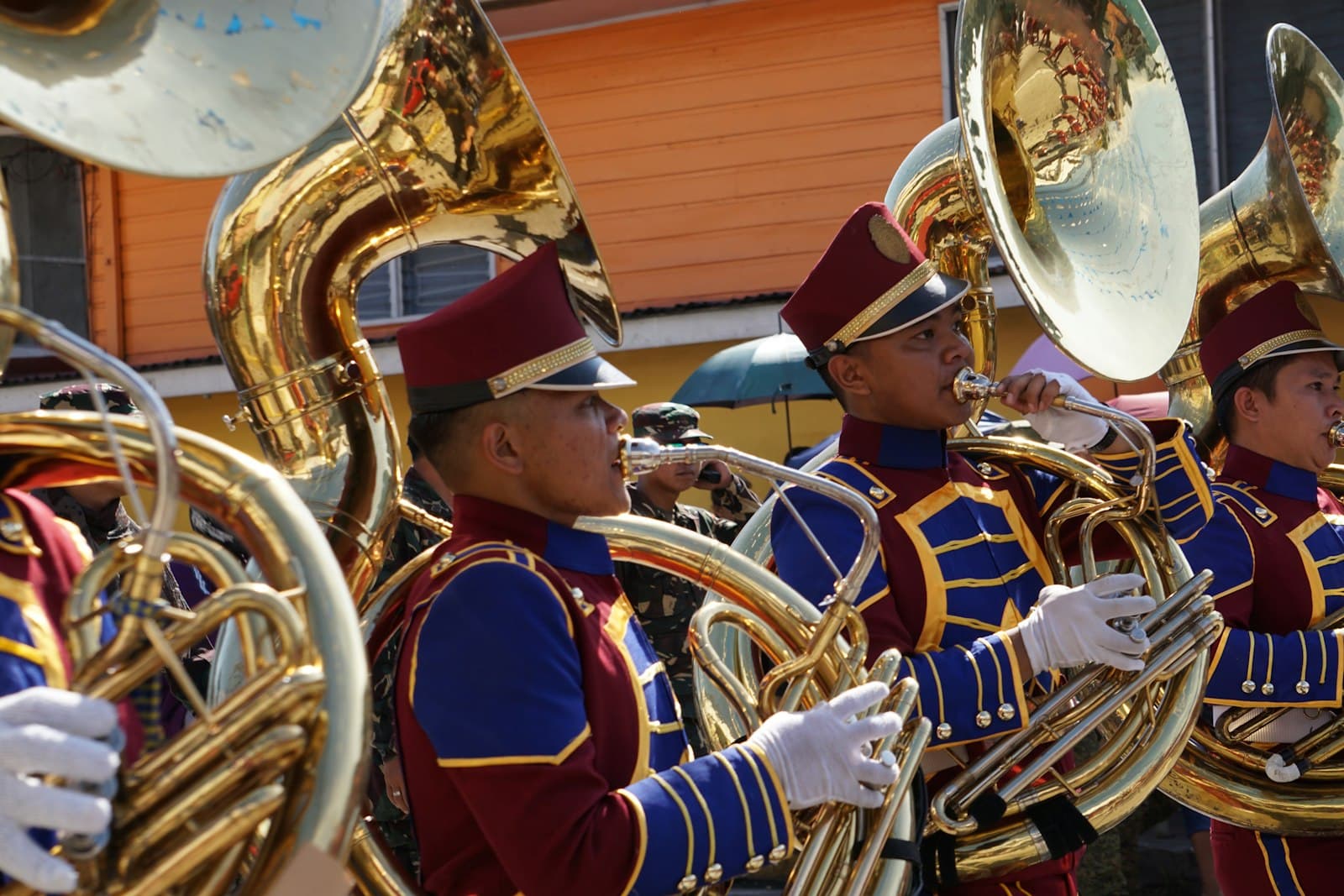
Four Days in Guča: Inside the Balkans' Loudest, Most Joyful Festival

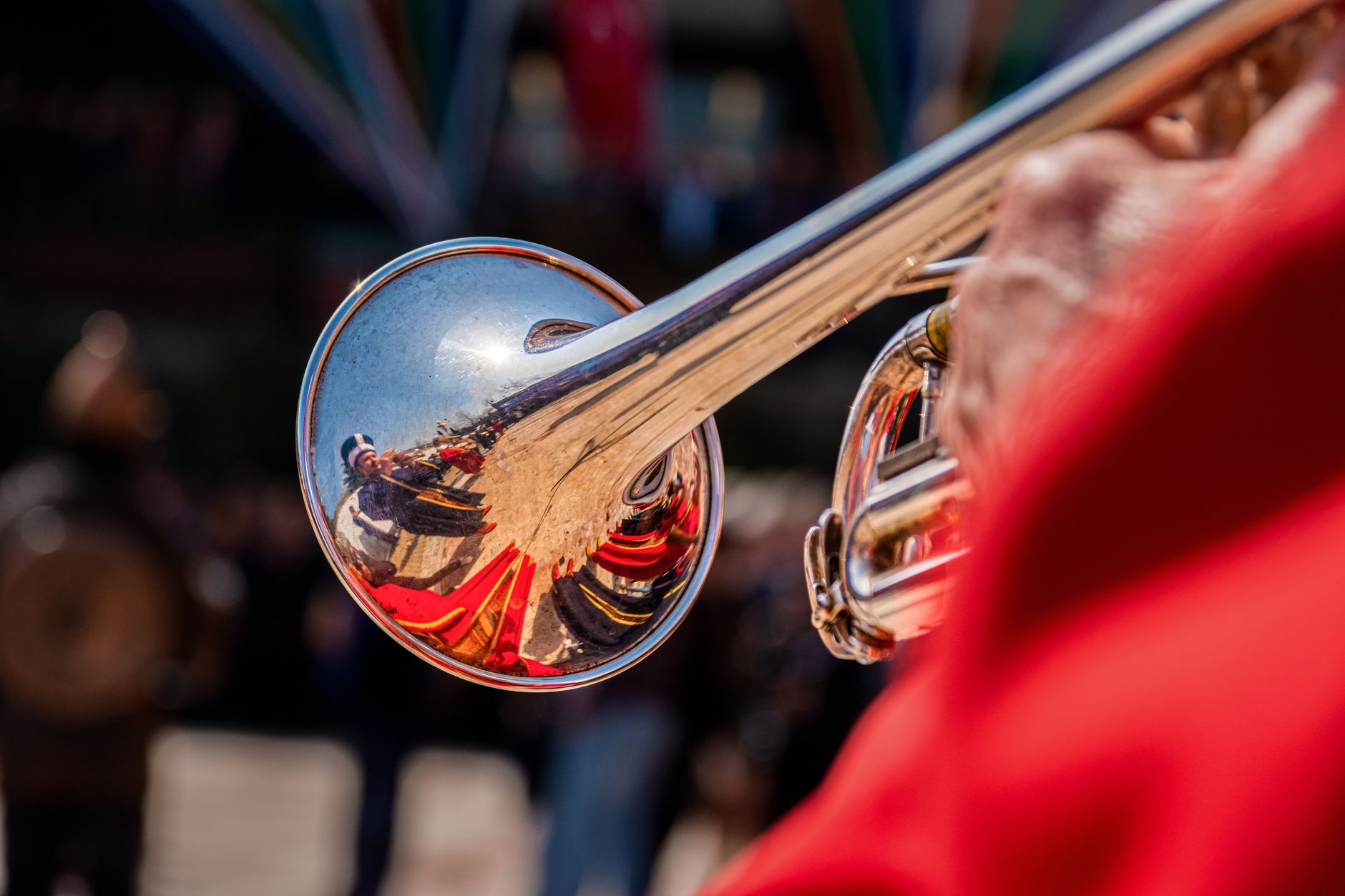
A Serbian Village Where the Trumpets Never Stop
I heard Guča before I saw it. The bus from Belgrade's main station had barely pulled off the regional road into Dragačevo when a wall of brass rolled through the open window, three or four melodies layered on top of each other with no apparent agreement about tempo or key. My seatmate, a man returning for his twelfth festival, just grinned and said, "Welcome to the only place in Serbia where the traffic jam has a trumpet section." He wasn't exaggerating by much. For four days every August, this village of a few thousand people in central Serbia's Zapadna Morava valley absorbs tens of thousands of visitors and somehow stays itself, loud and unbothered, the way it has for well over sixty years.
“You don't come to Guča to listen. You come to be stood inside the sound.”
Four Days, Five Senses: A Belgrade-to-Dragačevo Itinerary
Arrival: Belgrade to the Heart of Dragačevo
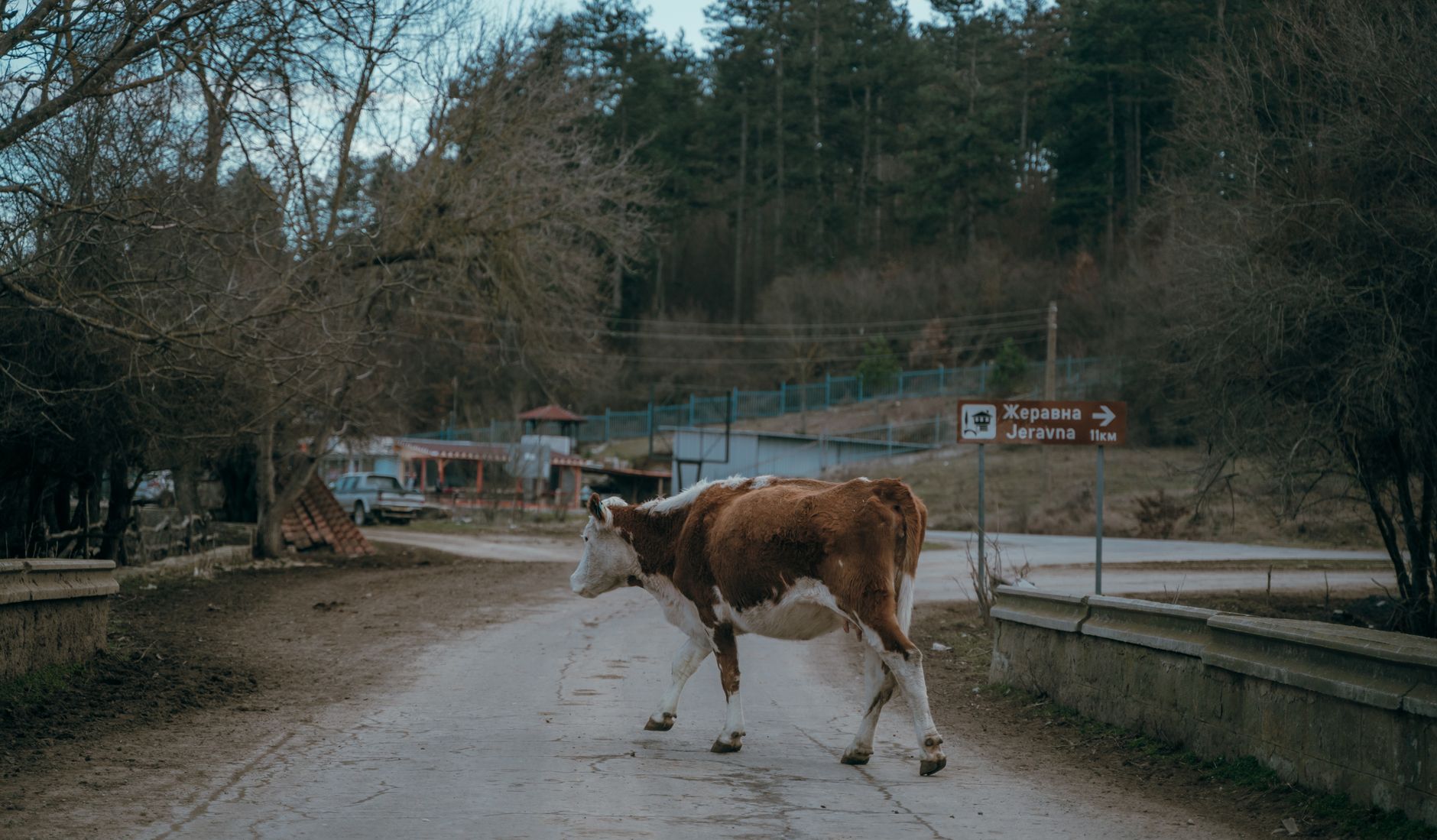
I'd booked a seat on one of the extra festival-week coaches that run directly from Belgrade's main bus station (Autobuska stanica Beograd, near the Sava River) to Guča. The journey covers roughly 170 kilometers south, mostly along the A4 motorway through Čačak before dropping onto a narrower regional road, and it took just under three hours including a stop. A one-way ticket during festival week ran about 1,200 to 1,800 RSD, somewhere near €10 to €15, though prices move with demand.
There is no direct rail link; the nearest station is in Čačak, 25 kilometers north, from which a local bus or taxi covers the rest in twenty to thirty minutes. I'd booked a room above a family's house two months earlier and was glad I had — a cousin of my host told me, without much drama, that most sobe in the village center are gone by spring. We dropped my bag, and by 4 p.m. I was standing in the main square watching a six-piece band play directly into the open door of a kafana, for no audience in particular, simply because they could.
The Gorge, the Monasteries, and the Village Waking Up
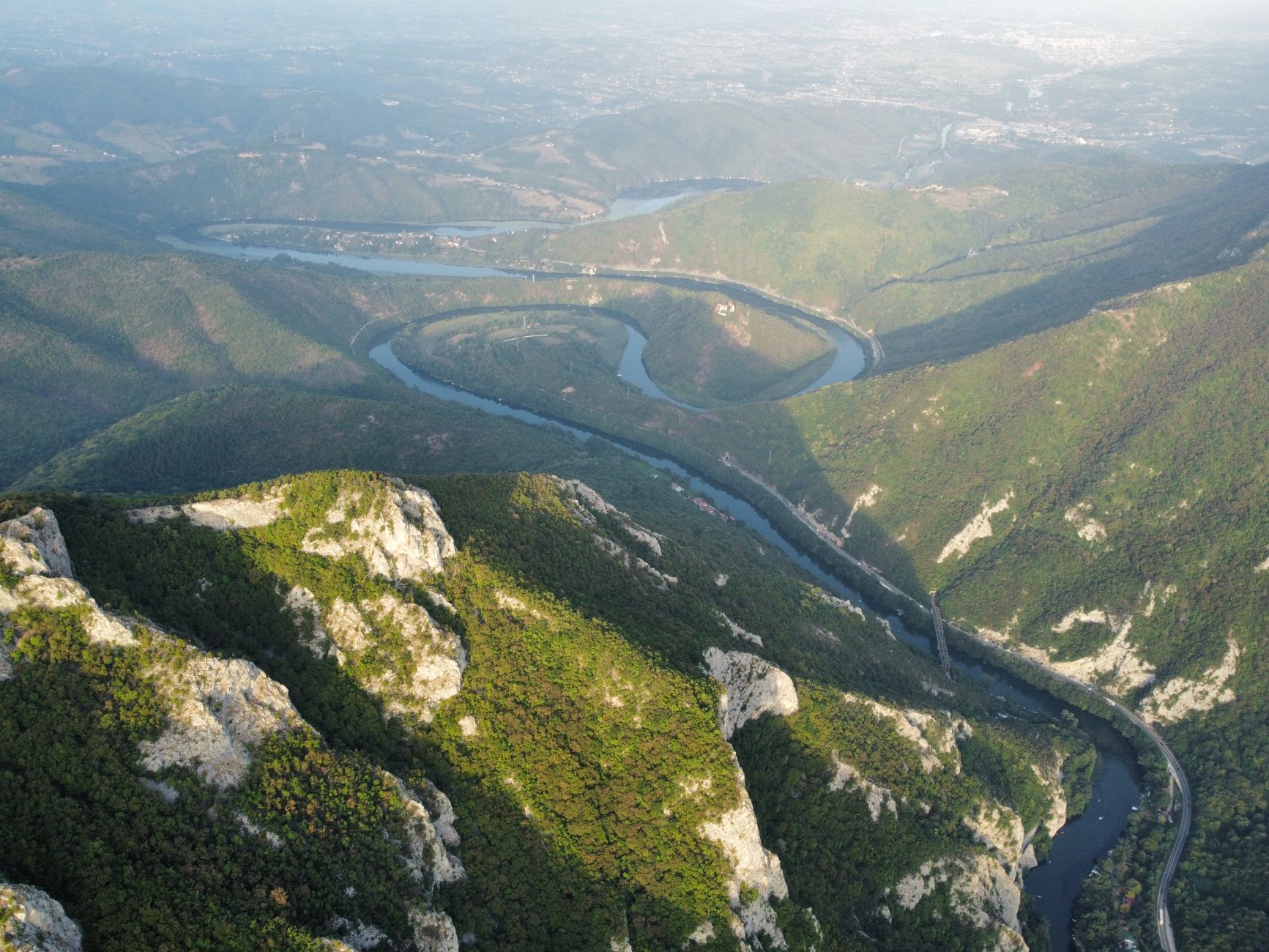
Mornings in Guča are deceptively calm, so I used the quiet to drive out to the Ovčar-Kablar gorge, about 15 kilometers northeast near the spa town of Ovčar Banja. Ten medieval monasteries sit scattered across the gorge's wooded slopes above the Zapadna Morava river, and I only managed three — Blagoveštenje, Sretenje, and Jovanje — before the heat and the drive back pulled me away. It's a genuinely peaceful counterpoint to what waits in the village.
By 3 p.m. the square had filled completely, every café table claimed, and bands had begun working the crowd row by row rather than performing from any fixed stage. This is when I first understood the tipping etiquette nobody had explained to me beforehand: when a band stops at your table, you press a banknote — anything from 50 to 200 RSD is normal, more if you want a specific song or a longer stay — against the bell of the trumpet or the musician's forehead. It's theater and transaction at once, and nobody seems embarrassed by either.
Competition Day: Spit-Roasts and the Battle of the Brass
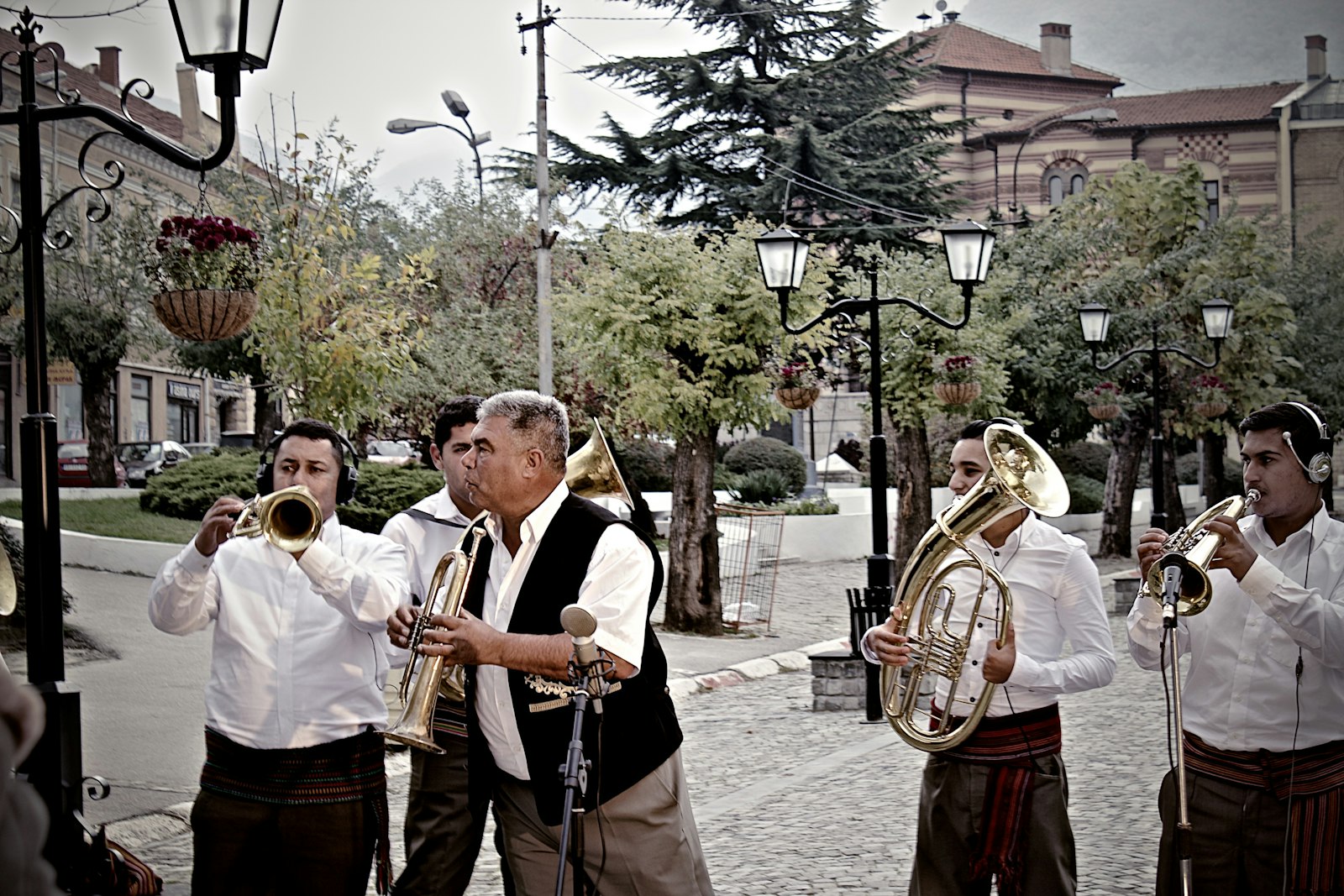
The trumpet competition itself runs at an open-air amphitheater on the edge of the village, with the finals on the closing Sunday drawing the thickest crowds of the whole week. General entry is free; grandstand seating is sometimes ticketed, somewhere around 300 to 500 RSD depending on the year and the day. I watched the afternoon heats from the hillside above the arena, where families had set up picnic blankets and were working through plates of grilled meat passed hand to hand.
The real spectacle, though, happened back in the village after dark: two rival bands met head-on in a narrow lane between the kafanas and simply refused to stop, each playing louder and faster to drown the other out, circling closer until they were nearly chest to chest. A crowd formed within seconds, phones up, nobody picking a side. It ended, as these things apparently do, when one trumpeter ran out of breath and the other kept going for another full verse out of pure spite.
The Last Encore and the Drive North
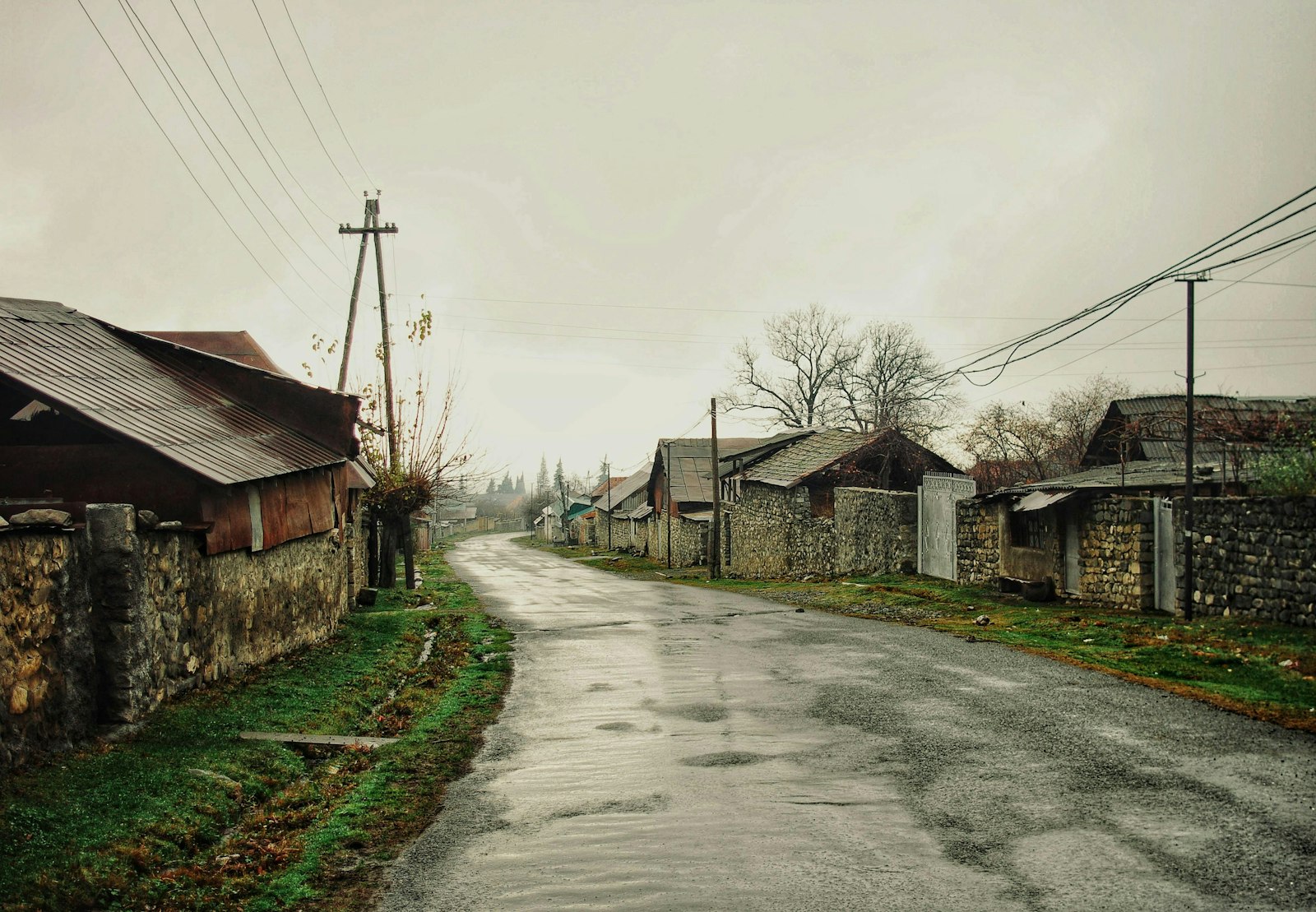
By the final morning the village had the slightly stunned look of a place that's been awake too long. The closing acts played shorter sets, almost tenderly, and a handful of musicians who'd clearly been going since the night before were escorted gently off the square by friends rather than organizers.
I caught an early-afternoon coach back to Belgrade, trading the brass for the quiet drone of the motorway. It's a strange thing to leave a place that loud and feel the silence as a kind of loss rather than relief. I'd give Guča five days next time, not four — one more evening in the square, one more plate of pečenje, one more band I never quite caught the name of.
Scenes from Four Days in Guča
Cordelie travel advisors
Planning Guča? Go with someone who knows
The right suite, the right season, the reservations that never appear online — your Cordelie advisor knows them, and holds them for you.
Plan with a Cordelie advisorFree to ask. Cordelie Travel Services · IATA/ARC 06649064
The Dawn Serenade, the Brass Duel, and the Unwritten Rules of Tipping
The moment that stayed with me longest wasn't the competition finals, loud as they were, but a four-piece band that stationed itself under my host family's window at around 6:30 a.m. on my second morning and played, uninvited, until someone upstairs opened the shutters and handed down a note. It's apparently a known move — serenade a house that looks like it might have guests, collect a tip, move to the next street. Nobody seemed to mind the hour.
The band duels, too, deserve more than a passing mention. They're not organized or scheduled anywhere, which is part of the thrill — you simply round a corner and find two groups of musicians locked in an improvised contest of volume and stamina, the crowd forming a tight ring within seconds. Tipping etiquette matters here more than anywhere else in the village: slip a note to the band you favor and you've effectively picked a side, which locals do without much subtlety. I watched one man press a 500 RSD note into a trumpet bell and the whole opposing band groan theatrically in defeat.
Pork on the Spit, Rakija by the Glass: Eating Your Way Through Festival Week
Food in Guča during festival week is less about restaurants than about the roadside grills, or vašarište, that spring up along the approach into the village — rows of whole pigs and lambs turning on spits, smoke drifting over the queues from mid-morning on. A plate of pečenje with bread and ajvar typically costs somewhere around 400 to 700 RSD, and portions are generous enough that splitting one between two people is entirely normal.
The kafanas tucked just off the main square serve the heartier, sit-down version of the same table: sarma, gibanica, kajmak with warm bread, and svadbarski kupus simmered for hours with smoked meat. None of these places advertise themselves beyond a hand-painted sign, and the good ones fill up fast once the evening bands start moving through, so arriving by 7 p.m. gets you an actual seat rather than a spot standing at the bar. Rakija, almost always šljivovica made from the region's plums, arrives unbidden and often unbilled — a round poured for the table runs roughly 150 to 300 RSD a shot if anyone does ask for the tab.
Guča rewards travelers who build real time around it rather than treating it as a single loud afternoon. A Cordelie advisor can shape a longer western Serbia arc for you: a few considered days in Belgrade, a private driver timed around Guča's festival dates so you avoid the worst of the arrival-day traffic, and a stay near Mokra Gora to ride the Šarganska osmica, the narrow-gauge railway that loops through the hills near Zlatibor roughly three hours southwest of Guča.
This is the kind of itinerary that rewards knowing which homestays are reliable, which year the festival dates fall on which week, and how to secure a quiet room when half the village is booked by locals returning for the sixtieth time. Your Cordelie advisor handles that groundwork so your week in Dragačevo feels like it was built for you alone, down to the right seat for the finals and a car waiting when the last band finally stops playing.
Should You Build a Trip Around Guča?
Essential for travelers drawn to living folk tradition rather than staged culture, with the caveat that it rewards patience, loose plans, and a tolerance for very little sleep.
Guča isn't a polished cultural experience, and that's precisely its value. It's four days in a small Serbian village where an entire community organizes itself around brass music and hospitality, with almost nothing softened for outside visitors.
It suits travelers who want texture over comfort: those happy to book a modest homestay months ahead, eat standing at a roadside grill, and let a trumpet band dictate their evening plans. Pair it with a slower Belgrade stay and a detour to Mokra Gora, and you have one of the more genuinely immersive weeks available in the Balkans.

Alex Moreau writes about going slowly. Nine years of reporting from trains, river boats and towns nobody has a hashtag for, mostly across Europe and North Africa. They live in Lisbon, keep a running list of the continent's best two-hour lunches, and believe most itineraries would improve if you deleted a city.