
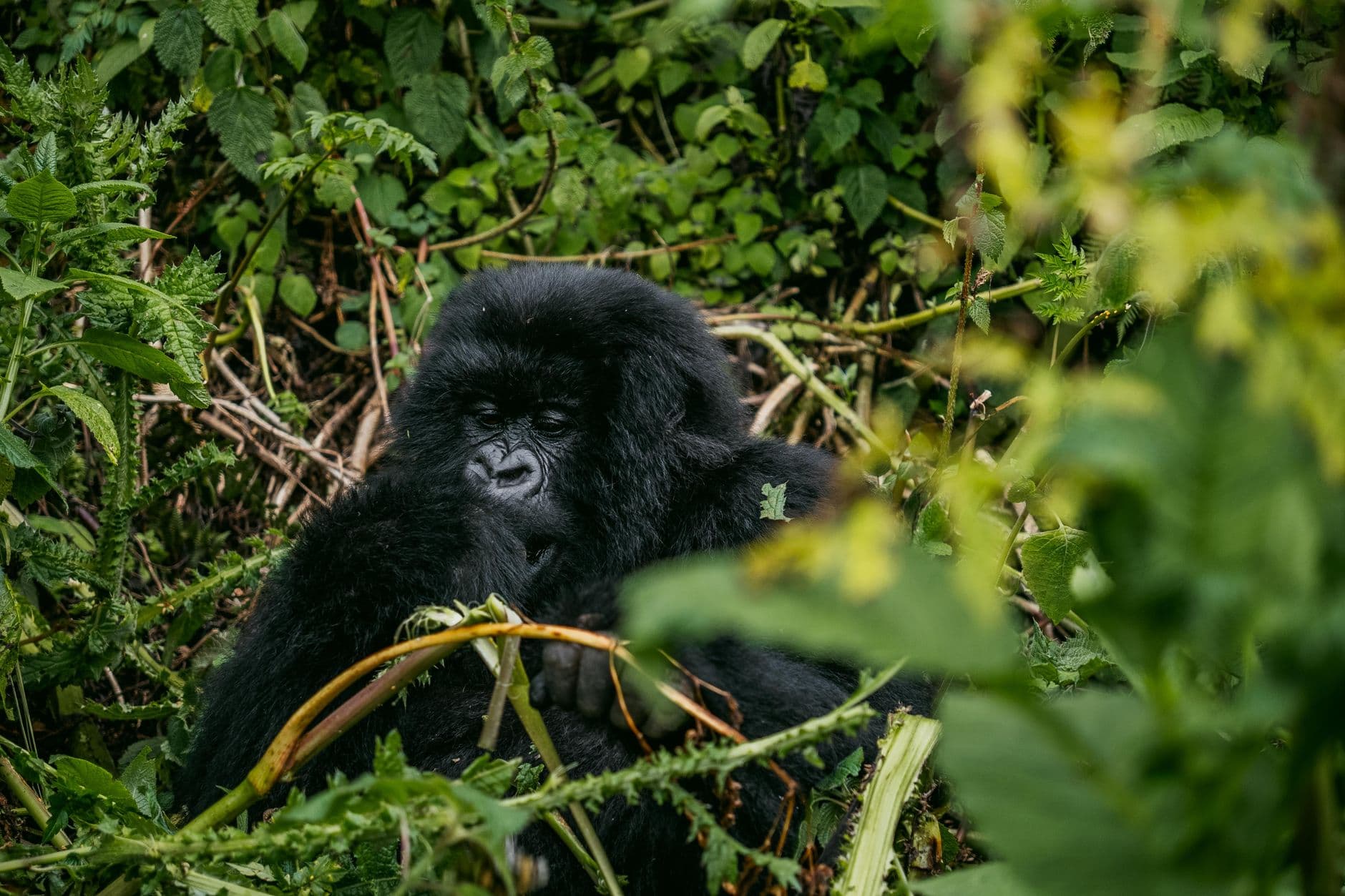
Eye to Eye with Giants: A First-Timer's Guide to Gorilla Trekking in Bwindi
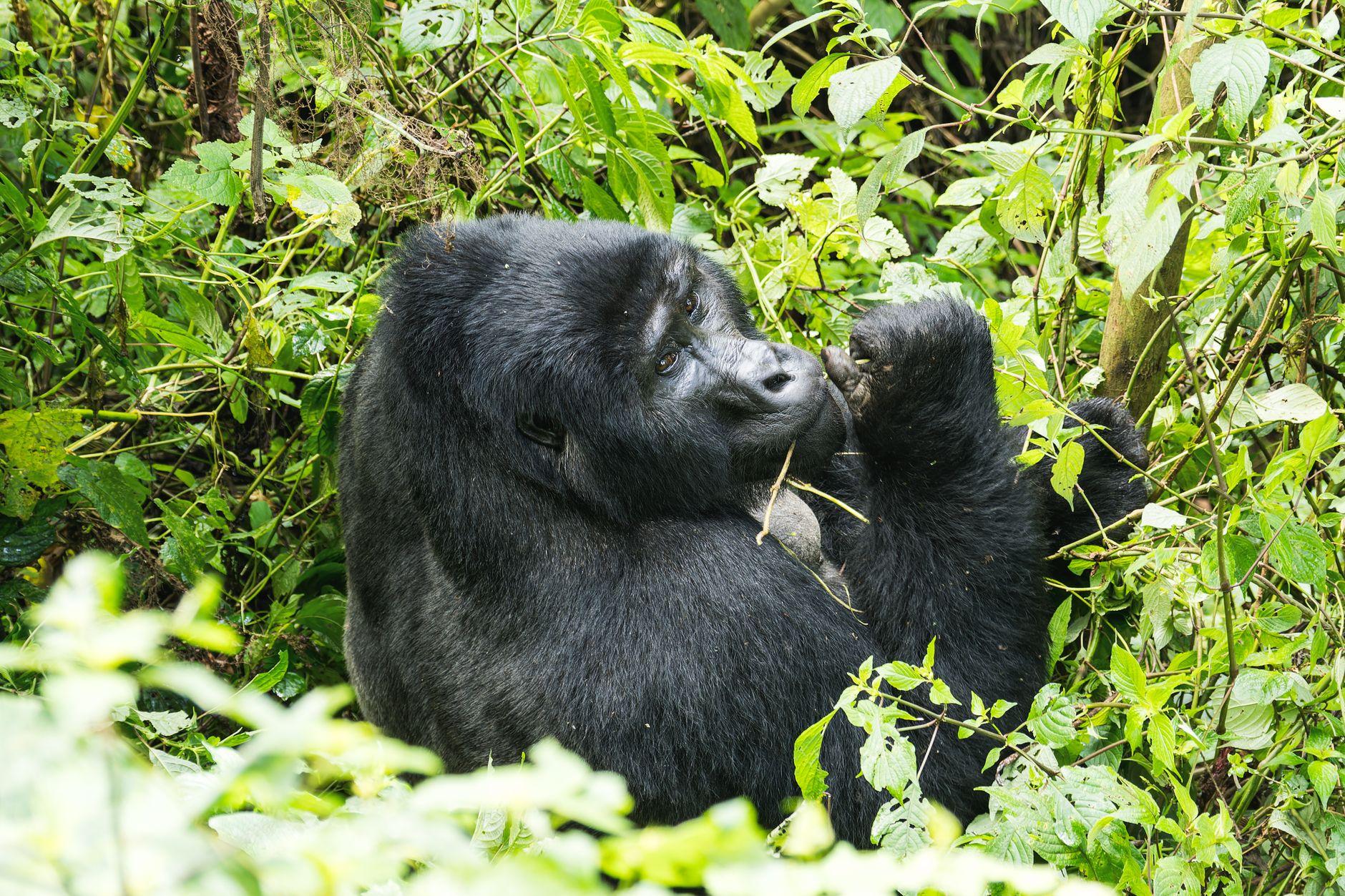
Face-to-Face with Mountain Gorillas
There is a particular kind of silence that falls over you the moment your guide raises a fist and whispers, "They're here." Somewhere in the tangle of vines and ancient hardwoods just ahead, an 180-kilogram silverback is watching you back. Bwindi Impenetrable Forest, a UNESCO World Heritage Site in southwestern Uganda, is one of only a handful of places on Earth where you can look a mountain gorilla in the eye from a few meters away, separated by nothing but forest air and a shared, startling sense of recognition. This 321-square-kilometer rainforest, folded into the steep hills of the Kigezi Highlands near the borders of Rwanda and the Democratic Republic of Congo, shelters roughly 460 mountain gorillas, about half of the world's entire population. For the adventure traveler, it delivers something rare in 2024: an experience that is physically demanding, ecologically vital, and utterly unscripted. No zoo enclosure, no viewing platform, no guarantee of comfort. Just you, a small group of fellow trekkers, a team of trackers who know these gorilla families as neighbors, and the forest itself, dense, dripping, and very much alive.
Bwindi Quick Facts
Best Trekking: December–February & June–September
Bwindi sits at elevations between 1,160 and 2,607 meters, and its climate is defined less by heat than by rainfall, since this is, after all, a rainforest that earns its name. There are two dry-ish windows that make for the best trekking conditions: December through February, and June through September. During these months, trails are firmer underfoot, leech activity drops, and the notoriously steep, muddy inclines around Rushaga and Nkuringo become merely difficult rather than genuinely treacherous. Winter travelers from the Northern Hemisphere take note: Uganda's December-to-February dry spell lines up beautifully with a winter escape, delivering daytime temperatures of 20 to 25°C at forest elevation, cool mornings around 11°C, and long, humid but rain-light days. Christmas and New Year's week is the single busiest period for permits, so if you're chasing that specific window, book six to nine months ahead. March to May and October to November are the long and short rainy seasons respectively, when trails turn to thick, red-clay soup and treks can stretch an extra hour or two as trackers reroute around swollen streams; some travelers actually prefer these shoulder months for thinner crowds and lush, otherworldly forest scenery, provided they pack for serious mud. Permits for Uganda's gorilla trekking are capped daily, with only eight visitors allowed per habituated gorilla family group, so booking windows matter enormously: the Uganda Wildlife Authority releases permits up to two years in advance, and popular dates in peak dry season regularly sell out four to six months ahead. If your travel dates are fixed around a winter trip, start the permit process the moment you commit.
Cordelie travel advisors
Go with someone who knows
The right suite, the right season, the reservations that never appear online — your Cordelie advisor knows them, and holds them for you.
Plan with a Cordelie advisorFree to ask. Cordelie Travel Services · IATA/ARC 06649064
Choose Your Sector: Buhoma, Ruhija, Rushaga & Nkuringo
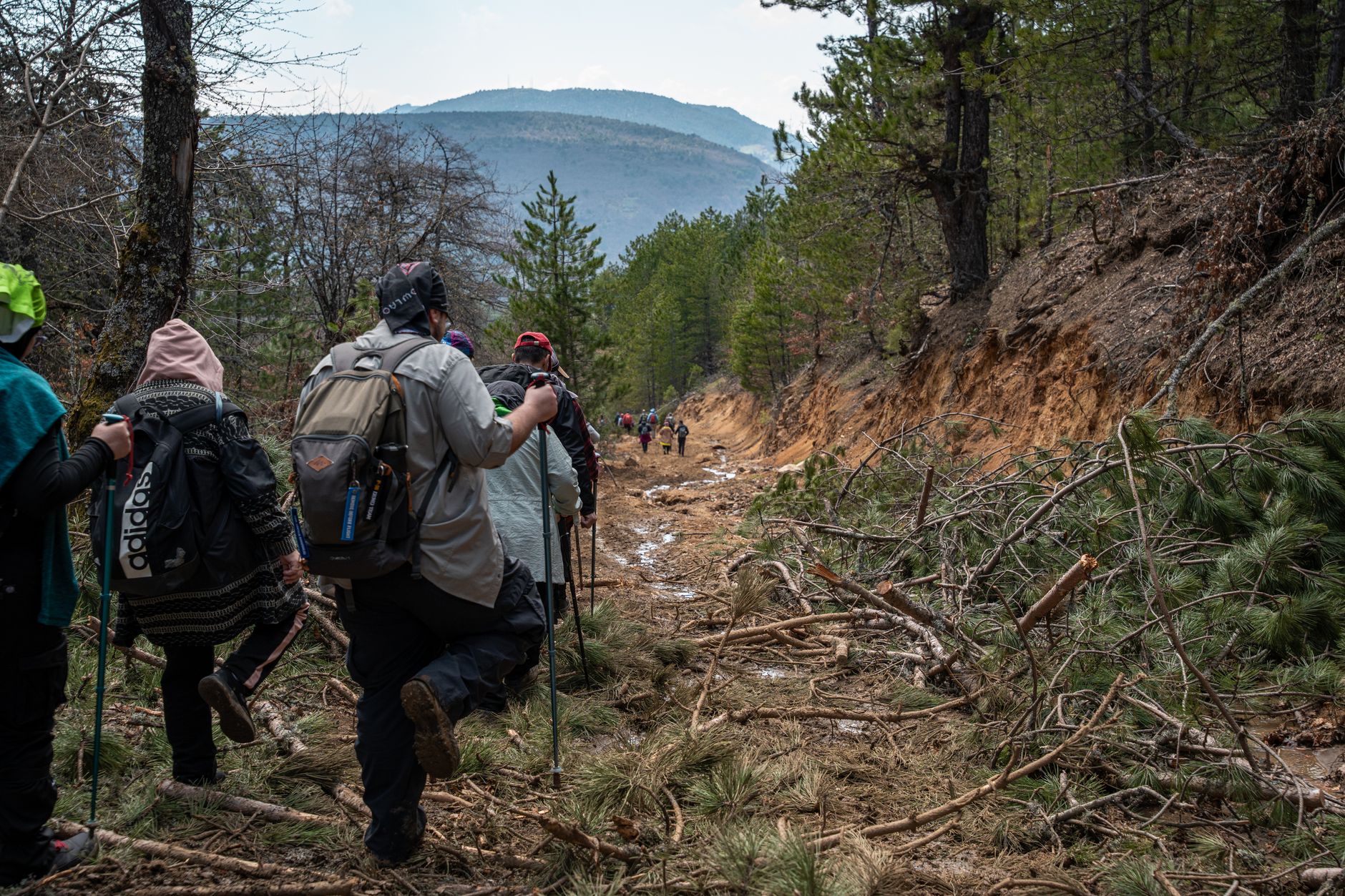
The gorilla trek itself is the headline, but Bwindi rewards travelers who build in a day or two beyond the forest edge. Choosing your trekking sector is the first big decision, and it shapes everything else about your trip. Buhoma, in the north, is the original and most accessible sector, with gentler terrain, the widest range of lodges, and gorilla families like the Mubare and Habinyanja groups that have been habituated the longest. Ruhija, in the east, sits at higher altitude with cooler air and fewer crowds, home to the Oruzogo and Bitukura families, and is a favorite for birders chasing the elusive African green broadbill. Rushaga and Nkuringo, in the south, offer the steepest, most physically punishing trails, rewarded with excellent odds of close encounters and access to the Nkuringo family, plus the option of the four-hour Gorilla Habituation Experience, which lets you spend time with a family still being acclimatized to human presence rather than the standard one-hour visit. Physically, expect anywhere from one to seven hours of hiking each way through steep, often muddy terrain at altitude; porters (roughly US$15 to 20 per day, arranged through your lodge or guide) are worth every shilling for carrying your pack and, frankly, for the moral support on a 60-degree incline. Trekking poles, sturdy waterproof hiking boots with ankle support, gardening gloves for grabbing at stinging nettles and vines, a rain jacket, gaiters, and at least two liters of water are non-negotiable packing items. Then comes the encounter itself: after tracking teams radio in a family's location, your group of eight gets exactly sixty minutes in their presence. What that hour feels like is difficult to describe until you're in it, the shock of scale as a silverback shifts his weight and the ground seems to register it, the tenderness of watching a juvenile tumble over its mother's back, the eerie calm of a gorilla's gaze holding yours for a beat longer than feels comfortable, then sliding away, utterly unbothered. Cameras go quiet. People cry. Nobody quite knows what to say afterward, and that's the point.
Scenes from Bwindi and Beyond
Lodges by Sector: Budget to Luxury
Lodging in Bwindi is organized by sector, so pick your accommodation only after you've secured your permit and sector. In Buhoma, Buhoma Lodge (from around US$450 per night, all-inclusive) offers eight thatched cottages with private verandas looking directly into the forest, along with Sanctuary Gorilla Forest Camp nearby for a slightly more polished, tented-luxury experience. Budget-minded trekkers gravitate toward Buhoma Community Rest Camp, where simple ensuite bungalows run roughly US$60 to 90 per night and profits support local development projects. In Ruhija, Trekkers Tavern Cottages and the mid-range Bakiga Lodge (from about US$120 per night, half-board) provide cozy stone cottages with wood-burning stoves that feel especially welcome after a cool, damp trek. Rushaga and Nkuringo, being the most remote sectors, have fewer options but strong ones: Gorilla Safari Lodge in Rushaga (from around US$350 per night) delivers sweeping views over the Virunga volcanoes along with genuinely excellent food, while Clouds Mountain Gorilla Lodge above Nkuringo sits at the top end of the market (from roughly US$900 per night, all-inclusive) with stone-and-thatch suites, an open-air lounge, and some of the best sunset views in the region. Whichever sector and budget you choose, book six or more months out during dry season, since Bwindi's total bed count remains small relative to demand.
Local Cuisine & Batwa Cultural Trails
Meals at Bwindi's lodges tend toward hearty, comforting fare designed to refuel exhausted trekkers, think creamy matoke (steamed green banana) stews, grilled tilapia from Lake Bunyonyi, roasted g-nut (peanut) sauce over rice, and posho alongside slow-cooked goat or beef. Many lodges grow their own vegetables and source coffee from local Kigezi highland cooperatives, so ask for a cup grown within a few kilometers of where you're sitting; it's often extraordinary. Cultural immersion here goes well beyond the plate. The Batwa people, forest-dwelling hunter-gatherers displaced when Bwindi was gazetted as a national park in 1991, now lead visitors on Batwa Trail experiences (around US$45 to 80 per person) that combine forest-survival demonstrations, traditional song and dance, and candid conversation about the tension between conservation and displacement. It is one of the most honest cultural encounters available in East Africa, and worth building into your itinerary rather than treating as an afterthought. Around Buhoma, community walks through local villages let you visit a traditional healer, a banana-beer brewer, or a blacksmith, with a portion of fees flowing directly back into the community through the Buhoma Community Development Association. Tipping matters throughout Uganda's safari culture: guides typically receive US$10 to 20 per day, porters US$15 to 20 per day, and trekking team tips are usually pooled and presented at the end of your visit.
“In the forest you learn quickly that you are the visitor, not the observer. The gorillas were never waiting for you.”
Flights to Airstrips, Then 4x4 Transfers
Reaching Bwindi requires commitment, which is part of what keeps it wild. Most travelers fly into Entebbe International Airport, then take a domestic flight via Aerolink or Fly Uganda to one of the small airstrips at Kihihi, Kisoro, or Kayonza (roughly US$200 to 300 one-way, 60 to 90 minutes), followed by a one- to two-hour road transfer to your specific sector. The overland alternative is an 8- to 10-hour drive from Entebbe or Kampala on winding, occasionally rough roads, doable but far more comfortable when broken into two days with an overnight near Lake Mburo or in Kabale. Within Bwindi itself, a 4x4 vehicle with a driver-guide is essential, given the steep, unpaved roads connecting sectors, and most lodges arrange this as part of your booking. Note that the four sectors are not close to one another by road, Buhoma to Rushaga can take three to four hours, so if you're combining sectors or pairing with Lake Bunyonyi (about 2 hours from Buhoma or Ruhija) or Queen Elizabeth National Park (roughly 2 to 3 hours from Buhoma), plan transfer days into your itinerary rather than treating them as afterthoughts. Cordelie's advisors typically build these connections into a single seamless routing so you're never scrambling for last-minute transport in a region with limited cell signal.
Three Days: Arrival, Trek & Recovery
Arrival in Buhoma and Forest Orientation
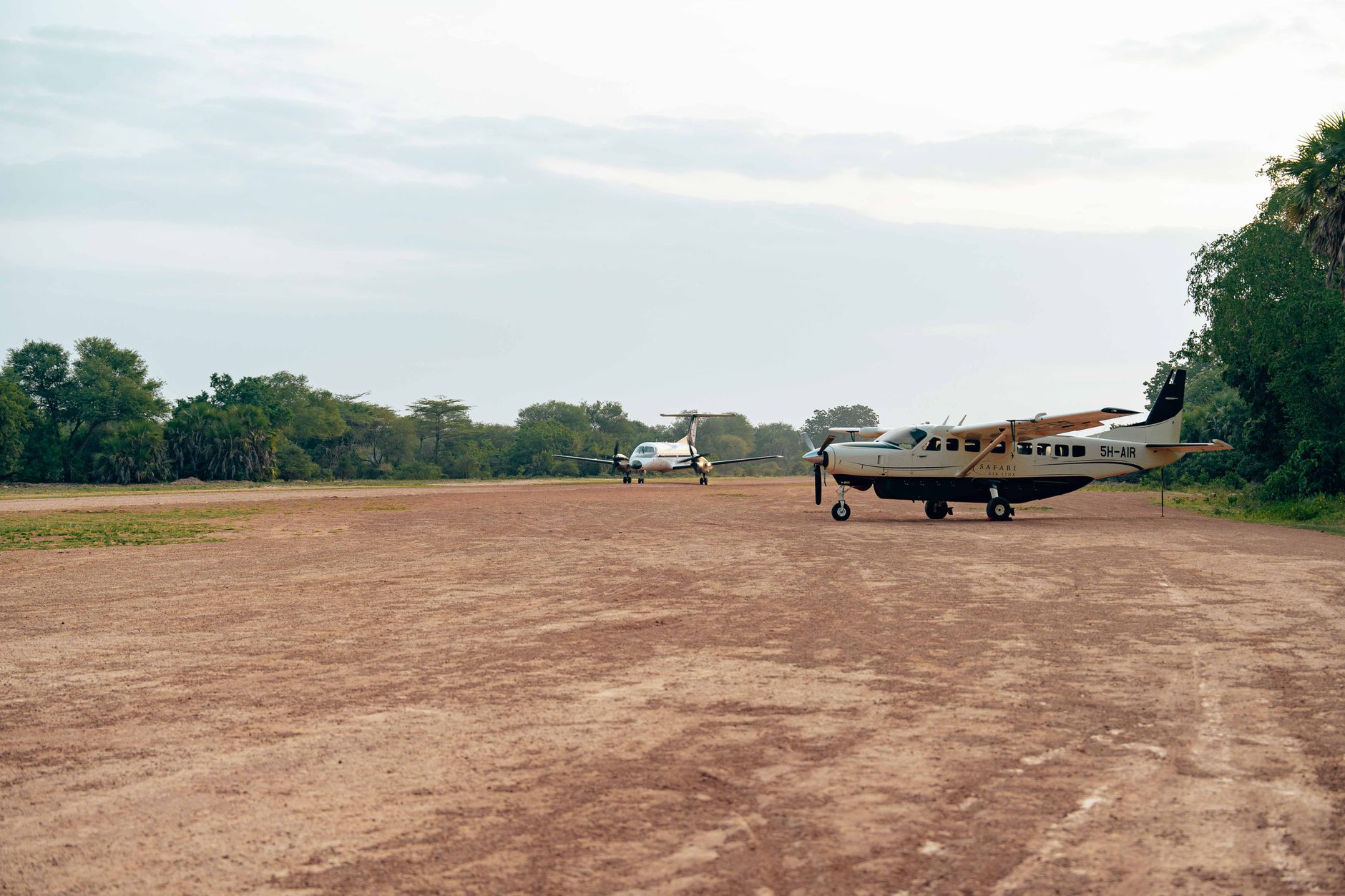
Fly from Entebbe into Kihihi airstrip and transfer roughly 90 minutes to your Buhoma lodge, arriving in time for a late lunch overlooking the forest edge.
Spend the afternoon settling in, attend a pre-trek briefing with your lodge's guide covering fitness levels, gear checks, and what to expect the next morning, then take a short walk to the Uganda Wildlife Authority headquarters to register.
Gorilla Trekking Day
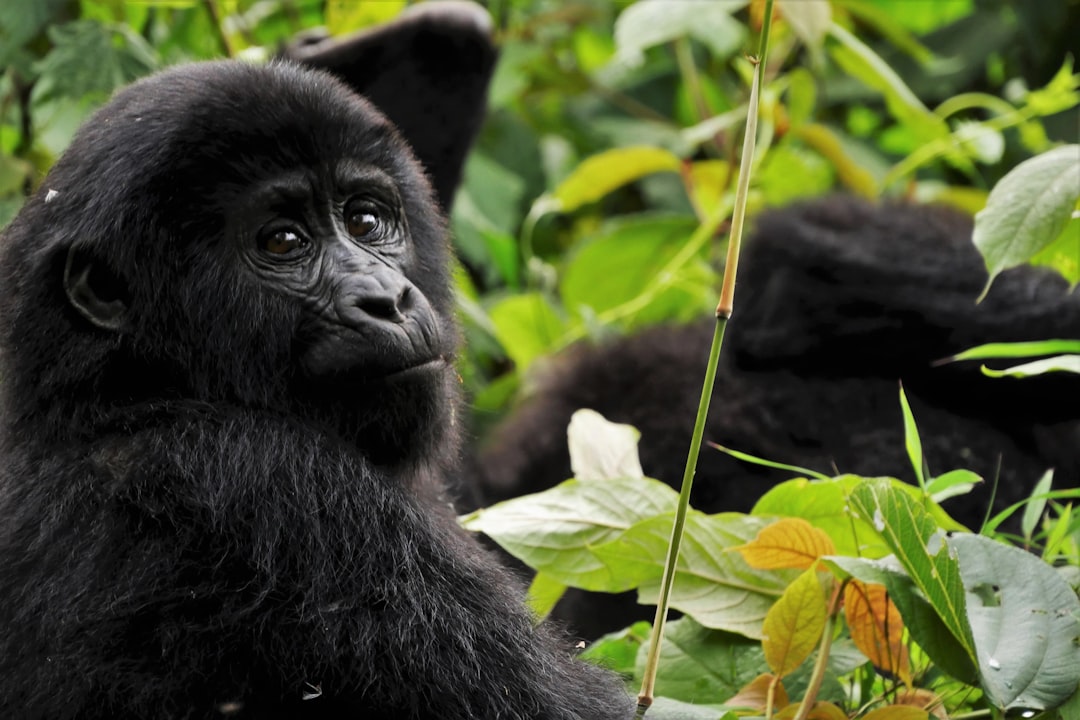
Rise before dawn for a 6:30am briefing at the park headquarters, where you're assigned to one of the day's gorilla family groups and paired with a ranger guide and armed escort.
Trek anywhere from one to five hours through dense forest, depending on where trackers have located your assigned family that morning, then spend an unforgettable, strictly timed hour in their presence before hiking back out.
Return to the lodge by mid-afternoon for a hot shower, a well-earned lunch, and an early night, your legs will thank you.
Batwa Cultural Trail and Onward to Lake Bunyonyi
Spend the morning on the Batwa Trail, learning traditional forest-survival skills, archery, and fire-making from Batwa elders, followed by a shared meal and storytelling session.
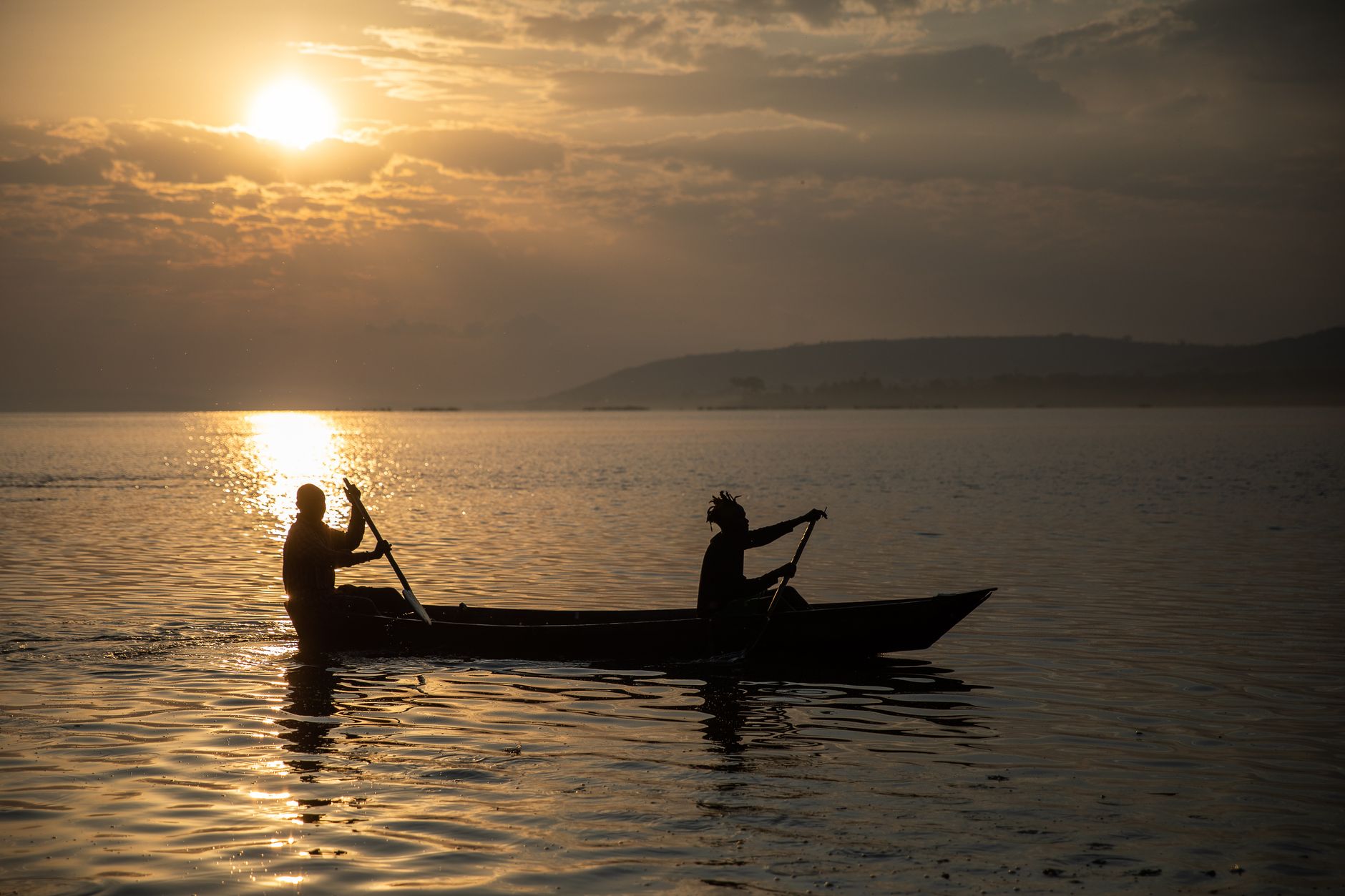
In the early afternoon, transfer roughly two hours by road to Lake Bunyonyi, checking into a lakeside lodge in time to watch dugout canoes glide across the water at sunset.
Consider extending here with a canoe paddle to Punishment Island or a soak in the cool highland air before continuing on to Queen Elizabeth National Park for a savanna safari finale.
Gorilla permits sell out fast in dry season, sector choice dramatically affects trek difficulty, and Bwindi's four sectors aren't easily linked by road, three facts that trip up a surprising number of independent planners. A Cordelie travel advisor can secure your permits the moment your dates are set, match you to a sector suited to your fitness level, and build in transfers to Lake Bunyonyi or Queen Elizabeth National Park without dead time or logistics headaches. Reach out at https://cordelie.com/contact and we'll have a custom Bwindi itinerary in your inbox within days.
At a Glance: Bwindi Impenetrable Forest
A bucket-list, boots-in-the-mud adventure that rewards physical effort with one of the planet's most humbling wildlife encounters.
Bwindi is not a resort destination, it's a demanding, deeply rewarding trek through misty rainforest to meet one of our closest living relatives on their own terms. Budget US$800 for the permit alone, plan for genuine physical exertion, and book far ahead for dry-season dates in winter.
Pair it with Lake Bunyonyi for a soft landing and Queen Elizabeth National Park for classic savanna game viewing, and you have one of East Africa's richest possible itineraries in under a week.
Last checked for accuracy: . How we check

Isaac Reid has spent fourteen years on ships and on foot in the places weather still decides. He sailed his first Drake Passage as an expedition assistant and has since made the crossing more than thirty times, between seasons trekking in Nepal and Patagonia. He writes about what these trips actually ask of a traveller — the days that get cancelled, the kit that matters, the difference between a landing and a cruise-by — and thinks the honest version sells them better than the brochure does.