
Elephant Island: Where Shackleton's Crew Waited for Rescue

The Narrow Spit Where Shackleton's Men Refused to Give Up Hope
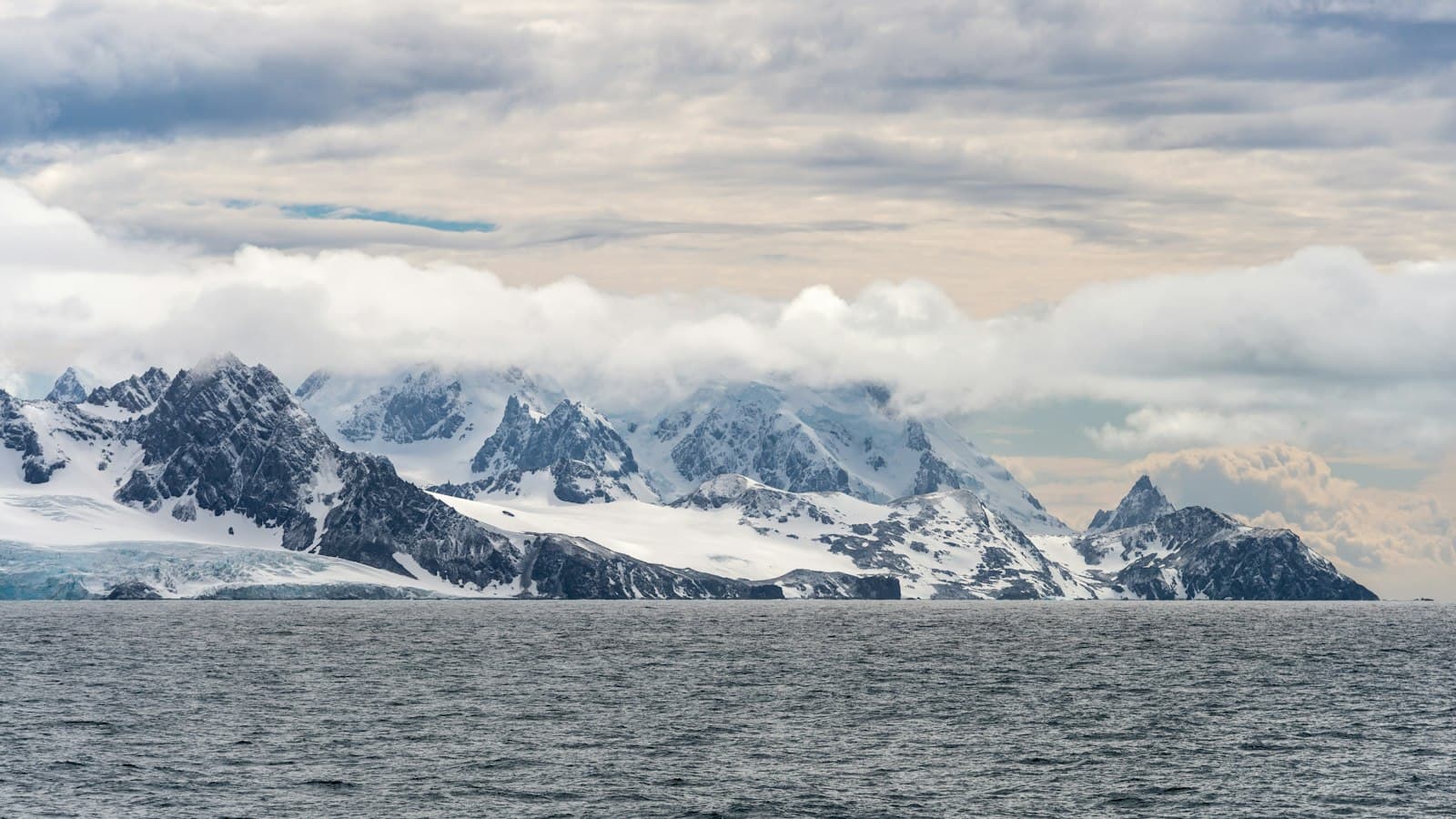
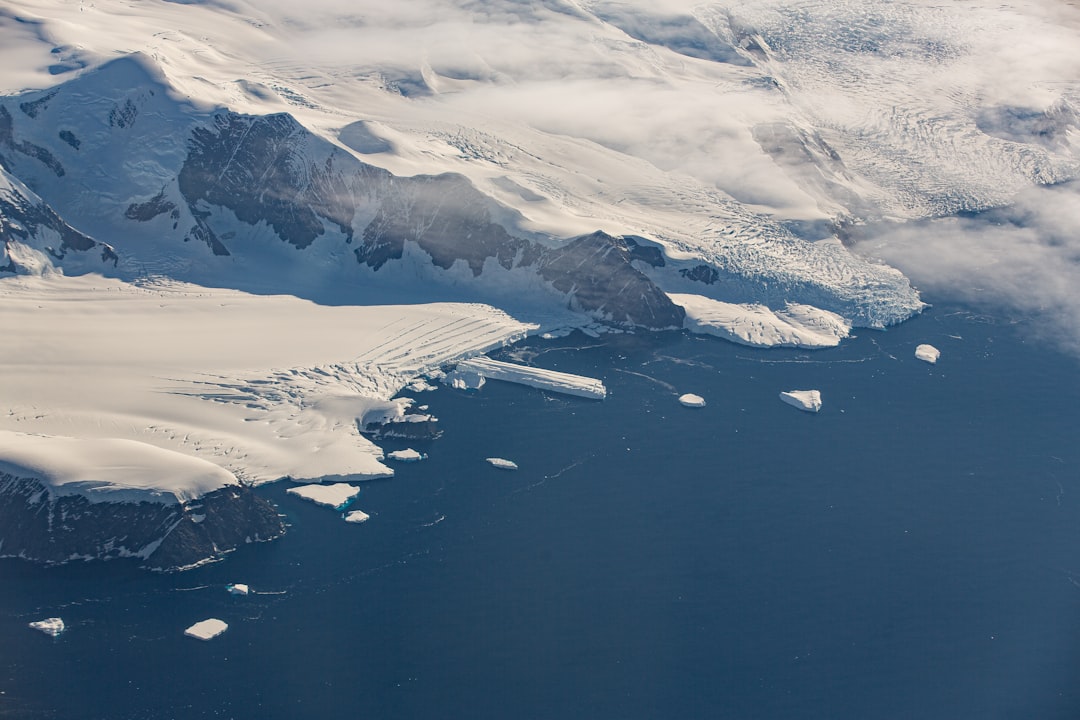
There is no dock at Elephant Island, no visitor center, no sign marking the spot. There is a narrow gravel spit under a glacier, chinstrap penguins working the tideline, and a bronze bust facing out to sea. That absence of infrastructure is precisely the point: this is a place that has changed almost nothing since April 1916, when 28 men in three open lifeboats rowed out of the Weddell Sea's pack ice and found the first solid ground they had stood on in nearly sixteen months.
Elephant Island sits at the far northeastern edge of the South Shetland Islands, a scrap of rock and ice roughly 1,000 km south of Cape Horn and about 240 km north of the Antarctic Peninsula's Trinity Peninsula. It has no permanent station, no residents, and no reliable anchorage, which is exactly why so few travelers ever stand where Frank Wild's 22 men once stood. For anyone who has read Shackleton's account of the Endurance expedition, a landing here is not a photo stop. It is the closing chapter of one of the great survival stories, walked in person.
Elephant Island Quick Facts
Spring in the Weddell Sea's Shadow: Reading the Ice Before You Book
Antarctic tourism runs from roughly late October through March, and Elephant Island's window sits at the tricky end of that calendar. Spring sailings, from late October into December, bring longer daylight and the first breeding activity among the chinstrap penguins at Cape Lookout, but the sea ice pushed north out of the Weddell Sea by winter currents can still hug the island's coast well into November. Ships that route through the Weddell Sea toward the Antarctic Peninsula pass closest to Elephant Island, and captains watch satellite ice charts daily to judge whether Point Wild is even approachable.
By January and February, the peak of the Antarctic summer, ice pressure eases but swell from the open Southern Ocean tends to build, since Elephant Island's northern shore has no islands or headlands to break it. There is no season that guarantees a landing here; expedition leaders describe Point Wild as one of the least forgiving anchorages on any Antarctic itinerary. What spring does offer is the visual drama that makes the history land hardest: fresh snow on the cliffs above Point Wild, restless brash ice in the shallows, and skies that shift from flat grey to startling clarity within an hour, much as Frank Wild's diary describes.
Cordelie travel advisors
Planning Elephant Island? Go with someone who knows
The right suite, the right season, the reservations that never appear online — your Cordelie advisor knows them, and holds them for you.
Plan with a Cordelie advisorFree to ask. Cordelie Travel Services · IATA/ARC 06649064
Standing at Point Wild: The Landing Every Antarctic Voyage Hopes For
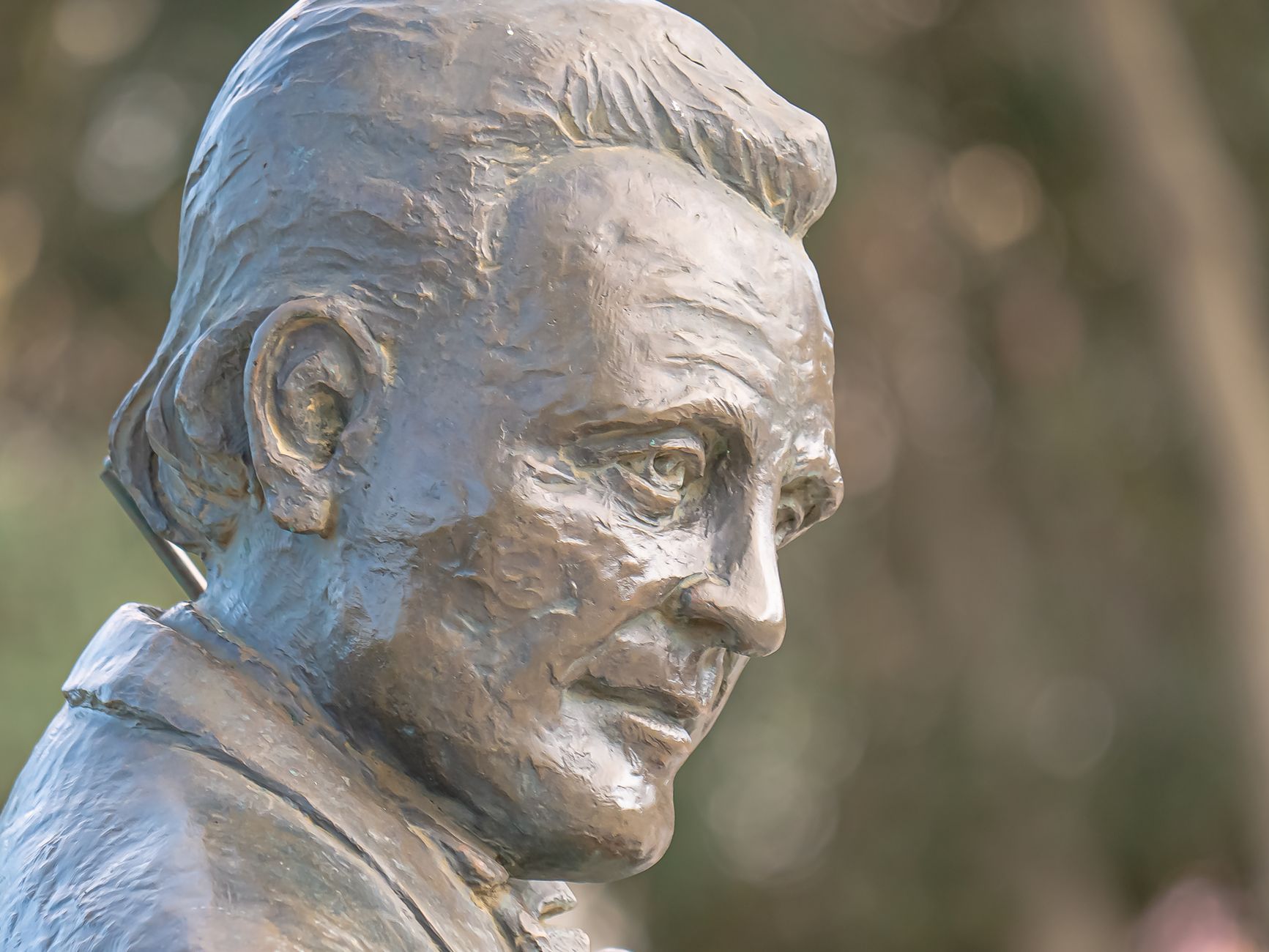
The single experience that draws history-minded travelers to this stretch of the South Shetlands is a Zodiac approach to Point Wild itself, the narrow spit where Frank Wild commanded 22 men for 128 days after Shackleton departed for South Georgia. When conditions allow, expedition staff run small groups ashore in inflatable Zodiacs for perhaps 60 to 90 minutes, enough time to walk the beach, see the bronze bust of Captain Luis Pardo of the Chilean Navy, and picture two upturned lifeboats, the Dudley Docker and the Stancomb Wills, serving as the men's only shelter through an Antarctic winter.
That bust, unveiled by Chile's Instituto Antártico Chileno in the late 1980s, honors the man who finally reached the beach on 30 August 1916 aboard the naval tug Yelcho, after three earlier rescue attempts had turned back in ice. If swell makes a landing unsafe, which happens on a meaningful share of attempted visits, ships instead run a slower Zodiac cruise along the shoreline, close enough to see the spit and the glacier wall behind it without putting boots on the gravel. Either way, an onboard historian or expedition guide typically narrates the small-boat journey in real time, tracing the exact line the James Caird, Dudley Docker, and Stancomb Wills rowed from the ice floe to Cape Valentine, then the seven-mile shift west to Point Wild once Cape Valentine proved too exposed.
A short distance around the coast, Cape Lookout holds one of the island's larger chinstrap penguin colonies, and ships that cannot land at Point Wild will often substitute a landing or Zodiac cruise here instead. It is worth building your expectations around both possibilities rather than one guaranteed stop, since operators are candid that Elephant Island landings remain rare even on itineraries built specifically to include the Weddell Sea.
Elephant Island in Pictures
No Beds on Elephant Island: Where You Actually Sleep on This Voyage
Nobody stays overnight on Elephant Island; your accommodation is the expedition ship itself, and the choice of vessel shapes the trip more than any hotel decision would. At the upper end, Lindblad Expeditions' National Geographic Endurance, named in honor of Shackleton's ship, carries around 126 guests in cabins with private balconies and runs Weddell Sea sailings on which an Elephant Island stop is attempted. Quark Expeditions' Ultramarine and Ocean Endeavour, and Aurora Expeditions' Greg Mortimer and Sylvia Earle, cover a similar route on select departures, typically pitched around 12 to 23 days depending on whether the voyage also visits South Georgia and the Falklands.
Before you sail, Ushuaia at the tip of Argentina is the near-universal embarkation point, and it rewards an extra night either side of the crossing. The Arakur Ushuaia Resort & Spa sits above the Beagle Channel with sweeping views and rooms from roughly USD 350 to 550 a night in the Southern Hemisphere spring, while Los Cauquenes Resort & Spa offers a quieter beachfront setting closer to town for somewhat less. Both are a 10 to 15 minute taxi ride from the port where most expedition ships dock.
A Beach with No Kitchen: What Survival Actually Looked Like Here
There is no local cuisine to sample on Elephant Island, because there was never a settled population to build one; the closest thing to food culture here is the grim, resourceful diet the stranded crew survived on. Frank Wild's men lived largely on seal and penguin meat through the winter of 1916, supplemented by whatever the ship's cook, Charles Green, could stretch from the last of the expedition's stores, boiling blubber for fuel when coal ran short. That history gives real weight to a dinner aboard your expedition ship afterward, when a cabin briefing on tomorrow's Weddell Sea ice charts sits alongside a menu that might run to Patagonian lamb or fresh Southern Ocean fish, plated in a dining room with floor-to-ceiling windows onto the same water Shackleton's men once feared.
The cultural experience that does travel well here is procedural: every IAATO-member operator runs a strict biosecurity routine before any landing, scrubbing boots, vacuuming pockets, and checking outerwear for stray seeds or feathers to keep Elephant Island's ecosystem free of introduced species. Expect a 15 to 20 minute boot-and-gear check before your first Zodiac launch of the voyage, and expect it to be taken seriously; guides will turn back a guest whose boots aren't clean.
“We had suffered, starved, and triumphed, grovelled down yet grasped at glory, grown bigger in the bigness of the whole.”
Two Days of Open Water Before You See the Cliffs
There is no getting to Elephant Island except by sea, and that sea is the Drake Passage, roughly 1,000 km of open Southern Ocean between Cape Horn and the South Shetland Islands. Most ships take about two days each way, and captains route toward calmer water when they can, but this crossing has a reputation for good reason and seasickness remedies are standard-issue on embarkation day. Some itineraries instead approach from the Falkland Islands via the Weddell Sea, adding sailing time but often improving the odds of a favorable ice window near Elephant Island itself.
Once in the South Shetlands, everything happens by Zodiac; there are no docks, jetties, or paths, only inflatable boats launched from the ship's stern for landings that typically last an hour or two. Expect an early wake-up call, often around 06:00 to 07:00, on the morning your ship attempts Elephant Island, since the crew wants the calmest possible window and the earliest possible read on the swell before committing guests to the water.
A Three-Day Window: Sailing Toward, Landing At, and Leaving Point Wild
Approach Through the South Shetlands
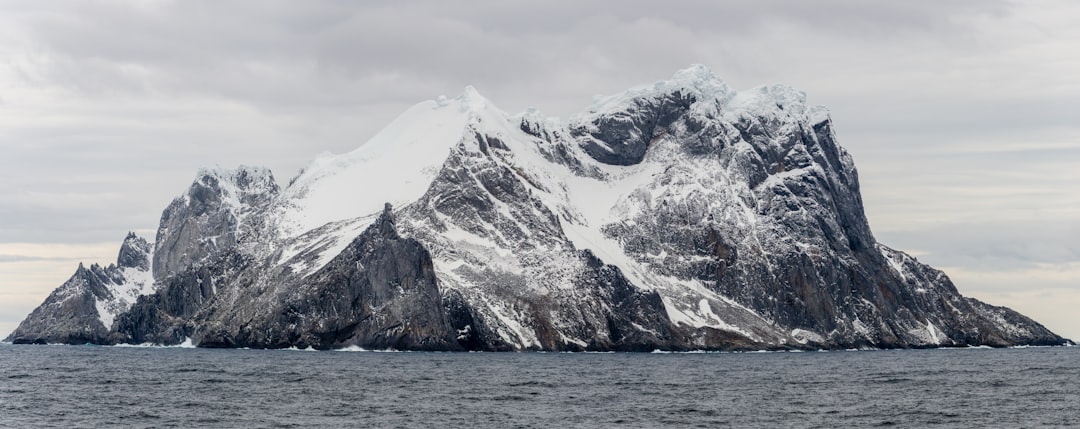
Your ship spends the day working east along the South Shetland Islands, often with a morning landing at a more sheltered spot such as Half Moon Island or Yankee Harbour before pushing on toward Elephant Island by afternoon.
Expedition staff brief the group on the Endurance story in full: the ship's crushing in the Weddell Sea pack ice in November 1915, the drift on the floes, and the desperate open-boat journey that followed in April 1916.
Point Wild, Weather Permitting
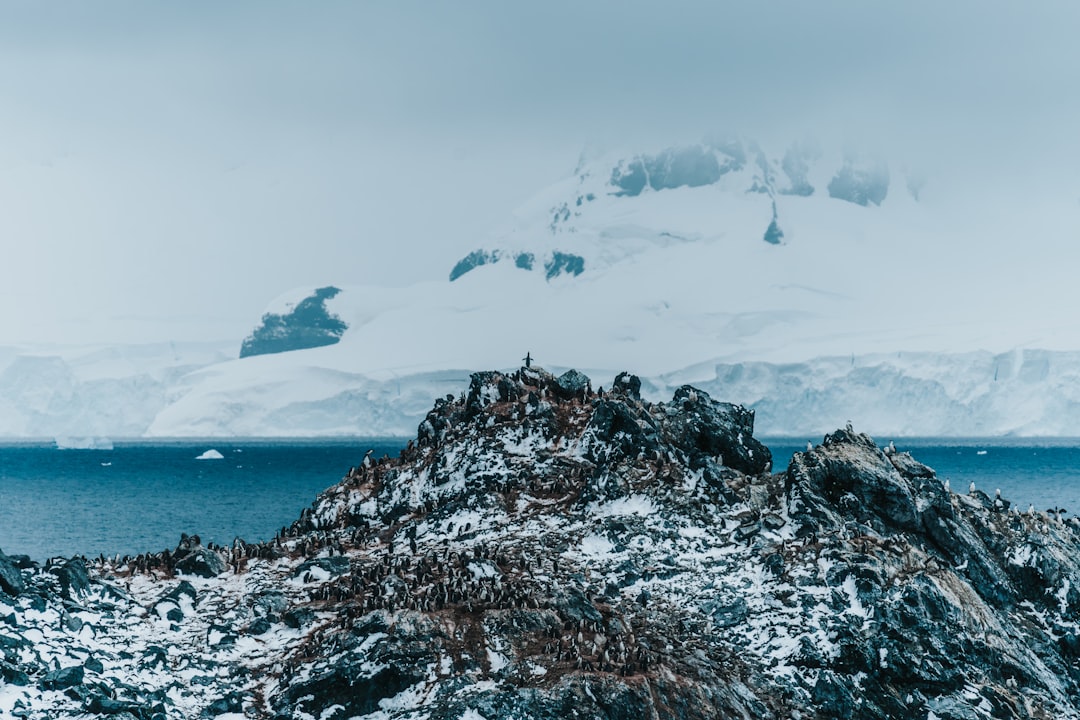
An early call, often around 06:30, brings word on whether the swell at Point Wild allows a landing; if it does, Zodiacs run guests ashore in small groups for roughly 60 to 90 minutes on the gravel spit where Frank Wild's 22 men waited.
You'll see the bust of Luis Pardo and stand near the site of the upturned lifeboats, with a guide narrating the rescue voyage of the Yelcho on the exact ground it happened.
If conditions don't allow a landing, the ship instead runs a Zodiac cruise along the coast, and often a substitute landing at the chinstrap penguin colony near Cape Lookout.
Onward Toward the Peninsula or South Georgia
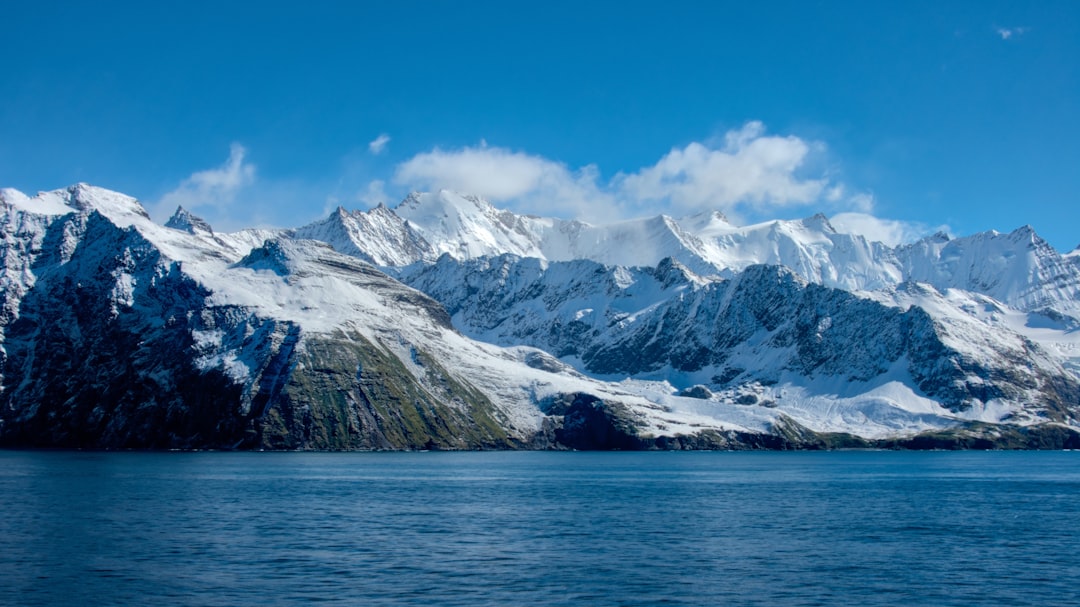
With Elephant Island behind you, the ship turns either south toward the Antarctic Peninsula's more sheltered channels, such as the Gerlache Strait, or northeast on the multi-day crossing to South Georgia.
Voyages that continue to South Georgia let you complete Shackleton's own route in reverse, visiting King Haakon Bay where the James Caird made landfall and Grytviken, where Shackleton is buried in the old whalers' cemetery.
Not every Antarctic cruise even routes past Elephant Island, and among those that do, only a handful build in the ice-chart flexibility and extra sailing days a real landing attempt requires.
A Cordelie advisor can match you to the specific departures, cabin categories, and Weddell Sea itineraries where Point Wild is genuinely on the table, and arrange the pre- and post-cruise stay in Ushuaia around it.
Speak with a Cordelie advisor about crafting your Endurance-route voyage at https://cordelie.com/contact.
Elephant Island at a Glance
One of the rarest, most rewarding landings in Antarctic travel, for the reader willing to build a voyage flexible enough to attempt it.
Elephant Island has no infrastructure, no guarantees, and no substitute for the history it holds. A landing at Point Wild delivers a direct, physical connection to the Endurance story that no museum or book can match.
Go into it with the right expectations: this is a weather-dependent stop on a Weddell Sea or South Georgia-inclusive itinerary, best chased in spring or early summer, and best booked through an operator and advisor who understand exactly how often it actually happens.
Last checked for accuracy: . How we check

Sarah Chen has covered Asia for twelve years, first as a wire reporter in Jakarta and now from Singapore, where she keeps a standing list of the region's most misunderstood destinations. She writes about the distance between what a place is famous for and what it is actually like to spend a week in — and is happiest on an overnight train with a bad seat and a good view.