
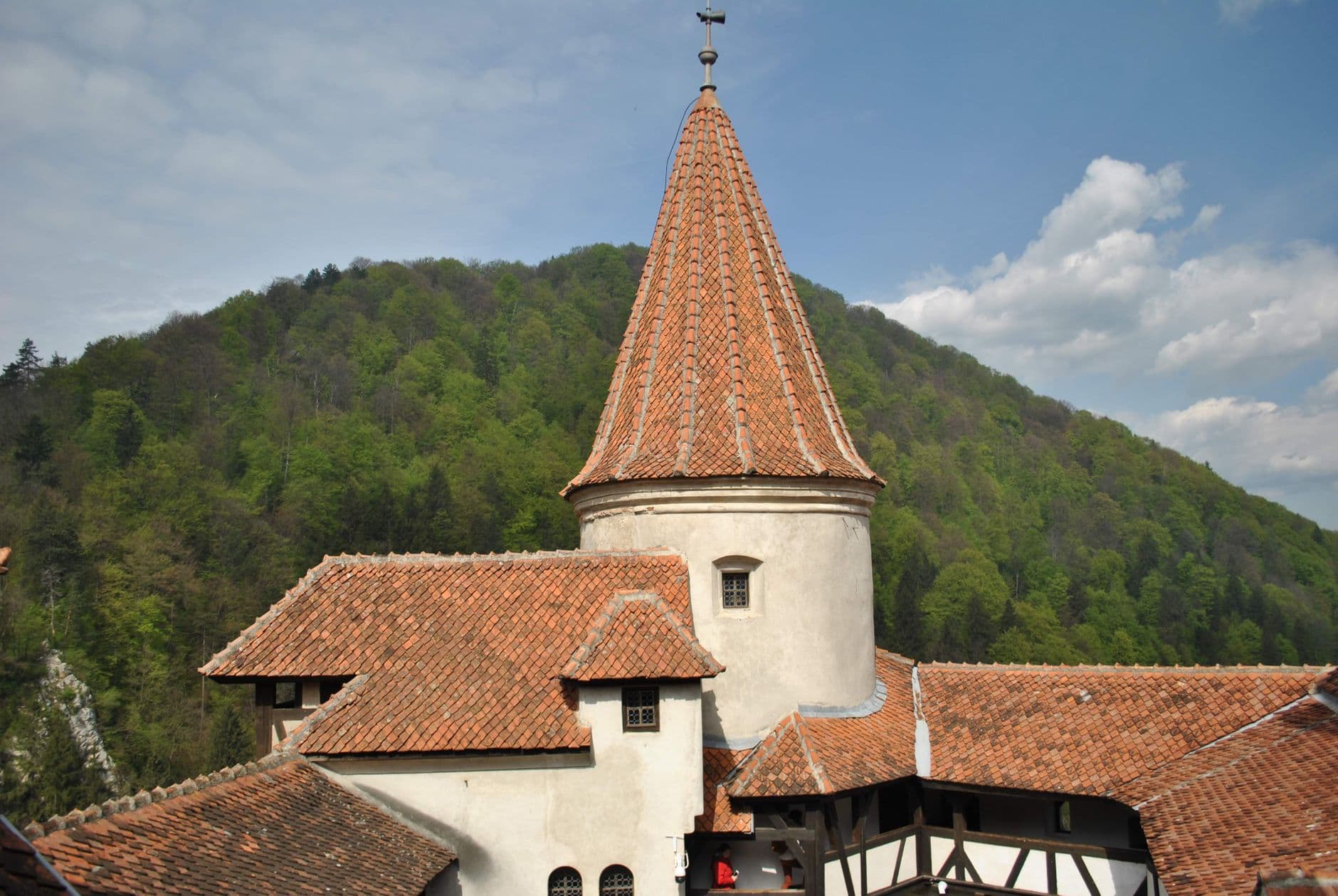
Dracula's Castle and Beyond: Transylvania's Fortified Medieval Trail

Transylvania's Saxon Strongholds: A Historian's Castle-Hopping Trail from Bran to Biertan
Every fortress in this corner of Romania was built by someone frightened of someone else. Saxon colonists raised these walls against Ottoman raiders and Tatar horsemen from the 12th century onward, and centuries later a Gothic novelist borrowed one of their castles for a count who never actually lived there. That collision of hard defensive history and soft legend is exactly what makes the Bran-to-Biertan trail so rewarding for a reader who wants more than a photo op.
This list ranks seven fortified sites across Transylvania — castles, hilltop refuges, and the UNESCO-listed fortified churches unique to Saxon villages — and lays out how to link them into a four- or five-day spring itinerary based out of Brasov and Sibiu.
Ranking weighed four things: how much of the original defensive architecture still stands and can be walked, the depth of documented history versus tourist embellishment, UNESCO or protected status, and how logically each site slots into a multi-day driving loop rather than requiring a detour that eats a half-day.
Sites that layer several eras — Saxon colonization, Ottoman-era siege defense, and later legend or restoration — scored higher than single-note attractions, since that layering is what gives this region its particular texture.
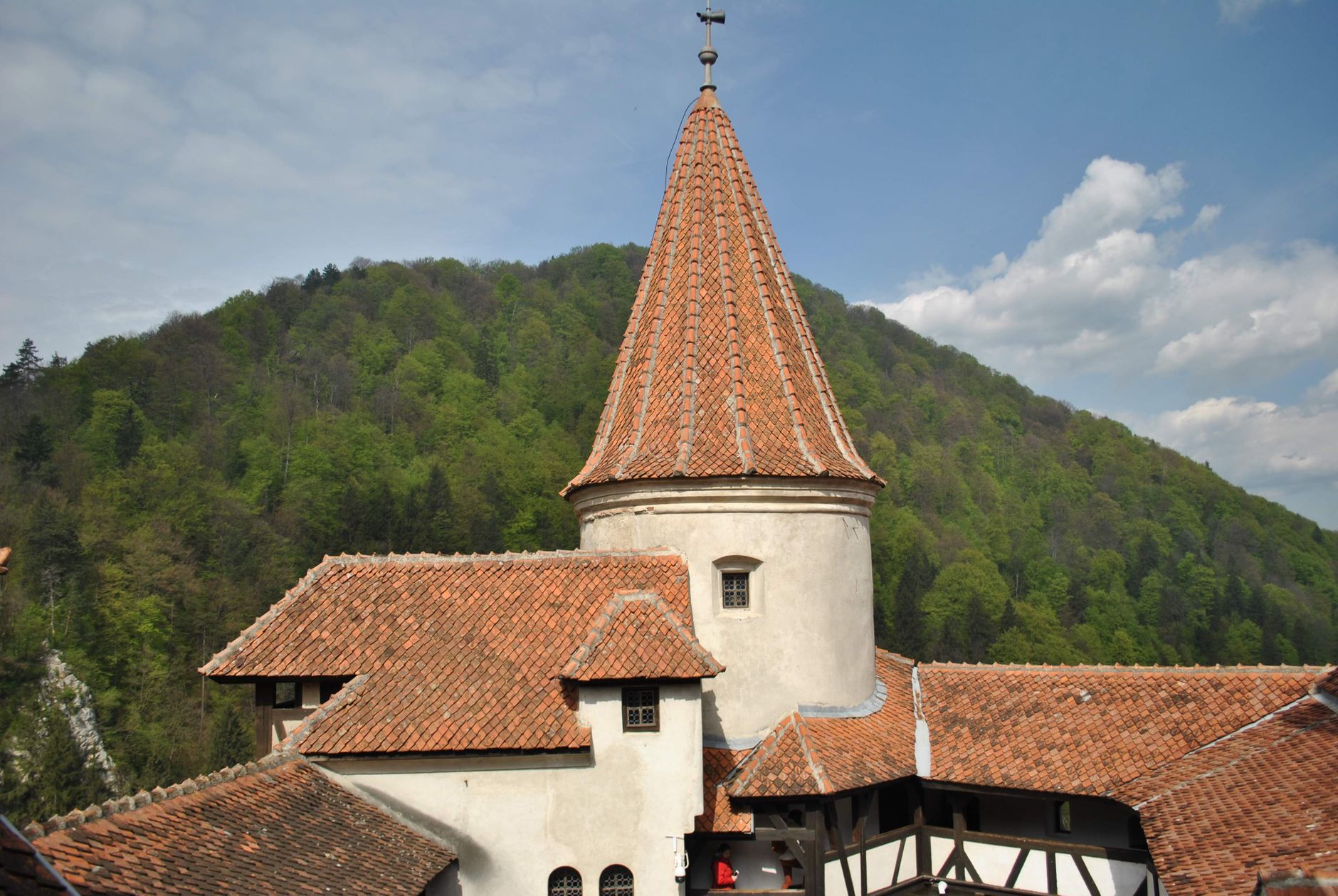
Bran Castle
The legend everyone comes for — and a genuine 14th-century fortress underneath it
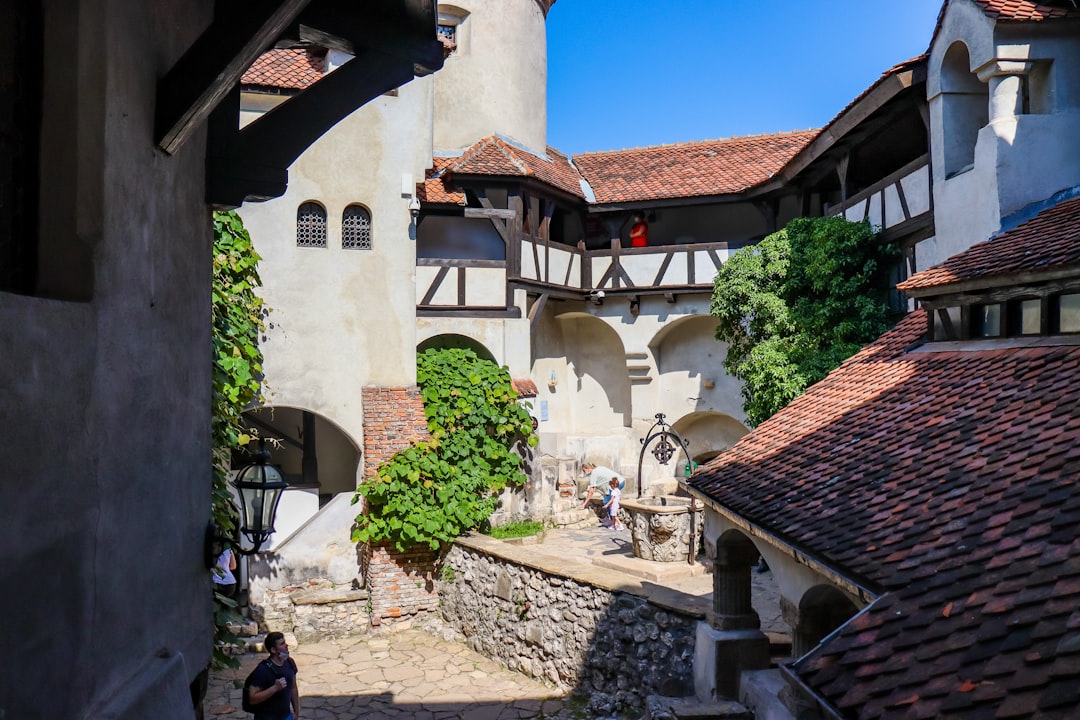
Saxon guilds from nearby Brasov built Bran between 1377 and 1388 with permission from Hungary's King Louis I, planting it on a narrow gap between the Bucegi and Piatra Craiului mountains to tax and control traffic between Transylvania and Wallachia. The whitewashed towers and red-tiled roofs you see today owe as much to a 1920s restoration for Queen Marie of Romania, who used Bran as a summer residence, as they do to medieval masons.
The Dracula connection is looser than the gift shops suggest. Vlad Tepes almost certainly never lived here for any real stretch, and Bram Stoker never set foot in Romania before writing his novel. What Bran does have is an honestly good museum — Queen Marie's furnished rooms, a rotating exhibit on Vlad the Impaler's real history, and in spring, a courtyard framed by blooming cherry trees instead of the August coach-tour crush.
Arrive right at opening, around 9:00, and you'll have the spiral staircases largely to yourself for the first hour. Entry runs roughly 40-45 RON, about EUR 8-9, as of late 2024 pricing, with hours typically 9:00-18:00 from April through September and shorter in the off-season. The drive from Brasov takes 30-40 minutes south on the DN73.
Rasnov Fortress
The community refuge Bran's tourists usually skip
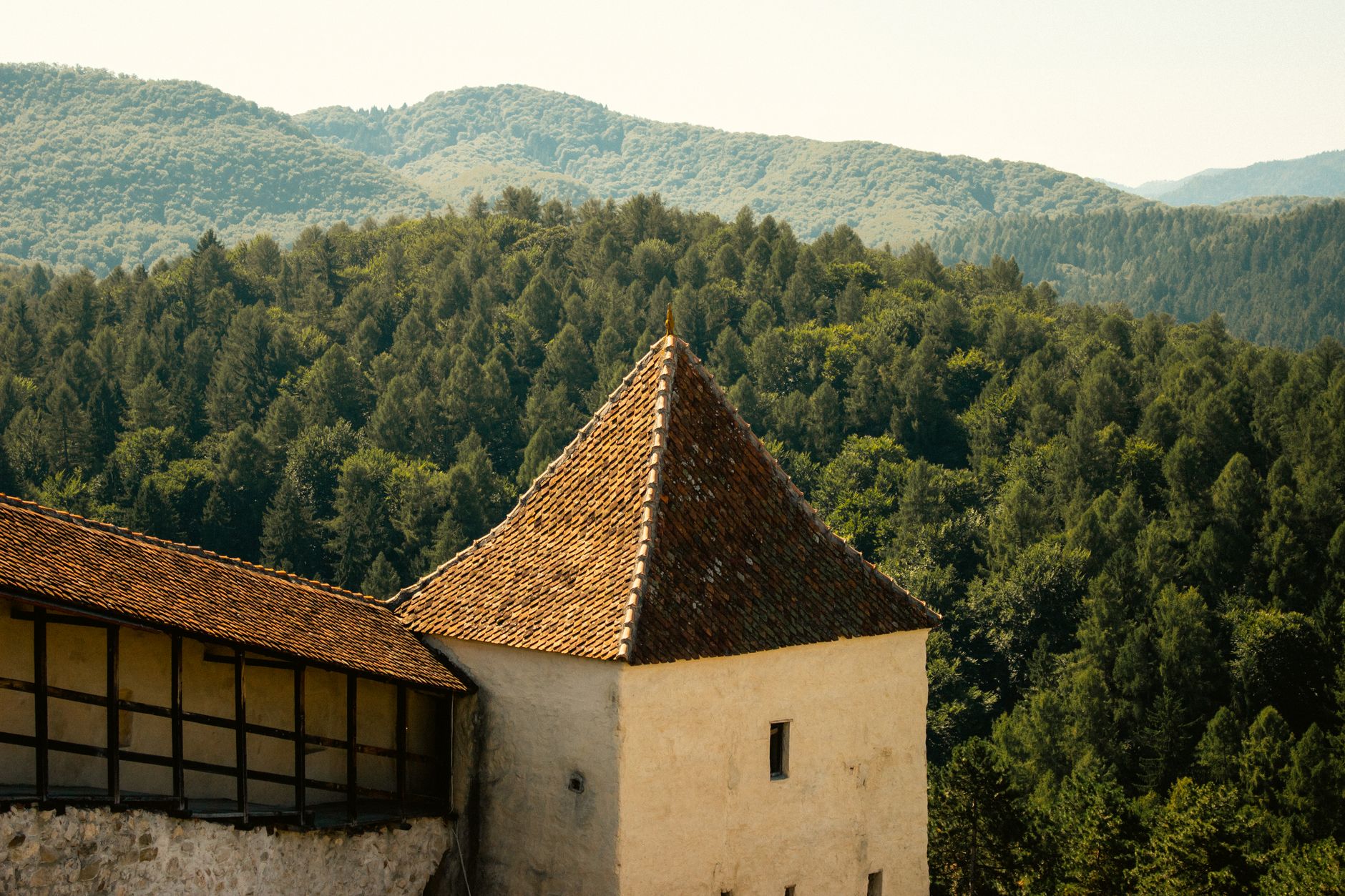
Fifteen minutes from Bran, up a steep hill above the town of Rasnov, sits a fortress that tells a rougher story: not a noble's residence but a peasant refuge, built and rebuilt from the 13th century onward whenever Ottoman or Tatar raiders threatened the valley. Villagers kept small stone houses inside the walls for exactly this purpose, and the ruined foundations of dozens of them still checkerboard the hilltop.
Local guides point to a well inside the fortress said to run well over 140 metres deep, reportedly dug over years by prisoners as a hedge against sieges long enough to outlast an attacker's patience. Whether every detail of that story is precise, the well itself is real and startlingly deep when you look down it.
You can walk up in about 10-15 minutes or take the short funicular from the parking area near the town center. Entry runs roughly 15-20 RON, and the fortress pairs easily with Bran as a single half-day, since both sit within a 20-minute drive of each other.
Biertan Fortified Church
Triple walls, a marriage-saving prison cell, and Transylvania's finest UNESCO church
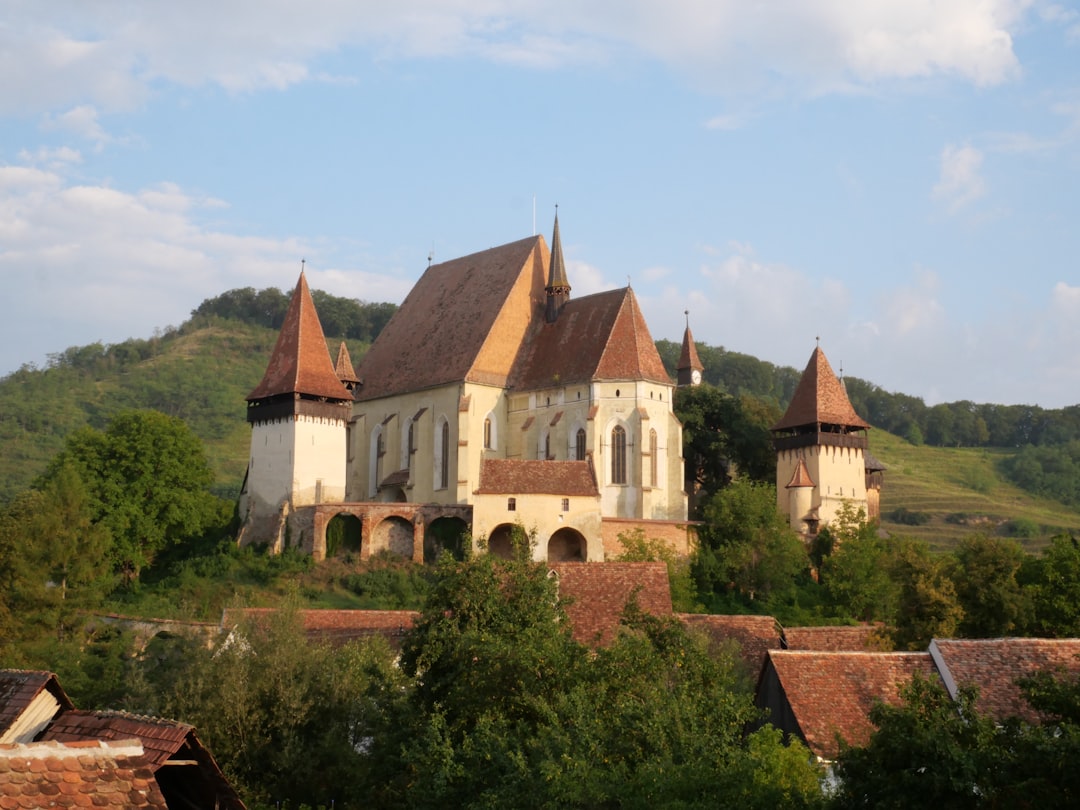
Biertan anchors the UNESCO inscription of Villages with Fortified Churches in Transylvania, listed in 1993 alongside six other Saxon settlements. Three concentric rings of stone wall climb the hill toward a late-Gothic church begun in the 1490s, and inside those walls you can still trace storage chambers where villagers kept grain and bacon against sieges that could last weeks.
The site's most quoted feature is the 'matrimonial prison,' a small room where a Saxon couple filing for divorce was reportedly locked together — one bed, one chair, one plate, one spoon — until they either reconciled or exhausted the church elders' patience. It's a folkloric detail with genuine documentary roots in the village's communal discipline traditions, and it's more memorable than half the plaques you'll read on this trip.
Biertan sits about 30 km, roughly 40 minutes, south of Sighisoara down minor roads through farmland and orchard villages. Entry typically runs 10-15 RON with seasonal hours, so check ahead if you're arriving on a Monday, when several fortified churches close for maintenance.
Viscri Fortified Church
Storks on the rooftops, a Romanesque church, and a village that still moves by horse cart
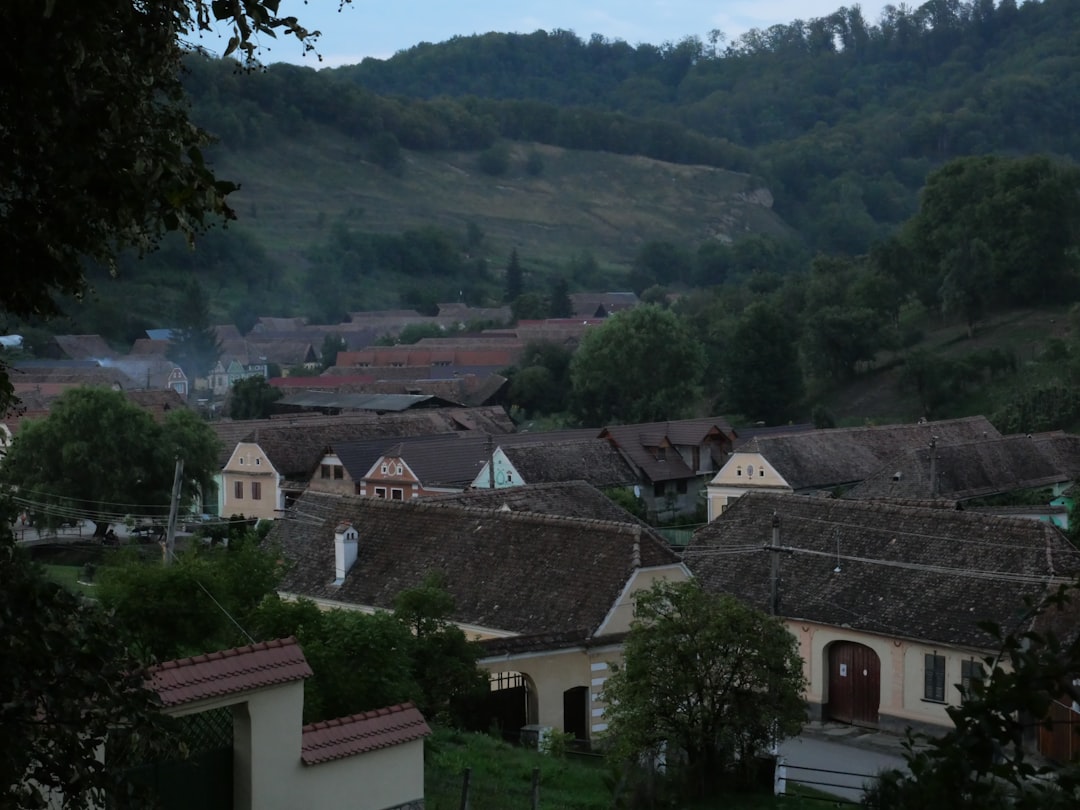
Viscri is the quietest and most physically remote of the fortified churches, reached down a partly unpaved road that adds time but sets the mood before you arrive. The church itself began as a 12th-century Romanesque chapel and was fortified with a wooden defensive gallery and tower over the following two centuries, a visible layering of eras in one small building.
King Charles III bought and restored a traditional house here years before his accession, now run as a guesthouse through the Mihai Eminescu Trust, and the village's ongoing conservation has kept its dirt lanes and pastel Saxon facades largely free of modern intrusion. Come in April or May and you'll likely see storks rebuilding nests on the chimneys and church tower — a genuinely good reason to time this leg of the trip for spring.
The drive from Biertan covers about 35 km and can take 50-60 minutes given the road surface, so build in the extra time rather than rushing. Entry to the church runs around 10 RON, collected by a village caretaker rather than a formal ticket office.
Sighisoara Historic Citadel
Where the real Vlad Dracula was born, no legend required
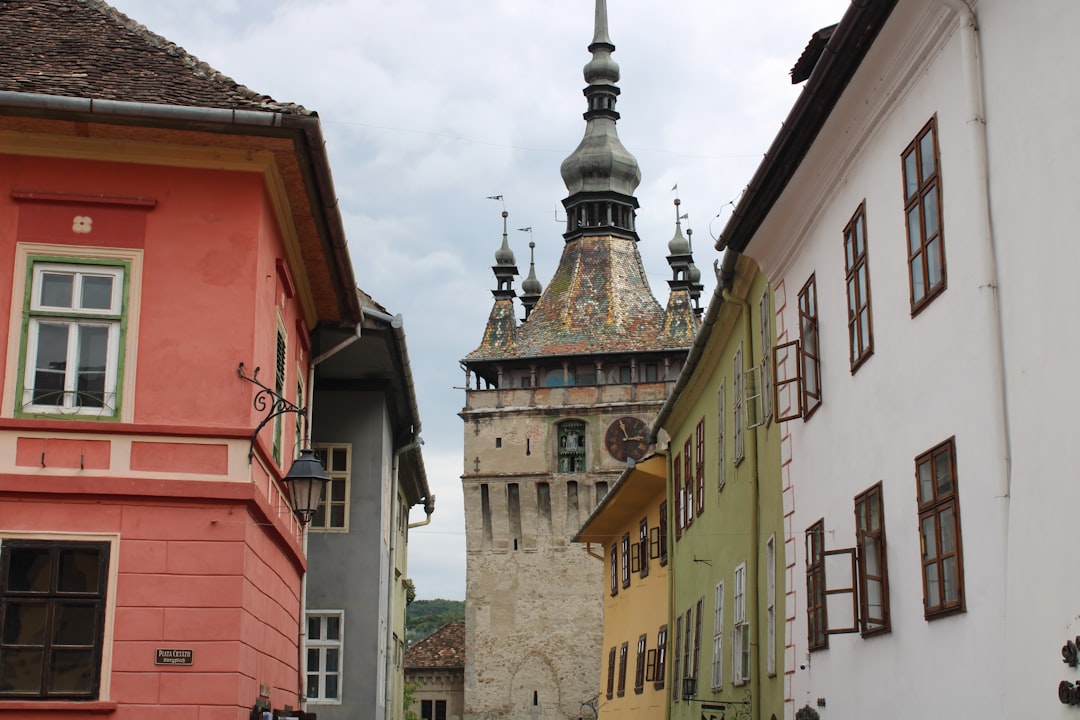
Unlike Bran, Sighisoara's Dracula connection is documented fact rather than tourist marketing: Vlad Tepes was born here in 1431, in a house on Piata Cetatii that now operates as a restaurant and small exhibit, Casa Vlad Dracul. The walled citadel around it is a UNESCO World Heritage site in its own right, with nine surviving guild towers and a historic center still lived in rather than preserved as a museum piece.
Climb the covered wooden Scholars' Stairs, 175 steps under a shingled roof, up to the Church on the Hill and its adjoining cemetery, then work your way back down through the Clock Tower, whose small museum and viewing platform cost roughly 10-15 RON and typically keep hours around 10:00-17:30, shorter on Mondays and in winter.
Plan 1.5-2 hours to properly wander the cobbled streets, and note that Sighisoara sits about 120 km from Brasov, roughly 1.5-2 hours by car depending on traffic through the mountain villages.
“Every stone here was laid against an enemy that might come from the Wallachian passes or down from the Carpathian ridge — the walls remember both.”
Cordelie travel advisors
Go with someone who knows
The right suite, the right season, the reservations that never appear online — your Cordelie advisor knows them, and holds them for you.
Plan with a Cordelie advisorFree to ask. Cordelie Travel Services · IATA/ARC 06649064
Prejmer Fortified Church
The most heavily engineered defense on this list
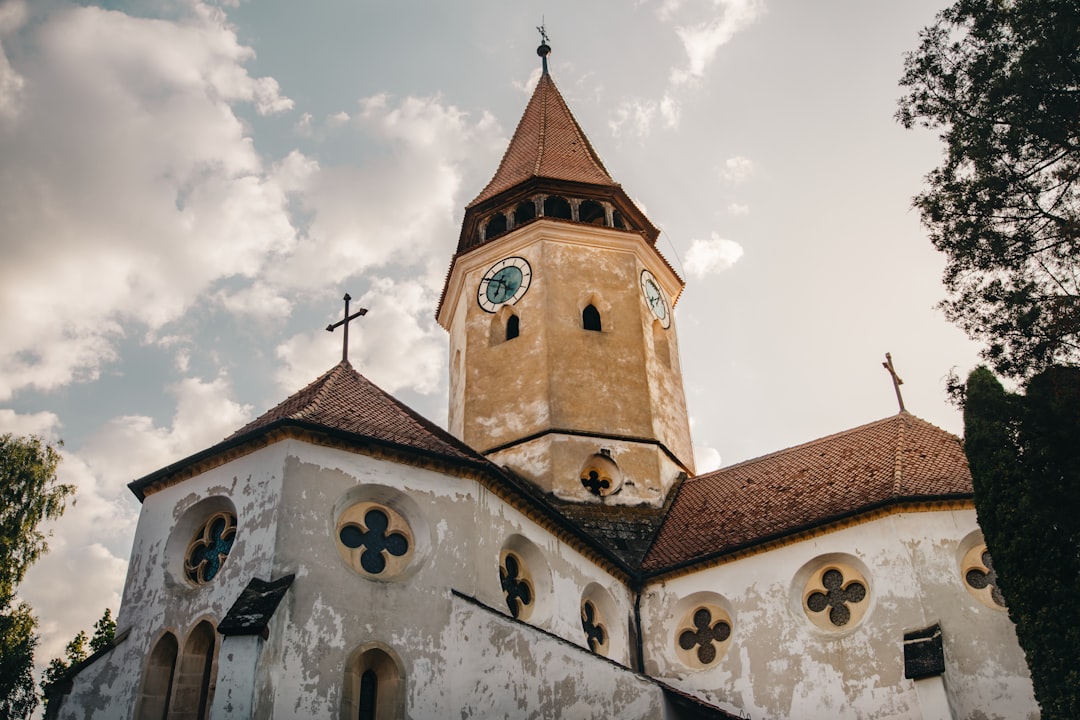
Prejmer's church is often cited among the largest fortified church complexes in southeastern Europe, and standing inside its concentric double walls it's easy to believe. Villagers built more than 270 small storage rooms into the inner wall, one per family, stocked ahead of expected sieges so an entire community could hole up for weeks without starving.
Local histories credit the fortress with withstanding more than a dozen attempted sieges over its history, an unusually stubborn defensive record for a fortification manned largely by farmers rather than professional soldiers. The Gothic hall-church at its center dates mostly from the 15th century, though the site's origins as a Teutonic Knights foundation reach back further.
Prejmer sits about 15-17 km east of Brasov, a 15-20 minute drive, which makes it the easiest of the fortified churches to fold into a single day alongside Rasnov. Entry runs around 10 RON.
Sibiu Old Town & Council Tower
The Saxon capital, with dormer windows that seem to watch you back
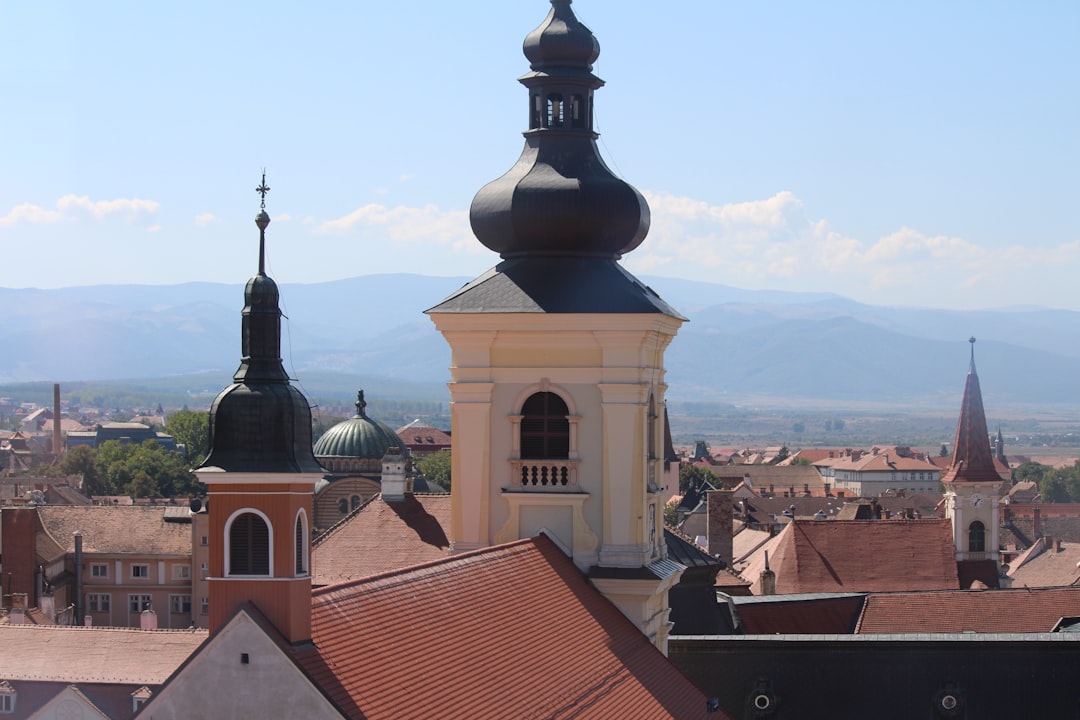
Sibiu was the administrative heart of Saxon Transylvania, and its old town still shows it: tiered roofs punctured by dormer windows locals call 'the eyes of the city,' a wrought-iron Liar's Bridge from 1859, and Piata Mare's Council Tower, the Turnul Sfatului, which climbs to a viewing platform over the terracotta rooftops for roughly 5-10 RON.
It functions best as a base rather than a single-site attraction — a place to sleep somewhere with real hot water and a wine list after a day of climbing fortress steps, and a good jumping-off point for Biertan and Viscri, which sit 60-90 km northeast depending on your route.
The Council Tower typically opens around 10:00 and closes by 20:00 in the warmer months, shorter in winter, and the old town's cobbled core is walkable in an unhurried hour or two.
Three More Strongholds Worth Adding to a Longer Transylvanian Circuit
If you have an extra day or two, three sites reward the detour without straining the routing above. Corvin Castle in Hunedoara, about 2.5 hours southwest of Sibiu, trades Saxon defense for Hungarian noble grandeur — a Gothic-Renaissance fortress with a drawbridge and a legend about prisoners digging a well for their freedom that's worth a guide's telling. Saschiz, a UNESCO fortified church roughly midway between Sighisoara and Biertan, is a quieter cousin to both and easy to fold into that leg of the drive without adding real mileage. And Peles Castle near Sinaia, closer to Bucharest than to Brasov, belongs to a different era entirely — a 19th-century royal fantasy in carved wood and stained glass — but makes sense if your trip continues south rather than looping back through the mountains.
The difference between seeing Bran Castle and actually experiencing it comes down to timing you can't fully control on your own — early access before general opening, a historian guide who knows which room to linger in at Biertan, a driver who's made the Viscri turnoff a hundred times and won't second-guess it in the dark.
A Cordelie advisor builds that timing in from the start: private entry windows at the busiest castles, a stay at a restored Saxon guesthouse in Viscri or a boutique hotel in Sibiu's old town, and a route that turns seven fortresses into one unhurried story rather than a checklist. Reach out at https://cordelie.com/contact to start planning your own version of this trail.
Top Pick: Bran Castle
The legend brings you here; the real 14th-century fortress and Queen Marie's rooms are why it's worth the queue.
Bran earns the top spot not because the Dracula story is historically solid — it isn't — but because the castle underneath the myth is genuinely excellent, and it anchors the entire trail geographically and narratively. Everything else on this list, from Rasnov's peasant refuge to Sighisoara's documented Vlad Tepes birthplace, gains context once you understand what Bran actually was: a customs post and mountain-pass guardhouse built by frightened Saxon guilds, later reinvented as a royal retreat.
Go at opening, spend the extra hour in the museum wing most visitors skip, and let it set the tone for four days of increasingly authentic, increasingly quiet fortified churches further east.
Last checked for accuracy: . How we check

Sarah Chen has covered Asia for twelve years, first as a wire reporter in Jakarta and now from Singapore, where she keeps a standing list of the region's most misunderstood destinations. She writes about the distance between what a place is famous for and what it is actually like to spend a week in — and is happiest on an overnight train with a bad seat and a good view.