
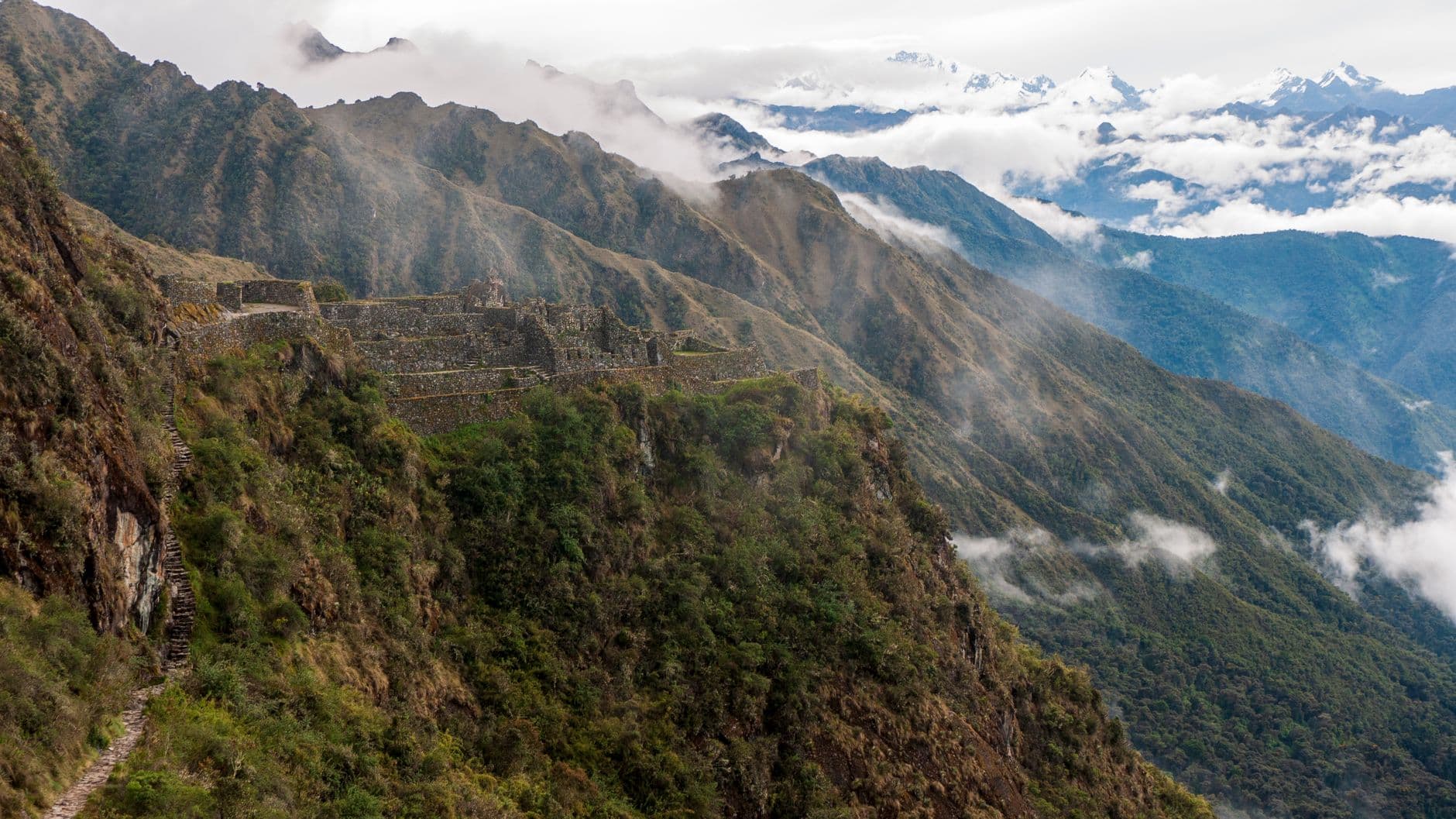
Choquequirao: The 'Other Machu Picchu' on Peru's Forgotten Inca Trail
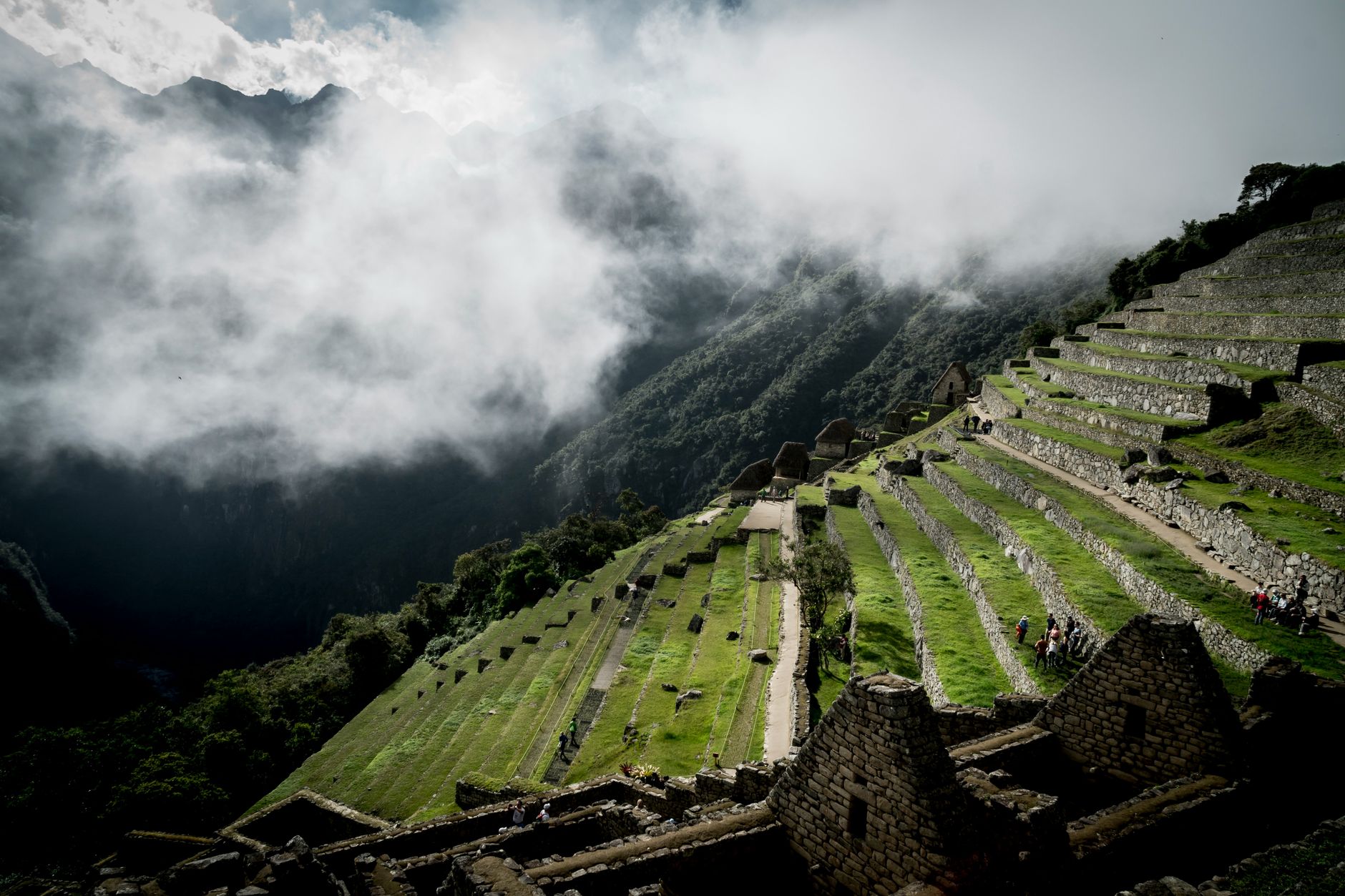
Choquequirao: Why Peru's Hardest-Won Inca City Rewards the Trek
There is no road to Choquequirao, no bus pulling up to a ticket booth, no crowd of selfie sticks jostling for the same angle. You earn this one with your legs, descending nearly 1,500 meters into the Apurímac River canyon and climbing straight back out the other side before the ruins even come into view. What waits at the top is a city the Incas may never have finished building: stone plazas wrapped in cloud forest, ceremonial platforms overlooking a 2,000-meter drop, and terraces inlaid with white quartz llamas that seem to graze the hillside from a distance.
Archaeologists have cleared only a portion of the structures believed to lie beneath the vegetation here, and that incompleteness is part of the draw. You are not touring a finished monument; you are standing inside an excavation still very much in progress, with condors circling the thermals below and almost no one else in sight. For travelers who have already stood shoulder to shoulder with other visitors at Machu Picchu, Choquequirao offers something that site increasingly cannot: solitude at scale.
Choquequirao Quick Facts
Spring Light, Dry Trails: Timing a Choquequirao Trek Right
Peru's dry season runs roughly from May to October, and that window delivers the clearest views and the firmest footing on the canyon switchbacks. Southern Hemisphere spring — September and October — sits at the tail end of that dry stretch, when wildflowers start appearing along the trail near Marampata and daytime temperatures at altitude hover in a comfortable 18-24°C range. Nights at the higher camps still drop close to freezing, so a sleeping bag rated to at least -5°C earns its weight.
November marks the real shift toward the wet season, and by December the clay trail sections above the river can turn slick within hours of a storm. Locals in Cachora will tell you the rains build gradually rather than arriving on a fixed date, so late October and early November can still trek beautifully if you're flexible and watching the forecast. Avoid the days immediately around Peru's Fiestas Patrias in late July, when the Cusco-Abancay highway gets busy with domestic travelers and trekking agencies book out their mule teams well in advance.
Cordelie travel advisors
Planning Choquequirao? Go with someone who knows
The right suite, the right season, the reservations that never appear online — your Cordelie advisor knows them, and holds them for you.
Plan with a Cordelie advisorFree to ask. Cordelie Travel Services · IATA/ARC 06649064
From Llama Mosaics to Condor Flybys: What to Do at Choquequirao
The single most photographed feature at the site is the series of agricultural terraces on the lower slope, where Inca masons set white stones into the retaining walls to form the outlines of grazing llamas. There are more than twenty of these figures spread across several terrace tiers, best seen from the main plaza in the late afternoon when the light rakes across the stonework at an angle. Few other Inca sites preserve this kind of decorative masonry intact, which is part of why archaeologists consider the terraces among Choquequirao's defining structures.
Beyond the llama terraces, plan to spend time at the Casa de la Cascada, a residential sector near a small waterfall below the main plazas, and at the Ushnu, a ceremonial platform believed to have held astronomical significance. Guides based in Cachora or hired through Cusco agencies typically build in two to three hours of unhurried exploration once you reach the ruins, which is roughly what you need to walk the full circuit without rushing. Bring a headlamp even for daytime visits, since several of the stone passageways and storage structures are dim enough to need one.
Fit, well-prepared trekkers sometimes extend the adventure into the longer Choquequirao-to-Machu Picchu route, an eight- to nine-day traverse through the village of Yanama and the settlement of La Playa before connecting with the trail network near Santa Teresa. It is a serious undertaking that crosses passes above 4,600 meters, and most people arrange it through an outfitter rather than independently. Those who complete it arrive at Machu Picchu having walked between two of Peru's great Inca cities on foot, a connection the standard rail-and-bus visitor never makes.
Scenes from the Choquequirao Trek
Tents on the Mountain, Comfort in Cachora: Where to Sleep
There is no hotel at Choquequirao itself; everyone who visits sleeps in a tent, either at a basic campsite run by the Peruvian park service near the ruins or at one of the riverside and ridge camps along the route, including Chiquisqa, Playa Rosalina, and Marampata. Camping fees are modest, typically a few soles per night collected at trailside checkpoints, and most trekking agencies include tents, sleeping pads, and cooked meals in their package price. A guided trek with full support generally runs in the range of USD 350-650 per person for the classic four- to five-day round trip, depending on group size and season.
In Cachora, the small town where the trek begins, independent travelers can find simple, clean lodging at guesthouses such as Casa Nostra and Hospedaje Pachamama, usually for USD 15-30 a night. For a touch more comfort before or after the trek, Casa de Salcantay offers a garden setting and home-cooked meals on request. Travelers wanting a proper bed and a hot shower on both ends of the journey typically base themselves in Cusco, where options range from boutique colonial-courtyard hotels in San Blas to the full-service luxury of Belmond Hotel Monasterio or the JW Marriott El Convento Cusco, both within easy reach of the Plaza de Armas.
Chicha, Chairo, and Highland Hospitality on the Trail
Food on the trek itself is simple and hearty: expect quinoa soup, rice, lentils, and fried trout, often supplemented with coca tea at altitude to help with the thin air. Muleteers and guides from Cachora will frequently share chicha de jora, a fermented maize drink, around the campfire on the final night, and accepting a cup is a small but meaningful gesture of goodwill. Back in Cusco, reward yourself with a proper meal at Chicha, chef Gastón Acurio's homage to Andean cooking, or at Cicciolina on Calle Triunfo, known for its slow-roasted lamb and warm bar atmosphere.
The villages along the trek, particularly Cachora and Marampata, remain deeply Quechua in daily life, and a few words of greeting go a long way. 'Allillanchu' as a hello, or a simple 'añay' for thank you, tends to earn genuine smiles from the muleteers and farmers you pass. Many of the families who run mule teams have worked this route for generations, and hiring locally rather than through a purely urban Cusco agency puts income directly into the Cachora economy that depends on it.
“You don't visit Choquequirao. You arrive at it, legs aching, after two days of walking down into one canyon and up out of another — and that is exactly why it still feels like a discovery.”
No Trains, No Shortcuts: How You Actually Reach Choquequirao
Every Choquequirao journey begins in Cusco, which deserves a few days of its own exploration before or after the trek — its cobbled streets, Qorikancha temple, and the San Pedro Market reward slow mornings that most itineraries rush through. From Cusco, it's roughly a four-hour drive along the Abancay highway to the trailhead village of Cachora, either in a private transfer arranged through a trekking agency or via a shared colectivo from Cusco's Arcopata terminal, which costs considerably less but takes longer with stops.
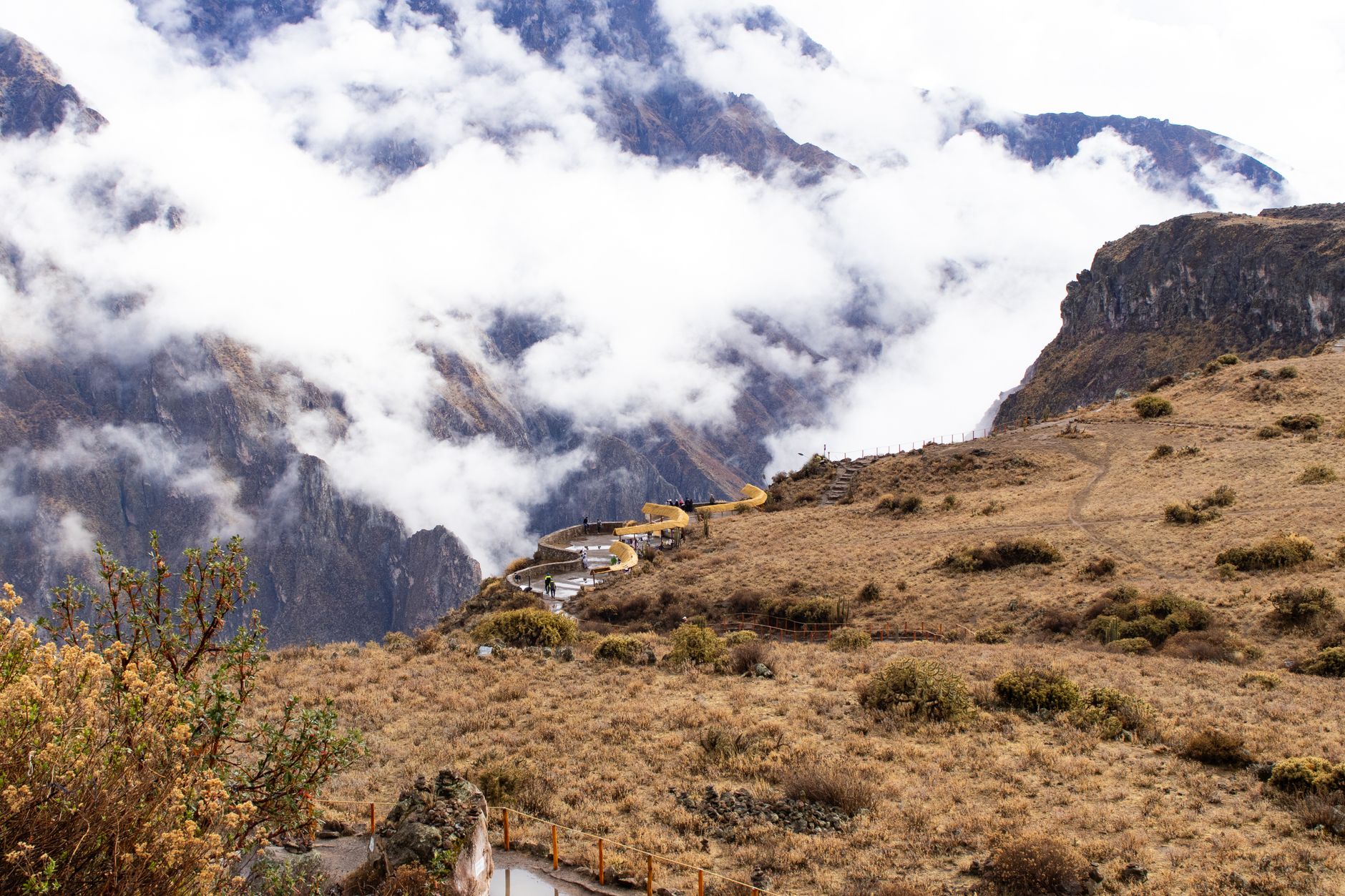
From Cachora, the trek proper begins: a steady descent of around 1,500 vertical meters to the Apurímac River, crossed by a footbridge at Playa Rosalina, followed by a punishing climb of similar scale up to Marampata and on to the ruins themselves. The round trip covers roughly 60-64 kilometers over four to five days for most groups, with mules carrying the bulk of the gear so trekkers only need day packs. There has been long-discussed talk of a cable car to shorten the approach, but as of now it remains unbuilt, and the walk-in experience is still the only way to arrive.
Travelers combining Choquequirao with the rest of a Peru itinerary often loop back through the Sacred Valley, stopping in Ollantaytambo or Pisac for a night before continuing on to Machu Picchu via Aguas Calientes. Treated as a trio, Cusco, the Sacred Valley, and Machu Picchu form a natural circuit around Choquequirao's deeper, quieter detour, and each merits its own dedicated days rather than a rushed afternoon.
A Three-Day Walk Through the Heart of the Trek
Cachora to Playa Rosalina: Into the Canyon
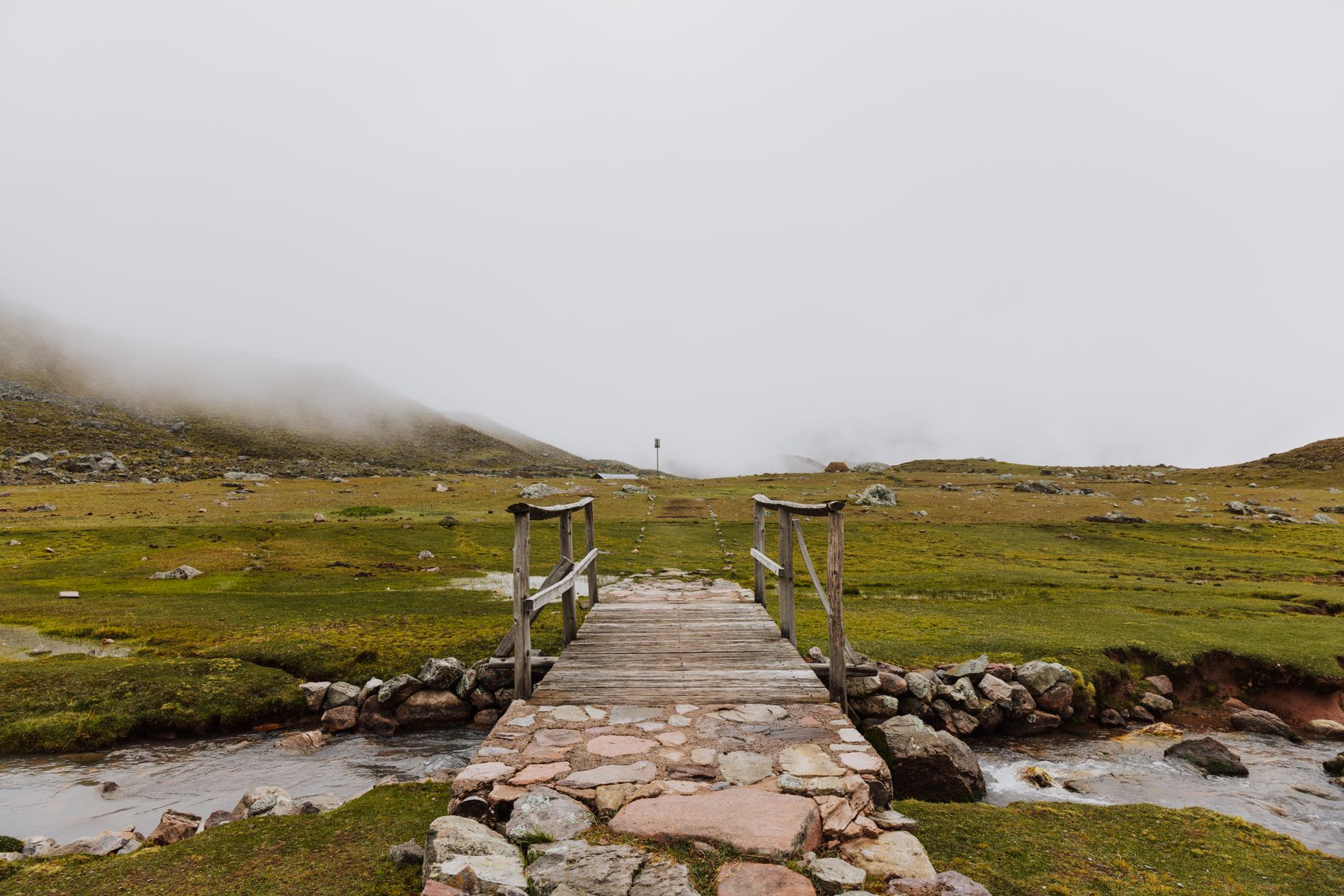
After an early transfer from Cusco (roughly 4 hours by road), the trek begins in Cachora at about 2,900 meters, climbing briefly before dropping steeply toward the Apurímac River. The descent loses around 1,500 vertical meters over roughly 18-20 kilometers, with switchbacks that are easier on the knees with trekking poles.
Camp for the night at Playa Rosalina or nearby Chiquisqa, right beside the river, where the roar of the water makes for an easy sleep despite the day's effort.
Playa Rosalina to Marampata: The Climb Out
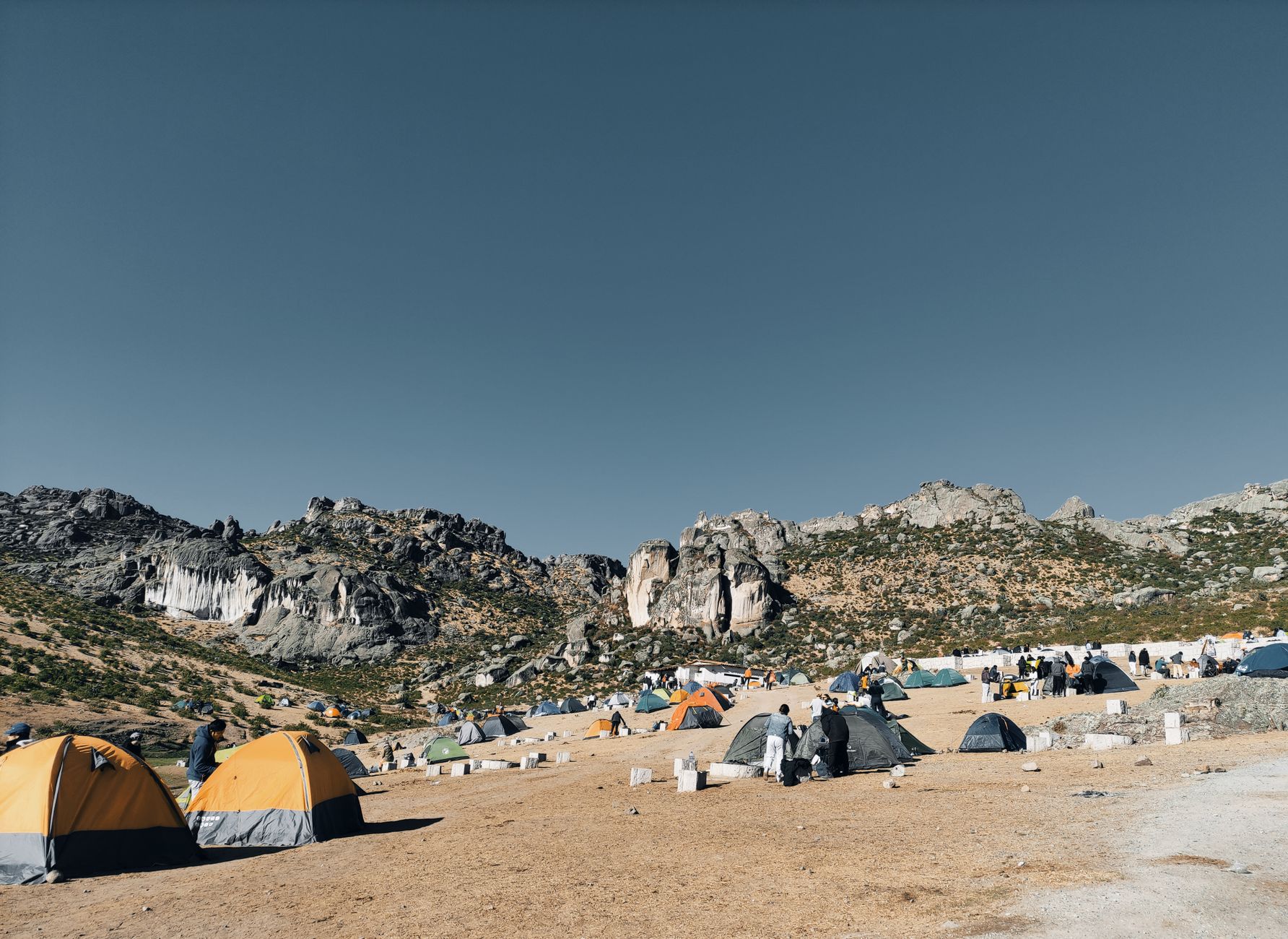
The second day reverses the first, climbing roughly 1,500 meters back out of the canyon toward Marampata, a small settlement with basic campsites and, often, cold drinks for sale from local families.
This is the toughest day of the standard route, typically taking 6-8 hours depending on fitness and pace, and most groups start before sunrise to avoid climbing through the heat of midday.
Exploring Choquequirao's Terraces and Plazas
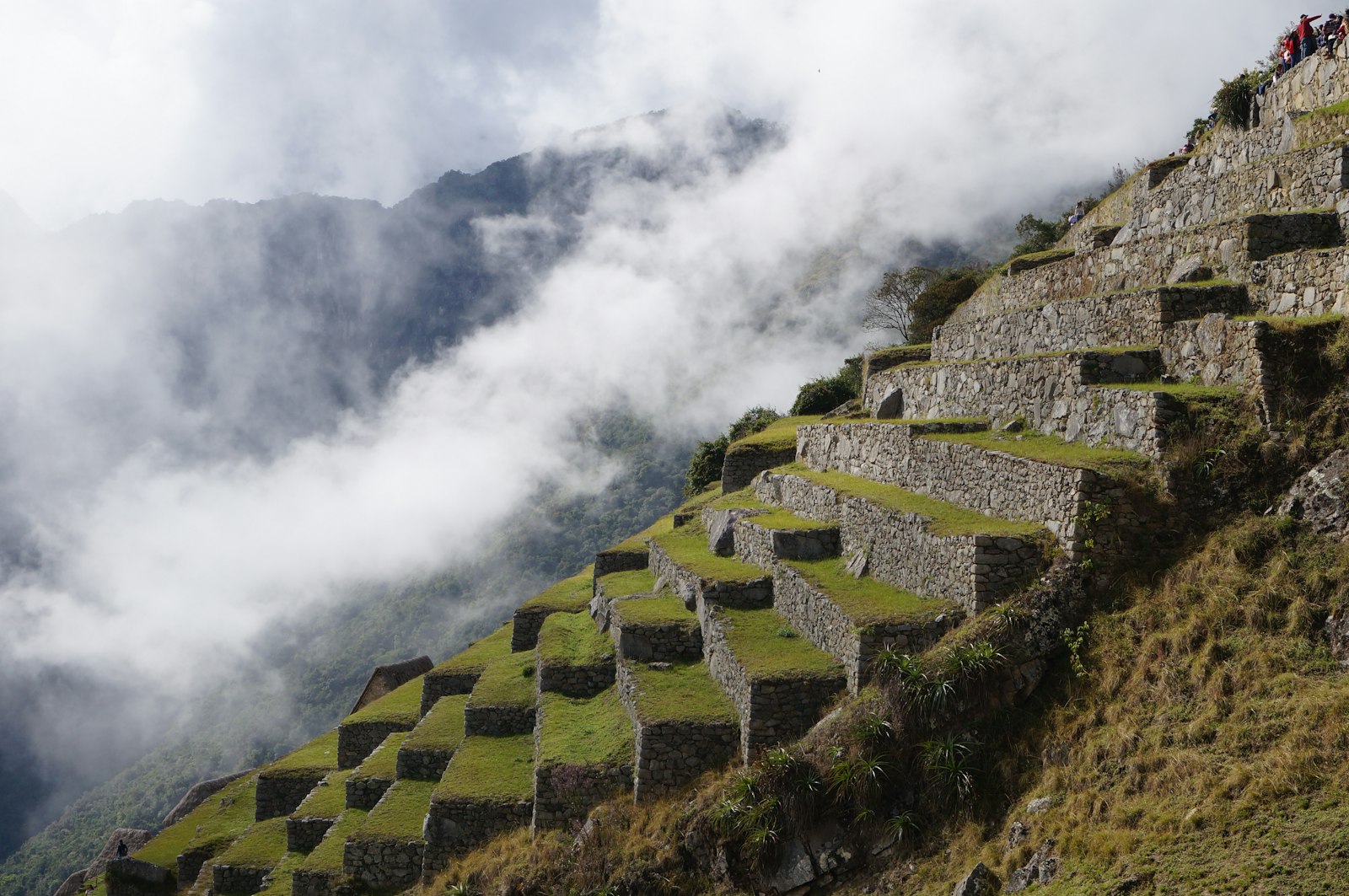
From Marampata, it's a gentler 1.5 to 2-hour walk to the ruins themselves, arriving in time for a full morning and afternoon of exploring the main plaza, the llama-mosaic terraces, and the Casa de la Cascada sector.
Most groups camp a second night near the site to allow a relaxed, unhurried visit rather than a single rushed pass, before beginning the two-day return journey to Cachora the following morning.
A Cordelie travel advisor can build a trip around Choquequirao that pairs the trek's solitude with the comfort you want on either end — a private vehicle from Cusco to Cachora, a trusted guide and mule team matched to your pace, and a few nights of real indulgence at a Sacred Valley or Cusco property once you're back from the mountain.
For travelers eyeing the full Choquequirao-to-Machu Picchu traverse, an advisor can also arrange the permits, support crew, and timing needed to connect the two sites seamlessly, so the only thing you have to think about on the trail is the view.
Choquequirao At a Glance
A genuinely remote Inca city for travelers willing to earn the view with a multi-day trek.
Choquequirao rewards effort over convenience: no road, no train, just a two-day walk in and out through one of Peru's deepest canyons.
Best visited May through October, with September and October offering a pleasant spring window before the rains return in November.
Pair it with Cusco, the Sacred Valley, and Machu Picchu for a complete Inca-sites circuit, or let it stand alone as the quiet counterpoint to Peru's busiest ruin.

Sarah Chen has covered Asia for twelve years, first as a wire reporter in Jakarta and now from Singapore, where she keeps a standing list of the region's most misunderstood destinations. She writes about the distance between what a place is famous for and what it is actually like to spend a week in — and is happiest on an overnight train with a bad seat and a good view.