
Charlotte Amalie in a Day: The Smart Cruiser's Guide to St. Thomas

Key Facts
Charlotte Amalie Port Day: Navigate the Waterfront and Beaches Without the Rush
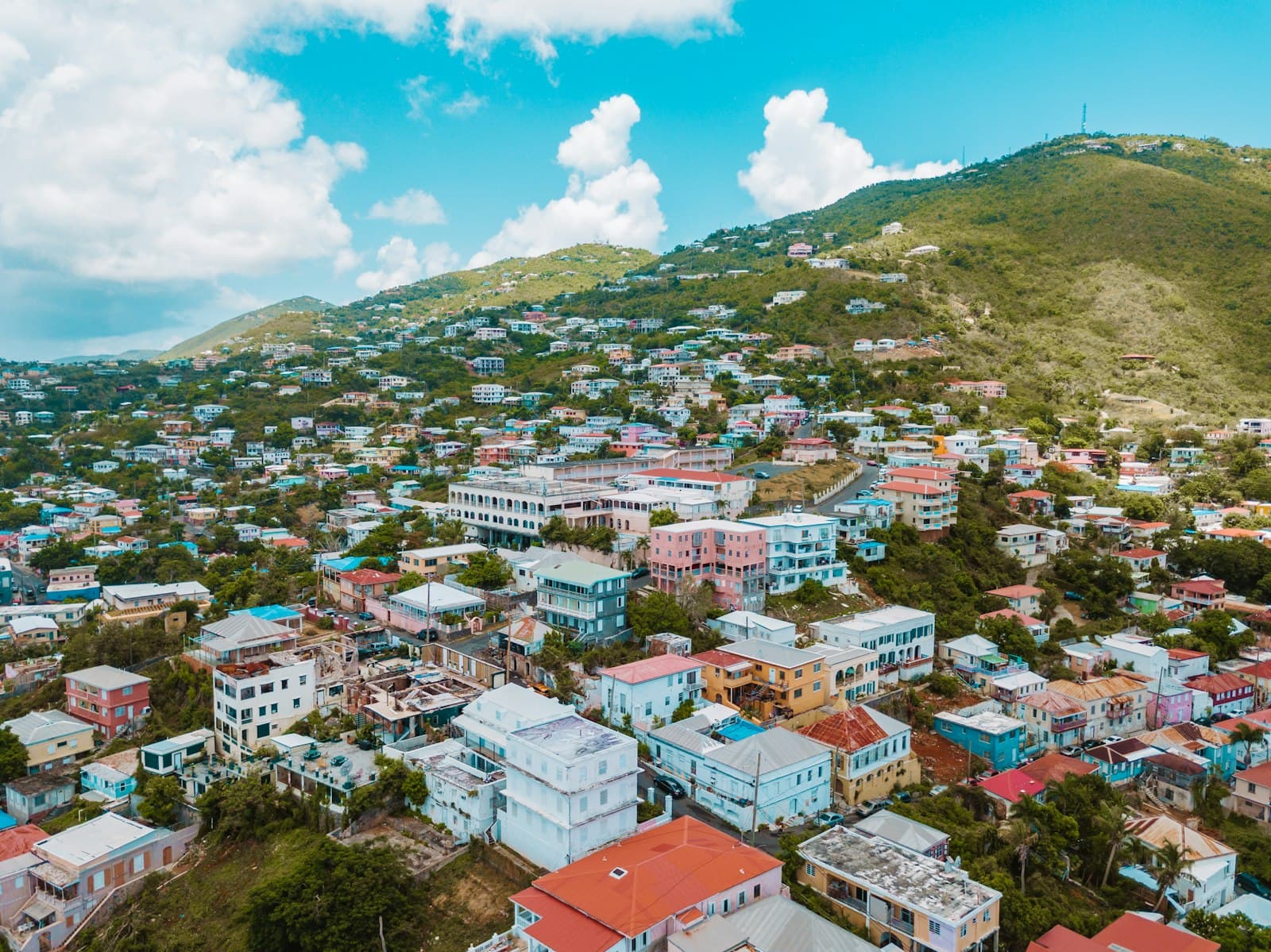
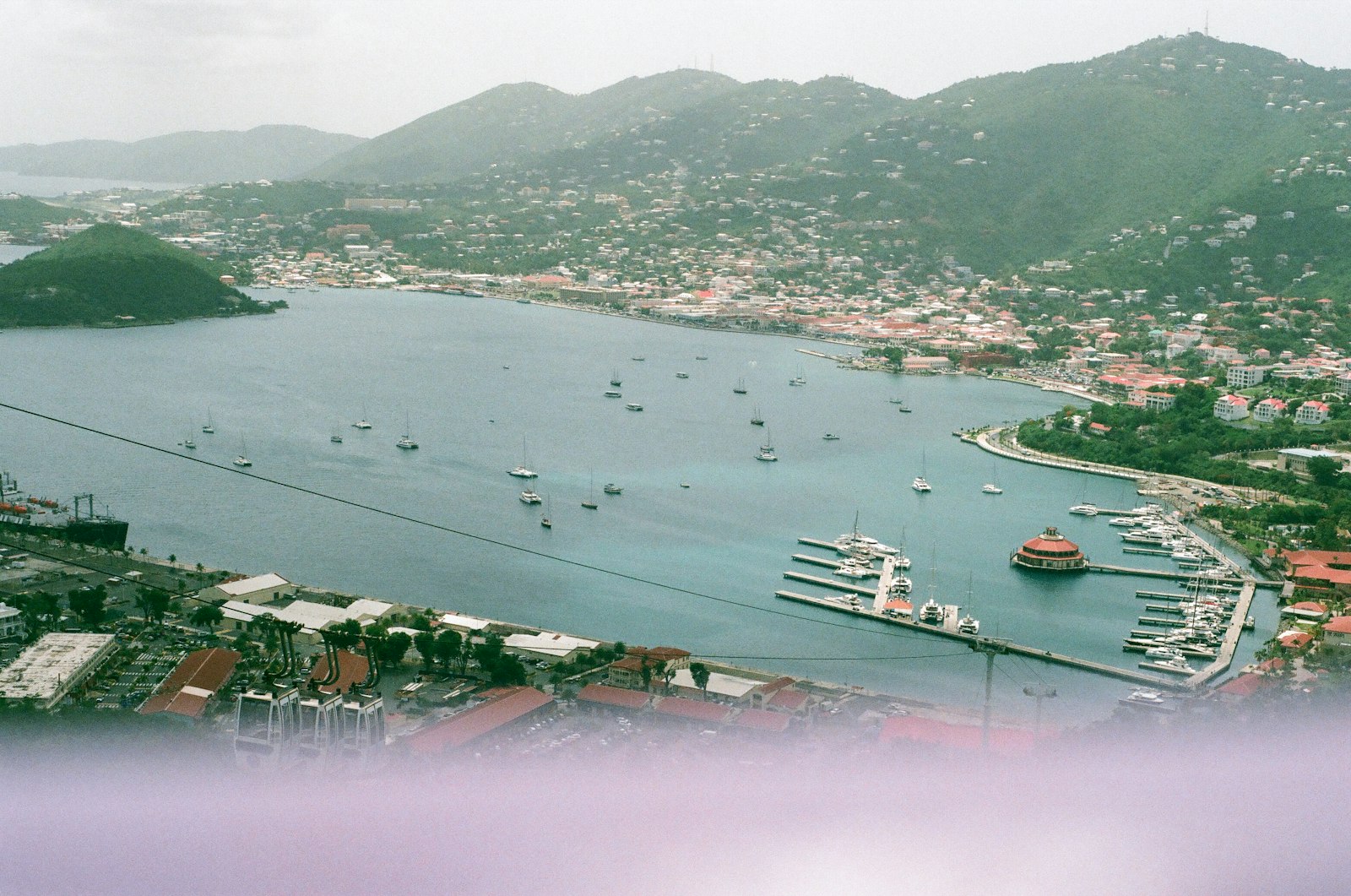
Charlotte Amalie, the capital of St. Thomas, sits on a natural harbor so deep and protected that cruise ships queue at its berths year-round. That advantage—easy docking, compact downtown, no passport required for U.S. travelers—makes it one of the friendliest Caribbean ports for first-timers and repeat cruisers alike. But easy docking also means crowded mornings, and the retail-heavy downtown can swallow a port day in shopping when the beaches, trails, and quieter neighborhoods offer real memory.
This guide assumes you have between six and eight hours ashore—typical for a day cruise or a single port on a longer itinerary. Spring (March through May) is the sweet spot: weather holds steady with daytime highs in the low to mid-80s Fahrenheit, cruise volumes have thinned after winter peaks, and rain showers are brief and scattered rather than sustained. Your task is threefold: understand the logistics of getting off the ship and into the port, know which attractions demand the most time and earn it, and recognize when to skip the duty-free corridor altogether.
The Port Layout: Where Your Ship Puts You and What Is Where
Two cruise terminals serve Charlotte Amalie: the Havensight Terminal (east of downtown) and the Crown Bay Terminal (slightly west). Both are industrial facilities with minimal charm and, crucially, both sit within a manageable walk of the city center—roughly 0.3 to 0.5 miles—or a short taxi ride. You will see aggressive taxi promoters the moment you clear security; ignore them unless rain or fatigue demands a ride. The walk is quick, flat, and straightforward, and it saves you $5–8 per person.
Downtown Charlotte Amalie spreads across several tight blocks immediately inland from the harbor. Main Street and Back Street (the parallel thoroughfare one block up the hill) carry the bulk of retail—jewelry, duty-free liquor, clothing, souvenir shops. Beyond those two streets lies residential Charlotte Amalie: narrower lanes, historic Danish architecture, and locals going about their days. The best museums, quietest cafés, and most authentic conversation happen three blocks inland, where cruise passengers rarely venture.
Beaches are not downtown. The nearest public beach, Sapphire Beach, lies about 3 miles northeast and takes 10–15 minutes by taxi or rental car. Magens Bay, often cited as one of the Caribbean's finest, sits another 2 miles north and takes 20–30 minutes total from the pier. Coral World Ocean Park, the island's only large aquarium, sits about 5 miles northeast near Coki Beach. Ferries to Water Island, a small sister island with calm beaches and a wreck dive site, depart from the Crown Bay Terminal and take 15 minutes.
Charlotte Amalie is the only major Caribbean cruise port where American travelers pass through no formal customs or immigration process. U.S. citizens flying to Charlotte Amalie need a REAL ID–compliant driver's license or other TSA-acceptable ID, along with proof of U.S. citizenship such as a raised-seal birth certificate when departing the islands—no passport required. This removes an entire logistical barrier that makes St. Thomas a standout choice for families with young children or first-time cruisers testing the waters. You clear ship security, step onto the dock, and are free to roam within minutes.
Port Day Timing: When to Leave the Ship, When to Return
Ships typically allow passengers to disembark 30 minutes to an hour after the vessel is fully secure at the dock. That process starts as soon as the ship ties up in early morning—often between 7:00 and 8:00 a.m. Disembarkation paperwork is usually complete by 9:00 a.m., though the flow can be slower in high-season weeks. Do not wait. The first hour ashore, while the dock is still clearing, is when taxis have short lines, waterfront cafés have seats, and you can move through downtown without edging sideways past other passengers.
Aim to be back at the terminal by early afternoon—no later than 4:00 p.m., ideally by 3:00 p.m. Ships typically begin re-boarding 90 minutes before departure (often 5:00 or 5:30 p.m.), and the walk back from anywhere on the island takes time. If you take a taxi to a beach 5 miles away, arriving at 2:00 p.m. leaves you only an hour in the water before you need to start the walk back and negotiate traffic. Plan in reverse from your all-aboard time.
What to Do in Three Hours, Five Hours, and Eight Hours
Three hours is not enough for a beach. It is enough for downtown, a museum, and a meal. Walk straight into the city, pick one of the small museums (Coral World's sister site, Blackbeard's Castle, or the Fort Christian museum occupy 45 minutes to an hour each), grab lunch at a local spot like Virgin Islands Cooking School or Zorba's (both within two blocks of Main Street), and spend the remaining time browsing the quieter shops on Back Street or soaking in the architecture of the Danish quarter. You will feel like you touched the island without the stress of racing to catch a ferry or taxi back.
Five hours opens the door to Sapphire Beach or Water Island. Take a taxi to Sapphire Beach (east of the city, 10–15 minutes, $6–10 per person one way), spend two to three hours in the water and on the sand, and taxi back to the dock. Bring reef-safe sunscreen and leave shoes in your cabin—the entry is rocky. Alternatively, walk to Crown Bay Terminal (part of the downtown stroll) and catch the Water Island Ferry (around $5–7 USD round-trip). Water Island's beaches are smaller and sheltered, the ferry ride itself is pleasant, and you avoid the taxi shuffle.
Eight hours allows for Magens Bay or a combination itinerary. Magens is worth the drive—a sweeping crescent of calm water, soft sand, and relatively few crowds outside peak winter season. Budget 30 minutes travel each way, two to three hours on the beach, and an hour for lunch at a beachside shack. On the return, you will need another 20–30 minutes to reach the dock, leaving buffer time. The all-in cost is usually $15–25 per person for taxi rides and $8–12 for lunch, assuming you bring water and snacks from the ship or buy them from a convenience store en route.
Caribbean spring afternoons often bring brief but heavy showers between 2:00 and 4:00 p.m. They pass quickly, but they can strand you in a taxi or turn a beach into soup. Traffic on the single main road (Route 32) out of downtown can snarl midday, especially near Crown Bay. If you are not back at the pier by 2:30 p.m. during peak cruise season, you risk missing all-aboard. Plan beach time for the morning; plan shopping and museums for late afternoon when showers have passed and traffic eases.
Where to Eat Without Waiting or Spending Too Much
Downtown Charlotte Amalie has dozens of restaurants, but most either cater to the cruise crowd with inflated prices, or operate on island time and close by early afternoon. The sweet spot is small, local-owned spots that serve lunch between 11:30 a.m. and 2:00 p.m. Zorba's, tucked into a side street off Main Street, serves Greek food and island plates ($12–18 USD) in a quiet courtyard—a rare pocket of calm in a crowded day. Virgin Islands Cooking School offers casual lunch and a gift shop; arrive before noon or you may hit a wait.
Beach shacks near Sapphire Beach and Magens Bay sell conch salad, grilled fish, and roti ($10–16 USD) straight from the kitchen—order ahead if a crowd is there. Shipwreck Bar & Grill on Crown Bay Marina is walkable from the western pier terminal and serves fish sandwiches and fried conch for $12–14 USD. None require reservations; all are cash-friendly, though cards are increasingly accepted. Bring small bills; making change from a $100 note can be slow.
Museums and Attractions Worth Your Time
Blackbeard's Castle sits on a hilltop overlooking the harbor and the city. The actual connection to Blackbeard the pirate is thin, but the tower itself is a genuine 17th-century structure, and the views are the best you will get without paying for a helicopter. Admission is typically $5–7 USD; allow 30–45 minutes. The climb is steep in March and April heat, so go early or wait until late afternoon.
Fort Christian, the oldest continuously occupied fort in the United States (built 1666), sits at the eastern edge of downtown. It now houses a museum of island history—colonial trade, slavery, Danish rule, and the modern era—set inside the actual fort walls. Admission runs $4–6 USD; plan 45 minutes to an hour. The narrative is substantive without being overwhelming. The building itself is the attraction; the exhibits are honest and restrained.
Coral World Ocean Park sits outside the city on the northeast coast and requires a separate trip (taxi, 5 miles, 10–15 minutes). It houses the Caribbean's largest collection of living coral and reef fish, with an underwater observation tower and touch pools. Admission is $25–35 USD for adults (check their website for current rates); allow two to three hours. It is worth the trip if beaches are not your priority and you have the time, but it is not a quick add-on.
How to Avoid the Duty-Free Retail Trap
Main Street is a corridor of duty-free shops: jewelry, liquor, watches, perfume. They exist because cruise passengers expect them, and they are genuinely cheaper than U.S. retail (no sales tax in the USVI, and import duty exemptions pass through as savings). If you came to shop, allocate an hour, stick to daylight, and carry purchases back to the ship—do not leave them in a locker. Prices are fixed and clearly marked; haggling is not expected.
If you did not come to shop, do not wander Main Street. It is a loop that leads nowhere but back to itself, packed with other passengers and taxi touts. Instead, explore Back Street (one block up the hill), where local retailers sell clothing, art, and crafts made on the island. Prices are higher per item but the goods are actual, and the experience is vastly less transactional. The real Charlotte Amalie is one block off the harbor; Main Street is the port version.
Practical Tips for Your Day Ashore
Leave your cabin early, ideally within the first 30 minutes of disembarkation clearance. The volume of people ashore is heaviest between 10:00 a.m. and 1:00 p.m.; being off the dock before the crush lets you move and breathe. Bring reef-safe sunscreen if you plan beach time; the Caribbean sun is intense in spring and the reefs are fragile. Leave your passport onboard; U.S. citizens do not need it, and it is safer in your cabin than in a beach bag.
Carry small bills in USD. Many local vendors and restaurants do not take cards, and ATMs are scattered and sometimes unreliable. Use licensed taxis (they are white with an official plate); negotiated rates before getting in. If a taxi driver quotes a price that sounds high, ask at the terminal desk for the standard rate to your destination—they are usually fixed.
Download an offline map of the city on your phone before you go ashore. Cell service on the island is reliable (Verizon, AT&T roaming works), but a map frees you from dependence on data. The downtown grid is simple—you will not get lost—but the map eases the early moments when you are unsure which way is what.
If you rent a car to explore beyond the city (drive on the left; roads are narrow and potholed in places), do so early, and return by 3:00 p.m. at the latest. Traffic toward the pier intensifies as all-aboard approaches, and you do not want to risk missing your ship because of a late return or a rental-car mishap.
A Cordelie travel advisor can craft a St. Thomas itinerary that threads the needle between the retail frenzy and the real island—arranging a private beach tour, a guided historical walk that skips the crowds, or a morning snorkel before the day-trippers arrive. They know the quieter restaurants locals prefer, can secure advance reservations when they exist, and understand the timing that lets you feel unhurried on a crowded port day. Let a Cordelie advisor build your Caribbean port day around what matters to you, not the ship's schedule.
Last checked for accuracy: . How we check

Isaac Reid has spent fourteen years on ships and on foot in the places weather still decides. He sailed his first Drake Passage as an expedition assistant and has since made the crossing more than thirty times, between seasons trekking in Nepal and Patagonia. He writes about what these trips actually ask of a traveller — the days that get cancelled, the kit that matters, the difference between a landing and a cruise-by — and thinks the honest version sells them better than the brochure does.