
Cataract Canyon: A Quick Guide to the Colorado River's Wildest Rapids
Key Facts
Why Cataract Canyon Demands Respect
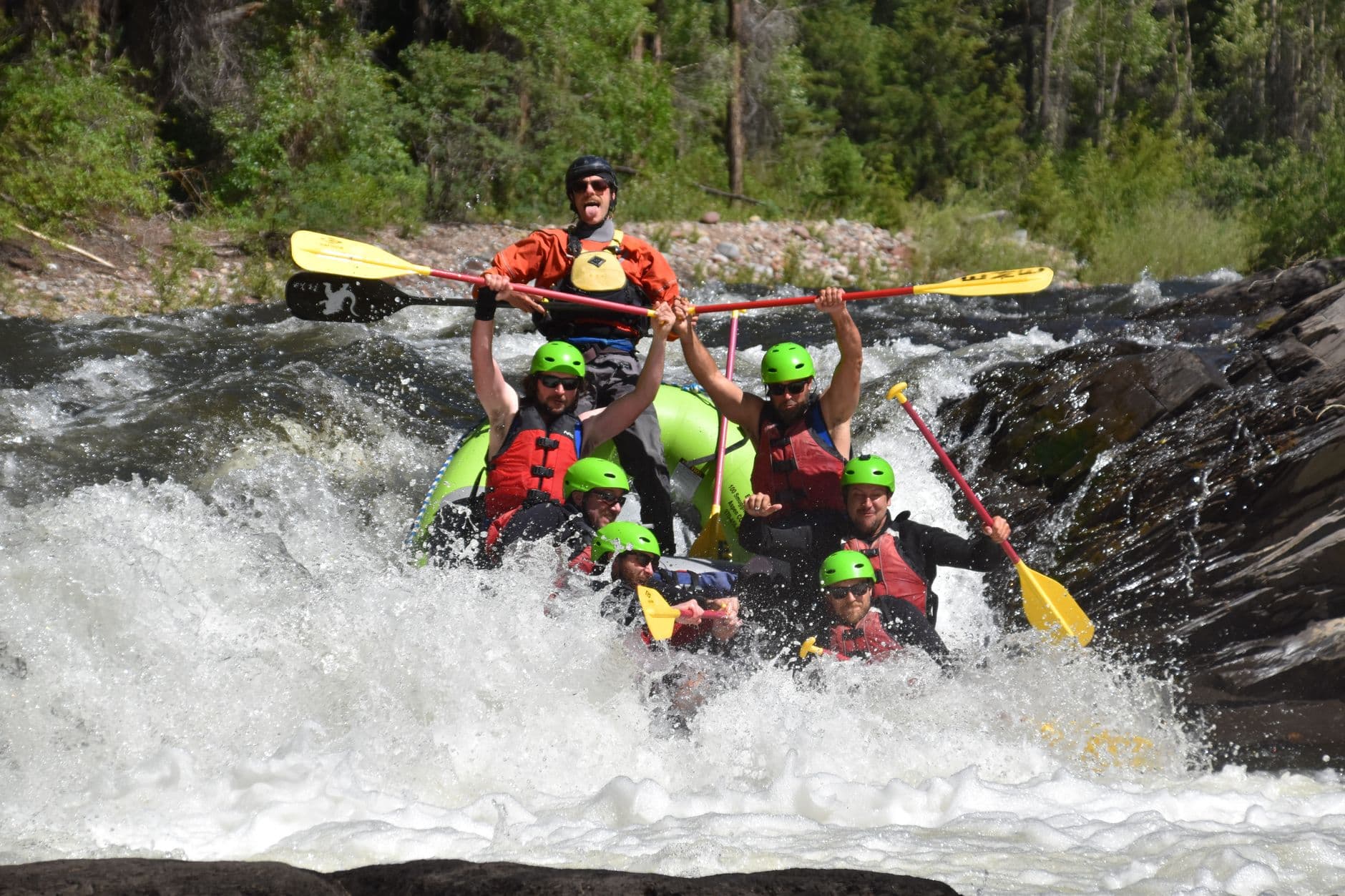
Cataract Canyon is where the Colorado River stops playing. Upriver from Moab, the water is manageable—scenic class-II terrain that floaters and families run regularly. Downriver, near Lake Powell, the current mellows. Between those two, in a 14-mile stretch of red-rock desert, the Colorado turns angry. Drops pile on drops. The water churns into holes that flip boats. The current accelerates enough to throw you sideways if you misread the line. Spring runoff—typically April through June—transforms this section into one of the continent's wildest multi-day river runs, a proving ground for boaters who want to know if they can handle real whitewater.
The Geography: Where Three Rivers Collide
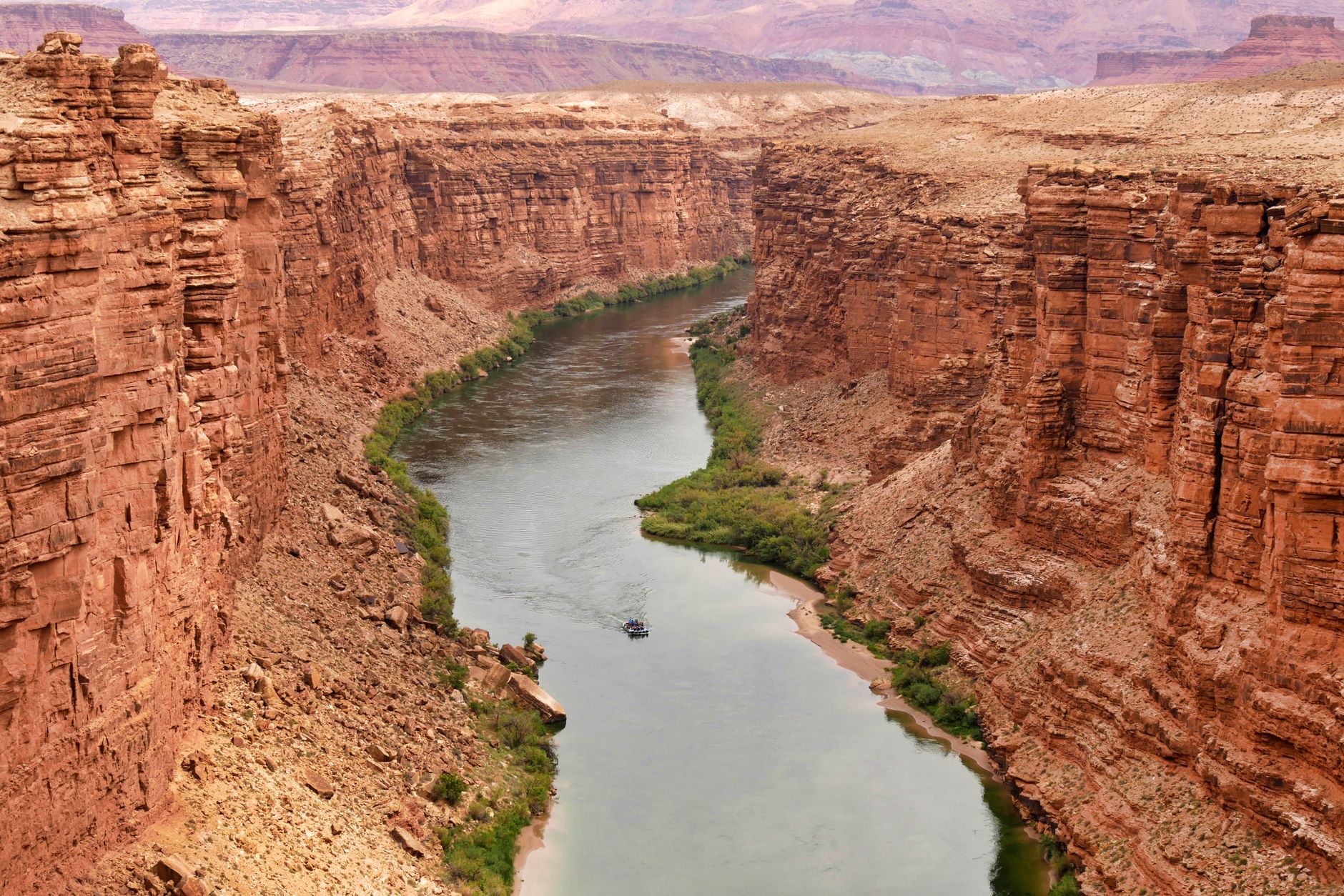
Cataract Canyon sits in the belly of the Colorado Plateau. The Colorado River flows south from the Rockies. The Green River—the Colorado's major tributary—joins it a few miles upstream of the canyon. For most of the year, the Green carries more water than the main stem. During spring snowmelt, both rivers are in flood, and their combined volume funnels into a narrow gorge with nowhere to spread. The result is aggressive, continuous whitewater over a 14-mile stretch.
Most outfitters use a shuttle system. You start near Dewey Bridge or Cisco, roughly 30 miles north of Moab on Highway 128. That put-in sits on the Colorado River above the confluence with the Green. From there, the float covers roughly 40 river miles before entering Cataract Canyon proper. The first two days are flatwater and easy rapids—a warm-up. On day three, you hit the Big Drop, a series of major rapids that marks the canyon's upper boundary. Days three and four are relentless. You take out at Hite Marina, a scruffy supply stop on Lake Powell, roughly 40 more miles downriver.
The Big Drop is not a single waterfall but a sequence of major rapids stacked close together over less than a mile. Three distinct rapids—Big Drop Number One, Big Drop Number Two, and Big Drop Number Three—form the canyon's defining crux. Together they account for most of Cataract Canyon's reputation. At spring flows (10,000 to 30,000 cubic feet per second), the waves stand taller than most houses. The holes grab the whole boat.
What to Know Before You Go
Cataract Canyon is not a guided tourist float. The National Park Service limits launches to 7 per day during peak season. Most space goes to commercial outfitters; private launches require a permit (applied for through a lottery system) and an advance commitment of 6 to 12 months. If you book with an outfitter, expect to pay $1,500 to $2,500 per person for a 3–4 day trip, depending on group size and guide service level. Most trips run 4 to 6 people per boat.
Spring runoff (April through June) is peak season. The water is coldest and fastest. Early season (April) can mean flows in the 15,000–25,000 cubic feet per second range; later spring can push toward 30,000. At those volumes, the rapids are legitimate Class IV and V. Summer flows drop sharply; by late June, dam-controlled releases can drop to 5,000–8,000 CFS, which is still serious but more manageable. Fall (September–October) brings low water and Class III–IV conditions, with calmer, hotter days. Winter (November–March) is cold and fewer outfitters run it, though launches do happen.
You'll camp on beaches carved into the red rock. The canyon's geology is mostly Wingate Sandstone—rust-red cliffs that rise 1,000 feet or more. Shade is rare; bring a substantial hat and sunscreen rated SPF 50+. Water is cold year-round (around 45–50°F in spring). A wetsuit or drysuit is not optional; you will be in the water, and hypothermia is a real risk if you swim. Meals are cooked on camp stoves or over fire pans; everything comes out the same way it came in.
Skills and Gear You Cannot Skip
If you are hiring a guide, the outfitter supplies the boat, oars, and safety gear. You need a PFD (life vest), a wetsuit or drysuit, a helmet, and river shoes. Most outfitters carry spares, but fit matters—bring your own if you have one that works. On a private trip, bring your boat in good repair. A typical Cataract run uses a 14–16 foot oar rig or a similar-length paddle boat. Rafts must be self-bailing or have sufficient bailers. Anything that sinks after a flip adds hours to your rescue and days of hardship to your trip.
Solid river judgment is essential. You should have run Class III rapids before and know how to read current, avoid holes, and ferry across strong flows. You should be comfortable in the water if you swim. This is not the place to learn whitewater. Cataract Canyon regularly stops commercial trips if the group looks under-skilled. Guides have the authority to pull off and scout every major rapid, and most do. Respect that—it's not fear; it's professionalism.
Book your outfitter 6–12 months ahead if possible. Spring dates fill by January.
Arrive in Moab at least one day early. The shuttle pickup is early; jetlag or a missed connection ruins your trip.
Pack a dry bag for your personal gear. Flip probability is not zero; keeping your glasses, phone, and medication dry is worth the weight.
Bring sunscreen, insect repellent, and lip balm rated SPF 30+. The reflection off red rock is intense. Bugs at dusk can be brutal.
If you are prone to motion sickness, bring medication. River waves and the boat's motion combine; several people get seasick their first day.
Test your cold tolerance before the trip. If you hate cold water, spring runoff season will feel miserable for 4 days straight.
Listen to every safety briefing and every scout. Guides have scraped dozens of swimmers out of these rapids. Their caution is earned.
Logistics: Getting There and Getting Out
Most trips use Moab as a staging hub. The nearest commercial airport is Grand Junction Regional Airport (GJT), about 2 hours northwest of Moab by car. Driving from Salt Lake City's airport takes 4–5 hours through high desert. Rent a vehicle; you'll need it for the shuttle, for exploring Moab on your rest day, and for eating meals that aren't dehydrated.
Your outfitter coordinates the shuttle. You drive to the put-in (usually Dewey Bridge or near Cisco, both on Highway 128 north of Moab) on your launch day morning. The shuttle driver takes your vehicle downstream to Hite Marina while you start rowing. After your takeout, you'll be at Hite—a remote spot on Lake Powell with a store, gas station, and not much else. The shuttle usually drops you back at your vehicle the same day or the next morning. The drive back to Moab takes 1.5–2 hours.
Hite Marina is functional, not scenic. There's a diner, a small motel, and a launch ramp. Most people overnight there and drive out the next day rather than trying to make it back to Moab the same evening. Stock up on food and water before you leave Moab; resupply options downriver are minimal.
Outfitters and How to Book
Several commercial outfitters hold permits. OARS (Outdoor Adventure River Specialists) runs frequent Cataract trips at $1,800–$2,200 per person for a 4-day run. Sheri Griffith Expeditions, a Utah-based guide service, offers smaller groups (4–6 people) and charges $2,000–$2,300 per person. Western River Expeditions runs Cataract trips at similar pricing. All include meals, camp gear, and guiding; you provide your personal clothes, medications, and camera.
Private permits are harder to secure. The NPS holds a lottery for non-commercial launches. Apply through recreation.gov or contact the NPS's Cataract Canyon office directly. Processing takes weeks, and approval odds are low if you don't have a proven river track record. Once approved, you pay a permit fee (typically $25–$50 per person) and bear all costs for boat rental, guide hire, and logistics. Most private parties end up budgeting $1,500–$2,000 per person anyway once you account for everything.
A Cataract Canyon trip is high-stakes: permits are scarce, the season is short, the water is unforgiving, and a single mistake can cascade into a long rescue. Let a Cordelie advisor work the outfitter relationships, track the permit calendar, and tailor your trip to your actual skill and comfort level. They'll know which guides match your boat style, which seasons suit your tolerance for cold water, and how to thread the logistics so the shuttle, the weather, and your vacation days align. That's not logistics management—that's a trip tailored to you.
The Riverscape: What You'll See and Experience
Cataract Canyon is geologically young in the geological sense—the Colorado is still cutting deeper. You'll see layered sandstone walls, ranging from cream to deep red. The water moves from dark green in the pools to frothing white in the rapids. The sound is constant: the low roar of rushing water, the crack of oars on rock, the hiss of eddy lines. At night, the canyon walls block light pollution; stars fill the sky. The silence after the river's roar is almost uncomfortable.
The rapids have character. Big Drop One comes at you fast; the current funnels into a slot, accelerates, and drops into a wave train that will bounce you around for 30 seconds. Big Drop Two is tighter and requires sharp maneuvering. Big Drop Three is the biggest—a long, lumpy mess of standing waves and eddies where the current seems to come from three directions at once. Between the major rapids are smaller Class III sections that feel almost peaceful by comparison. You'll scout each major rapid from shore before running it; that's not paranoia; it's standard practice.
Last checked for accuracy: . How we check

Marcus Rivera has spent fifteen years writing about places you have to walk into. He has guided in Patagonia, reported from Kilimanjaro's quieter routes, and has strong opinions about which of them are worth the airfare. He is based in Boulder, mostly so he can leave it.