
Bora Bora's Overwater Villas: A Luxury Buyer's Guide

Why Bora Bora's Lagoon Still Sets the Standard for Overwater Luxury
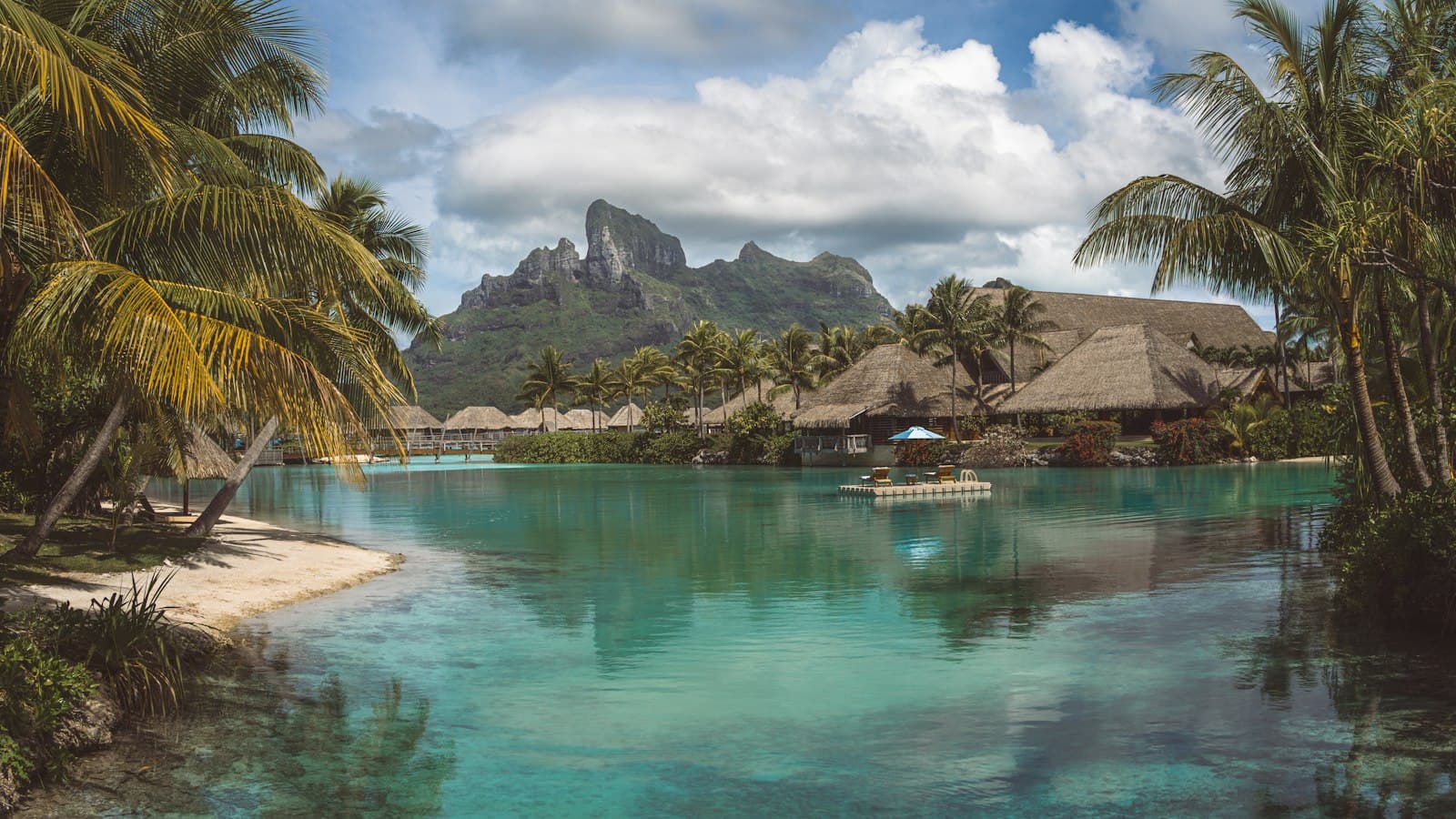
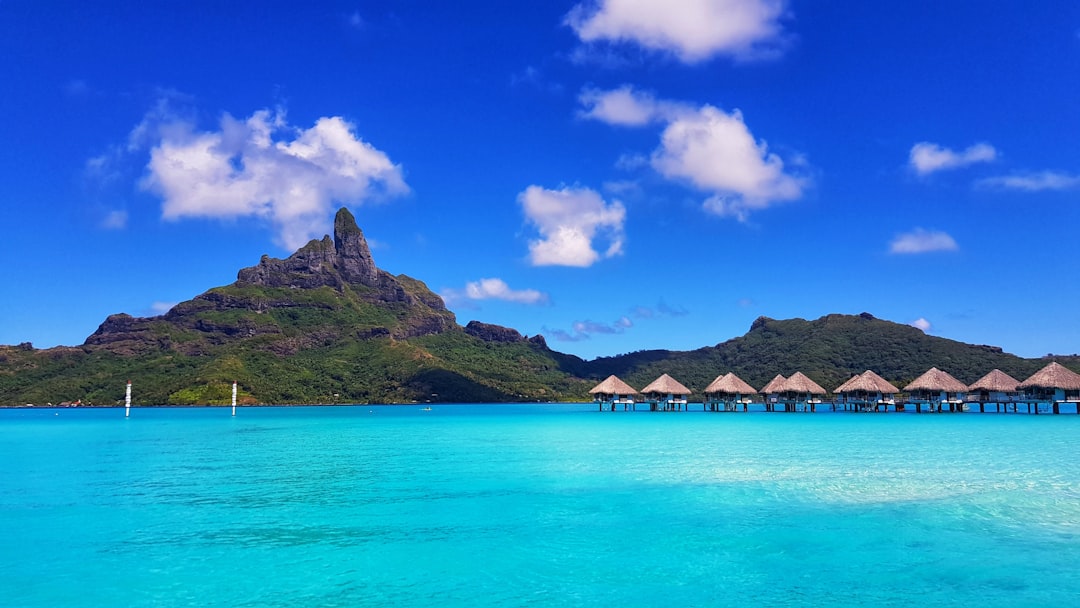
There is a moment, usually somewhere over the reef pass, when the water beneath the boat turns from navy to a pale, glowing turquoise. That is Bora Bora's lagoon announcing itself, and it is the reason every overwater villa on the island is built facing inward toward it rather than out to open ocean. The volcanic peak of Mount Otemanu rises just over 700 meters at the island's center, and it frames nearly every villa photograph you have ever seen of this place for good reason.
What separates Bora Bora from other overwater-villa destinations is the shallow, reef-enclosed lagoon itself, which stays warm, calm and startlingly clear most of the year. Guests snorkel from their own deck ladders, watch reef sharks and stingrays glide past at Coral Garden, and take sunset drinks with a direct line of sight to a peak that never quite feels real. For a luxury traveler weighing where to spend a significant villa budget, that combination of privacy, water access and scenery is the whole argument.
Bora Bora Quick Facts
When the Lagoon Runs Flattest: Bora Bora's Dry Season and Its Shoulder Months
French Polynesia's dry season runs roughly May through October, and it is the window most overwater-villa travelers should aim for. Trade winds keep humidity manageable, rainfall drops off noticeably, and the lagoon tends to stay glassy enough for snorkeling and glass-bottom boat rides most days. July and August bring the coolest air temperatures of the year, generally in the mid-to-high 20s Celsius, and also the heaviest resort occupancy since it overlaps with European and Australian school holidays.
The cyclone season, November through April, brings warmer, wetter weather and a real chance of multi-day rain systems that can ground the seaplane tours and cancel motu picnics. It is not a reason to avoid Bora Bora entirely, since storms rarely make direct landfall on the island, but villa privacy loses some of its appeal under a gray sky. Late April and the shoulder weeks of September into October often deliver the best trade-off: warm water, thinner crowds at Matira Beach, and rates that sit noticeably below the July-August peak.
Cordelie travel advisors
Planning Bora Bora? Go with someone who knows
The right suite, the right season, the reservations that never appear online — your Cordelie advisor knows them, and holds them for you.
Plan with a Cordelie advisorFree to ask. Cordelie Travel Services · IATA/ARC 06649064
Beyond the Villa Deck: The Lagoon Experiences Worth Leaving It For
Coral Garden, a shallow reef channel between Motu Piti Aau and the neighboring motu, is the island's most reliable snorkeling spot and most resorts run guided outings there most mornings, when visibility is typically at its best before afternoon boat traffic picks up. Expect reef fish in dense schools and, on a good day, a green sea turtle or two working the coral heads in water rarely deeper than 3 meters.
A lagoon excursion to swim with blacktip reef sharks and southern stingrays is the island's signature half-day outing, typically running about three to four hours and costing roughly US$130 to US$220 per person depending on the operator and whether lunch on a private motu is included. Matira Beach, on the main island's southern tip, remains the one truly public stretch of white sand and is worth a morning even for villa guests, since it gives a ground-level view of the lagoon most overwater rooms don't offer.
For a wider view, a helicopter transfer or a 4x4 safari up the lower slopes of Mount Otemanu delivers the postcard shot of the reef ring from above, and several operators run these as add-ons for US$150 to US$300 per person. Spa treatments taken in an overwater fare, with a glass panel in the floor so you can watch fish beneath the massage table, are less a novelty than a genuine argument for the resort spa over anything on land.
Bora Bora at a Glance
Four Seasons, St. Regis or Conrad: Choosing Your Motu
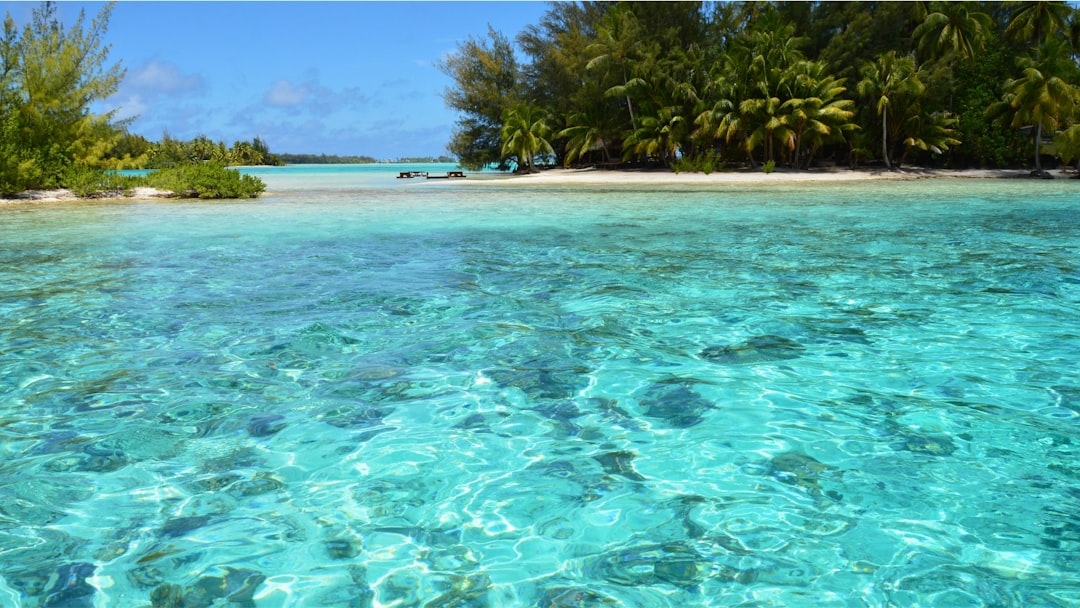
The Four Seasons Resort Bora Bora occupies Motu Tehotu, a private islet at the lagoon's southern tip, and its villas are arranged in small clusters that keep neighboring decks well out of sightline. It is the pick for couples who want genuine seclusion without sacrificing service polish; the resort's overwater villas run roughly US$1,400 to US$2,800 a night in spring shoulder season, and the property's own reef access means snorkeling starts at the villa ladder rather than a boat ride away.
The St. Regis Bora Bora Resort sits on Motu Tane near Point Raititi and holds some of the largest overwater villas on the island, several with private plunge pools facing Mount Otemanu head-on. It is the most photogenic of the three for a honeymoon album, though the resort's scale means a longer walk from the main building to the farthest villas, and rates for the top overwater categories climb past US$2,000 a night at peak season.
Conrad Bora Bora Nui, on Motu Toopua across the lagoon from Vaitape, trades a little lagoon-front intimacy for hillside villas with sweeping elevated views, plus one of the island's better overwater restaurants at Iriatai. Its motu sits slightly farther from the airport dock, so boat transfers run closer to 20 to 25 minutes rather than the 10 minutes typical of the Four Seasons or St. Regis, a small but real consideration on arrival day. The InterContinental Bora Bora Resort & Thalasso Spa, on Motu Piti Aau near the airport, is worth a mention for its overwater spa built directly into the reef, though its villas sit closer together than the other three and privacy is more modest.
Poisson Cru, Vanilla and the Rhythms of a Polynesian Table
Poisson cru, raw tuna marinated in lime juice and coconut milk with diced vegetables, is the dish to order at least once, and most resort restaurants do their own version alongside a more French-leaning tasting menu. Mahi mahi and yellowfin tuna, both landed locally, appear grilled or seared on nearly every dinner menu across the island's resorts, and Tahitian vanilla, grown on nearby Taha'a and Raiatea, turns up in everything from dessert to cocktails.
A traditional tamaaraa feast, cooked in an underground ahima'a oven with taro, breadfruit and suckling pig, is occasionally offered as a resort event and worth requesting in advance rather than hoping to stumble onto one. Village etiquette on the main island is understated but real: modest dress is appreciated away from the beach, and many motu are privately owned by resorts or local families, so wandering off marked paths is best avoided.
“The lagoon gives you everything slowly. You learn to stop checking the time.”
From Papeete to Your Private Dock: The Transfer Logistics
Every visit to Bora Bora begins in Papeete, on the main island of Tahiti, where international flights land at Faa'a International Airport (PPT). From there, Air Tahiti operates the roughly 50-minute inter-island flight to Bora Bora's Motu Mute airport several times daily, with round-trip fares typically running US$300 to US$450 depending on season and how far ahead you book.
Motu Mute sits on its own islet north of the main island, so no resort is directly reachable by road. Each property runs its own boat shuttle from the airport dock, and the ride to your villa takes anywhere from 10 minutes, for motus close to the airport, to 20-25 minutes for a property like Conrad Bora Bora Nui on the lagoon's western side. Confirm your flight number with the resort in advance so their boat is waiting; there is no taxi rank and no practical way to reach a villa property independently.
Once inside the resort, movement is almost entirely by water. Most properties provide complimentary shuttle boats between villas, the main pier and the beach, running on a set schedule roughly every 15 to 30 minutes, with on-demand pickups available by phone from the villa. The main island itself has a single coastal road, and renting a car or scooter in Vaitape is possible for a half-day village outing, but few overwater guests bother leaving the resort's water taxis behind.
Three Days Between Water and Reef: A Sample Itinerary
Arrival and the First Lagoon Sunset
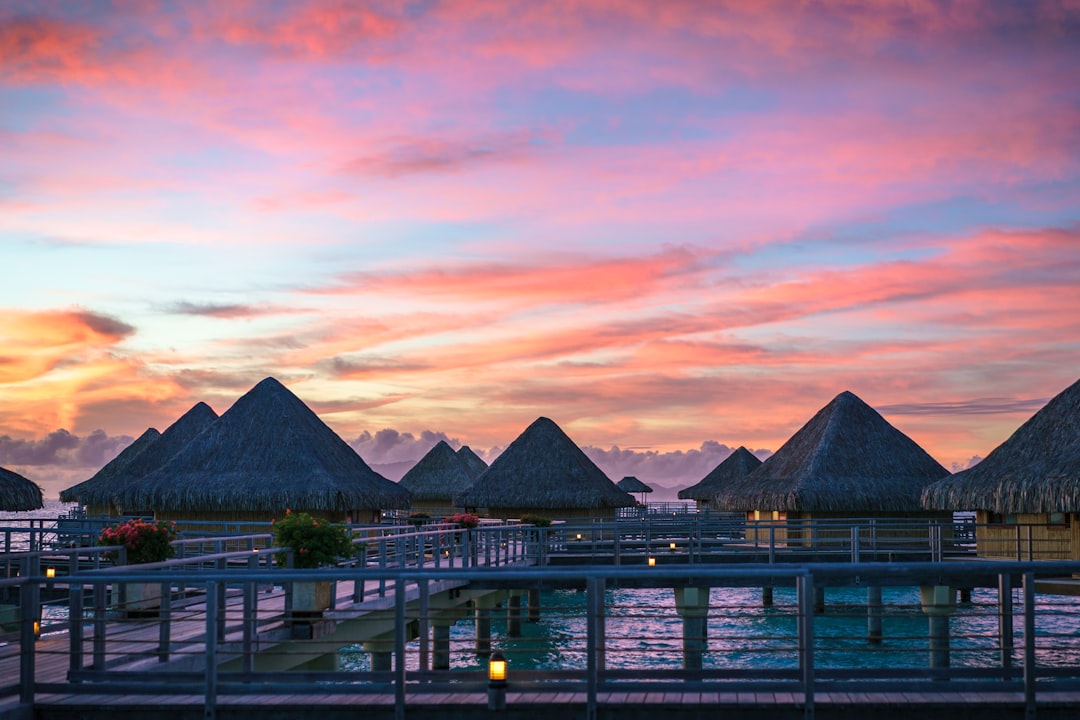
Land at Motu Mute after the short hop from Papeete and let your resort's boat crew handle luggage and transfer, a ride of roughly 10 to 25 minutes depending on which motu you're staying on.
Spend the afternoon easing into the villa: check the snorkel gear left on your deck, take a first swim off your own ladder, and let the jet lag settle before dinner.
Book an early dinner table facing the lagoon's west side; sunsets over Mount Otemanu tend to peak around 30 minutes before the sun actually drops, when the light turns the water copper.
Reef Sharks, Rays and a Private Motu Lunch
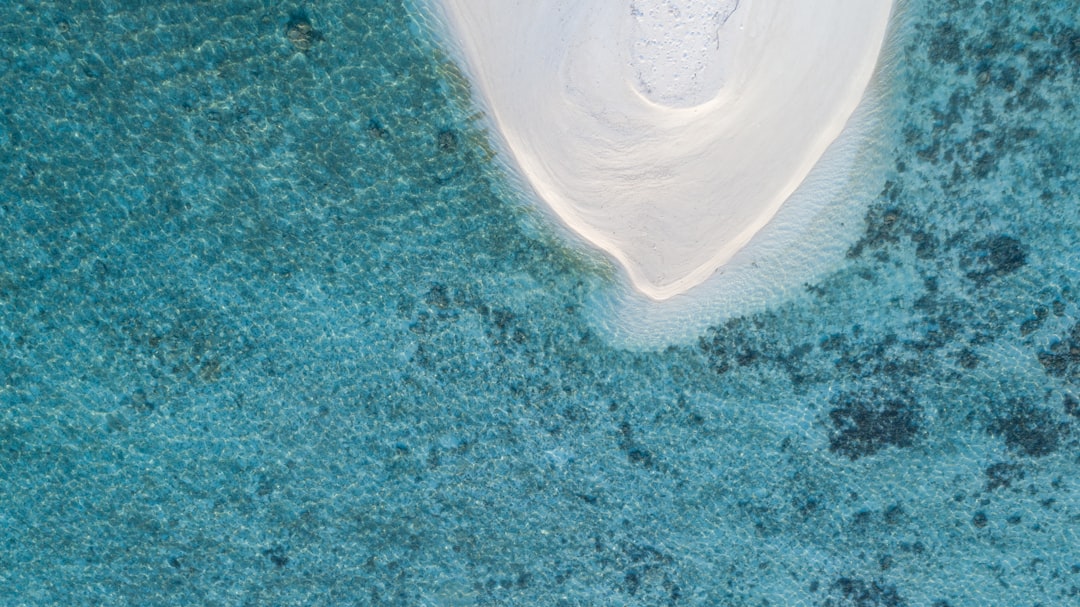
Join a morning lagoon excursion to Coral Garden for snorkeling among reef fish and the occasional turtle, typically a two-hour outing before the afternoon boat traffic builds.
Continue on to swim with blacktip reef sharks and stingrays in shallow water, a highlight most guests rate above any resort pool.
Finish with lunch on a private motu, grilled fish and fruit typically included, then return to the resort for an overwater spa treatment before dinner.
Mount Otemanu by 4x4 and a Slow Final Evening
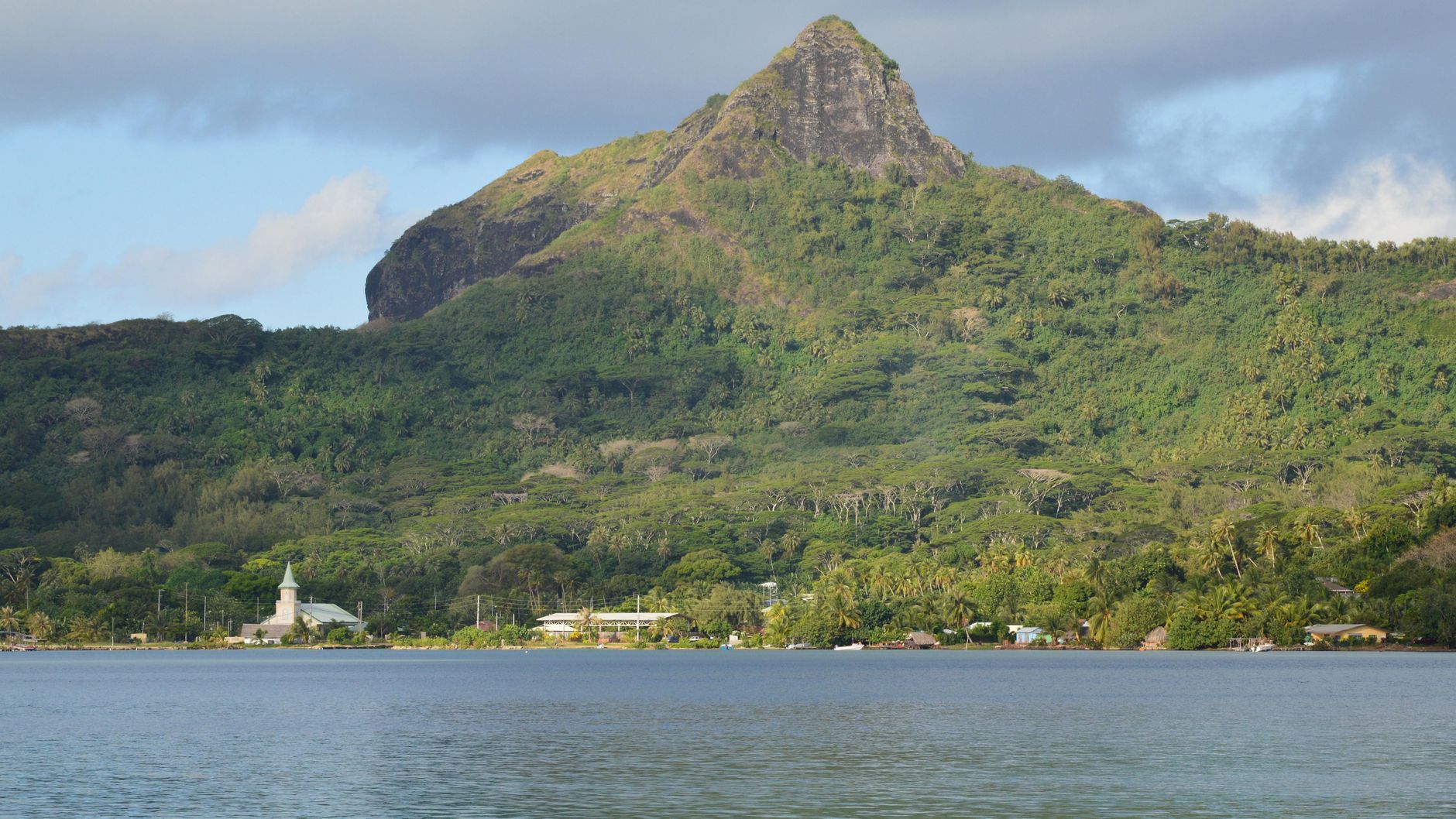
Take a half-day 4x4 safari up the lower flanks of Mount Otemanu for panoramic views over the reef ring, plus stops at old World War II gun emplacements left from the island's wartime past.
Return by early afternoon for a final unhurried swim and a lagoon lunch at the resort's overwater restaurant.
Spend the last evening on the villa deck rather than in a bar; the point of an overwater stay is usually the water itself, and this is the night to remember why.
The best overwater villas at Four Seasons, St. Regis and Conrad Bora Bora Nui often carry room categories, upgrade paths and seaplane connections that never appear on a public booking page.
A Cordelie advisor can secure a lagoon-front villa with the exact aspect you want on Mount Otemanu, arrange a private seaplane transfer from Papeete instead of the scheduled Air Tahiti flight, and layer in a resort credit or complimentary excursion that turns a very good honeymoon into an exceptional one.
Bora Bora Overwater Villas: The Verdict
One of the very few places where the overwater-villa fantasy matches the reality, provided you book the right motu and travel between May and October.
Bora Bora rewards travelers who choose their resort motu deliberately: Four Seasons for privacy, St. Regis for scale and honeymoon polish, Conrad for elevated views and a standout restaurant.
Budget US$1,400 to US$2,800 a night for a top-tier overwater villa in spring shoulder season, plus roughly US$400-700 per person for flights and transfers from Papeete.
Plan around the May-to-October dry season for the calmest lagoon conditions, and let a Cordelie advisor handle the villa selection so the view from your deck is the one you actually wanted.
Last checked for accuracy: . How we check

Emma Blackwood has reviewed hotels for eighteen years and can tell within an hour of arrival whether a property means it. She writes about the difference between expensive and excellent, which is not the same thing, and about the handful of places that are both.