
Bluffs, Locks and Bald Eagles: Cruising the Upper Mississippi from St. Louis to St. Paul

Why the St. Louis-to-St. Paul Stretch Is the Mississippi's Quiet Masterpiece
Most people picture the Mississippi as flat delta and plantation columns, which is the Deep South segment doing all the talking. North of St. Louis, the river changes character entirely. It squeezes between forested bluffs that climb 400 to 600 feet above the water, widens into the glassy expanse of Lake Pepin, and locks its way upstream through a chain of dams that turn a cruise into something closer to a slow-motion elevator ride through limestone country.
This is the Driftless Area, the pocket of Minnesota, Wisconsin, Iowa and Illinois that the last Ice Age glaciers somehow skipped, leaving behind a landscape of ridges, coulees and spring-fed trout streams instead of the flat plains that cover most of the Midwest. Add Mark Twain's boyhood river town, a national eagle-watching center, and a handful of 19th-century river towns that never bothered to modernize their main streets, and you have a cruise that rewards patience over spectacle.
Upper Mississippi Cruise Quick Facts
Spring Eagle Migration or Fall Color: When to Book This Stretch
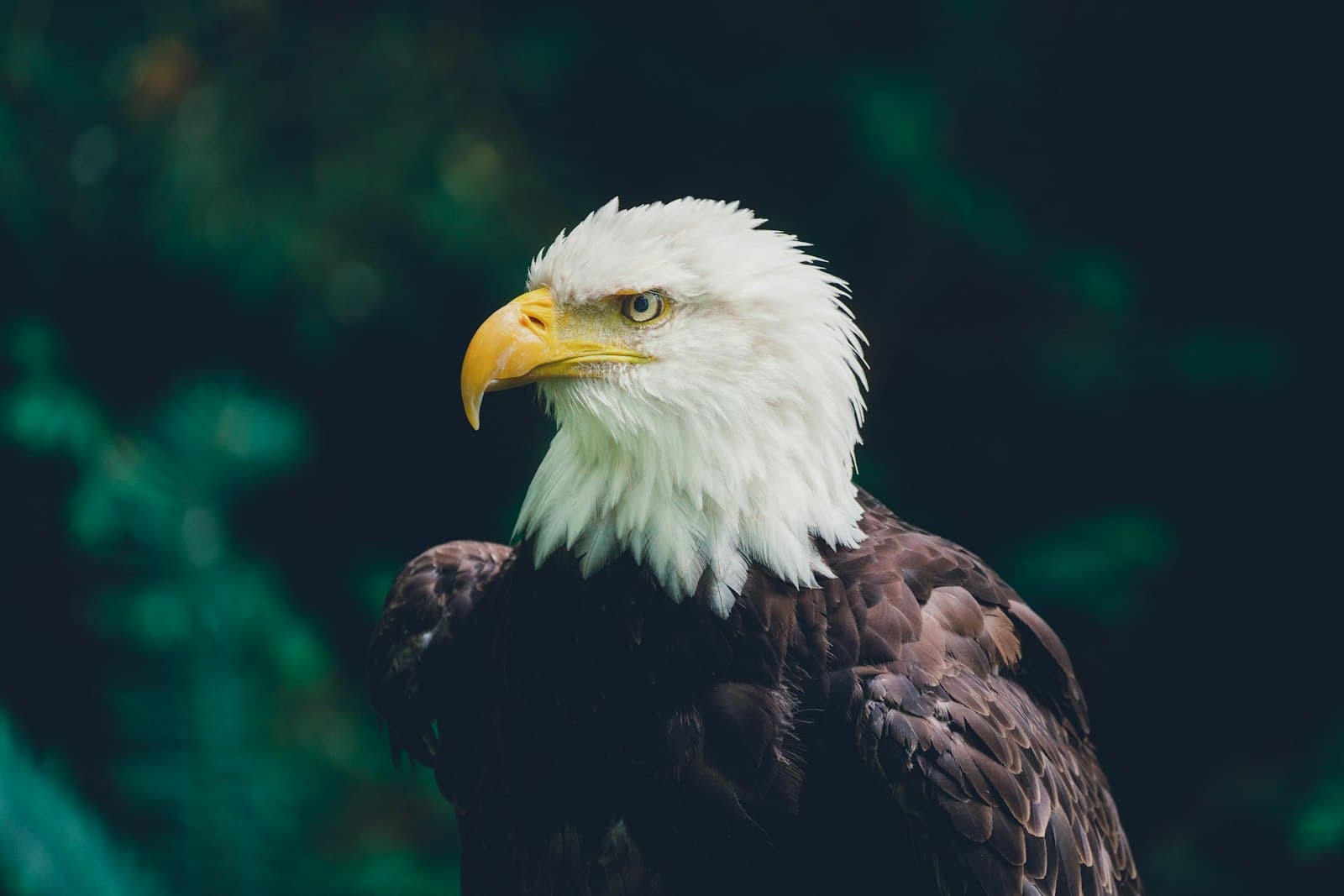
Spring on the Upper Mississippi runs roughly mid-March through May, and it's the eagle season. Birds that wintered along the open-water stretches below the lock-and-dam system start moving back north as the ice breaks up, and sightings along the bluffs between Dubuque and Red Wing are routine rather than lucky. Water levels tend to run higher in April from snowmelt, which can mean a faster current and occasionally altered lock schedules, so operators build in flexibility rather than fixed hour-by-hour timing.
Fall, by contrast, is the color season: late September into October turns the bluffs into a patchwork of maple red and oak gold, and it's when most of the marketing photography gets taken. Compared with the Lower Mississippi run between New Orleans and Memphis, this upper segment moves at a noticeably slower, cooler pace. There are no plantation grounds or antebellum mansions here; instead there's more time spent on deck watching the lock gates close, and evenings are genuinely crisp even in May, so pack layers regardless of which season you choose.
Cordelie travel advisors
Planning Upper Mississippi River? Go with someone who knows
The right suite, the right season, the reservations that never appear online — your Cordelie advisor knows them, and holds them for you.
Plan with a Cordelie advisorFree to ask. Cordelie Travel Services · IATA/ARC 06649064
Locks, Lighthouses and Lookouts: What Fills the Days Between Ports
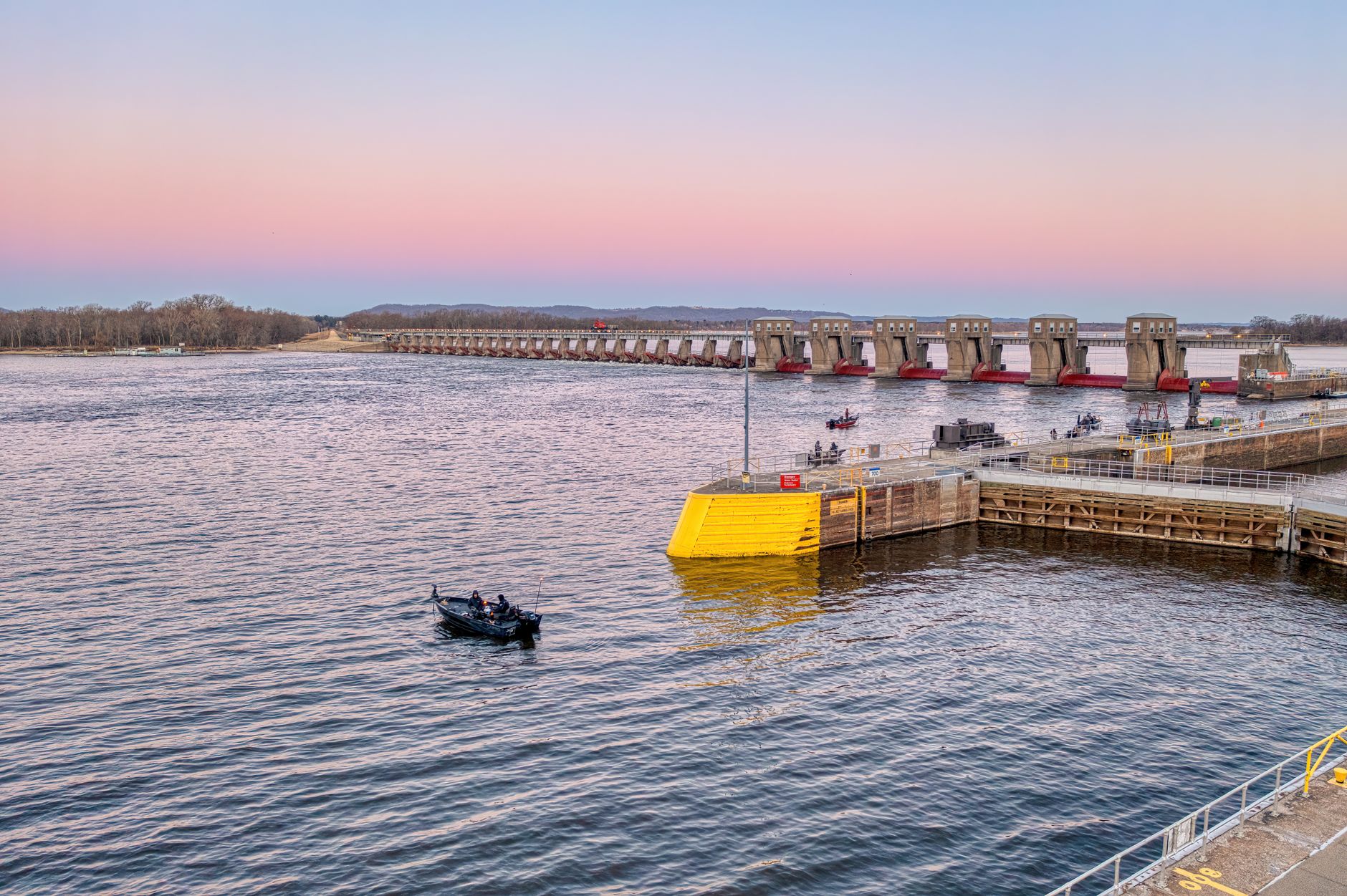
The single most distinctive experience on this route is watching a 600-foot riverboat squeeze into a lock chamber. Melvin Price Locks and Dam near Alton, Illinois, just above St. Louis, and Lock and Dam 11 at Dubuque are two of the more dramatic transits, with the ship dropping or rising 10 to 15 feet while deckhands hold position against the chamber walls. Most small-ship lines allow passengers up to the pilothouse or forward deck during transit, and crew narrate the process over the PA, which turns a 20-to-40-minute wait into one of the trip's best photo opportunities rather than a delay to tolerate.
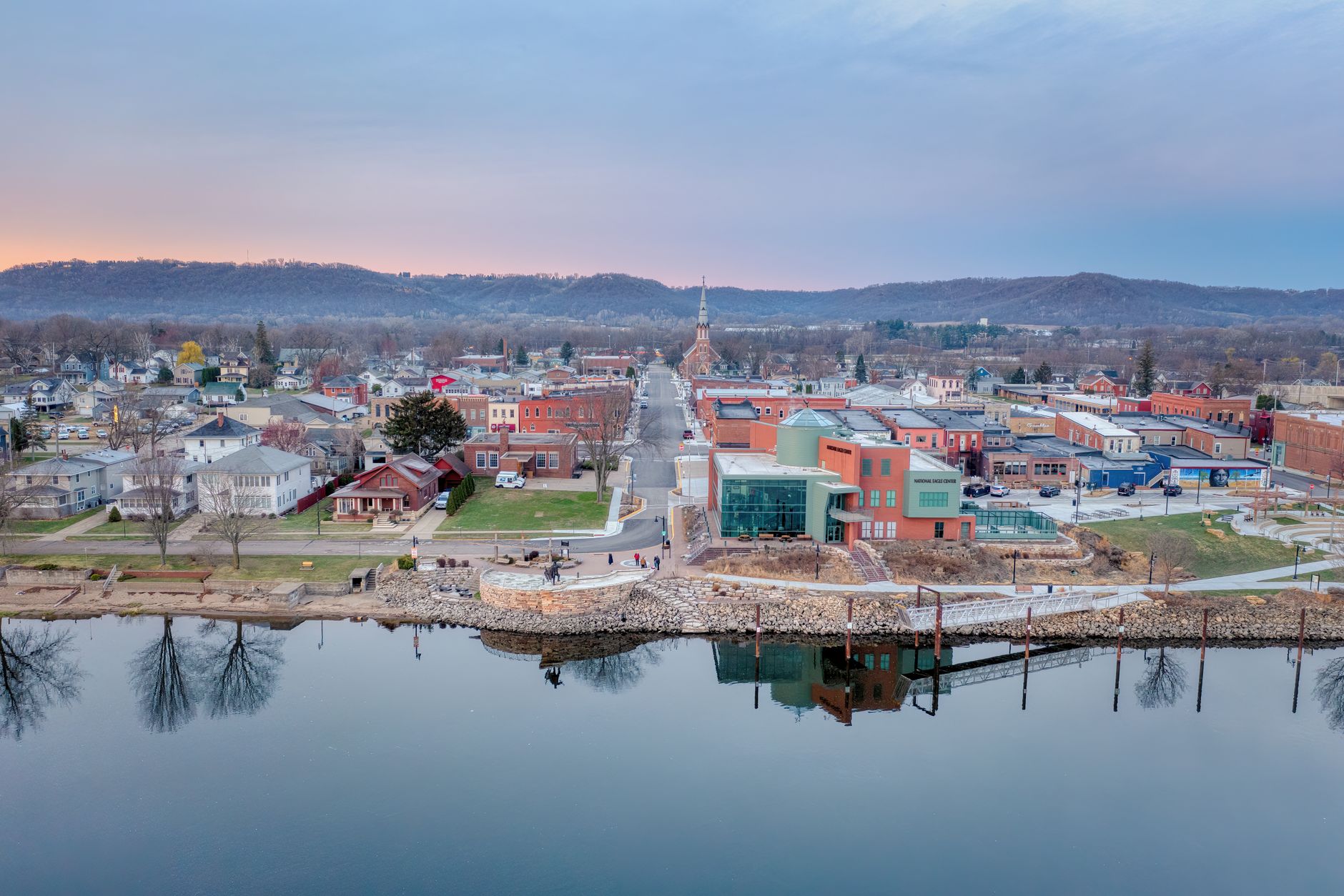
Ashore, Hannibal, Missouri delivers Mark Twain's boyhood haunts: the Mark Twain Boyhood Home & Museum on Hill Street and the whitewashed fence out front are an easy 10-minute walk from most docking points, and combination tickets covering the museum complex typically run $12 to $16 per adult. In Dubuque, the Fenelon Place Elevator, a short funicular railway dating to 1882, climbs a steep bluff for views over the river and three states for a few dollars round trip. La Crosse, Wisconsin offers Grandad Bluff, a short cab or shuttle ride above downtown with a sweeping view of the river splitting around Barron Island. Wabasha, Minnesota is home to the National Eagle Center, where live resident eagles and riverside viewing decks make it the best single stop for guaranteed eagle sightings, especially from March through early April.
Scenes Along the Route
Bookending the Cruise: Hotels in St. Louis and St. Paul
Most itineraries recommend arriving a night early on either end, since flight delays are the one thing a lock schedule can't absorb. In St. Louis, the Four Seasons Hotel St. Louis sits inside the Lumière Place complex downtown, a 10-minute drive from the Gateway Arch and most riverboat terminals. The Hotel Saint Louis, a renovated 1893 bank building on Washington Avenue, offers a more boutique feel in the Downtown West arts district, with rooms generally running $200 to $350 a night depending on season.
At the St. Paul end, The Saint Paul Hotel is the obvious choice: a grand 1910 property overlooking Rice Park, a few blocks' walk from the Science Museum of Minnesota and the Mississippi riverfront landing. For a smaller footprint, Celeste St. Paul occupies a converted 1880s convent near the Cathedral of Saint Paul, with double rooms typically in the $180 to $280 range. Families traveling with a stroller will find both downtowns walkable in short stretches, but note that riverfront paths in St. Paul involve some genuine elevation change down to the water.
Catfish, Cheese Curds and Riverboat Dining Along the Way
Onboard dining on American Cruise Lines and Viking Mississippi sailings leans regional: expect fried catfish, Midwest beef, and riverfront-grown produce worked into the nightly menus, often with a destination-themed dinner tied to that day's port. Ashore, the food gets more specific to place. In Hannibal, Mark Twain Dinette on Highway 61 has served root beer floats and pork tenderloin sandwiches to riverboat passengers for decades. In La Crosse, stop by Pearl Street Books and the surrounding downtown blocks for Wisconsin cheese curds, and don't skip a Spotted Cow or other regional beer at a riverside tavern.
Dubuque carries a strong German-American heritage visible in its bakeries and in the stone architecture of the Cable Car Square neighborhood near the Fenelon Place Elevator. Red Wing, Minnesota, meanwhile, is known for its pottery tradition, and the, a nice half-hour detour between the dock and lunch at the St. James Hotel's riverside dining room.
“You don't cruise the Upper Mississippi for speed. You cruise it for the thirty minutes you spend at the rail waiting for a lock gate to open, and the eagle that shows up anyway.”
Getting Between Decks and Docks: No Rental Car Required
This is one of the easier cruise logistics in the United States precisely because the ship does the moving. Most ports on this route dock directly in or near walkable downtowns: Hannibal, La Crosse, Dubuque, Red Wing and Winona all put passengers within a 5-to-15-minute walk of their historic main streets. Larger excursions, such as the eagle-viewing stop in Wabasha or a side trip to Galena, Illinois from the Dubuque dock, run on operator-provided motor coaches, typically included in the cruise fare or offered as a $40 to $90 add-on.
Embarkation itself usually happens in St. Louis near the Gateway Arch riverfront or at a terminal just north of downtown, with disembarkation in St. Paul near the Science Museum of Minnesota landing. Both cities have international airports roughly 20 to 25 minutes by taxi from the respective ports, so flying in the morning of embarkation is workable if your flight lands by early afternoon, though an overnight buffer removes any risk.
Three Days That Capture the Route: A Sample Itinerary
Embarkation in St. Louis and the First Lock Transit
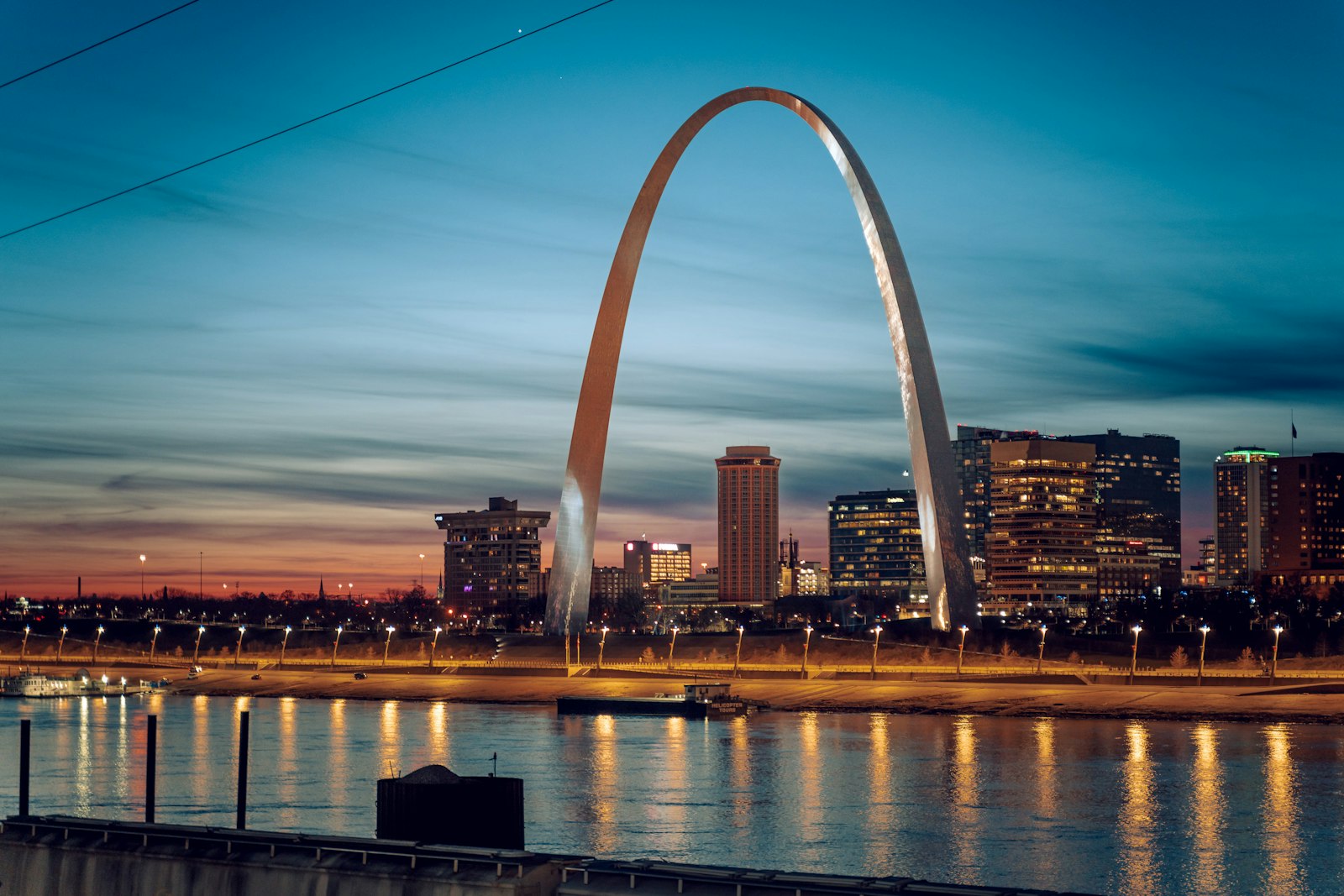
Boarding typically happens early afternoon at the St. Louis riverfront, with sail-away timed for sunset past the Gateway Arch, a near-mandatory photo moment from the top deck.
Within the first evening or the following morning, most itineraries clear Melvin Price Locks and Dam, the ship's first lift of the trip, dropping or raising around 10 to 15 feet depending on river stage.
Hannibal and the Mark Twain Riverfront
Docking in Hannibal, Missouri usually allows a full morning and early afternoon ashore. The Mark Twain Boyhood Home & Museum complex and the Mississippi River Museum are both within a short walk of the landing, with combination tickets generally $12 to $16 per adult.
Many passengers also fit in a 30-minute visit to the Mark Twain Cave just south of downtown, reachable by the ship's shuttle, before returning aboard for an afternoon departure north toward the Quad Cities.
Dubuque's Bluffs and the National Eagle Center
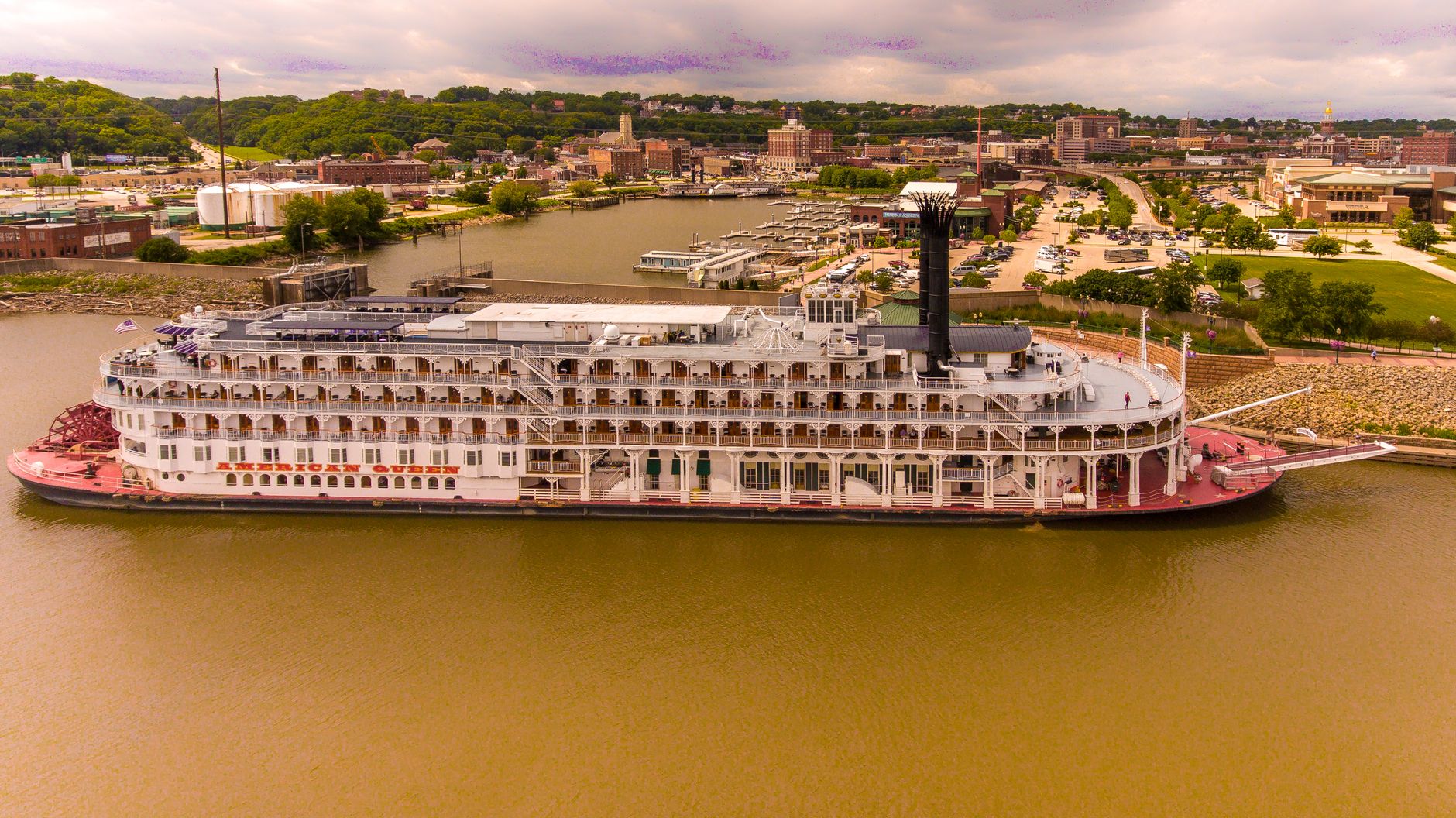
A morning stop in Dubuque, Iowa typically pairs a ride up the Fenelon Place Elevator with time in the Cable Car Square shops below, before the ship continues upriver through Lock and Dam 11.
Later the same day or the next morning, many spring sailings add a stop or shore excursion to the National Eagle Center in Wabasha, Minnesota, where viewing decks and resident eagle enclosures make for close, reliable sightings before the final push toward St. Paul.
The right call between an eagle-season sailing in April and a foliage sailing in October depends on details only a planner working the full picture can weigh: your tolerance for cooler deck evenings, which shore excursions matter most to you, and which cabin categories still have real availability on American Cruise Lines or Viking Mississippi sailings for your dates.
A Cordelie advisor curates that match for you, from cabin category to pre- and post-cruise nights in St. Louis and St. Paul, so the trip is built around what you actually want to see. Reach out at https://cordelie.com/contact to begin planning your Upper Mississippi cruise.
Upper Mississippi River Cruise: At a Glance
A slower, bluff-lined counterpart to the Deep South run, best suited to travelers who want river towns and wildlife over grand estates.
Expect 8 to 10 nights, around 660 river miles, and up to 20 lock transits between St. Louis and St. Paul, with small-ship lines like American Cruise Lines and Viking Mississippi running the route in spring and fall.
Choose April or May for bald eagles and greening bluffs, or late September into October for foliage; either way, pack layers, comfortable walking shoes for short, often sloped shore excursions, and patience for the locks, which are the whole point.
Last checked for accuracy: . How we check

Priya Raman has spent eleven years testing whether a destination works with a four-year-old, a teenager and a grandparent in the same party. She writes the version of the guide that accounts for nap times and still gets you to the good stuff, and travels from Toronto with a carry-on she can pack in nine minutes.