
Beyond the Souks: A Cultural Deep-Dive into Essaouira's Walled Medina

The Wind, the Whitewash, and the Reason to Slow Down in Essaouira
I arrived in Essaouira the way most people still do, by grand taxi along the coast road from Marrakech, the driver's window cracked to let in the smell of salt and eucalyptus somewhere past Chichaoua. Marrakech had been ochre and dense and loud. Essaouira, when the ramparts finally appeared at the end of the road, was blue and white and quiet in a way that felt deliberate.
It was the gulls I noticed first, wheeling over the fishing port before the taxi had even reached Bab Doukkala, the northern gate into the old town. Then the wind, which locals call the taros, strong enough by mid-afternoon to lean into. I had booked four nights at a riad just inside the walls and would end up staying five, then wishing I had booked seven.
“You don't visit Essaouira. You settle into it for a few days and let it decide your schedule for you.”
Five Slow Days Inside the Ramparts
Arrival Through Bab Doukkala and a First Loop of the Ramparts
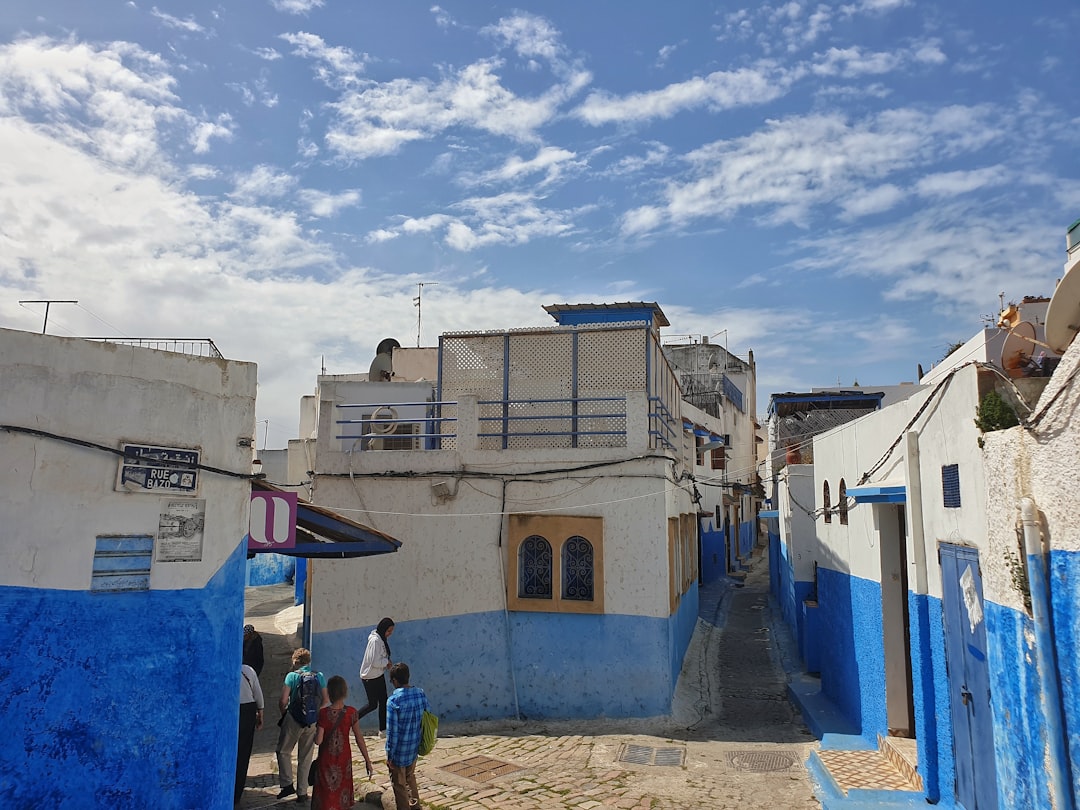
My riad, Dar Loulema, sat two minutes from Place Moulay Hassan down a lane barely wide enough for a handcart, its blue door indistinguishable from a dozen others until the owner texted a photo of the knocker. That is the first lesson of the medina: addresses are decorative, and every riad host expects to walk out and collect you.
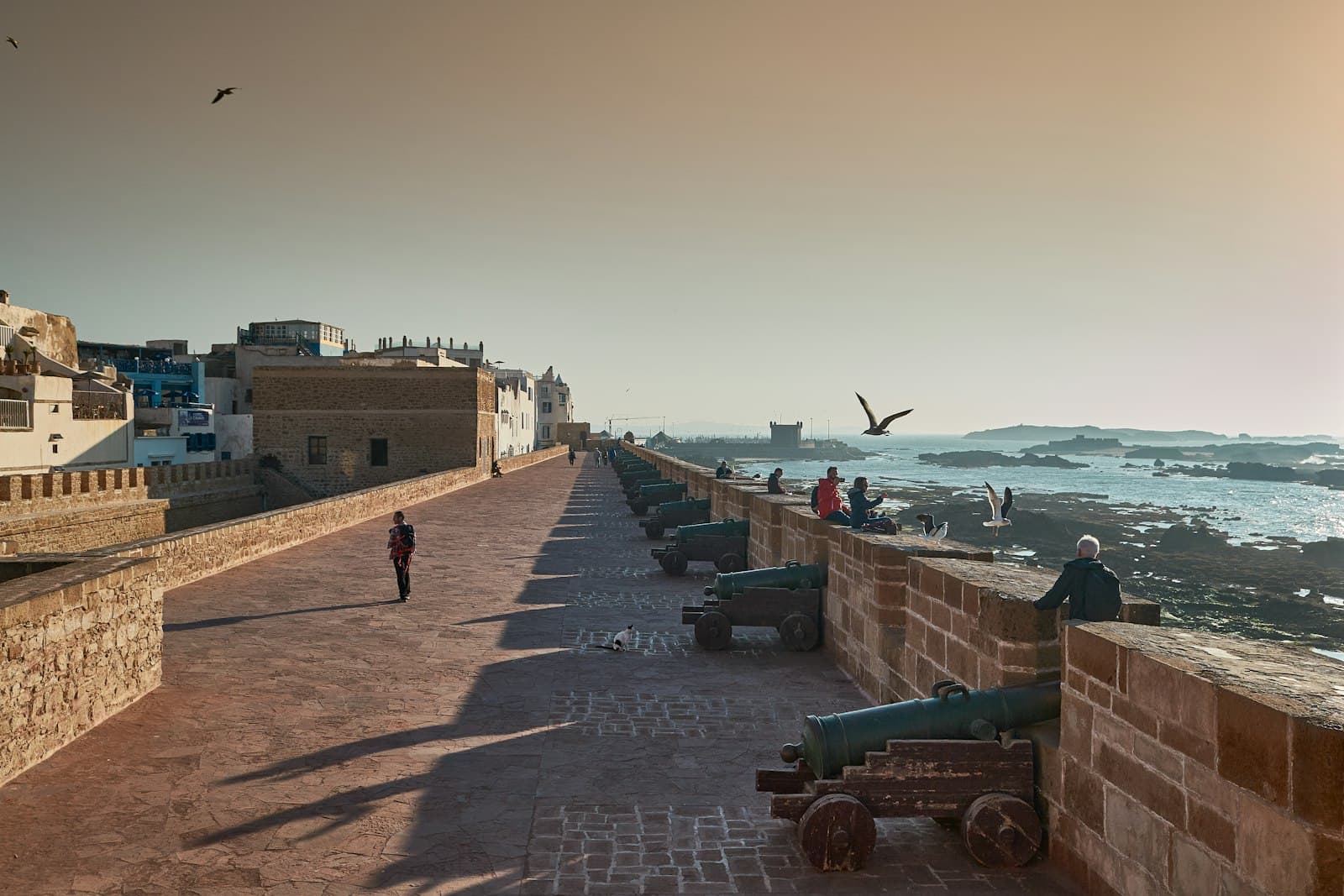
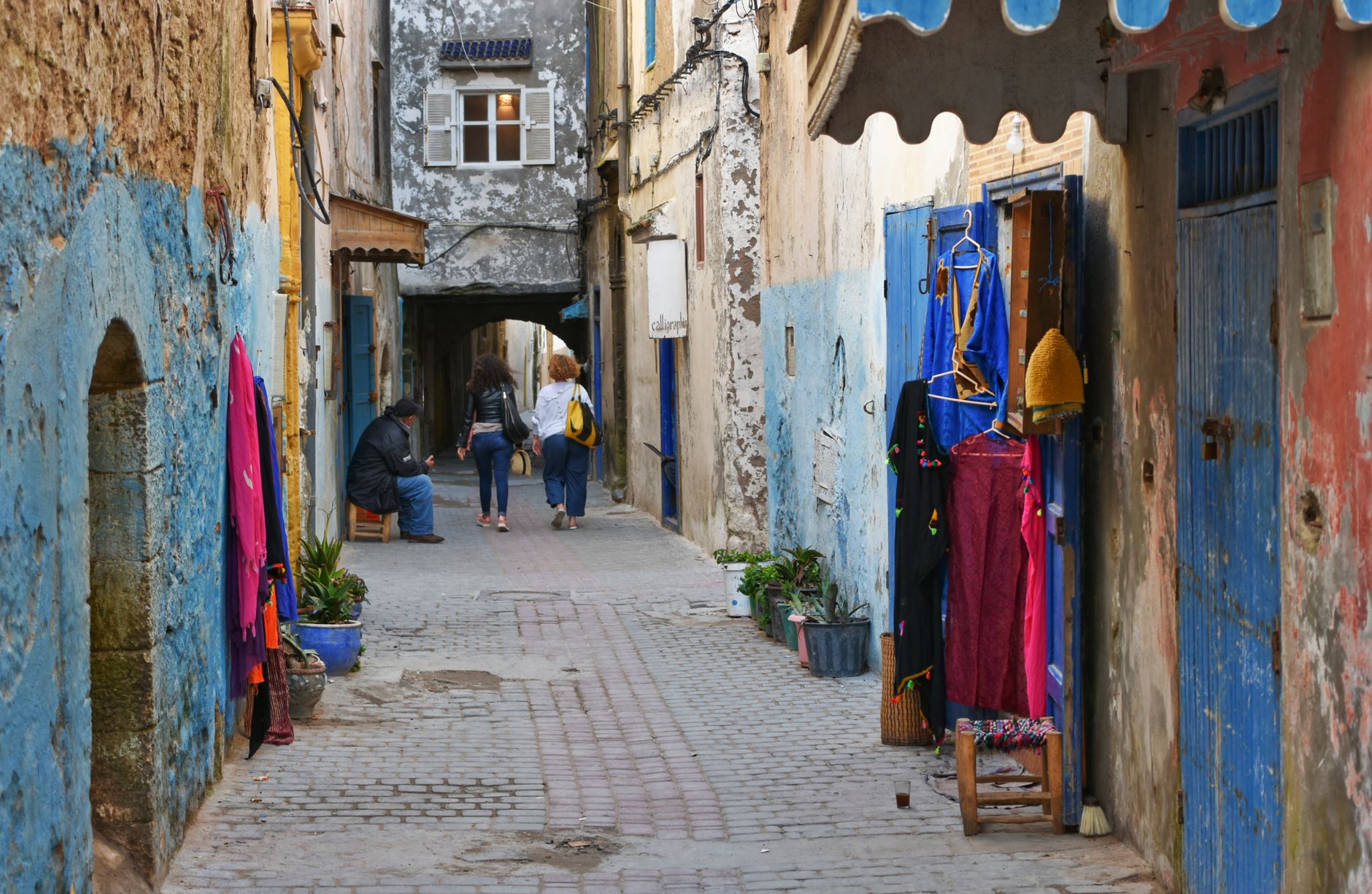
I spent the first afternoon doing nothing more ambitious than walking the ramparts clockwise from Skala de la Ville to Skala du Port, a loop of roughly 2.5 kilometers that took closer to two hours because I kept stopping. Essaouira's medina, unlike Marrakech's or Fes's, was laid out in the 1760s by a French-trained engineer named Théodore Cornut on the orders of Sultan Mohammed III, and the grid still shows: straight streets, right angles, a rare thing in a Moroccan old town.
The Grid, the Mellah, and the Logic Behind Essaouira's Layout
On the second morning I traded the coastline for the interior grid, starting at Bab Marrakech and working toward the old Mellah, the Jewish quarter that once housed a community of merchants and silversmiths central to the port's trade with Europe. The Simon Attias Synagogue, restored and reopened to visitors in recent years, sits quietly among buildings still marked with Hebrew inscriptions above doorways.
Because the streets run in a grid rather than a maze, Essaouira's medina is one of the few in Morocco where a first-time visitor can navigate without a guide within a day. UNESCO listed the walled town in 2001, citing exactly this fusion of European military planning and Moroccan and Amazigh craft traditions, and it shows in details as small as the street signage, still bilingual in French and Arabic from the protectorate era.
Thuya Wood and the Cooperative Workshops Behind Skala de la Ville
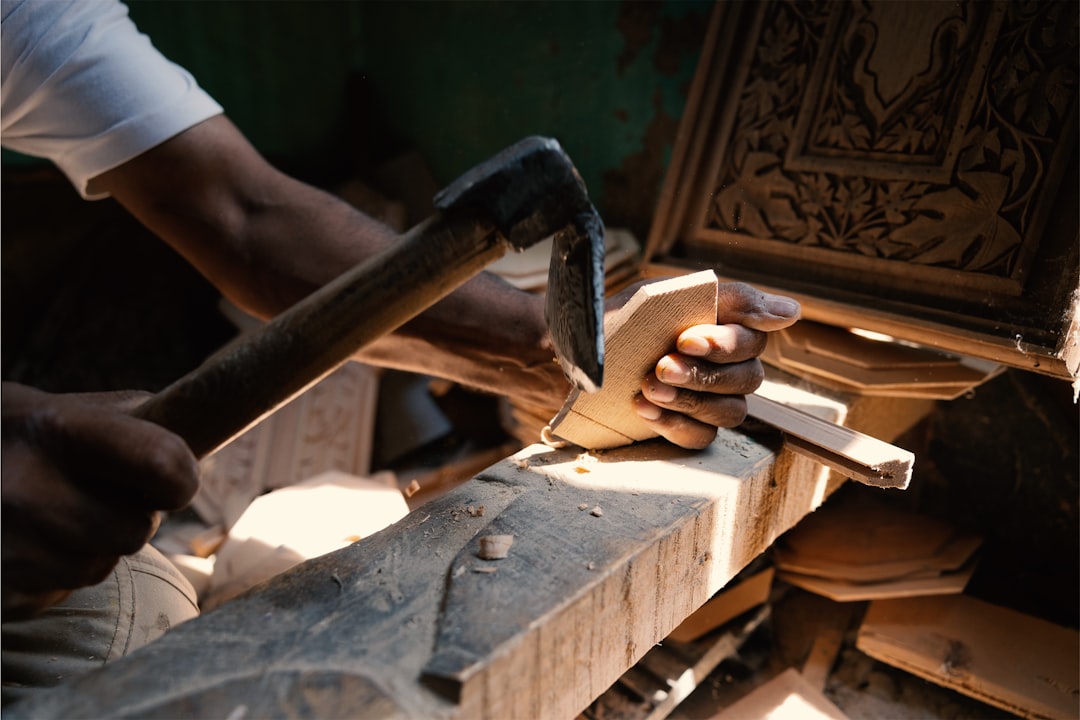
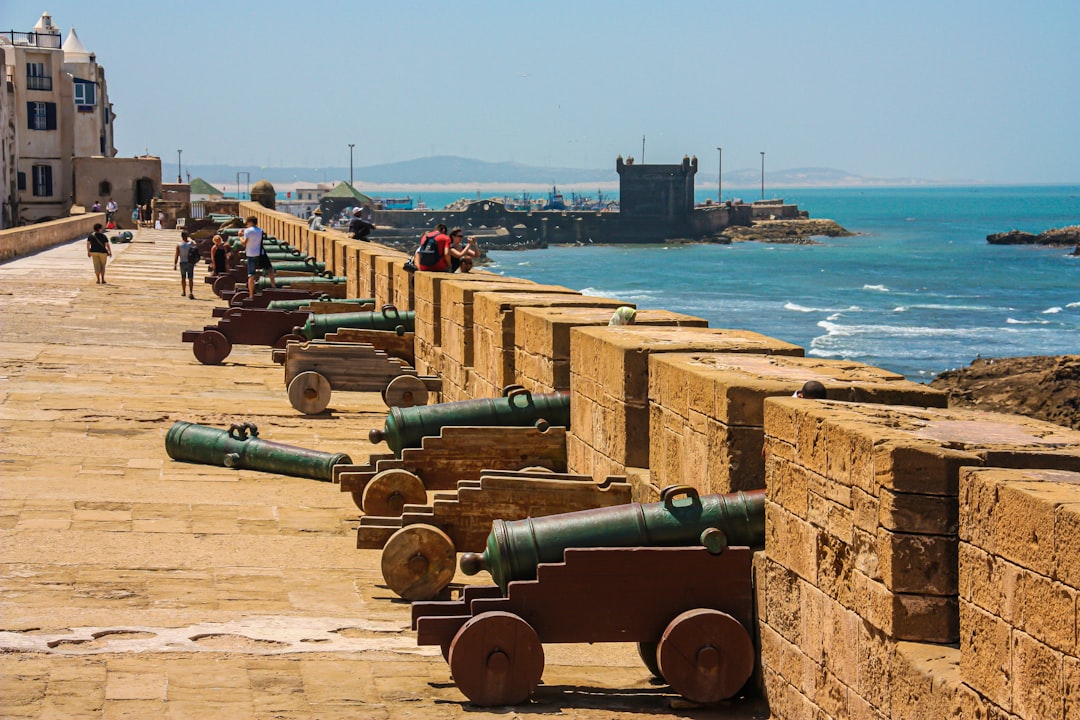
Essaouira's other UNESCO-recognized craft, alongside its layout, is thuya wood marquetry, and the workshops cluster inside and around Skala de la Ville, where the sound of hand saws carries out over the cannon-lined rampart. I spent a morning with a cooperative of six woodworkers who buy raw thuya burl from the Argan Biosphere Reserve inland and inlay it with lemon wood, ebony, and mother of pearl by hand.
A small box takes an afternoon; a chessboard can take a week. Prices at the cooperatives I visited ran roughly 80 to 400 dirhams (around USD 8 to 40) for smaller boxes, more for larger inlaid furniture, and buying directly from the workshop rather than a souk stall in Marrakech puts the money closer to the maker.
Gnawa Roots: An Evening at Taros and the Sound of the Sahara
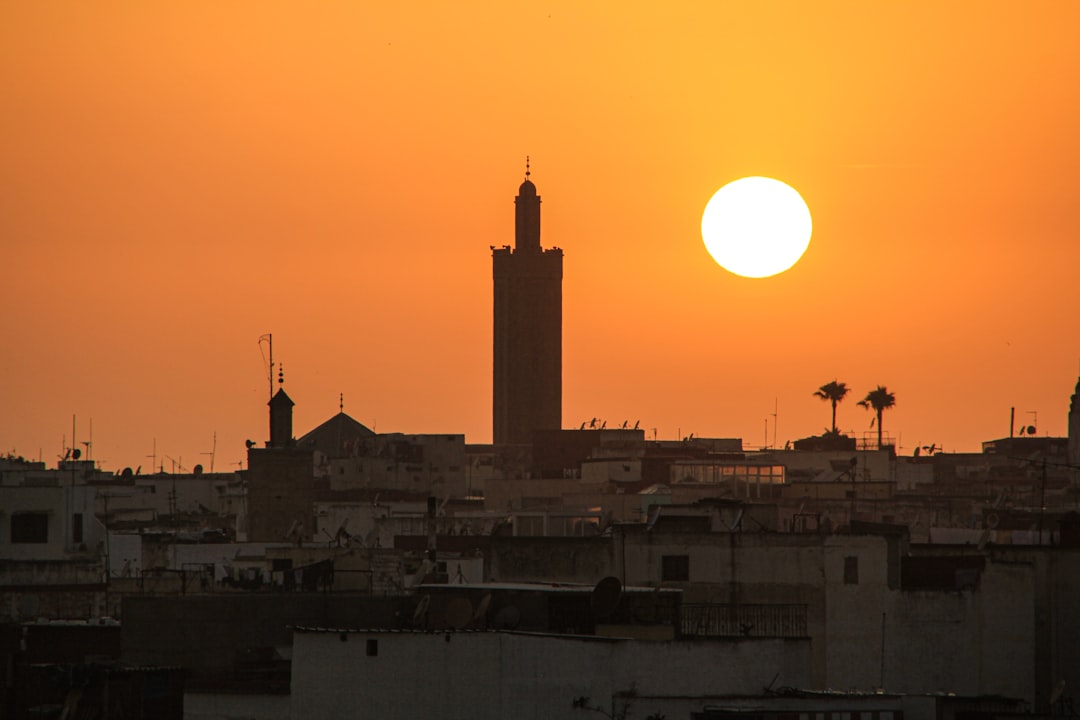
Essaouira is the spiritual home of Gnawa music, brought north by descendants of West African communities and now anchored by the annual Festival Gnaoua et Musiques du Monde each June. I was there in spring, well before the festival crowds, but the tradition doesn't wait for a festival date.
On my fourth night I climbed to the terrace at Taros Café, overlooking Place Moulay Hassan, where a small group played guembri and krakebs, the metal castanets, into the evening. It's a smaller, rougher version of what fills the squares in June, and honestly the better one for actually hearing it: no stage, no ticket, just musicians who play there most weeks and a terrace bar that opens by late afternoon.
Hammam Mornings and a Last Walk on the Ramparts at Dusk
I gave the last morning to a neighborhood hammam near Bab Doukkala, the kind with no sign in English and a scrub that leaves your skin raw in the good way, for around 100-150 dirhams including the black soap and a gommage. It's a different register from the spa hammams in the newer hotels, slower and unglamorous, and I liked it better for that.
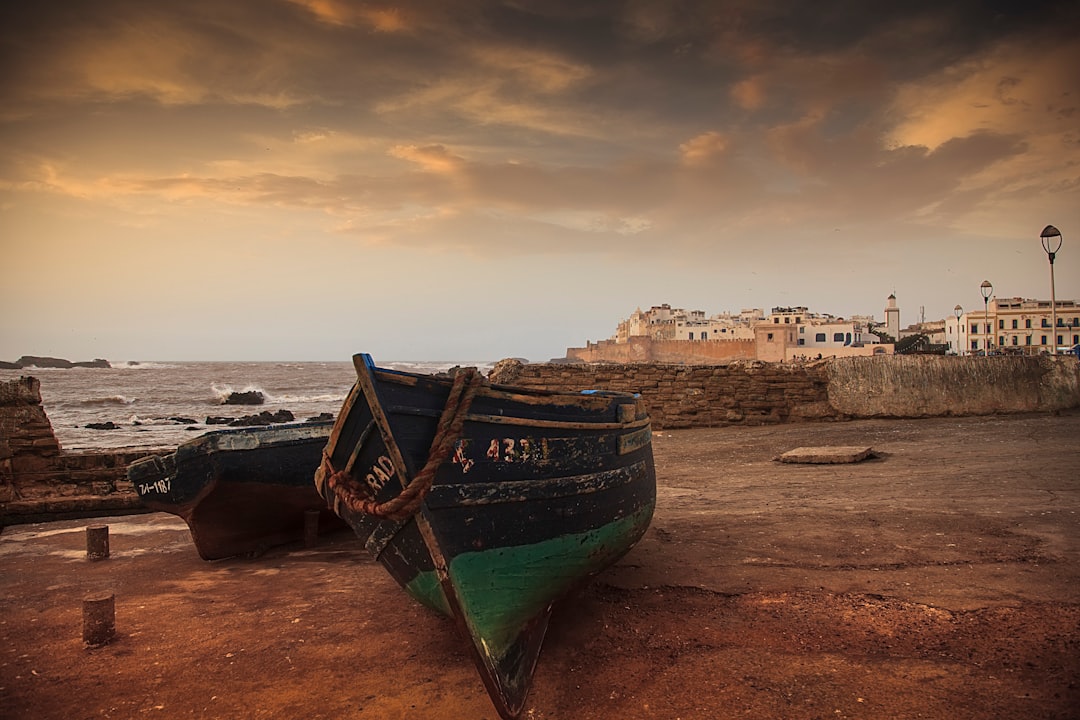
By late afternoon the wind had dropped, which locals told me happens most days around sunset, and I walked the Skala de la Ville rampart one more time as the light went gold over the fishing boats. My taxi back to Marrakech's Menara Airport left the following morning at 8am, a drive of roughly 2.5 to 3 hours depending on traffic through Chichaoua, and I spent most of it wishing I'd booked two more nights.
Essaouira Medina, Frame by Frame
Cordelie travel advisors
Planning Essaouira Medina? Go with someone who knows
The right suite, the right season, the reservations that never appear online — your Cordelie advisor knows them, and holds them for you.
Plan with a Cordelie advisorFree to ask. Cordelie Travel Services · IATA/ARC 06649064
The Details a Rushed Day Trip Never Catches
The comparison every visitor makes, sooner or later, is with Marrakech's medina, and it's a fair one. Marrakech's old town is organic, layered over centuries, genuinely disorienting even for people who've been three times. Essaouira's grid is legible almost immediately, which sounds like a loss for atmosphere and turns out to be a gain for attention. You stop navigating and start noticing.
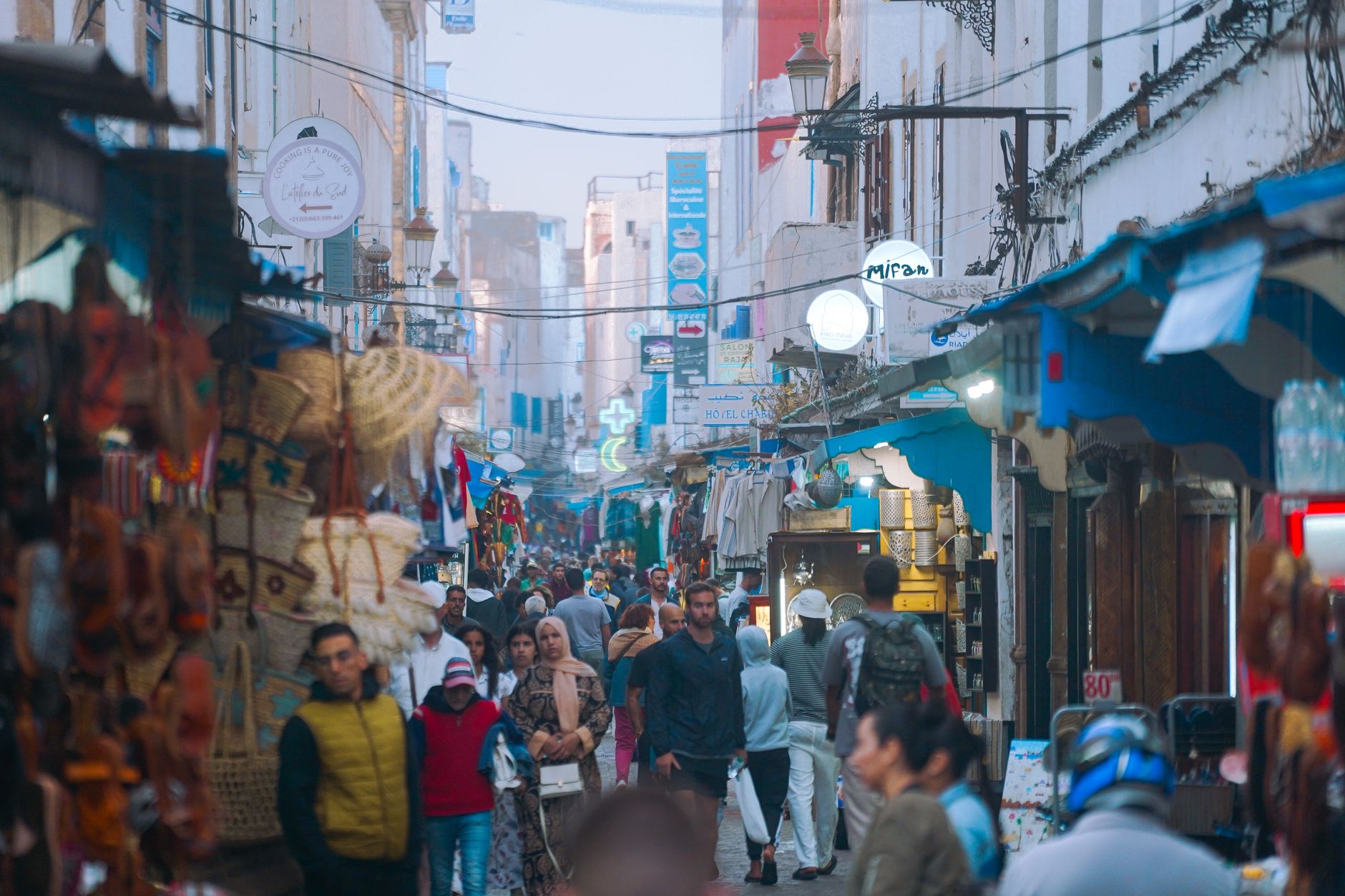
What stayed with me wasn't a single monument but a rhythm: the fishmongers at the port auctioning the morning's catch before 8am, the same three cats sunning themselves on the same rampart wall every afternoon, a tailor's radio playing Cheb Khaled two streets over from a call to prayer. Essaouira has almost no must-see checklist item in the way Marrakech has the Bahia Palace or the Jemaa el-Fnaa. What it has is texture that only shows up once you stop trying to see everything on day one.
The other surprise was how few hard sells I got. Souk vendors elsewhere in Morocco can be relentless; in Essaouira's medina, most shopkeepers let you browse a marquetry stall or a stack of hand-loomed rugs for a full five minutes before saying a word, and several times the opening line was a question about where I was from rather than a price. It's a small thing, but it changes how you shop, and how long you linger.
Sardines, Argan Oil, and the Taste of the Atlantic
Essaouira's food is built around what the boats bring in that morning, and the port grill stalls just past Place Moulay Hassan are the fastest way to eat it: pick your fish or squid at the stall, and it's grilled on charcoal within minutes, usually 40-70 dirhams for a plate depending on the catch. It's plastic tables and paper napkins, and it's some of the best fish I've had in Morocco.
For a sit-down version, La Table by Madada, tucked into a narrow street near the port, does a tasting menu built around the same daily catch with a bit more polish, typically 350-450 dirhams for a multi-course dinner. Elizir, run by a chef with roots in both Essaouira and Italy, blends Moroccan produce with Italian technique in a small dining room that fills up by 8pm most evenings, so it's worth reserving by afternoon if you want a table.
The region's other signature is argan oil, pressed from the nuts of trees that grow almost nowhere else on earth outside this stretch of southwestern Morocco. A short taxi ride out toward the argan cooperatives near Had Draa, about 20-25 minutes from the medina, lets you watch women's cooperatives hand-crush the nuts the traditional way, a slower process than the mechanized oil sold in Marrakech's souks, and buy a bottle for roughly 60-100 dirhams that tastes noticeably nuttier than what you'll find shipped elsewhere.
The riads worth staying in, and the woodworking ateliers worth visiting rather than just browsing, don't always advertise themselves from the street. A Cordelie advisor can secure you a room at a riad like Villa Maroc or L'Heure Bleue Palais with the courtyard-facing view rather than the street-facing one, arrange a private introduction to a marquetry cooperative for a proper workshop visit, and time your evenings around Essaouira's live Gnawa sets so you're not guessing which night the music actually happens.
That's the difference between passing through Essaouira's medina and actually being let into it.
Is Essaouira's Medina Worth a Slow Visit?
Best for travelers who want Morocco's craft and music traditions without the intensity of Marrakech or Fes, and who are willing to give the medina three or more days rather than a day trip.
Essaouira rewards unhurried travel more than almost anywhere else I've been in Morocco. The medina is compact enough to walk end to end in twenty minutes, yet dense enough with craft workshops, live music, and quiet corners that three days feels minimal and five felt right.
It suits cultural travelers specifically: those drawn to living traditions like Gnawa music and thuya woodworking, rather than headline monuments. Pair it with two or three nights in Marrakech before or after, connected by a 2.5-3 hour coast road, and you get a genuinely varied week rather than two versions of the same city.
Last checked for accuracy: . How we check

Alex Moreau writes about going slowly. Nine years of reporting from trains, river boats and towns nobody has a hashtag for, mostly across Europe and North Africa. They live in Lisbon, keep a running list of the continent's best two-hour lunches, and believe most itineraries would improve if you deleted a city.