
Beyond the Ramparts: Tracing French-Canadian Heritage from Old Quebec to Île d'Orléans

The Walled City and the Island That Fed It: Quebec's Living French-Canadian Story
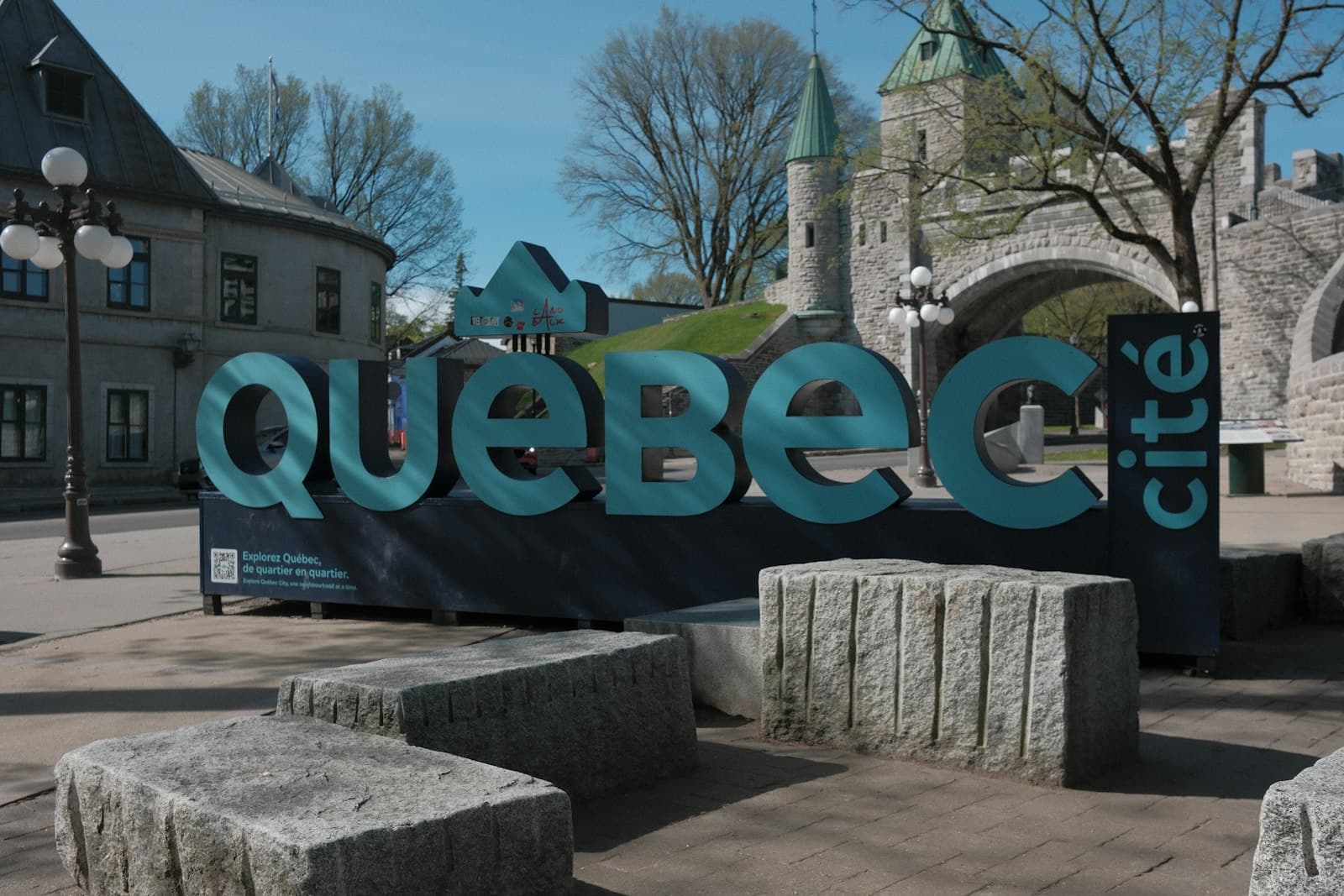
Old Quebec keeps its history close to the surface. Cannonballs are still lodged in the walls near Porte Saint-Louis, and the fortifications that ring the upper town date to the 17th and 18th centuries, among the few intact city walls left standing north of Mexico. But the fuller story of French-Canadian life sits a short drive east, across a single bridge, on Île d'Orléans. Here the parish churches, cider houses, and sugar camps that shaped rural New France still function much as they did generations ago. Spend two or three unhurried days moving between the two and you get something richer than a photo of a castle hotel: a sense of how language, faith, and farming built this corner of Canada, and how stubbornly it has held onto all three.
Quebec City & Île d'Orléans Quick Facts
Sap Season or Cider Season: When Quebec's Two Quiet Windows Fall
Spring arrives on its own schedule here. By mid-March the maple sap starts to run on the Côte-de-Beaupré, just north of the island, and the cabanes à sucre open their doors for roughly six weeks, usually closing by late April or early May. This is the season to catch tire sur la neige, hot maple syrup poured onto packed snow and rolled onto a stick, a ritual that predates the province's tourism industry by at least two centuries. Streets in Old Quebec thin out after the winter carnival crowds leave in February, and by April the Plains of Abraham are green again while hotel rates in the Vieux-Port soften noticeably compared to summer.
If your calendar runs the other direction, late September into October is the island's other good window. The apple harvest at the cidreries peaks then, the Chemin Royal's sugar maples turn, and the ferry-sized tour buses that fill Petit-Champlain in July have mostly gone home. Either shoulder season buys you shorter lines at the Musée de la civilisation and a table without a reservation at most bistros, something summer rarely offers.
Cordelie travel advisors
Go with someone who knows
The right suite, the right season, the reservations that never appear online — your Cordelie advisor knows them, and holds them for you.
Plan with a Cordelie advisorFree to ask. Cordelie Travel Services · IATA/ARC 06649064
From Glassblowers to Cidermakers: The Threads Worth Following
Begin where the stonework is oldest. The ramparts walk from Porte Saint-Louis to Porte Saint-Jean covers about 4.6 kilometers total if you follow the full loop, though most visitors manage the most scenic third in under an hour. Below the walls, the Quartier Petit-Champlain is the place to watch craft actually happen rather than just be sold. At La Mailloche, glassblowers work a furnace just steps from Rue du Petit-Champlain, and you can usually watch a piece being shaped most afternoons without an appointment. Nearby ateliers sell hand-forged ironwork and birchbark art, trades that trace back to the artisan guilds of New France.
Cross the Pont de l'Île, built in 1935 and still the only road link to Île d'Orléans, and the texture changes within minutes. The island's six parishes, Sainte-Pétronille, Saint-Laurent-de-l'Île-d'Orléans, Saint-Jean, Saint-François, Sainte-Famille, and Saint-Pierre, each grew up around a stone church, and several are architecturally significant in their own right. Église Sainte-Famille, consecrated in 1749, is a twin-towered landmark and among the oldest parish churches still standing in the province. Église Saint-Pierre, completed around 1719, is often cited as one of the oldest rural churches still used for services in Canada. Both are usually open to visitors during the day in the warmer months, though hours shrink outside summer, so a quick check locally before driving across the island is worth the five minutes.
The island's cideries carry the agricultural side of this history. Cidrerie Verger Bilodeau in Saint-Pierre has been pressing apples into cidre de glace, Quebec's ice cider, for decades, and tastings run informally through most of the day; expect to pay roughly CAD 10-18 for a flight of three or four pours. Cassis Monna et filles, also in Saint-Pierre, works black currants into liqueurs and preserves using methods the family has refined since the 1990s. For the sap-season half of the story, Cabane à Sucre Lapierre sits about 20-25 minutes north of the island bridge in Saint-Ferréol-les-Neiges, on the Côte-de-Beaupré, and pairs naturally with a visit to the island if your dates land in spring.
None of this would mean much without the language and song that carried it forward. Quebec French retains a distinct cadence, with words and expressions, collectively called joual in its most informal form, that diverge from the French spoken in Paris. The chanson tradition that put that dialect into music has deep island roots: Félix Leclerc, often considered the father of modern Quebec song, lived in Saint-Pierre until his death in 1988, and Espace Félix-Leclerc, a small museum and theatre there, keeps his recordings and manuscripts on display. Catching a chansonnier set at a boîte à chanson in Old Quebec, several operate casually along Rue Saint-Jean most weekend evenings, closes the loop between the island's past and the city's present.
Scenes from Old Quebec and Île d'Orléans
A Castle Hotel, a Converted Presbytery: Where to Base Yourself
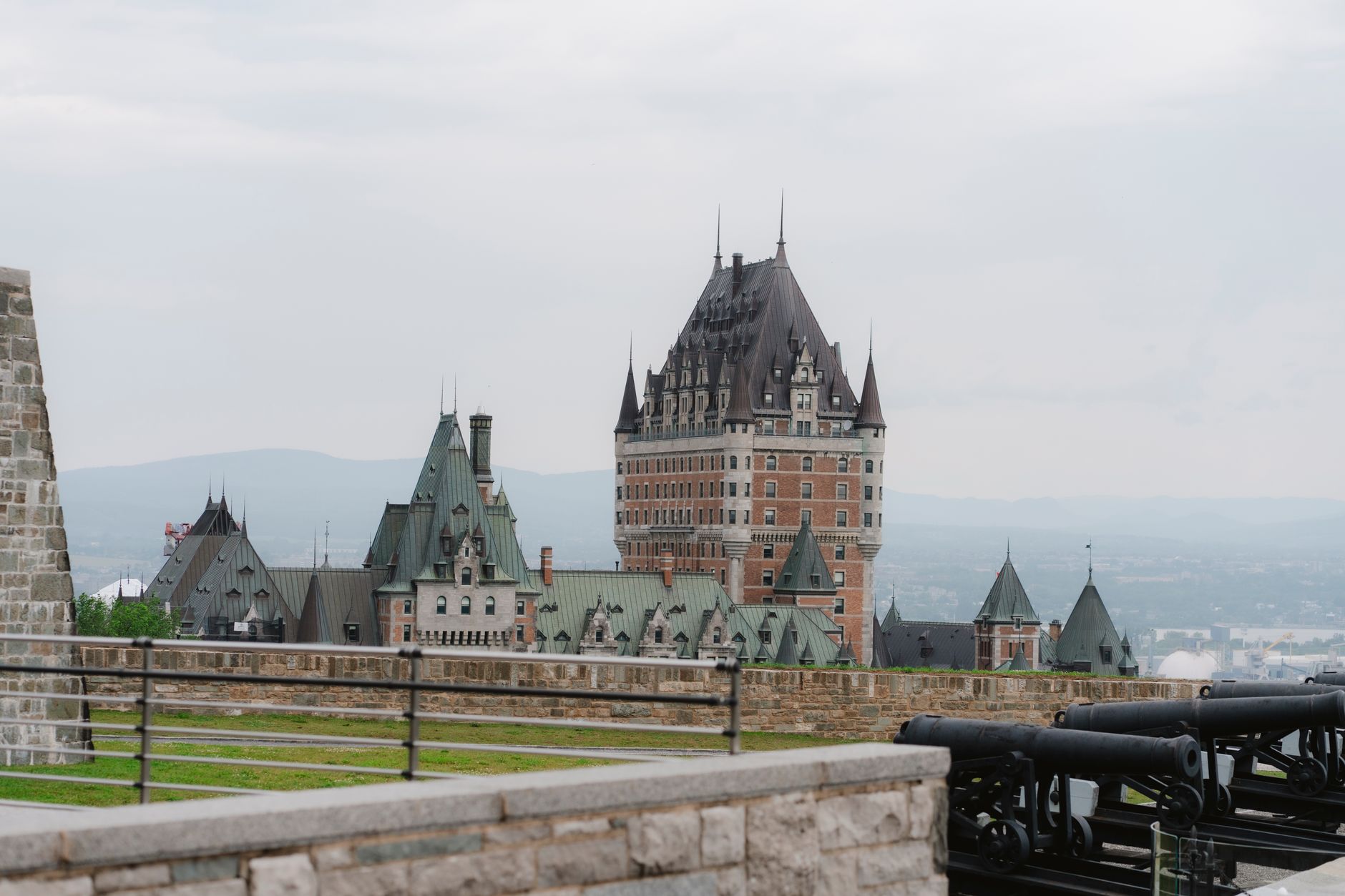
Staying inside the walls of Old Quebec means everything described above is within a 15-minute walk. Fairmont Le Château Frontenac remains the obvious landmark choice, its turreted silhouette visible from most of the lower town; rooms with river views command a real premium over courtyard-facing ones. Auberge Saint-Antoine, in the Vieux-Port, built partly over an archaeological site, displays artifacts found during its own excavation in glass cases set into the walls, and its restaurant, Chez Muffy, is worth booking even if you stay elsewhere. For a smaller footprint, Hôtel Le Priori occupies a 17th-century building a few blocks from the port and runs noticeably cheaper than the big names on the same cobblestones.
Staying on the island instead trades convenience for atmosphere, and for anyone with more than a single day to spend, it is worth considering. Auberge La Goéliche sits at the western tip in Sainte-Pétronille with unobstructed views back toward the city skyline and Montmorency Falls across the water. Le Vieux-Presbytère de Saint-Pierre occupies a former rectory beside the parish church, with rooms that still carry the low ceilings and thick stone walls of the original 17th-century structure. Either puts you a five-minute drive from the cidreries and churches rather than a 25-minute round trip from the city each time.
Tourtière, Ice Cider, and the Table as a Cultural Document
Food here tells the same story the architecture does, just with fewer words. Tourtière, a spiced meat pie traditionally eaten around the winter holidays but served year-round in bistros, descends directly from the provisioning habits of New France's rural parishes. Poutine, inevitably, shows up everywhere, but the better versions in Old Quebec, at places like Le Chic Shack near Terrasse Dufferin, use fresh curd that squeaks rather than the rubbery kind. On the island, Fromagerie Île d'Orléans in Sainte-Famille produces Le Paillasson, a flattened cheese grilled or pan-fried, that connects to cheesemaking traditions local families trace back generations.
Ice cider deserves particular attention if you've never had it. Made by fermenting juice pressed from apples that have frozen on the tree or been concentrated by cold, it runs sweeter and more concentrated than standard cider, usually 9-13% alcohol, and is typically served chilled in small pours as an aperitif or paired with foie gras. Dinner reservations in Old Quebec during peak summer evenings can mean a wait past 20:00 without booking ahead; shoulder season loosens that considerably, and a table at Le Clocher Penché or Chez Boulay, both known for reworking Quebecois staples with contemporary technique, is far easier to land in April or October than in July.
“Mon pays, ce n'est pas un pays, c'est l'hiver.”
One Bridge, One Loop Road: Navigating City and Island
Old Quebec itself rewards walking and nothing else; much of the upper town is pedestrianized cobblestone unsuited to cars, and the funicular linking Terrasse Dufferin to Petit-Champlain costs a few Canadian dollars one way if you'd rather skip the stairs. Getting to Île d'Orléans requires a car, taxi, or guided tour, since there's no public transit across the Pont de l'Île. Once over the bridge, the Chemin Royal loops the island's perimeter for roughly 67 kilometers; driving it with stops at two or three churches, a cidrerie, and a lookout point typically takes four to five hours at an unhurried pace, longer if you linger at every gallery along the way.
Renting a car in Quebec City for just the island day, rather than for the whole trip, is a reasonable middle path if you're otherwise walking everywhere; rental counters near the Gare du Palais and at the airport both handle short one- or two-day rentals. A guided half-day or full-day tour is the simpler option if you'd rather not navigate French-only road signage, and most depart directly from hotels in the Vieux-Port.
Three Days, Two Worlds: A Pacing Guide for Walls and Orchards
Walking the Walls and the Workshops of Petit-Champlain
Start at Porte Saint-Louis around 09:00, before the day-trip crowds arrive, and walk the ramparts east toward the Citadelle, Canada's largest fortified structure still in active military use. Drop into Terrasse Dufferin for the river view, then take the funicular, or the stairs if you'd rather save the small fare, down to Petit-Champlain.
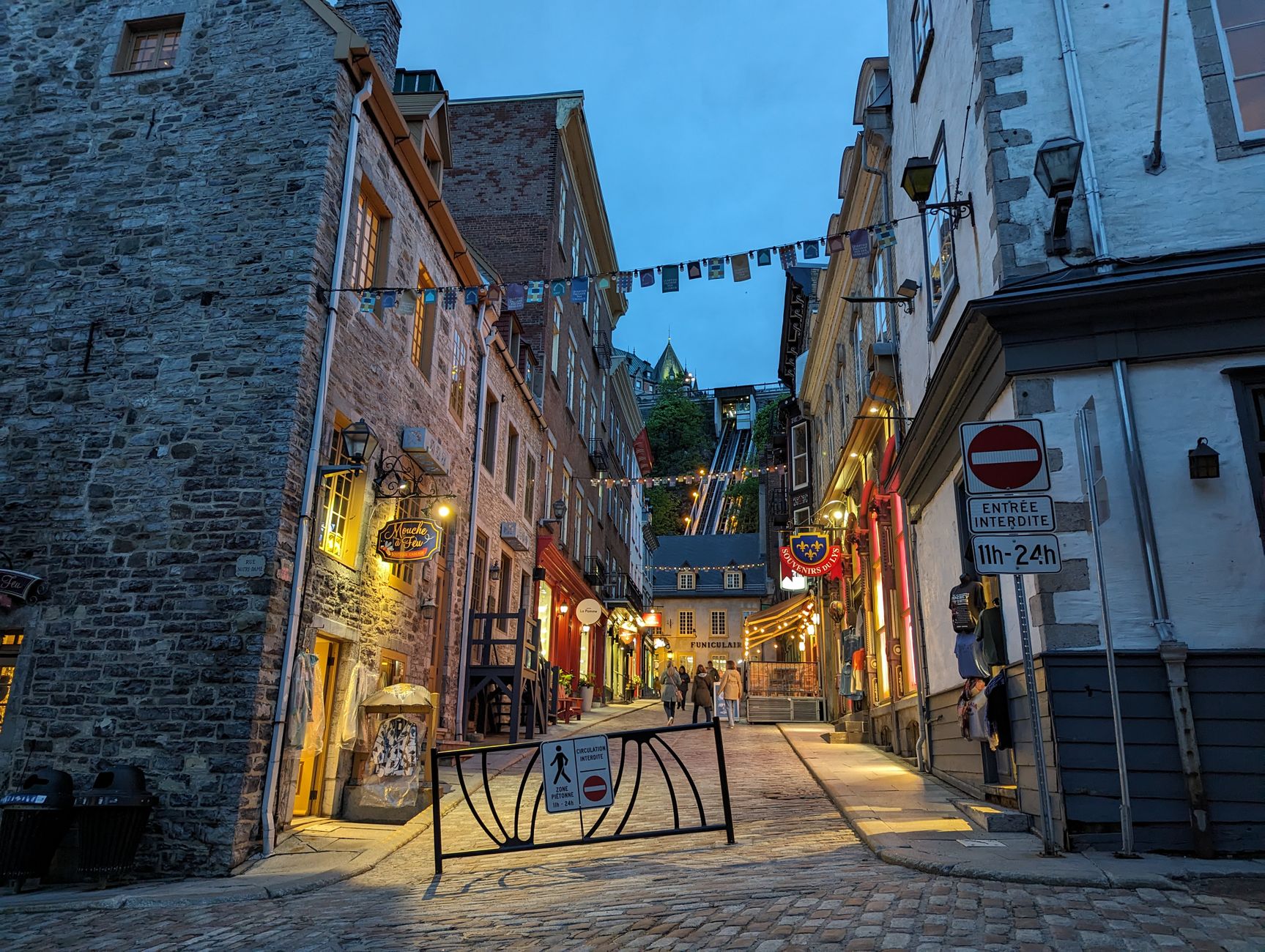
Spend the late morning watching the glassblowers at La Mailloche and browsing the leather and birchbark shops along Rue du Petit-Champlain. Lunch at Le Lapin Sauté, a rustic bistro leaning on rabbit and duck dishes, sits right in the quarter.
In the afternoon, the Musée de la civilisation covers Quebec's social history in depth and is an easy 20-minute walk from the port. Close the day with dinner at Chez Boulay, which reworks boreal-forest ingredients, maple, game, foraged herbs, into a modern Quebecois menu.
Across the Bridge: Churches, Cider, and a Singer's House
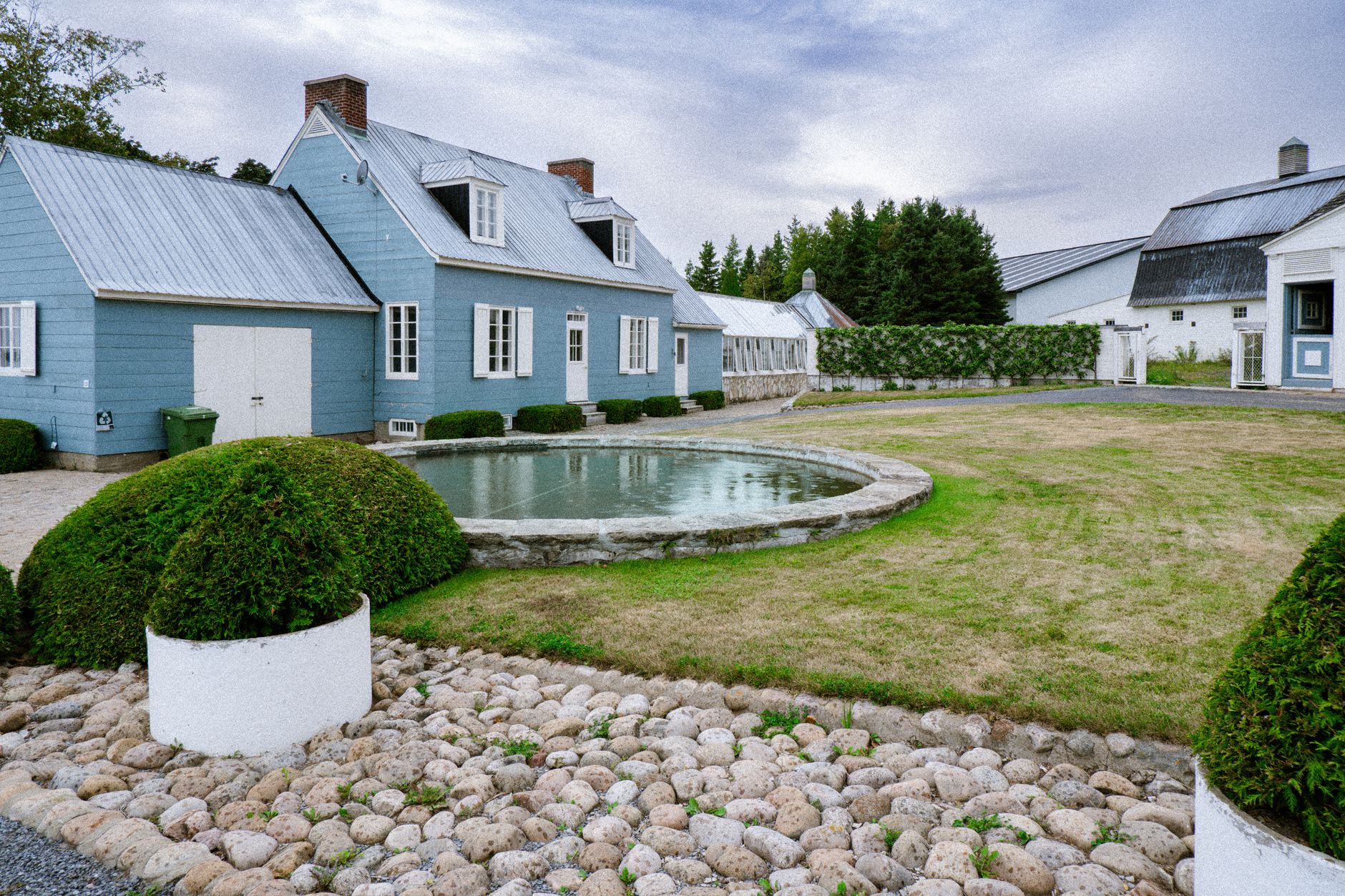
Cross the Pont de l'Île by mid-morning and head first to Sainte-Pétronille for the island's best skyline view back toward the city. Continue to Saint-Jean to see the captains' houses, built by 19th-century river pilots, before stopping in Saint-Pierre.
Tour Cidrerie Verger Bilodeau for a tasting, roughly CAD 10-18 for a flight, then walk next door to Église Saint-Pierre, one of the oldest rural churches still in use in Canada. Espace Félix-Leclerc, a short walk away, holds the singer's manuscripts and instruments and runs small exhibitions most of the year.
Finish at the lookout tower in Saint-François on the island's eastern tip, with the St. Lawrence widening ahead of you, before driving back for a late dinner in the Vieux-Port.
The Côte-de-Beaupré Coda: Falls, Basilica, and Sugar Shack
If your dates fall in sap season, roughly mid-March through late April, devote the morning to Cabane à Sucre Lapierre in Saint-Ferréol-les-Neiges, about 25 minutes north of the island bridge, for a traditional sugar-shack lunch and tire sur la neige.
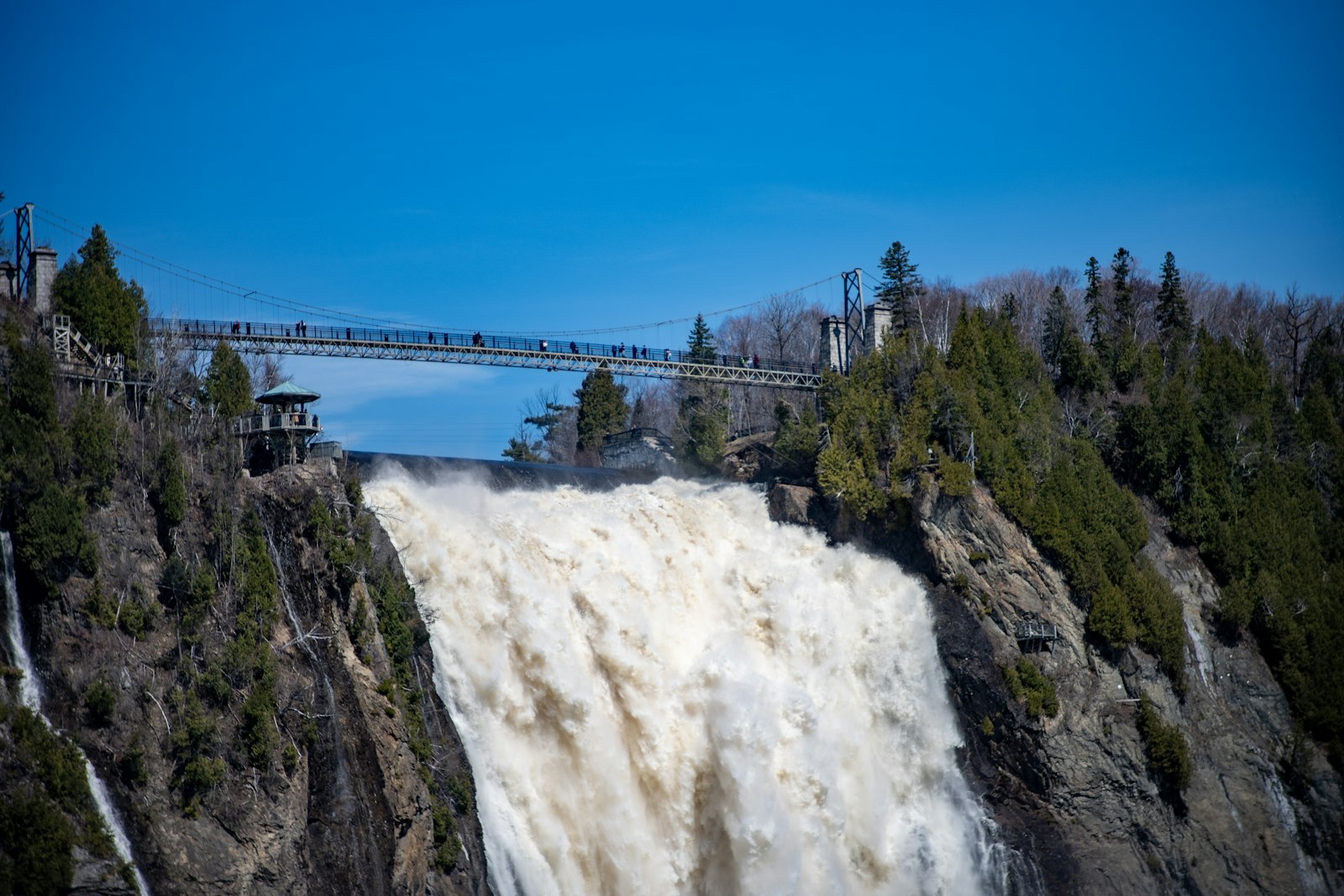
On the way back, stop at Montmorency Falls, taller than Niagara though far narrower, where a cable car and suspension bridge let you see the full 83-meter drop; the gondola fare runs roughly CAD 15-20 round trip.
Spend the afternoon back in Old Quebec at your own pace, revisiting Petit-Champlain or browsing Rue Saint-Jean's bookshops and boutiques, and save the evening for a boîte à chanson set if one's running that night.
Timing a visit around cabane à sucre season, or landing a private tasting at a cidrerie that doesn't normally take walk-ins, is the kind of detail that rewards a bit of local knowledge.
A Cordelie travel advisor can build a stay that pairs a room at Auberge Saint-Antoine or Auberge La Goéliche with a private island crossing, a reserved table at Chez Muffy, and a route across the Chemin Royal timed to the light and the season you're traveling in.
Quebec City & Île d'Orléans At a Glance
A compact, deeply layered pairing of fortified city and farmland island, best given at least three unhurried days.
Old Quebec delivers the architecture and artisan culture in a walkable half-day; the island delivers the agricultural and musical roots that explain where that culture came from.
Go in April-May for sugar shack season or late September-October for cider harvest and foliage, and rent a car or book a guided tour for the single day you'll spend crossing the Pont de l'Île.

Alex Moreau writes about going slowly. Nine years of reporting from trains, river boats and towns nobody has a hashtag for, mostly across Europe and North Africa. They live in Lisbon, keep a running list of the continent's best two-hour lunches, and believe most itineraries would improve if you deleted a city.