
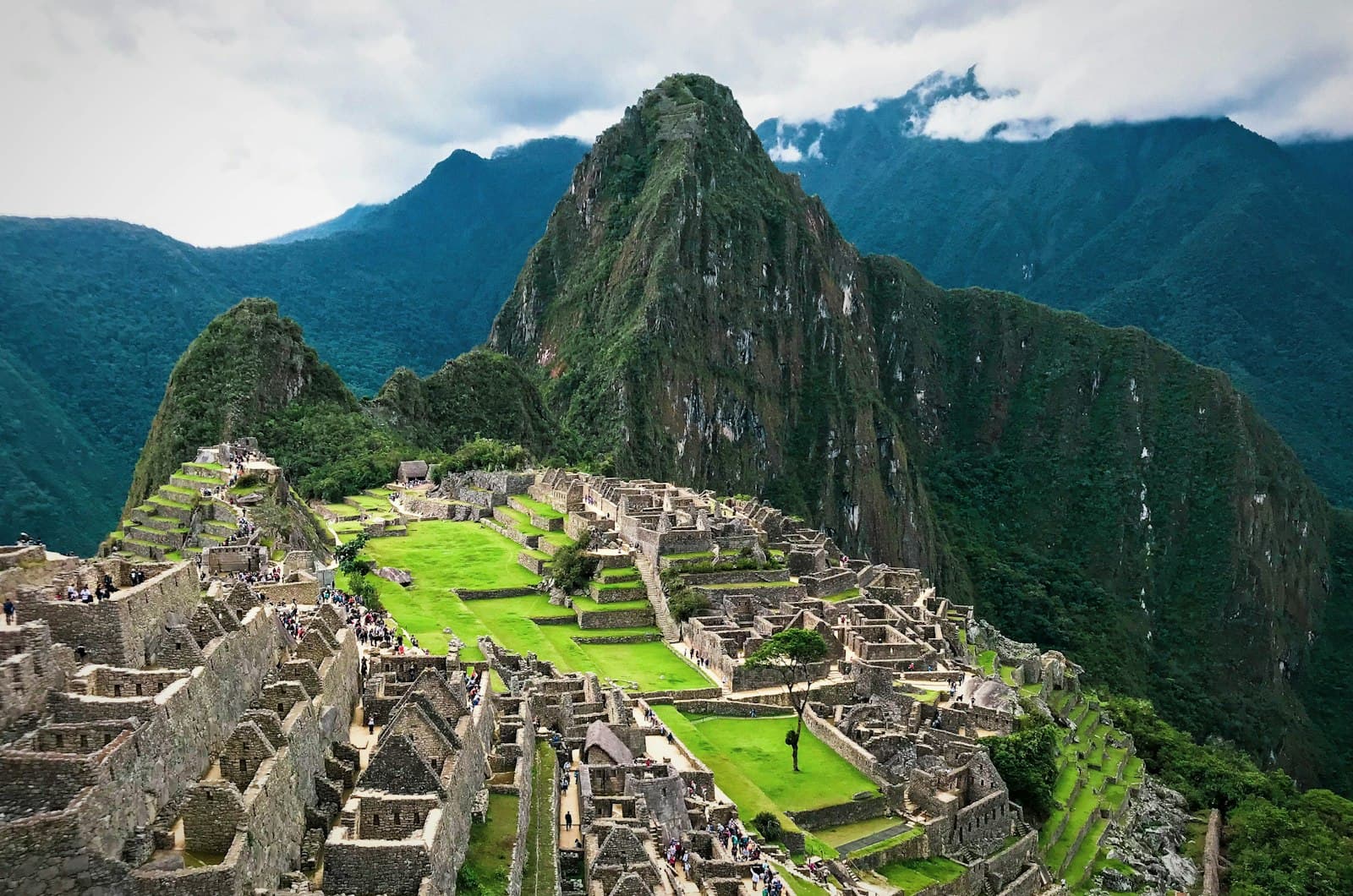
Beyond the Postcard: Tracing the Inca Empire from the Sacred Valley to Machu Picchu

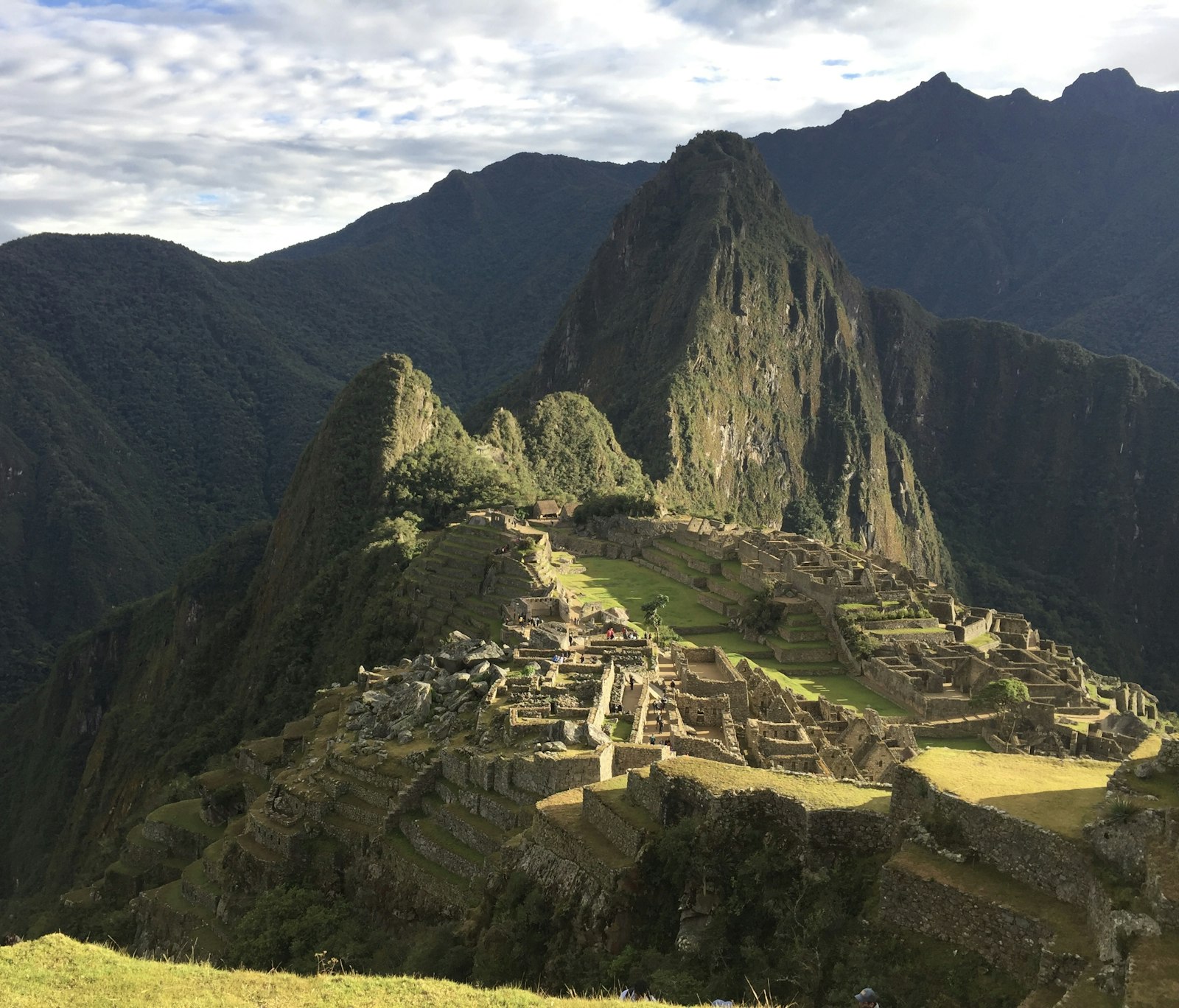
Where Stone Remembers: Why the Sacred Valley Rewards Those Who Look Beyond Machu Picchu
Long before a single stone was laid at Machu Picchu, the Sapa Inca Pachacuti was already reshaping the Urubamba River valley into a stage for empire. Walk the terraces at Pisac at 7am, when the mist is still lifting off the river below, and you can feel the engineering ambition that let a highland people control an empire stretching from Colombia to Chile within roughly a century. Machu Picchu is the postcard, and it earns the reputation. But it is the final chapter in a story that starts an hour's drive away, in fields the Inca shaped for grain, salt, and ceremony.
This is a region where the past is not behind glass. Quechua-speaking farmers still work terraces their ancestors cut into the hillsides some five to six centuries ago, and the irrigation channels at Moray still carry water exactly as they were designed to. Visiting in spring by the Northern calendar means catching the valley in its own autumn hush, between the heavy rains and the June crowds, when the agricultural terraces are still green and the light over Ollantaytambo turns gold by late afternoon.
Sacred Valley & Machu Picchu Quick Facts
Andean Autumn, Traveler's Spring: Reading the Valley's April-May Shift
Here is the twist a lot of planners miss: when it is spring in New York or London, the Sacred Valley is sliding into its own autumn. The wet season that soaks the Andes from December through March is winding down, so by April the trails are drying out, the terraces at Pisac and Moray are still flush with green from the rains, and the crowds that pack Machu Picchu in June, July and August have not yet arrived.
Daytime temperatures in the valley sit comfortably around 18-22°C (64-72°F), though Cusco's higher altitude keeps mornings crisp and nights near freezing at times, so pack layers rather than trusting the midday sun. May also brings Qoyllur Rit'i, a Quechua pilgrimage to the glacier shrine above Mahuayani that predates and blends with Catholic feast traditions; it is a moving date tied to the lunar calendar, usually falling in late May or early June, and worth checking against your travel dates if you want to witness it respectfully from a distance rather than intrude on it.
Cordelie travel advisors
Go with someone who knows
The right suite, the right season, the reservations that never appear online — your Cordelie advisor knows them, and holds them for you.
Plan with a Cordelie advisorFree to ask. Cordelie Travel Services · IATA/ARC 06649064
Terraces, Salt Pans, and a Living Inca Town: The Valley's Essential Stops Before the Citadel
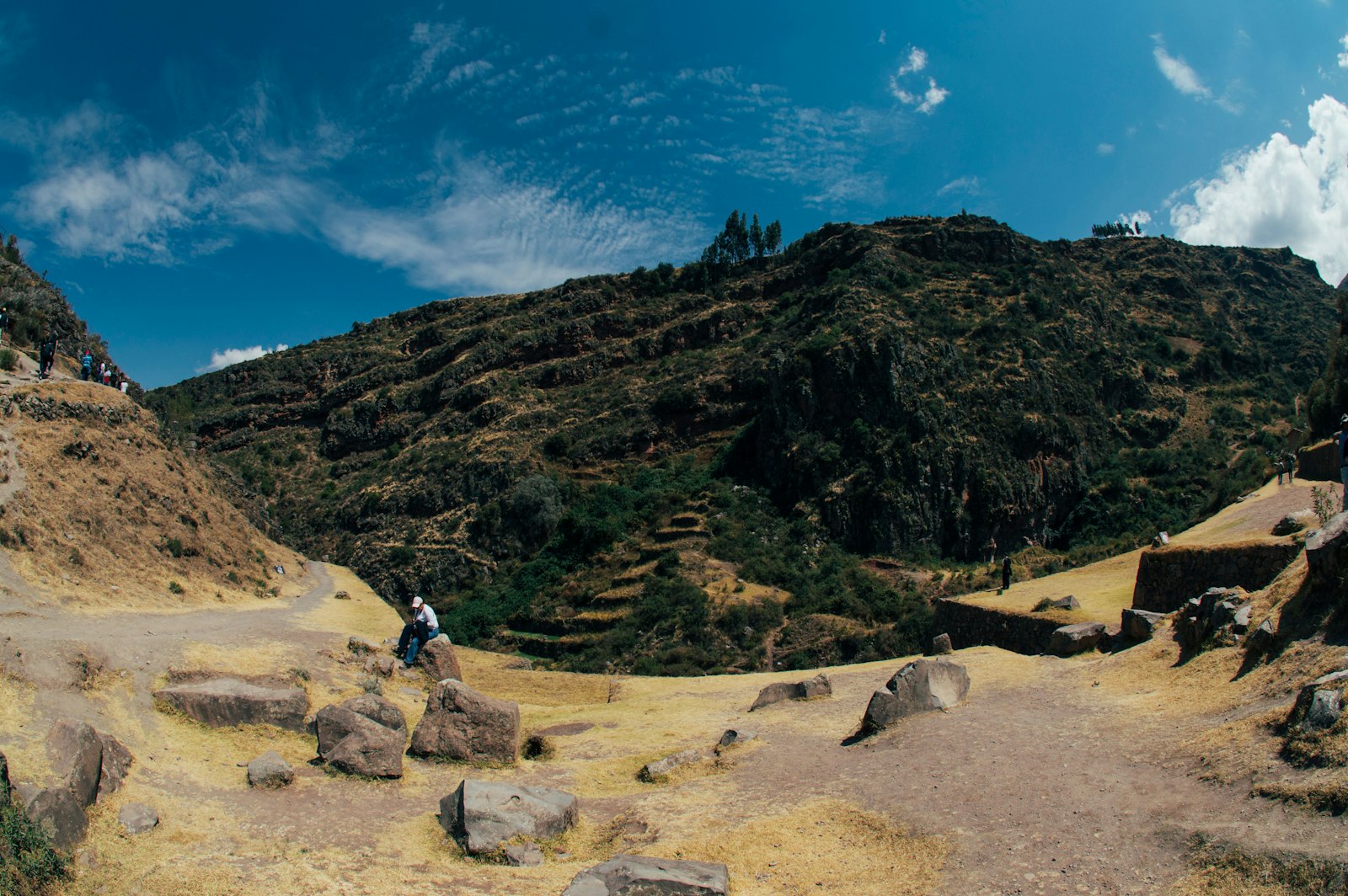
Pisac, 33km northeast of Cusco, is where the chronology of empire really starts to make sense. Pachacuti's engineers carved agricultural terraces into the mountainside above the modern town, stepping them so steeply that the hike up from the market takes a solid 45-60 minutes; a hired taxi can drop you at the top entrance instead if you want the ruins without the climb. The Sunday, Tuesday and Thursday market in the plaza below sells textiles and silver alongside produce, and it is one of the few markets in the valley where locals still outnumber tour buses.
From Pisac, the valley floor leads to Moray, a set of concentric circular terraces sunk into a natural depression that many archaeologists believe functioned as an agricultural laboratory, testing crops across a temperature gradient between the warmer basin floor and the cooler rim some 30m above. A short drive away, the Salineras de Maras cascade down a hillside in thousands of small, individually tended salt pools, fed by a subterranean saline spring that locals have worked since well before the Inca arrived and still harvest by hand today.
Ollantaytambo is the one site where chronology and daily life genuinely overlap: this is a functioning Inca town, its narrow stone-walled lanes and water channels still in use by residents, with a dramatic ceremonial fortress climbing the hillside above the main plaza. Climbing it means around 200 stone steps in roughly 20-30 minutes, past the unfinished Temple of the Sun and quarry blocks abandoned mid-transport, a reminder that this was a worksite interrupted by the Spanish arrival in 1532 rather than a finished monument. A guide here earns their fee; the terracing, the astronomical alignments at the solstice window, and the resistance Manco Inca mounted against Spanish forces from this exact fortress in 1536 are easy to miss without someone narrating them.
Sacred Valley Sites Worth the Detour
From Hacienda Courtyards to Cloud-Forest Lodges: Sleeping Inside the Story
Staying in the Sacred Valley itself rather than only Cusco is the single easiest way to deepen a trip, and it buys you lower altitude for easier acclimatization. Explora Valle Sagrado near Urubamba and Sol y Luna, just outside the same town, both set private casitas among gardens with views toward the Chicón glacier, and both run their own guided excursions to lesser-visited ruins. The Aranwa Sacred Valley Hotel, built around a converted hacienda near Yucay, keeps colonial architecture alongside spa facilities, a comfortable landing point after a day of climbing terraces.
In Ollantaytambo itself, the Pakaritampu Hotel sits a short walk from the fortress and the train station, useful if you want to catch an early morning departure to Aguas Calientes without a transfer. In Cusco, the Belmond Hotel Monasterio occupies a restored 16th-century monastery a few blocks from the Plaza de Armas, while Inkaterra La Casona offers a smaller, quieter courtyard property in San Blas. Down in Aguas Calientes, the Inkaterra Machu Picchu Pueblo Hotel spreads bungalows through cloud-forest gardens along the Urubamba, and the Sumaq Machu Picchu Hotel gives easier access to the shuttle buses that climb to the citadel each morning.
Cuy, Coca Leaves, and Quechua Weaving: Tasting and Honoring the Andes
Andean cooking in the valley runs on altitude and tradition. Cuy (guinea pig), roasted whole and crisped over coals, is a special-occasion dish worth trying at least once; chicharrón and rocoto relleno show up on most set lunch menus in Pisac and Urubamba. Quinoa soup and pachamanca, meat and vegetables cooked underground over heated stones, both trace back to pre-Inca Andean farming traditions that the empire absorbed rather than replaced. In Cusco, MAP Café inside the Museo de Arte Precolombino and Chicha, chef Gastón Acurio's Cusco outpost, both reinterpret these ingredients with a lighter, contemporary hand, while Pachapapa in San Blas keeps things closer to the traditional wood-fired oven version.
Coca tea is offered almost everywhere as a mild remedy for altitude discomfort, and chewing the leaves themselves, often with a pinch of ash activator called llipta, is a genuinely useful local practice rather than a tourist novelty; it is legal and common throughout the highlands, though it will not pass through customs if you try to bring leaves home. In weaving villages like Chinchero, cooperatives run by local women demonstrate natural dyeing with cochineal insects and plants before selling textiles directly, and a short visit here supports the same community whose ancestors wove for the Inca court. If you see a despacho, a small ceremonial offering of coca leaves, seeds and sweets bundled for Pachamama, treat it as a living ritual rather than a photo opportunity.
“The stones don't need you to understand them. But if you listen to the water channels before you look at the walls, you start to see why this valley fed an empire.”
Rail, Ridge, or Royal Road: Choosing How You Reach the Citadel
There are two honest ways to get from the Sacred Valley to Machu Picchu, and the right choice depends on how much of the walking you want to do yourself. PeruRail and IncaRail both run trains to Aguas Calientes (also called Machu Picchu Pueblo) from Ollantaytambo station, a journey of roughly 1.5-2 hours along the Urubamba gorge, with fares running from around USD 70-130 for standard Expedition or Voyager class up to USD 300 or more for the Hiram Bingham luxury service with onboard dining. Trains from Poroy, just outside Cusco, take roughly two hours longer than the Ollantaytambo–Machu Picchu train segment and generally cost more than departures from Ollantaytambo.
The Classic Inca Trail covers roughly 43km over four days and three nights, climbing through cloud forest and over Dead Woman's Pass at around 4,215m before descending to the Sun Gate for a first glimpse of the citadel on foot, the way Hiram Bingham's porters would have approached in 1911. Permits are capped at approximately 500 people a day including guides and porters, and they sell out months in advance for the May-September dry season, so this route has to be booked through a licensed operator well ahead rather than arranged on arrival. Travelers who want a similar multi-day build-up without the permit scramble often choose the five-day Salkantay trek or the shorter Lares route, both guide-led and both ending with a train transfer into Aguas Calientes for the final approach.
A Three-Day Arc: From Royal Estate to Lost City
Chinchero, Moray, and the Salt Pans
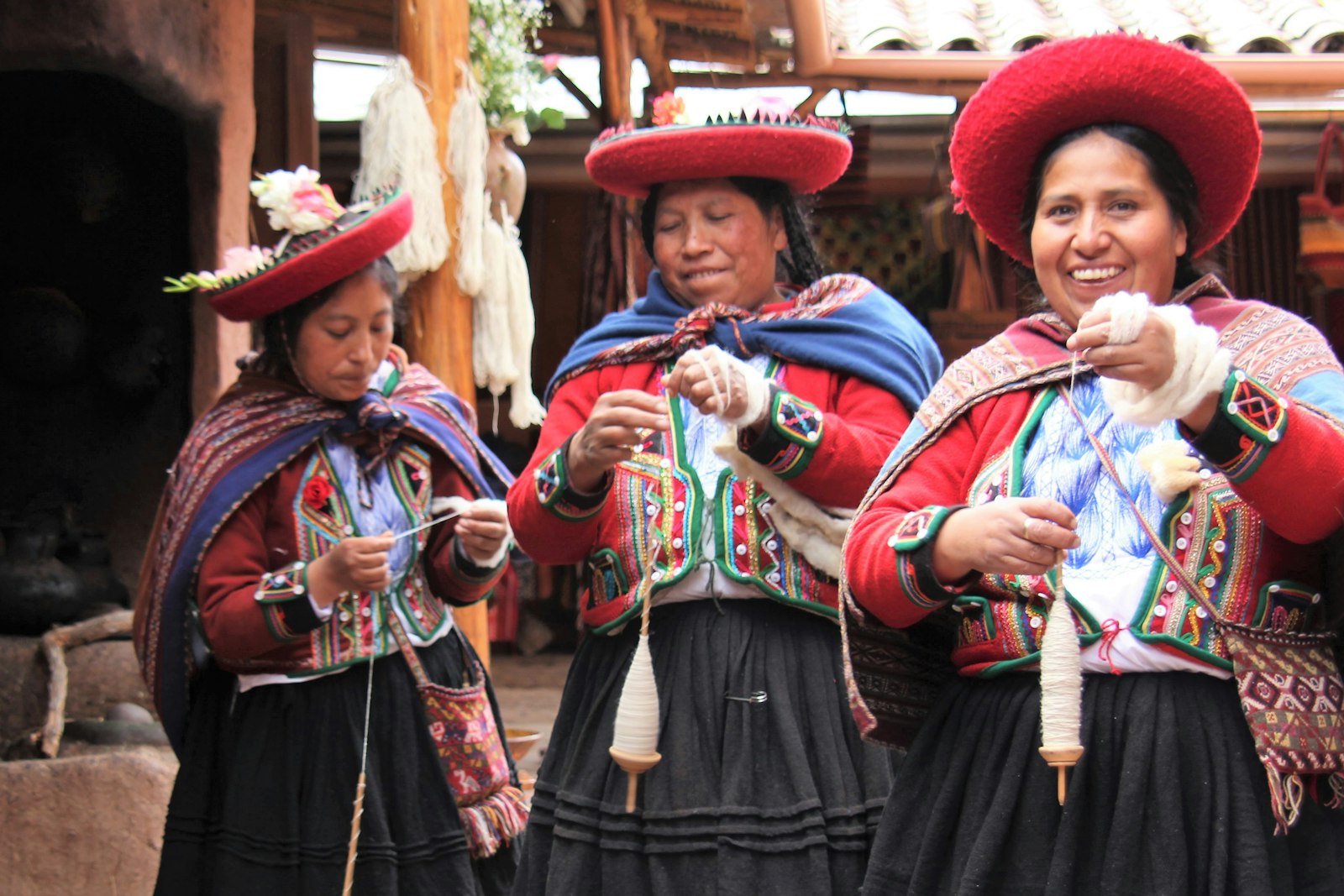
Leave Cusco by mid-morning once you've acclimatized for a day or two, heading first to Chinchero to watch a weaving demonstration and see the colonial church built over an Inca ceremonial site.
Continue to Moray's circular terraces, then down to the Salineras de Maras to walk among the salt pools before the afternoon light fades.
Settle into Urubamba or Ollantaytambo for the night, giving your body the lower altitude it needs after Cusco's thinner air.
Ollantaytambo's Living Fortress
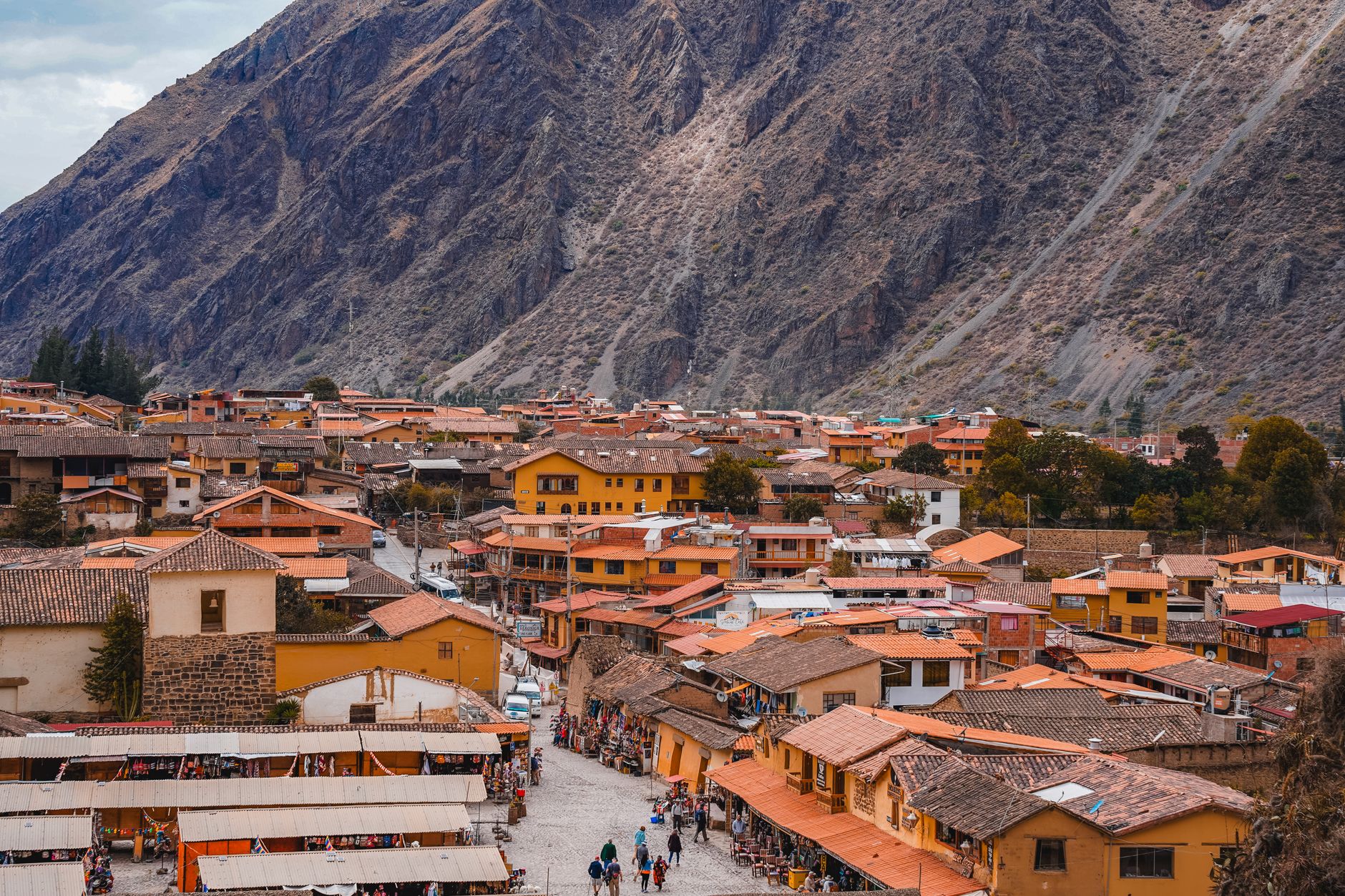
Spend the morning climbing the Ollantaytambo fortress before the midday tour groups arrive from Cusco, tracing the unfinished Temple of the Sun and the quarry blocks left mid-transport.
Wander the old town's original Inca canchas, the walled residential blocks still inhabited today, and have lunch at one of the small restaurants off the main plaza.
Board an afternoon train from Ollantaytambo station to Aguas Calientes, a 1.5-2 hour ride along the Urubamba, and overnight in town ahead of an early citadel entry.
Machu Picchu at First Light
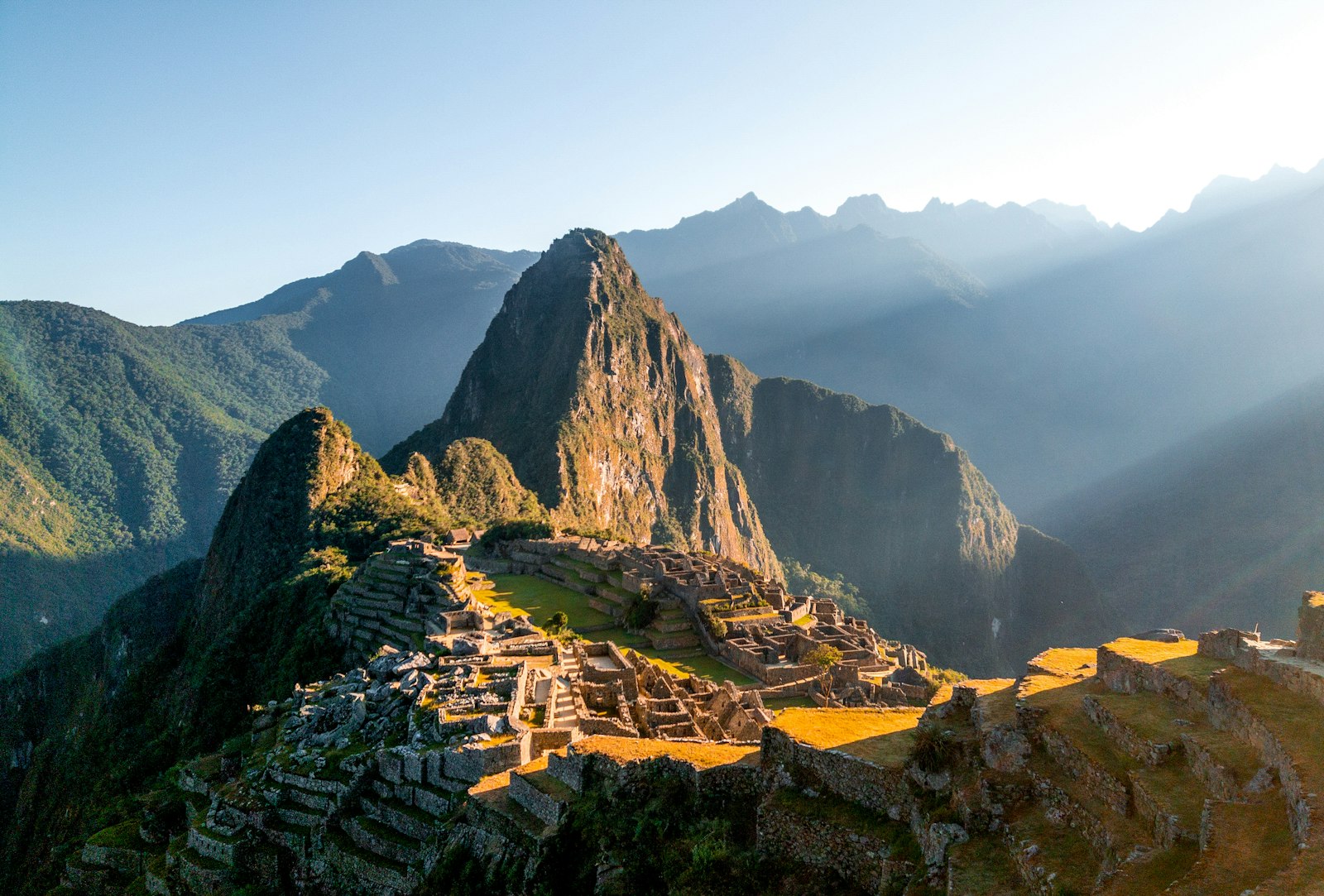
Catch one of the first shuttle buses up from Aguas Calientes, typically running from around 5:30am, to reach the citadel before the midday crowds thicken.
Walk the terraces, temples and residential sectors with a guide who can place the Intihuatana stone, the Temple of the Sun and the agricultural terracing within Pachacuti's original 15th-century design.
If you've secured a Huayna Picchu or Machu Picchu Mountain permit, which must be booked as a separate add-on well in advance, climb for the wider valley view before descending to catch an afternoon train back toward Ollantaytambo or Cusco.
A Cordelie advisor can secure what's hardest to arrange independently: Hiram Bingham train seats, early-entry Machu Picchu tickets, and the limited Huayna Picchu climbing permits that sell out months before the dry season begins.
They'll pair the right lodges in the valley with a pace that respects altitude, so your days build toward the citadel rather than racing it.
Sacred Valley & Machu Picchu At a Glance
A journey best taken slowly, where the Sacred Valley's terraces and the fortress town of Ollantaytambo give Machu Picchu's final reveal the full weight of five centuries of empire-building behind it.
Base yourself in the valley rather than only Cusco, travel by train for comfort or trek for immersion, and book permits and premium train classes months ahead for an April-May visit.
Hire a guide at Ollantaytambo and Machu Picchu itself; the chronology from Pachacuti's 15th-century expansion to the 1532 Spanish arrival is the thread that makes every terrace and temple make sense.
Last checked for accuracy: . How we check

Sarah Chen has covered Asia for twelve years, first as a wire reporter in Jakarta and now from Singapore, where she keeps a standing list of the region's most misunderstood destinations. She writes about the distance between what a place is famous for and what it is actually like to spend a week in — and is happiest on an overnight train with a bad seat and a good view.