
Beyond the Big Five: Inside South Africa's Most Exclusive Private Safari Lodges

Where Kruger's Wildest Corner Becomes Africa's Most Private Address
There is a moment, usually on the first evening drive, when the ranger cuts the engine and the bush goes quiet except for a francolin calling somewhere in the mopane scrub. That silence is the point. Sabi Sands Game Reserve, a roughly 65,000-hectare stretch of private land sharing an unfenced boundary with Kruger National Park, has spent decades cultivating something rarer than a lion sighting: exclusivity that never feels performative.
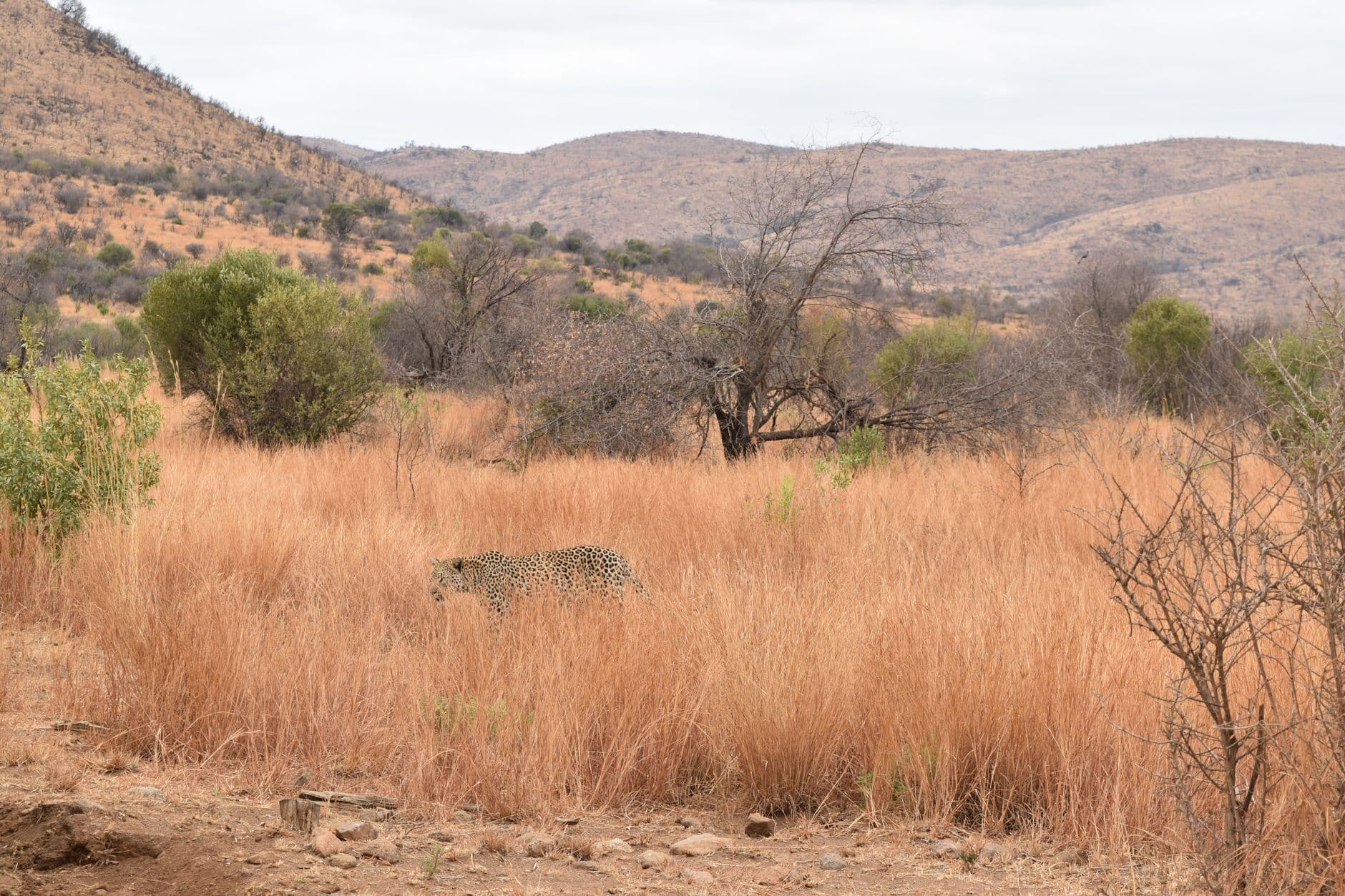
This is the corner of South Africa's Lowveld where leopard sightings are so consistent that guides speak of specific individuals by name, where a private vehicle means you and your party never share a sighting with a queue of other trucks, and where lodges like Singita, Londolozi, and &Beyond's Kirkman's Kamp have built reputations on conservation work that predates the word 'sustainability' as a marketing term. In winter, when the bush thins and animals crowd the last waterholes, the reserve shows its hand most fully.
Sabi Sands Quick Facts
Winter in Sabi Sands: Why June Through September Delivers the Sightings
South African winter runs opposite the northern calendar, and in Sabi Sands it is the single best reason to travel between June and September. Rainfall drops to almost nothing, the bush loses its summer cover, and animals abandon the wider reserve for the handful of rivers and pans still holding water. Sightings compress into predictable corridors, which is exactly what makes the Big Five so reliably visible here.
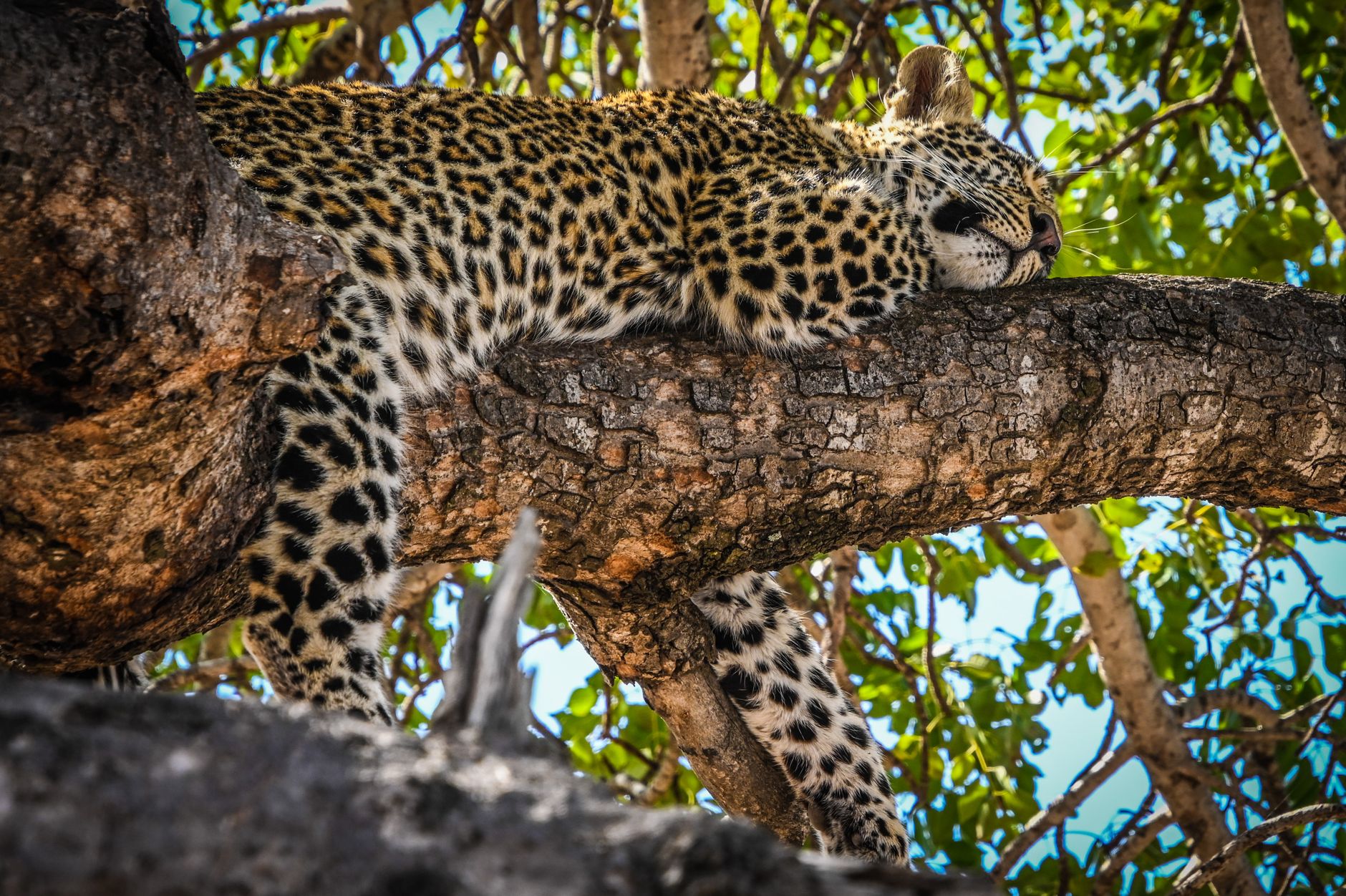
Days are crisp and clear, typically climbing to 22-26°C by early afternoon, while dawn drives start closer to freezing — most lodges hand out blankets, ponchos, and a hot rusk before the vehicle even leaves camp. By August, the riverine bush along the Sand and Sabie Rivers turns gold, and visibility through the mopane thickets opens up considerably, which is when leopard sightings in particular tend to peak.
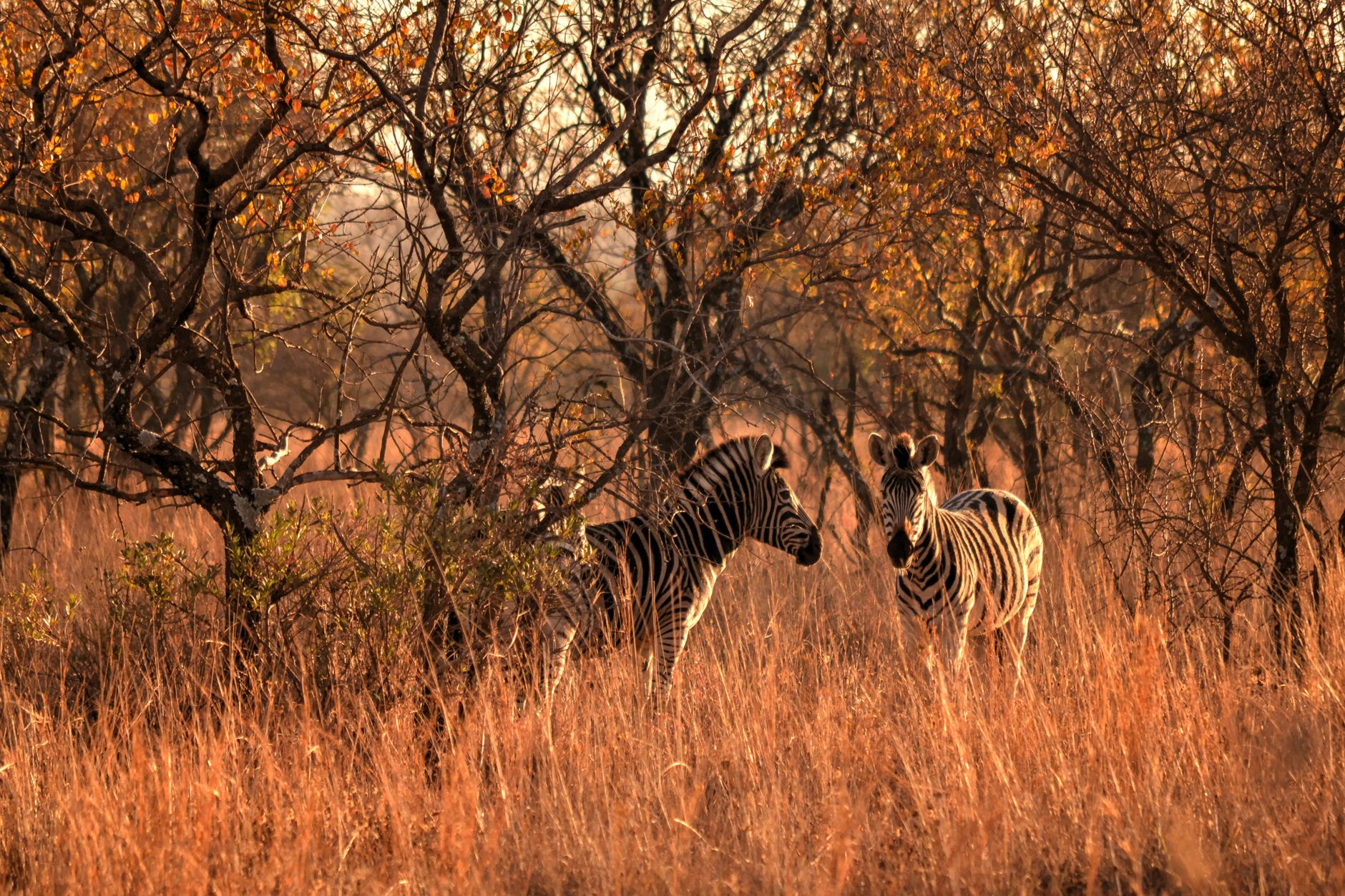
Shoulder months — May and September — split the difference nicely, with warmer days, thinner crowds at the handful of shared viewing points like river crossings, and rates that sit modestly below the June-to-August peak. Full summer (November through March) brings dramatic afternoon thunderstorms, impala lambs, and migrant birdlife, but taller grass makes cats harder to spot and malaria-prophylaxis considerations become more pressing.
Cordelie travel advisors
Planning Sabi Sands Game Reserve? Go with someone who knows
The right suite, the right season, the reservations that never appear online — your Cordelie advisor knows them, and holds them for you.
Plan with a Cordelie advisorFree to ask. Cordelie Travel Services · IATA/ARC 06649064
Tracking Leopards, Bush Dinners, and the Art of the Private Vehicle
The single biggest difference between a Sabi Sands safari and a self-drive day in Kruger next door is the vehicle arrangement. Every lodge here operates on a strict maximum of guests per open-sided Land Cruiser — typically six — paired with a dedicated ranger and tracker who often grew up in the surrounding villages and can read a leopard's pugmark down to the hour it was left. Several lodges, including Londolozi and Dulini, will arrange a fully private vehicle for a supplement, meaning your family or party never shares a sighting with strangers.
Off-road driving rights, granted only within each lodge's concession, are the other quiet advantage. Because Sabi Sands lodges own or lease their traversing areas outright, rangers can leave the sand tracks to follow a leopard through the bush rather than waiting for it to cross a road — something impossible in the adjoining national park. Ask any veteran guide and they'll tell you Sabi Sands earned its leopard reputation precisely because of this freedom to track off-road.
Beyond game drives, the experiences worth building a trip around include guided bush walks with an armed tracker, where the focus shifts from the Big Five to dung beetles, termite mounds, and the small dramas of the veld; sundowner stops on a riverbank with gin and tonics poured beside the Land Cruiser; and the bush dinner, a Sabi Sands institution where a table is laid under acacia trees lit by hurricane lamps, usually arranged with 24 hours' notice through your lodge host.
Scenes from the Reserve
Singita, Londolozi, and the Six Lodges Redefining Safari Luxury
Singita operates two properties in Sabi Sands — Boulders Lodge and Ebony Lodge — both set along the Sand River with a design language that leans architectural rather than rustic: glass, stone, and steel framing the bush instead of competing with it. Singita's conservation arm funds anti-poaching units and habitat research across its African portfolio, and suites here run from roughly $1,800-$3,200 per person per night, all-inclusive, depending on season and suite category.
Londolozi, one of the founding properties of Sabi Sands and a longtime leader in leopard research, spreads across four intimate camps — Founders Camp, Pioneer Camp, Varty Camp, and the six-suite Tree Camp — each with its own personality but sharing the same tracking database built over more than five decades. Its Ranger Corps is genuinely trained through an internal school, and rates typically fall between $1,400 and $2,800 per person per night.
&Beyond's Kirkman's Kamp, a converted 1920s farmhouse on the Sand River, offers a slightly softer entry point into Sabi Sands luxury — think verandas and croquet lawns rather than glass walls — with rates generally in the $900-$1,600 per person per night band. Sabi Sabi's Earth Lodge, dug partly into a hillside and built from raw clay and timber, pushes the design conversation further still, while Leopard Hills and the fully electric-vehicle fleet at Cheetah Plains represent the reserve's newer, tech-forward wave of lodges, the latter notable for running silent game drives powered entirely by battery.
Nearly every property enforces a minimum stay of two nights, and three nights is the honest minimum for seeing the reserve properly rather than rushing between two drives. Advisors regularly bundle two or three Sabi Sands lodges into a single itinerary — a night or two at Londolozi followed by a switch to Singita Boulders, for instance — since each concession has slightly different terrain and each ranger team develops its own read on where the resident leopards are denning that season.
Braais, Boma Dinners, and the Shangaan Traditions Behind the Menu
Dining across Sabi Sands has moved well past the buffet-and-braai stereotype, though the braai itself — South Africa's ritual open-fire grill — still anchors at least one dinner per stay at most lodges. Expect boerewors sausage, wood-fired game meats like kudu or springbok when available, and pap (a maize porridge) served alongside, usually in a boma, an open-air circular enclosure lit by fire, where staff often close the evening with Shangaan songs.
Singita's kitchens run tasting menus built around seasonal Lowveld produce and a serious wine list drawn largely from the Cape's Stellenbosch and Franschhoek regions, while Londolozi's chefs work closely with rangers to time bush breakfasts and dinners around that day's sightings rather than a fixed schedule. Kirkman's Kamp leans into its farmhouse history with hearty, unfussy plates — think slow-roasted lamb and fresh-baked bread — served family-style on the veranda.
Most staff at these lodges are drawn from communities bordering the reserve, particularly the Shangaan-speaking villages near Hazyview and Bushbuckridge, and many lodges run community trusts funding local schools and clinics — worth asking about directly, since several offer optional visits or briefings on request rather than advertising them prominently.
“You don't find the leopard. You learn to read the ground until the leopard finds you a reason to stop looking.”
Getting to an Unfenced Reserve With No Public Roads
Sabi Sands has no public entry gate and no self-drive access — every visitor arrives through a lodge booking, which is part of what keeps traffic so low. Most travelers fly into Johannesburg's O.R. Tambo International Airport, then connect via a 45-60 minute flight on Federal Airlines or Airlink to Skukuza Airport, or to smaller private airstrips such as Londolozi's own strip, from which lodges arrange the final 5-20 minute road transfer.
An alternative is flying into Kruger Mpumalanga International Airport near Mbombela, then driving roughly 1-1.5 hours to the reserve's southern lodges — a cheaper but slower option, and one lodges will arrange as a private road transfer on request. Once inside Sabi Sands, all movement happens by lodge vehicle; there is no need, and generally no ability, to drive yourself between camps.
A Three-Night Sabi Sands Escape, Lodge by Lodge
Arrival at Londolozi and a First Winter Sunset Drive
Fly from Johannesburg to Londolozi's private airstrip, a flight of roughly 50 minutes, then transfer 10 minutes by road to Pioneer Camp or Tree Camp for a light lunch on arrival.
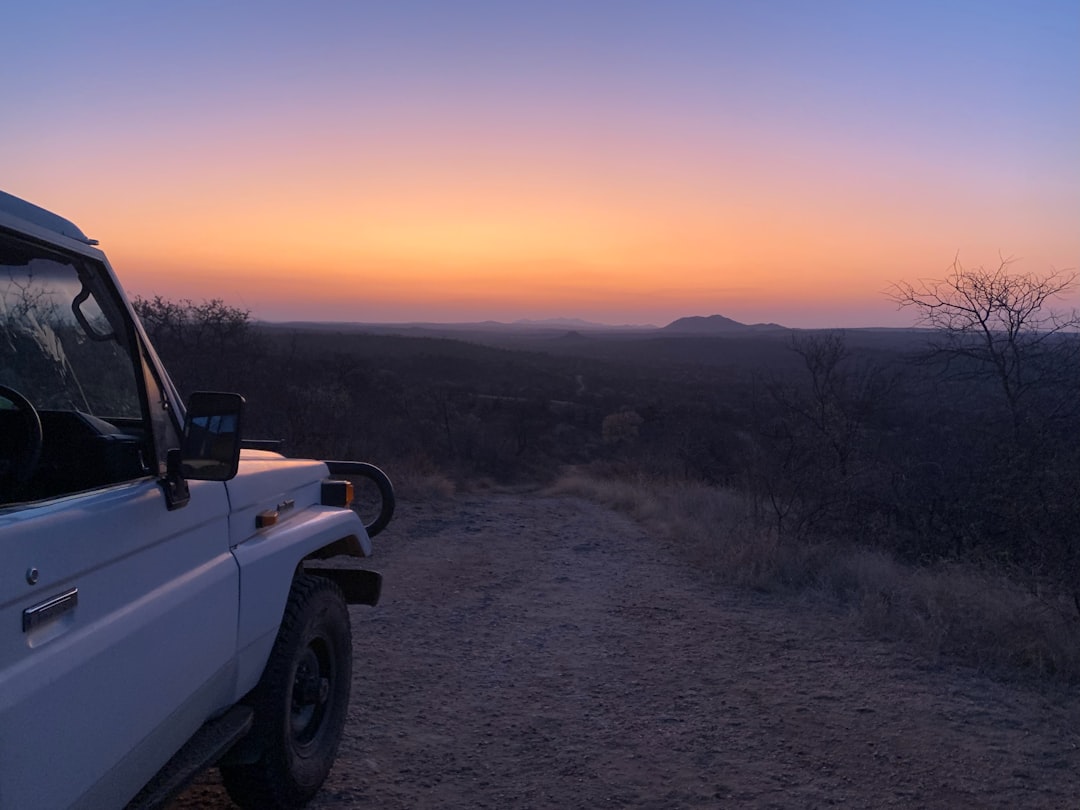
Rest through the heat of the afternoon before setting out around 15:30 on your first game drive, timed to end with sundowners at a riverbank lookout as temperatures drop toward the evening chill.
Return to camp for dinner in the boma, where Londolozi's ranger team typically reviews the day's tracking notes over the fire — a good moment to flag any specific wildlife priorities for tomorrow.
A Full Day Tracking Leopards and a Private Bush Breakfast
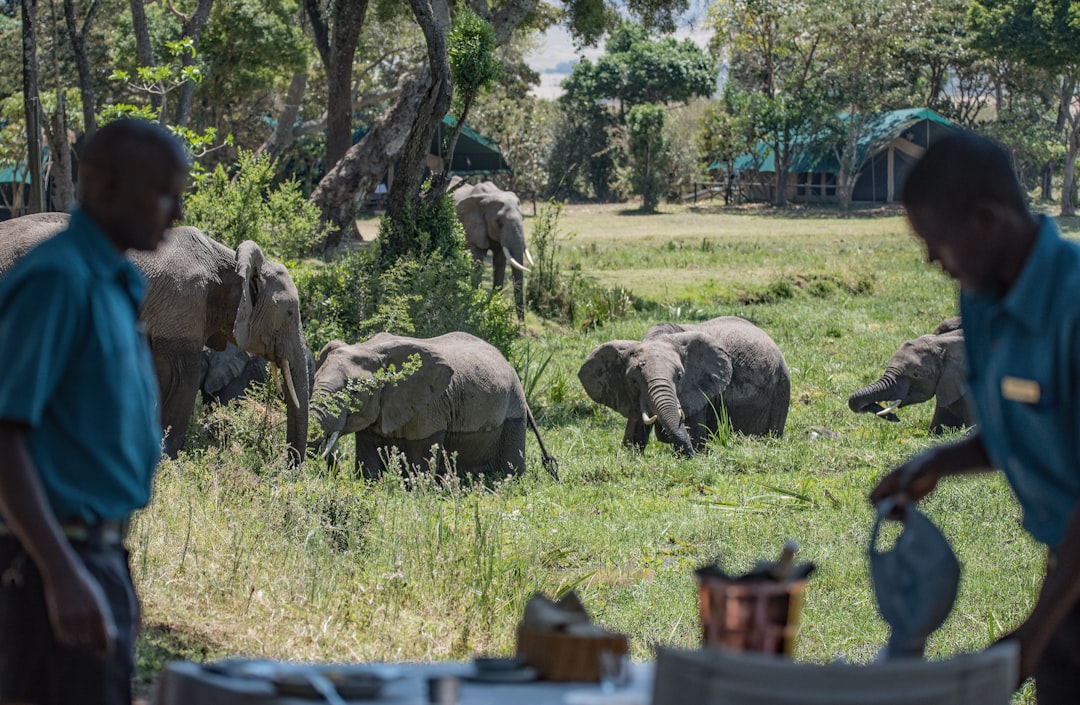
Depart before sunrise, around 06:00, for the coldest and most productive part of the winter day, when leopards are still moving before the heat pushes them into shade.
Stop mid-morning for a bush breakfast set up by the ranger team at a scenic spot chosen once the morning's sighting pattern becomes clear — coffee, rusks, and a hot plate served on a folding table under the trees.
Spend the afternoon on a guided walk with a tracker, focusing on smaller signs of the bush — spoor, dung, termite architecture — before an evening drive and a second night of dinner, this time plated on the lodge deck.
Transfer to Singita Boulders for a Change of Terrain
After a final Londolozi morning drive, transfer by road roughly 40-50 minutes to Singita Boulders Lodge, crossing into a different concession with its own resident leopard and lion prides.
Settle in over lunch on the Boulders deck overlooking the Sand River, then join the afternoon drive with a new ranger team briefed on your interests from the previous camp's notes.
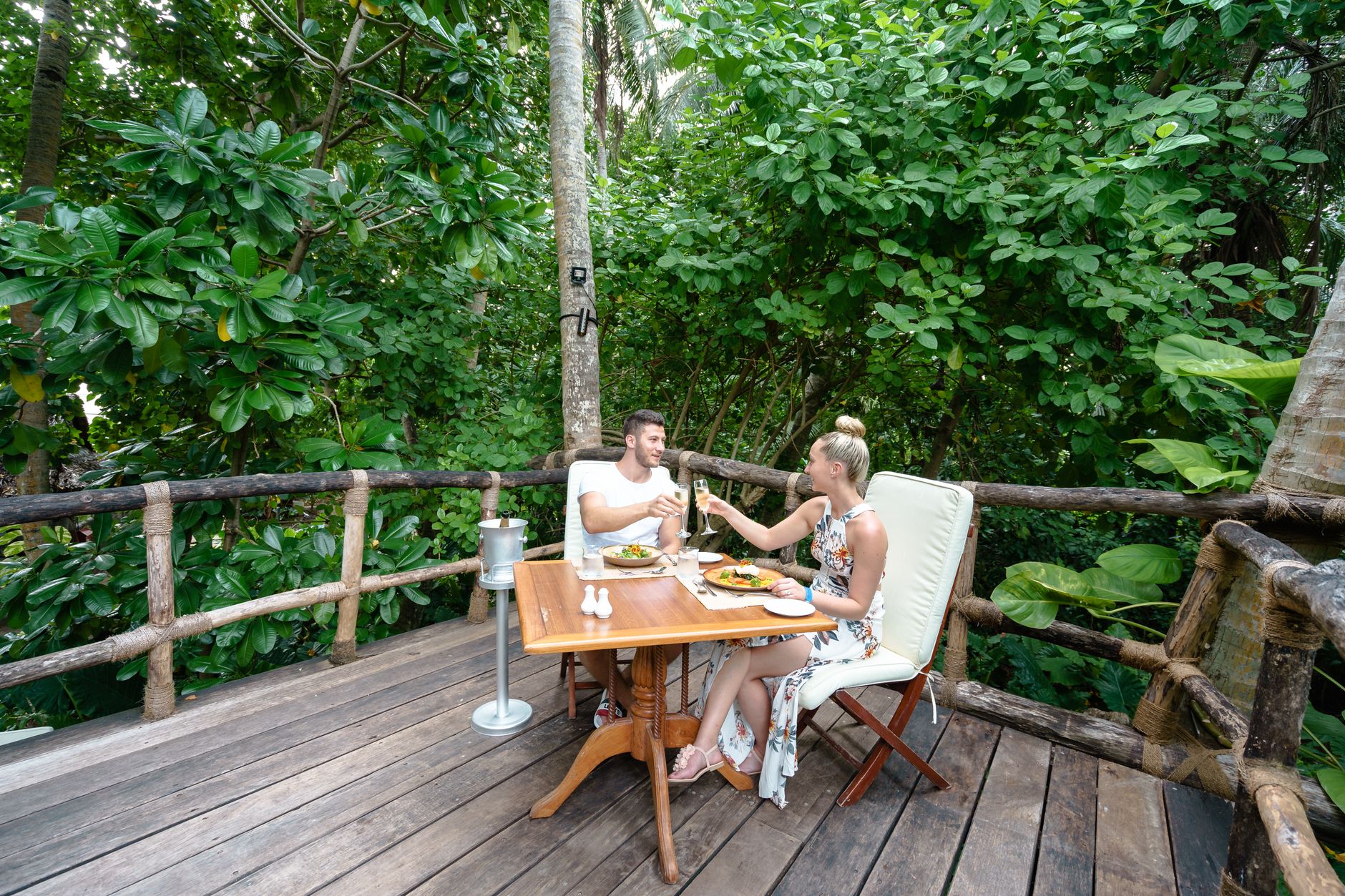
Close the stay with a private bush dinner arranged with 24 hours' notice — lanterns strung between acacia trees, a fixed menu built around seasonal Lowveld ingredients, and a final night under some of the clearest winter skies in the Lowveld.
Sabi Sands' best suites — Tree Camp's six rooms at Londolozi, or Ebony Lodge's riverfront units at Singita — book out months ahead for the June-to-September peak, and lodges rarely publish real-time availability publicly.
A Cordelie advisor can hold provisional space across two or three lodges while you decide, coordinate the light-aircraft transfers between properties so nothing gets missed, and negotiate suite upgrades or added nights that aren't offered through a standard online booking.
Get in touch through https://cordelie.com/contact to start mapping a multi-lodge Sabi Sands itinerary around this year's winter season.
Sabi Sands At a Glance
An unfenced private reserve where off-road tracking rights, low vehicle limits, and decades of conservation investment justify the price tag for travelers who want the Big Five without sharing the sighting.
Best for winter travel (May-September), when thin bush and dry waterholes concentrate wildlife along the Sand and Sabie Rivers.
Expect all-inclusive nightly rates from roughly $900 at Kirkman's Kamp to $3,200 at Singita's top suites, with a two-to-three night minimum stay standard across the reserve.
Best experienced as a multi-lodge itinerary — pairing one property known for leopard tracking, like Londolozi, with a design-forward camp like Singita Boulders or Sabi Sabi's Earth Lodge — rather than a single-camp stay.
Last checked for accuracy: . How we check

Emma Blackwood has reviewed hotels for eighteen years and can tell within an hour of arrival whether a property means it. She writes about the difference between expensive and excellent, which is not the same thing, and about the handful of places that are both.