
Beyond the Big Five: Inside Botswana's Most Exclusive Delta Camps

Where the Okavango Delta's Private Concessions Outclass the Big Five Checklist
There is a particular kind of quiet that settles over the Okavango Delta once your light aircraft banks away and the drone of its engine fades into the reeds. No other vehicles will pass. No other guests will cross your path at the waterhole. In concessions like Jao, Mombo and Vumbura Plains, a single camp might hold nine suites and eighteen guests across an area the size of a small English county, and the exclusivity is not marketing language but a function of Botswana's low-impact tourism model, which caps bed numbers by government concession agreement rather than by demand.
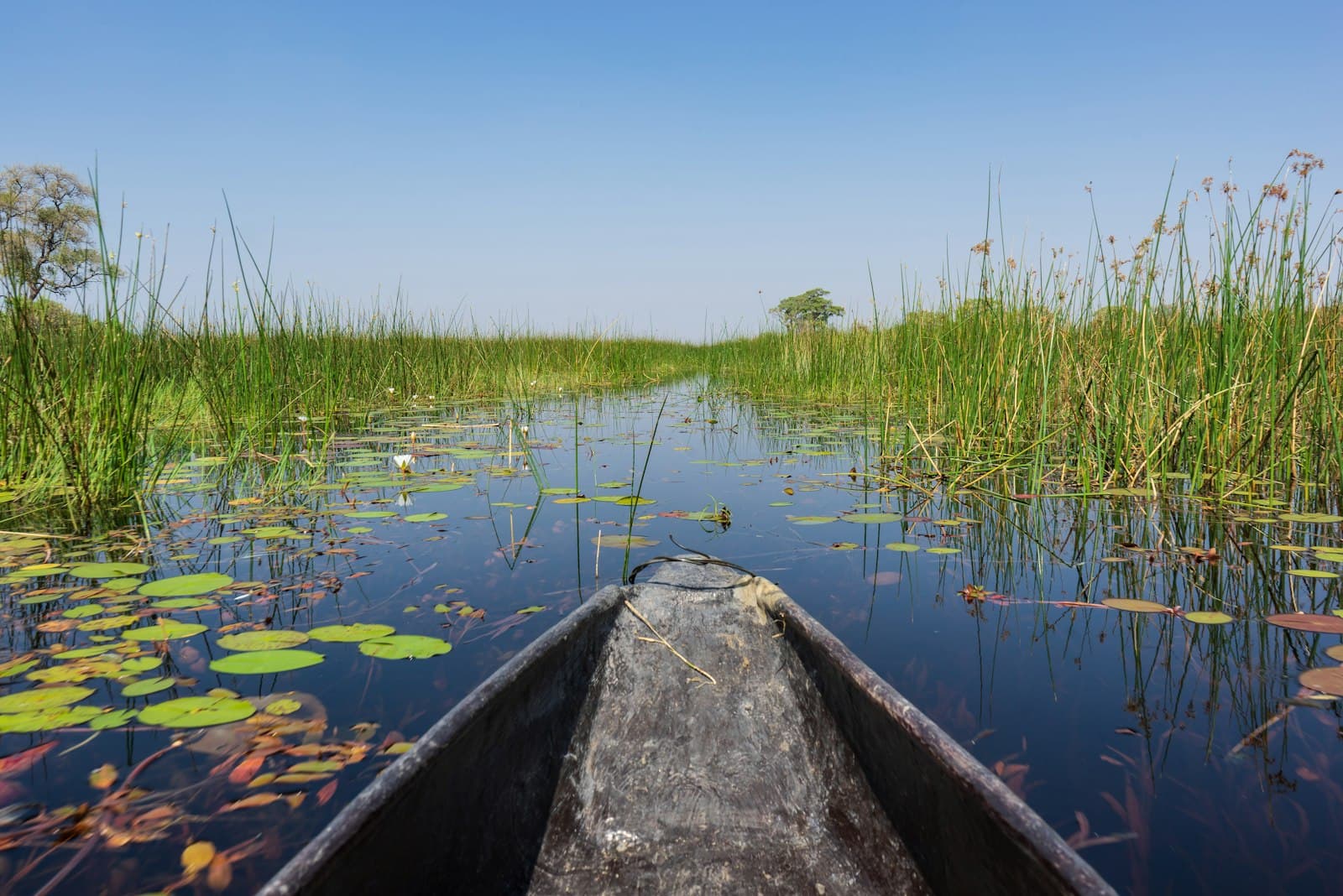
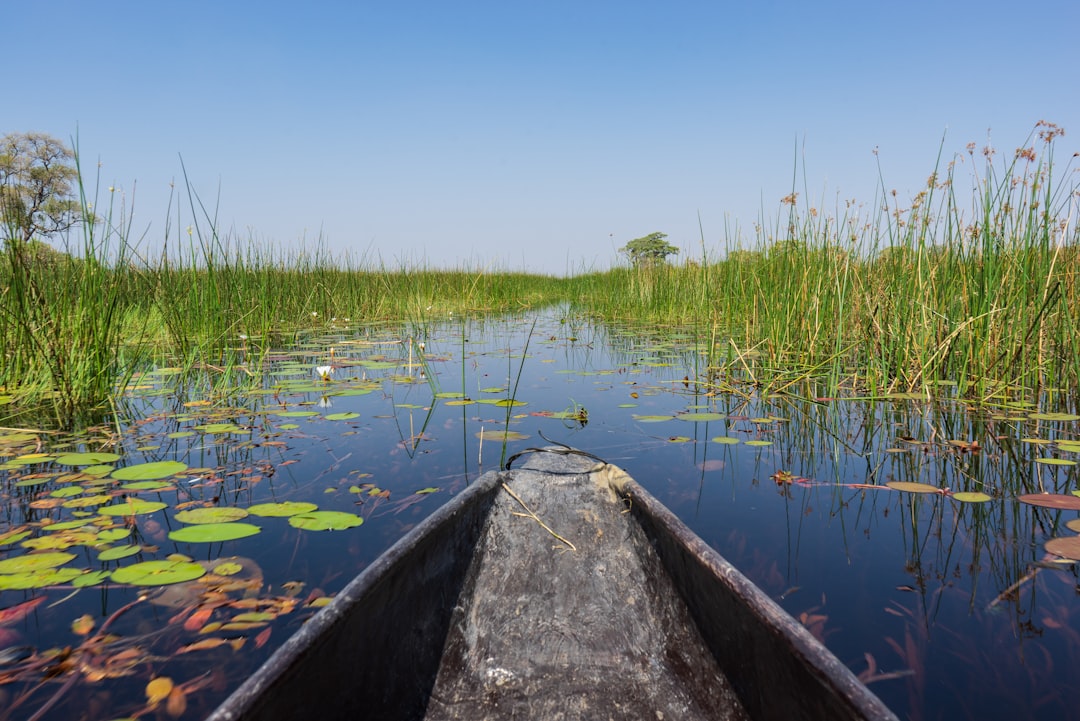
This is a landscape that rewrites the usual safari script. Game drives share billing with silent mokoro poling through lily-choked channels, and predator sightings come not from convoys of vehicles radioing each other but from a single tracker reading spoor that no one else will see that day. For travelers who have already ticked off the Serengeti or the Sabi Sands, the Delta's private concessions offer something rarer than the Big Five: a landscape where you are, for the duration of your stay, essentially alone with it.
Okavango Delta Quick Facts
Reading the Delta's Flood Calendar Before You Book
The Okavango Delta runs on a flood cycle rather than a simple wet-dry pattern, which makes timing more consequential here than almost anywhere else on the safari map. Rain falls locally between November and March, but the floodwater that actually fills the channels around Jao and Vumbura Plains originates in Angola's highlands months earlier and typically arrives between June and August, turning dry floodplains into navigable water and making mokoro excursions possible for the first time since the previous season.
May through October is Botswana's dry season, with daytime temperatures around 25-30°C easing to a crisp 8-12°C after dark, and this is when game viewing is at its most concentrated, since animals cluster around the remaining water. July through September is peak booking territory, and suites at Mombo and Little Mombo are frequently sold out 12-18 months ahead for those exact weeks. Booking now, in spring, for a dry-season 2026 departure is not premature caution; it is close to the minimum lead time these camps require.
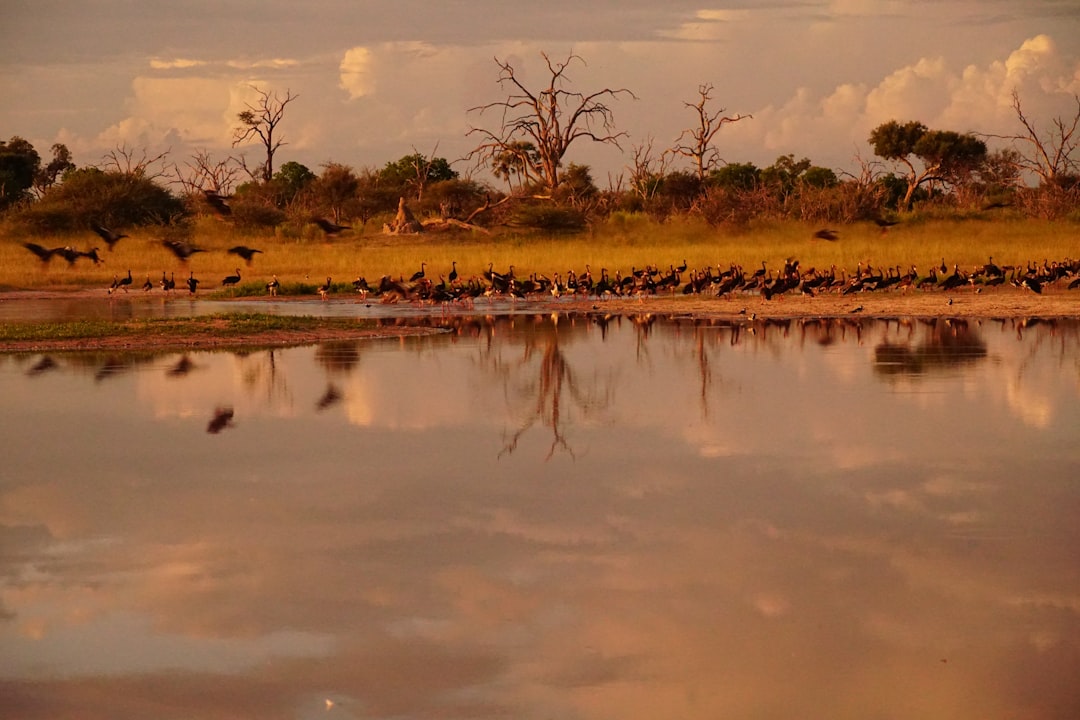
The green season, November to April, brings dramatic afternoon storms, newborn impala and wildebeest, and a hush of migratory birds that draws serious birders to Jao's lagoons. Rates drop by roughly 30-40% outside peak months, and the light for photography is arguably better, though several camps close briefly in late January or February for annual refurbishment, so confirm exact dates with the property directly.
Cordelie travel advisors
Planning Okavango Delta? Go with someone who knows
The right suite, the right season, the reservations that never appear online — your Cordelie advisor knows them, and holds them for you.
Plan with a Cordelie advisorFree to ask. Cordelie Travel Services · IATA/ARC 06649064
Mokoro Mornings and Spotlit Nights: The Delta's Signature Encounters
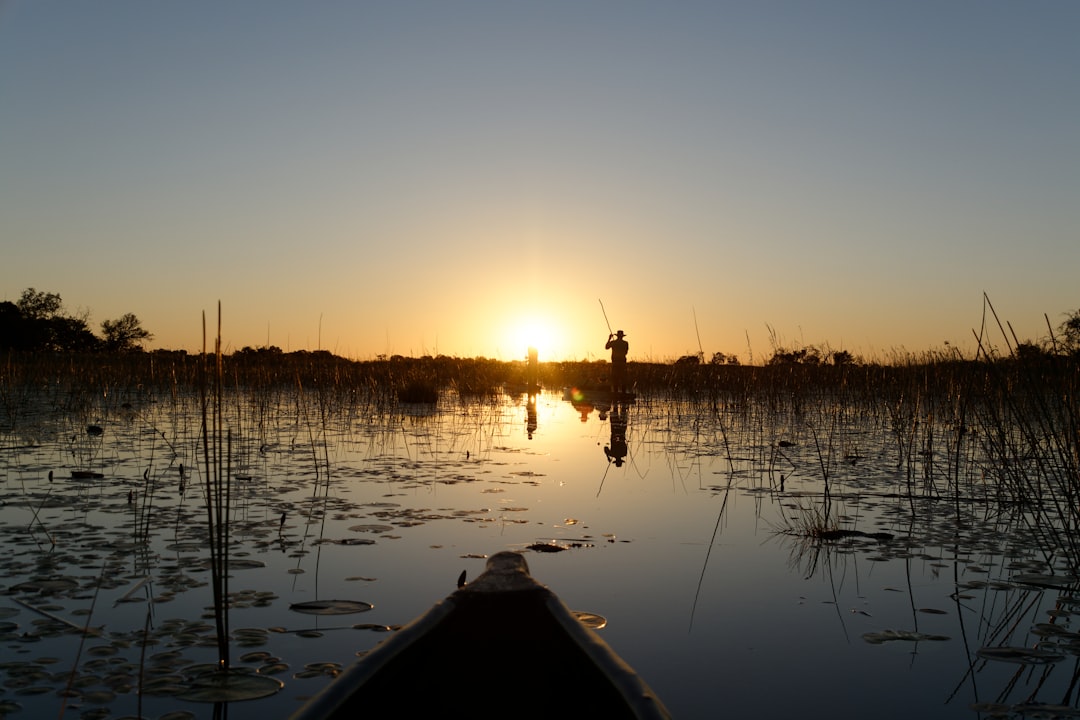
The defining Delta experience is the mokoro, a dugout canoe traditionally carved from sausage tree or ebony, poled silently by a guide standing at the stern. At Jao, mornings often begin with a 45-60 minute glide through papyrus channels toward a game-viewing island, the water so clear you can watch painted reed frogs cling to stems inches from your hand. It is slow, deliberate travel, closer to punting on the Cam than to any conventional game drive, and it is the only way to reach some of the Delta's seasonal islands at all.
Because private concessions sit outside Moremi Game Reserve's park boundaries, camps like Vumbura Plains and Duba Plains are permitted night drives with a handheld spotlight, an activity banned in the government-run reserve itself. This is when the Delta's smaller, stranger residents appear: springhares bouncing across the track, genets in the treeline, and occasionally a pride of lions moving to hunt under cover of dark. Mombo, on Chief's Island inside Moremi, cannot offer night drives for this reason, but it compensates with arguably the highest lion and leopard density of any Delta property, a legacy of decades of research collaboration with predator biologists based at the camp.
Walking safaris are the third pillar, offered at Jao and Kwetsani in particular, where an armed guide leads small groups on foot across termite mounds and floodplain edges, reading tracks at a pace no vehicle allows. Expect a 90-minute to two-hour outing, usually before breakfast when temperatures are still cool and animals are most active.
The Delta in Motion
Jao, Mombo and Vumbura Plains: The Concessions Worth the Splurge
Jao Camp, on its own private concession in the western Delta, holds just nine thatched suites raised on stilts above the floodplain, each with a private plunge pool and an outdoor bath that faces the bush rather than the interior. The architecture, by Silvio Rech and Lesley Carstens, leans into fantasy without tipping into kitsch: spiral staircases, sail-like canvas roofs, and walkways that flood seasonally, requiring staff to ferry guests by boat between suites and the main lounge during peak water months. All-inclusive rates run roughly $2,200-3,500 per person per night in peak season (mid-2025 pricing), covering flights within Botswana, all meals, drinks and twice-daily activities.
Mombo Camp and its smaller sibling Little Mombo sit on Chief's Island inside Moremi Game Reserve, often described within the safari industry as one of the most reliable predator-viewing properties in southern Africa, though that reputation rests on decades of guide reporting rather than any published ranking. Mombo's nine suites and Little Mombo's three are elevated on wooden platforms with glass-fronted lounges facing open plains where lion, leopard and wild dog sightings are genuinely frequent. Expect rates from roughly $2,800-4,200 per person per night in peak season, among the highest in the Delta, with 12-18 months' advance booking effectively mandatory for July-September dates.
Vumbura Plains, split into North and South camps with seven suites each, occupies a private concession in the northern Delta where floodplain and dry woodland meet, giving it arguably the most varied single-property game viewing in the region: mokoro one morning, a leopard on a termite mound the next afternoon. The suites, designed by Michaelis Boyd and Nick Plewman, use raised glass and canvas structures that keep interiors cool without air conditioning noise. Rates typically run $1,800-2,600 per person per night in peak season, making it the relative value entry point among this trio, though value is a loose word at this altitude of pricing.
Duba Plains, run by Great Plains Conservation on a concession bordering Vumbura, deserves a mention for travelers chasing the Delta's famed lion-buffalo dynamic; its five tented suites keep guest numbers even lower, and its predator-focused game drives have drawn wildlife filmmakers for years.
Seswaa, Sundowners and the Etiquette of a Bush Dining Table
Dining across these camps tends toward shared long tables at breakfast and lunch, with dinner sometimes plated privately if a couple requests it, a small courtesy worth mentioning at check-in if you prefer it. Kitchens draw on Setswana staples reworked with a lighter hand: seswaa, slow-cooked and pounded beef traditionally served at celebrations, appears at bush braais alongside morogo, a wild spinach, and pap, a maize porridge that anchors the plate. Expect wine lists stocked from South Africa's Stellenbosch and Franschhoek regions, and gin bars that lean on Botswana's own small-batch distillers.
Meals are timed around the light rather than the clock: an early bush breakfast might be laid out on a floodplain island reached by mokoro, with coffee poured from a battered enamel pot as hippos grunt somewhere out of sight. Guides and trackers, many from the local Bayei and San communities, are generous with knowledge if asked directly about plant use, tracking signs or the meaning of a particular bird call, and this exchange is often the most memorable part of a stay, more than any single game sighting.
“You don't come to the Delta to see everything. You come to sit still long enough that everything comes to you.”
No Roads In: Flying Between Maun and the Concessions
There is no road network connecting Delta camps to each other or to any city, so every stay begins and ends with light aircraft. International flights route through Johannesburg or Cape Town to Maun's small airport, then a further hop of roughly 20-45 minutes by five- to twelve-seat Cessna Caravan delivers you to a grass or gravel airstrip near camp, where a game-drive vehicle collects you for a final 10-20 minute transfer.
Luggage limits are strict and worth planning around well before departure: most light-aircraft operators cap bags at 20kg per person in soft-sided duffels, with hard-shell suitcases often refused outright for lack of cargo space. Camps typically offer complimentary laundry, which makes packing light genuinely painless rather than a false economy. Moving between concessions mid-trip, from Jao to Mombo to Vumbura Plains, for instance, means another short charter each time, usually bundled into the camp's all-inclusive rate rather than billed separately.
Six Nights, Three Concessions: A Sample Delta Circuit
Arrival at Jao and a First Mokoro Glide
Fly from Maun to the Jao airstrip, a transfer of roughly 30 minutes over floodplain that gives your first proper look at the Delta's braided channels from the air.
After settling into your suite, spend the late afternoon on a gentle mokoro outing through the papyrus, timed to arrive at a viewing island for sundowners as the light turns amber.
Transfer to Mombo and an Afternoon Among Predators
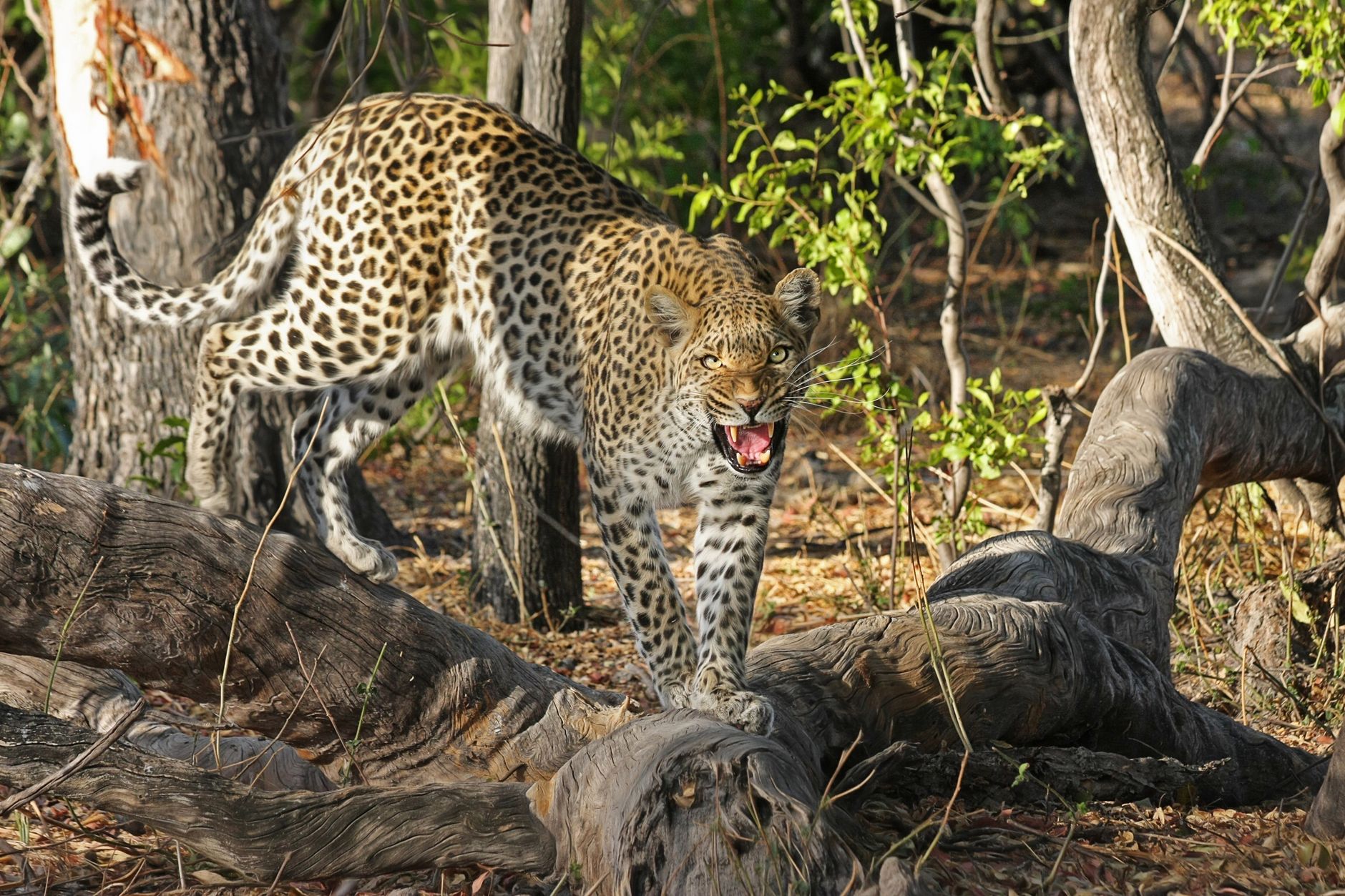
After a full second day at Jao spent on walking safari and a lagoon-side lunch, a short charter carries you to Chief's Island and Mombo Camp inside Moremi Game Reserve.
Settle in over lunch, then head out for an afternoon and evening game drive across Mombo's open plains, where sightings of lion prides moving toward a hunt are a near-daily occurrence in dry season.
North to Vumbura Plains for Night Drives and Woodland Game
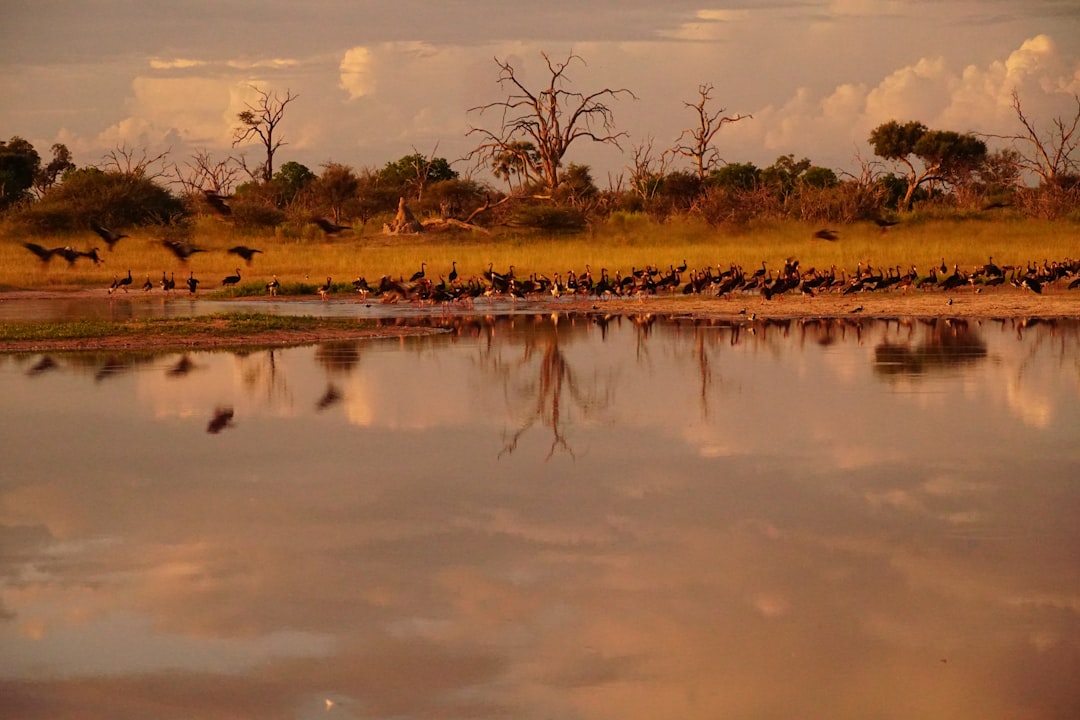
Following a full second day at Mombo, fly north to Vumbura Plains, where the terrain shifts to a mix of floodplain and dry woodland unlike anywhere else on the trip.
Because Vumbura sits on a private concession outside the national reserve, your first evening includes a spotlit night drive, a chance to see genets, springhares and, with some luck, a hunting leopard.
The strongest Delta itineraries are built around flood timing, concession pairings and airstrip logistics that rarely appear on a camp's own website, and single-digit-suite properties like Mombo and Little Mombo often hold only a handful of release dates for peak July and August weeks each year.
A Cordelie advisor can secure those specific dates, pair concessions that complement rather than repeat each other's terrain, and arrange the private charter connections that make a Jao-to-Mombo-to-Vumbura circuit feel seamless rather than improvised, all before you've packed a single duffel.
Okavango Delta At a Glance
An unmatched luxury safari destination for travelers who want privacy and water-based game viewing above ticking off species, provided they can accept significant advance planning and premium pricing.
The Delta's private concessions deliver something few safari destinations still can: genuine solitude, with camps holding single-digit suite counts and guides who read each landscape without competing traffic.
Expect to book Jao, Mombo or Vumbura Plains 12-18 months ahead for peak dry-season dates, budget from roughly $1,800-4,200 per person per night depending on camp and season, and plan around light-aircraft transfers rather than roads.
It rewards travelers willing to slow down for a mokoro glide over a fourth game drive, and it is not the place for anyone chasing a checklist rather than a landscape.
Last checked for accuracy: . How we check

Emma Blackwood has reviewed hotels for eighteen years and can tell within an hour of arrival whether a property means it. She writes about the difference between expensive and excellent, which is not the same thing, and about the handful of places that are both.