
Beyond Marrakech: The Ultimate Culinary Crawl Through Fez's Medina

Why Fez, Not Marrakech, Is Morocco's True Culinary Capital
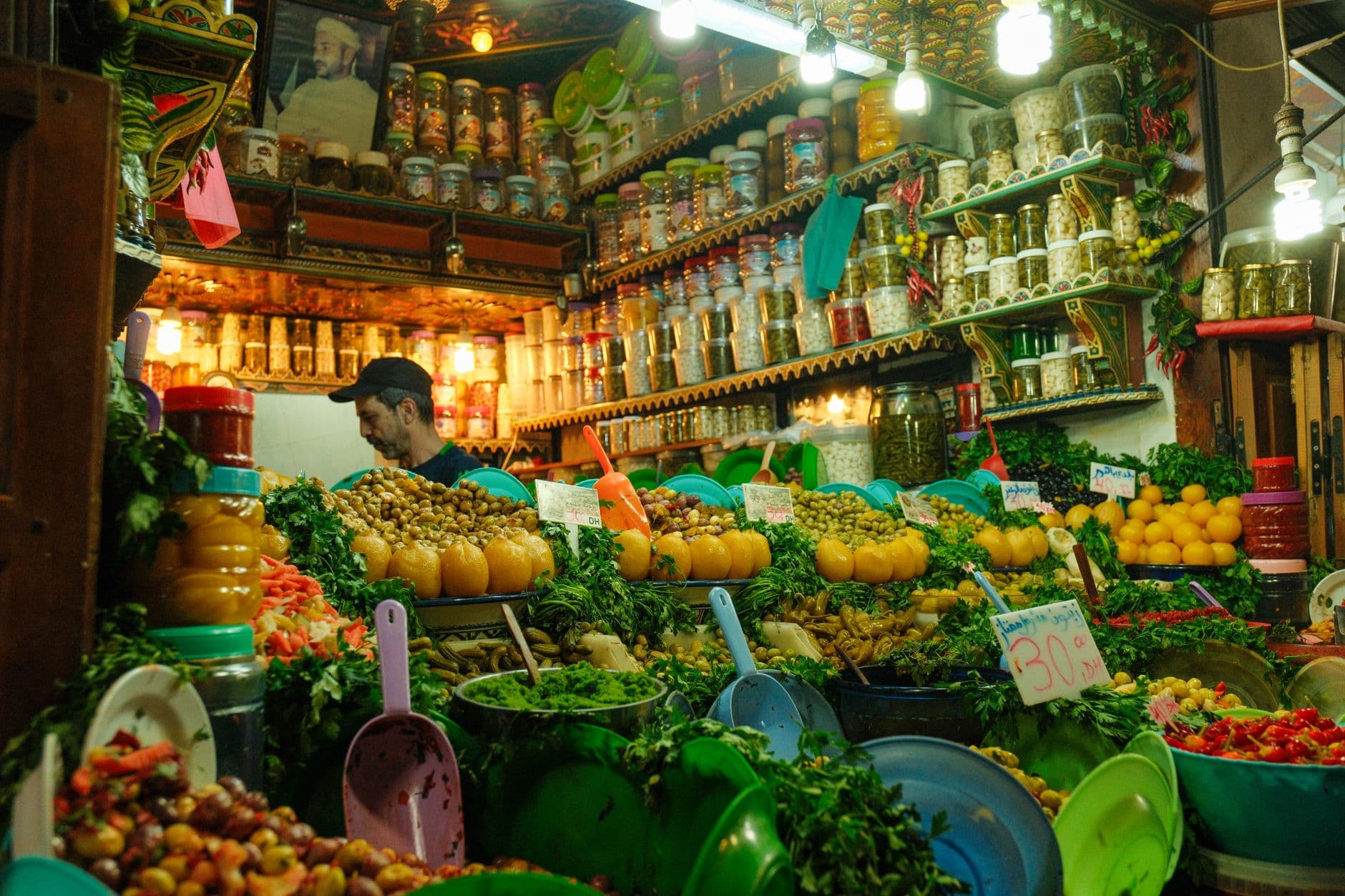
Marrakech gets the guidebook covers, but Fez el-Bali is where Moroccan cooking actually lives. This is the country's oldest medina, a UNESCO-listed tangle of some 9,000 lanes founded in the 9th century, and it has never had to perform for anyone. Walk down from Bab Boujloud toward Place R'cif on a spring morning and you pass the entire architecture of Fassi cuisine in about twenty minutes: the spice sacks, the fava-bean breakfast stalls, the pastilla ovens, the women folding warqa dough by hand behind unmarked doors.
This list is built for a traveler who eats with intent — someone willing to trade a checklist of sights for a slower morning at a spice stall or a three-hour cooking class in a riad kitchen. Spring is the ideal window: the medina's covered alleys stay cool even as afternoon temperatures climb into the low-to-mid 20s Celsius, and the produce souks are stacked with fresh broad beans, artichokes and the season's first cherries from the Sefrou orchards nearby.
Every entry had to meet three tests: it had to be specific to Fez rather than something you could find just as easily in Marrakech or Rabat, it had to offer something hands-on rather than purely a meal, and it had to be a place I could point to on a map with a street name attached.
I weighted heavily toward businesses with real longevity in the medina — family kitchens running for two or more generations, spice merchants whose stalls have stayed put for decades — over anything that felt built for a tour-bus crowd. Prices below are per-person estimates gathered in spring 2025 and should be treated as a range, not a quote.
The Seven-Stop Crawl Through Fez el-Bali
Place R'cif — The Medina's Working Heart
The produce and spice market where Fassi cooking actually starts
Place R'cif sits at the bottom of the medina's main artery, roughly a 20-minute downhill walk from Bab Boujloud along Talaa Kebira, and it's the closest thing Fez has to a farmers' market. Arrive between 8:00 and 10:00 and you'll catch vendors still stacking crates of fava beans, preserved lemons, and the season's first artichokes before the midday crush.
This is where you buy the raw material for everything you'll eat elsewhere on this list: saffron threads from Taliouine sold loose by weight (roughly 3-5 MAD per gram depending on grade), ras el hanout blended fresh at the stall rather than pre-bagged, and orange blossom water by the liter for a few dirhams. Ask a vendor which cumin is Moroccan-grown versus imported — the price difference tells you everything about quality.
Souk El Attarine — The Old Apothecary Alley
Fez's historic spice and herbalist souk, steps from the Kairaouine Mosque
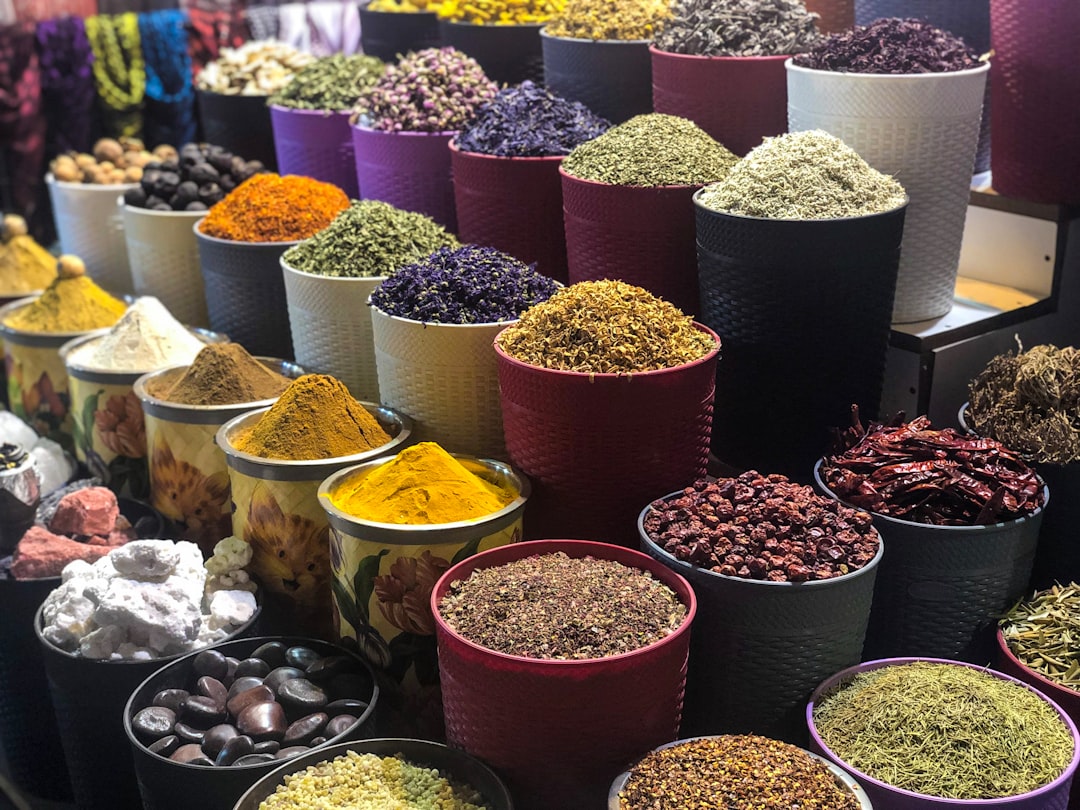
Souk El Attarine translates roughly to 'the perfumers' market,' and it's been the medina's spice-and-remedy district since the medieval era, tucked between the Attarine Medersa and the green-tiled walls of the Kairaouine Mosque. It's narrower and more atmospheric than R'cif, hung with dried roses, henna cones, and sacks of amlou paste.
This is the place to find argan oil pressed in the Souss valley and sold by the small bottle for around 40-60 MAD, and to talk your way into a taste of msemen — the flaky square griddle bread — drizzled with honey at one of the tiny stand-up counters that punctuate the alley. Give yourself 30-40 minutes here; it rewards slow browsing more than any single purchase.
Café Clock Fez — The Cooking Class Anchor
A riad rooftop kitchen where visitors actually cook, not just watch
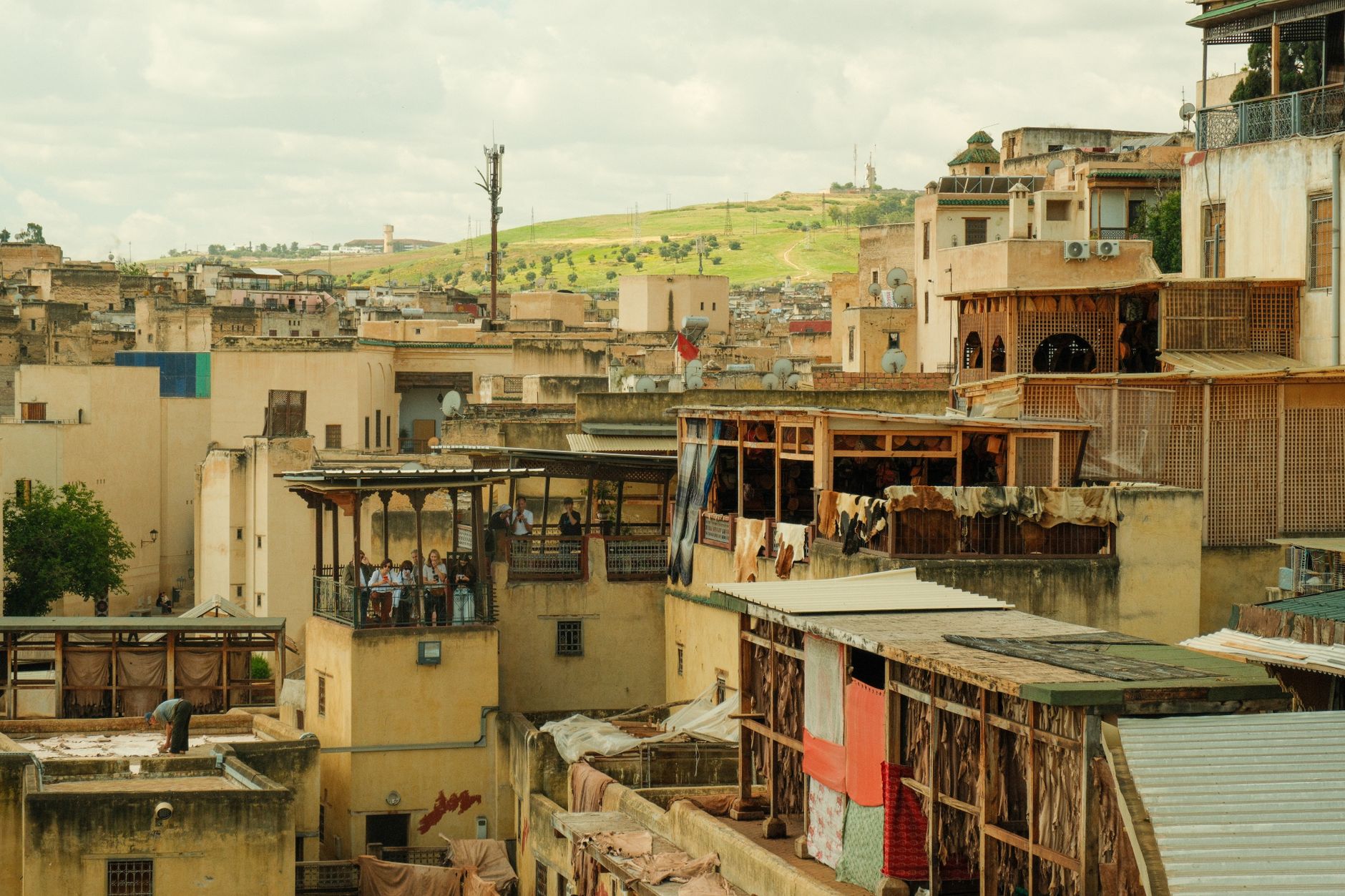
Set inside Riad ZamZam on Derb el Magana, just off Talaa Kebira near the Bou Inania Medersa, Café Clock has run its Clock Kitchen cooking classes since the venue opened in 2009. Sessions typically run 2.5-3 hours and land somewhere around 350-450 MAD per person, including a market walk to buy ingredients before you touch a knife.
The class most travelers come for teaches a chicken or vegetable tagine from scratch, but the instructors — local women who've cooked in Fassi households for years — will also walk you through folding msemen and stretching warqa pastry if you ask. Eat what you make on the rooftop terrace afterward, with the Bou Inania's green-tiled minaret visible over the rooftops.
Dar Saada — The Family Table for Pastilla
A multi-generational palace restaurant near the Attarine souk
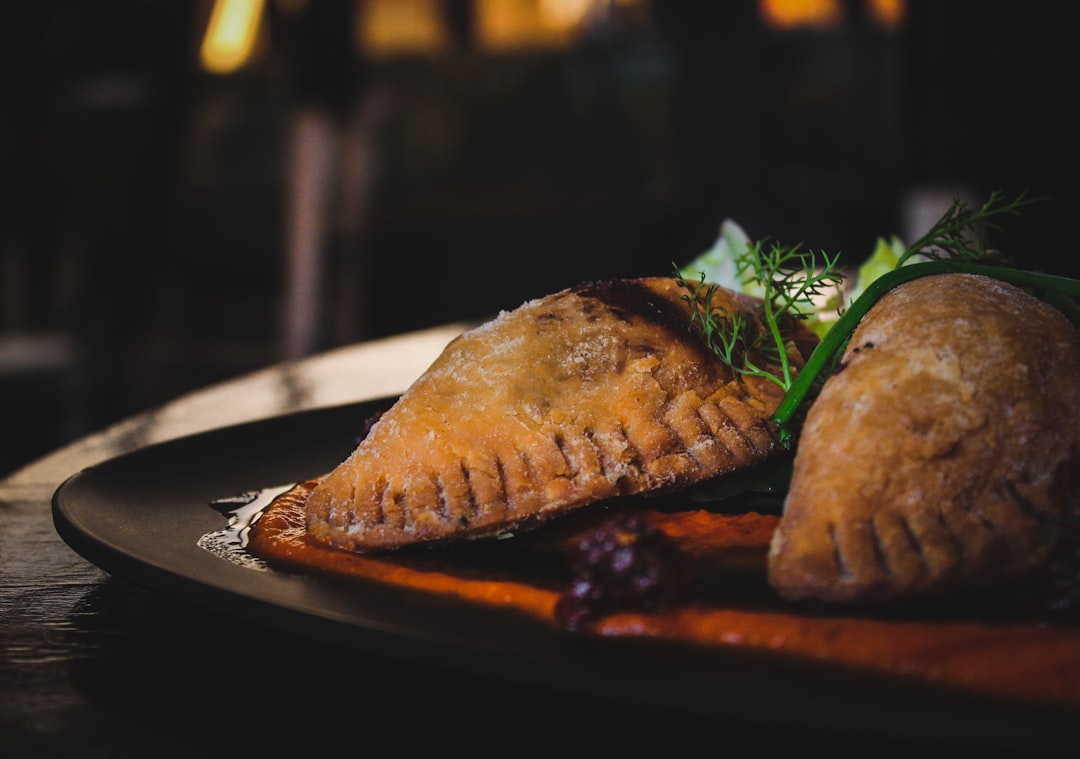
Dar Saada occupies a restored 19th-century courtyard house a short walk from Souk El Attarine, and it has been serving Fassi celebration food to the same extended clientele for decades — the kind of restaurant where the maître d' remembers regulars by name and the recipes haven't shifted with fashion.
This is the place to order pastilla properly: a golden, cinnamon-dusted pie of shredded pigeon or chicken wrapped in paper-thin warqa, sweet and savory in the same bite. A set menu with pastilla, a tagine course, and seven-vegetable couscous runs roughly 250-350 MAD per person, and the carved cedar ceilings alone are worth the detour off the main souk路.
The Bissara Stalls Near Bab Guissa
Fez's fava-bean breakfast soup, eaten standing at a counter
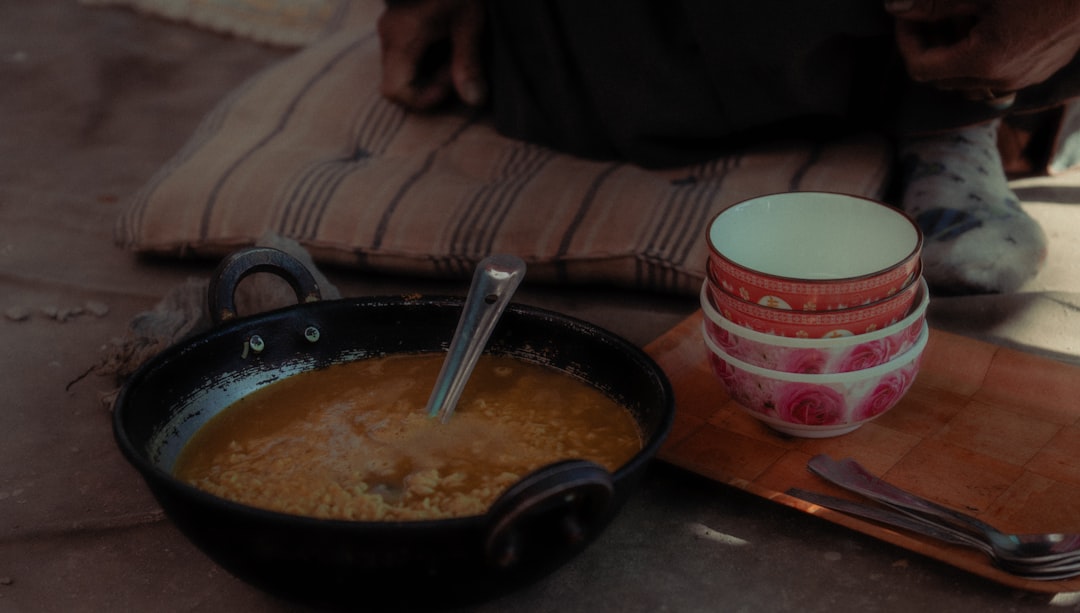
Bissara is a thick fava-bean puree finished with olive oil, cumin, and paprika, and it's a working-class Fez breakfast that rarely makes it onto a hotel menu. The best stalls cluster near Bab Guissa at the medina's northern edge, open from roughly 6:00 to 9:00, after which the pot is usually gone for the day.
A bowl with a heel of khobz bread costs somewhere in the 5-8 MAD range — genuinely one of the cheapest meals you'll eat anywhere in Morocco, and one of the most specific to this city. Go early, eat standing at the counter alongside dockworkers and students, and don't expect a menu in English.
Cordelie travel advisors
Planning Fez? Go with someone who knows
The right suite, the right season, the reservations that never appear online — your Cordelie advisor knows them, and holds them for you.
Plan with a Cordelie advisorFree to ask. Cordelie Travel Services · IATA/ARC 06649064
A Hands-On Tagine and Warqa Class Inside a Restored Riad
Small-group cooking with a resident chef, market basket included
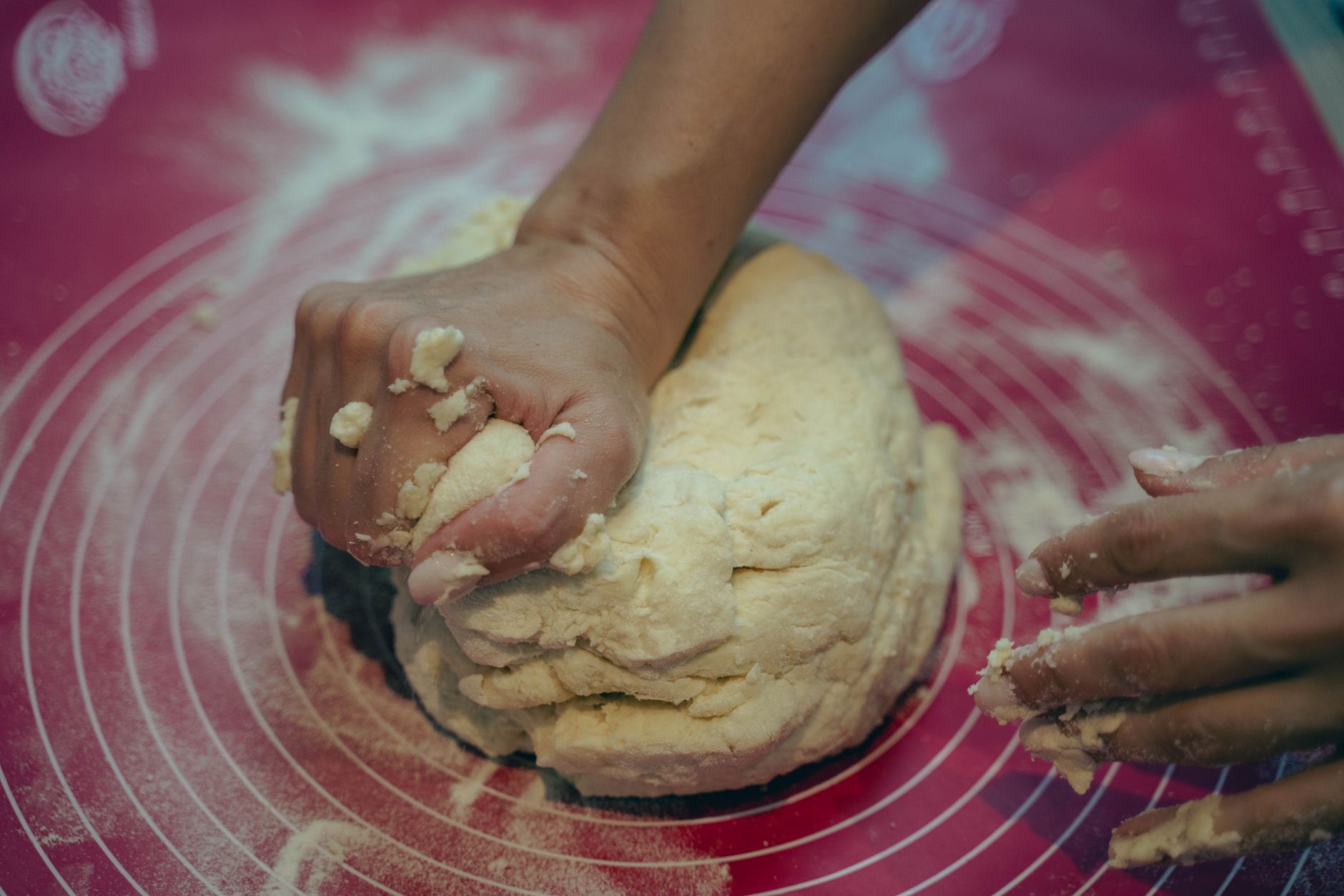
Several of the medina's restored riads — Palais Amani near Bab Guissa among them — run cooking classes with their resident chefs rather than outsourcing to a tour operator, which means smaller groups and a kitchen that's actually used every day, not staged for visitors.
A typical session runs 3-4 hours, starts with a short walk to a nearby souk to choose vegetables and spices, and ends with you plating a tagine you built from scratch, sometimes with a warqa-folding lesson tacked on for pastilla practice. Expect to pay roughly 500-700 MAD per person, higher than Café Clock's more casual format but worth it if you want real one-on-one time with the chef.
The Nejjarine Snack Stalls at Dusk
Msemen, sfenj, and harira near the old carpenters' fondouk
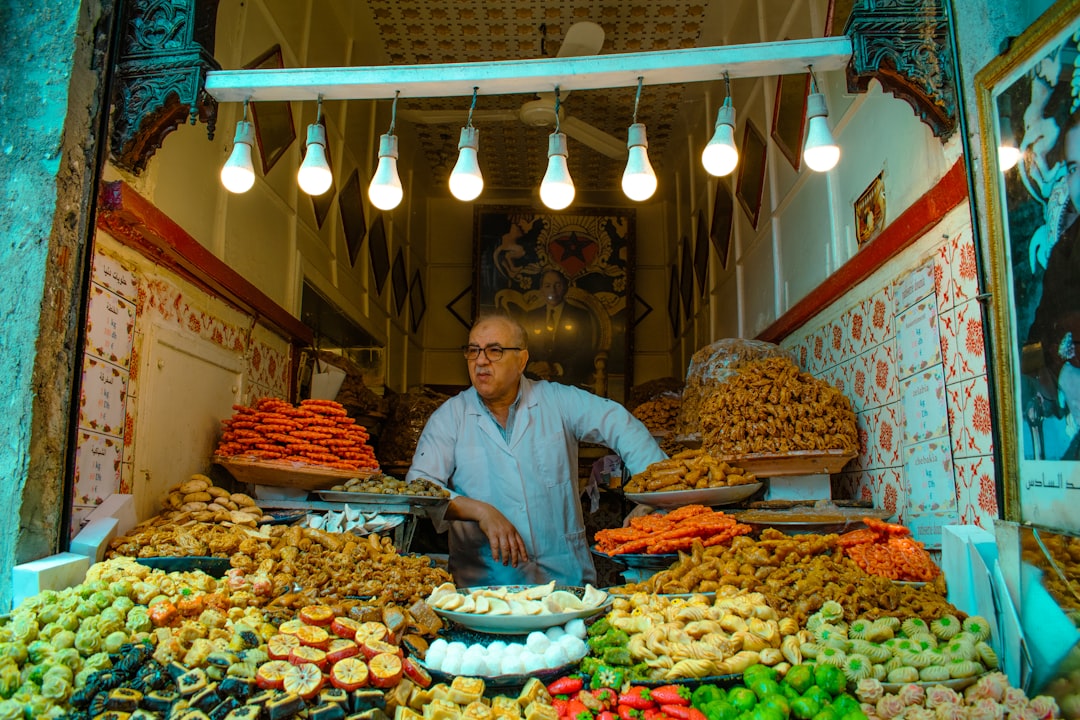
Fondouk Nejjarine, the restored 18th-century caravanserai now housing the Museum of Wood Arts and Crafts, sits at the center of a small square that fills with food carts as the light drops in the late afternoon — call it 17:00 to 19:00 in spring, once the day's heat has broken.
This is a good last stop on a crawl day: sfenj, Morocco's answer to a donut, fried to order and dusted with sugar for a few dirhams a piece, and harira, the tomato-lentil soup usually associated with Ramadan but served year-round here, ladled into bowls for around 8-12 MAD. Msemen griddle bread, folded and reheated on a flat pan, rounds it out.
Two More Medina Addresses Worth Detouring For
Bab Boujloud itself deserves a slow pass before you even start the crawl proper — the gate's inner archway is lined with fresh orange juice carts and a rotating cast of babbouche (snail soup) vendors, a spiced, cumin-heavy broth locals swear cures everything from a cold to a hangover, sold for a few dirhams a cup.
If you have a second cooking-focused morning to spare, Riad Fes runs its own demonstration kitchen with a similar market-to-table format to Café Clock's, useful as a comparison if you're deciding which riad to book a longer stay with. And Talaa Sghira, the medina's quieter parallel lane to Talaa Kebira, has a scattering of unmarked pastilla counters that never appear in guidebooks — worth a wander if you've already ticked off Dar Saada and want a second, less formal version of the dish.
The hardest part of a food-focused stay in Fez isn't finding one good meal — it's sequencing a week so that the cooking class, the spice-souk morning, and the family restaurant land on the right days, and getting a seat at the riad kitchens that don't take walk-in bookings.
A Cordelie advisor can arrange a private cooking session with a resident chef, secure a table at a family-run restaurant that's normally reservation-only for locals, and pair it all with a riad stay inside the medina walls so you're never more than a few minutes' walk from the next stop.
The Verdict: Start at Place R'cif, Build Everything Else Around It
The spice and produce market at Place R'cif is the crawl's essential first stop — everything downstream tastes better once you understand the raw ingredients.
If you only have one morning in Fez's medina, spend it at Place R'cif. It's free to wander, it's at its best before 10:00, and it teaches you more about Fassi cooking in twenty minutes than any restaurant meal can — the smell of fresh ras el hanout, the stacked crates of broad beans destined for bissara, the vendors who'll happily explain the difference between saffron grades if you ask.
Everything else on this list — the pastilla at Dar Saada, the tagine you'll build in a riad kitchen, the bowl of bissara eaten standing near Bab Guissa — makes more sense once you've seen where the ingredients actually come from.
Last checked for accuracy: . How we check

Alex Moreau writes about going slowly. Nine years of reporting from trains, river boats and towns nobody has a hashtag for, mostly across Europe and North Africa. They live in Lisbon, keep a running list of the continent's best two-hour lunches, and believe most itineraries would improve if you deleted a city.