
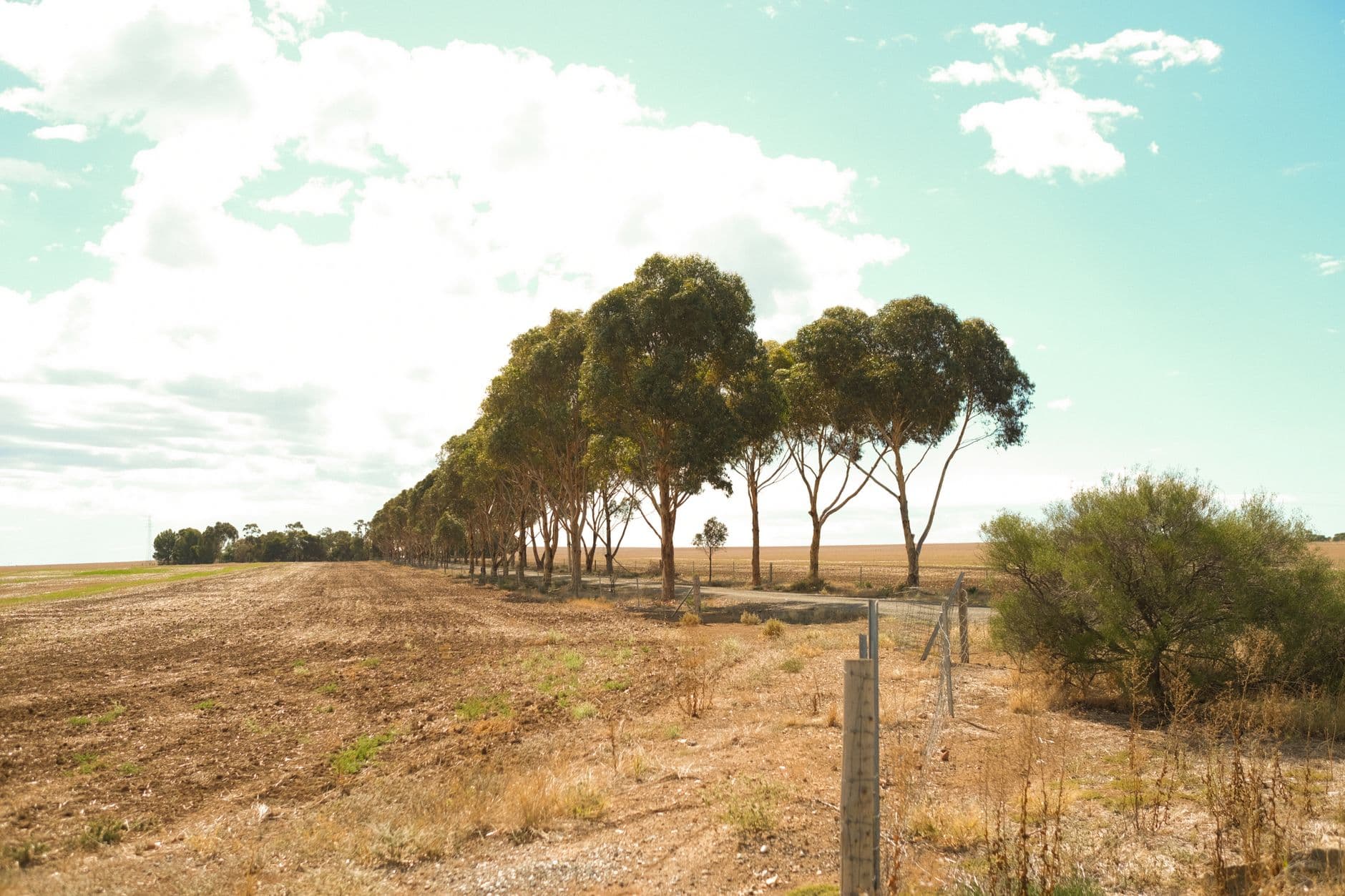
Barossa Valley: Australia's Shiraz Heartland Wine Trail

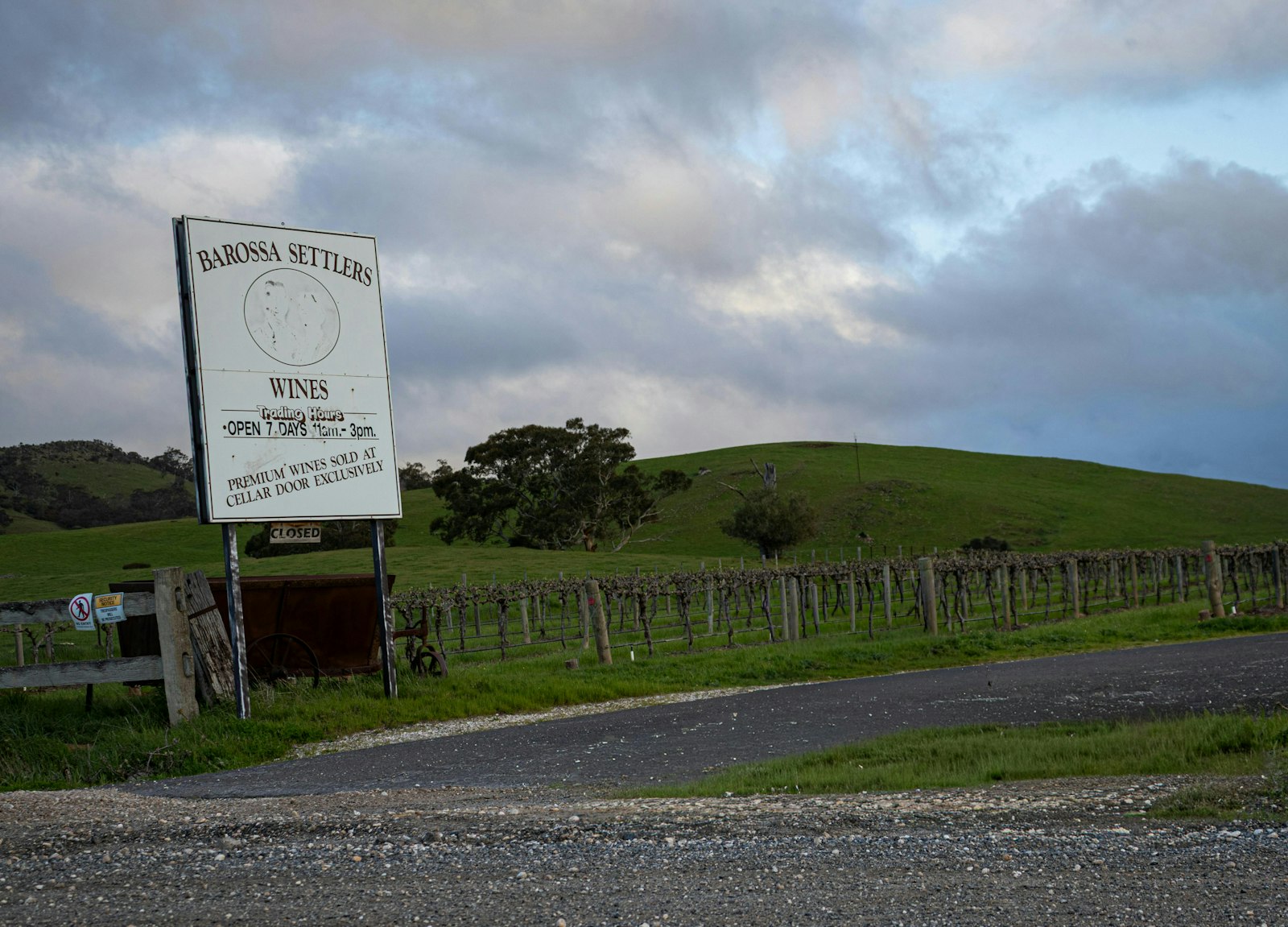
Where Four Generations of Winemakers Still Pour the Same Shiraz
Drive north from Adelaide for about an hour along the Sturt Highway and Barossa Valley Way, and the suburbs give way to a patchwork of old-vine Shiraz, blocks planted as far back as the 1840s sitting cheek by cheek with newer plantings. Henschke's Hill of Grace, Rockford's dry-grown Basket Press rows and Seppeltsfield's fortified wine stocks dating to 1878 are not relics kept behind glass. They are producing wine right now, poured by the same families who planted them generations ago. The valley rewards travelers who linger: book two cellar doors a day, not six, and it opens up in a way a rushed itinerary never will. This is a destination built for slow mornings in a tasting room, a long lunch over mettwurst and bush-pepper lamb, and conversations with winemakers who will talk vintage conditions longer than you expected and shorter than they'd like.
Barossa Valley Quick Facts
Spring Blossom Versus March Vintage: Picking Your Season
Barossa spring runs from September through November, when canola fields beyond Tanunda turn gold, vine canopies push out fresh green growth, and daytime temperatures settle into the low-to-mid twenties Celsius. It is ideal for cellar-door hopping without summer's heat, and the valley is at its most photogenic and least crowded, save for the Barossa Gourmet Weekend each September, when producers open extra tastings alongside the usual cellar doors. Vintage, by contrast, falls in late February through April, when Shiraz comes off the vine and the valley smells of fermenting must. Harvest machinery works the rows at dawn, cellar doors run reduced hours as staff rotate onto crush duty, and the biennial Barossa Vintage Festival, held in odd-numbered years each April, fills Tanunda and Nuriootpa with parades and long-table dinners. Visiting during vintage means booking tastings further ahead; some wineries, Henschke especially, limit cellar access to appointment only during the crush.
Cordelie travel advisors
Planning Barossa Valley? Go with someone who knows
The right suite, the right season, the reservations that never appear online — your Cordelie advisor knows them, and holds them for you.
Plan with a Cordelie advisorFree to ask. Cordelie Travel Services · IATA/ARC 06649064
Cellar Doors Worth Slowing Down For
Start at Rockford Wines on Krondorf Road outside Tanunda, where the cellar door sits inside a restored stone barn and the 1920s basket press still gets used every vintage. Tastings are walk-in, typically from 11am to 5pm daily, and the Basket Press Shiraz sells out most years before it reaches a shop shelf, so buying a bottle at the door is often the only way to get one. Fifteen minutes north in Marananga, Seppeltsfield has made fortified wine without a missed vintage since 1878. Pre-book the Centennial Cellar experience to taste a 100-Year-Old Tawny drawn from the barrel matching your birth year; it runs roughly AUD 65-90 per person and needs booking a few days ahead, longer during peak spring and vintage weeks. Henschke, out in the cooler Eden Valley hills near Keyneton, is the toughest booking of the three. Fifth and sixth-generation family members still pour tastings of wine from the Hill of Grace vineyard, planted in the 1860s, but cellar-door visits run by appointment only, and allocation wines sell out through a mailing list long before they reach the door. Pair the big names with smaller stops: Elderton near Nuriootpa for its own basket-press Shiraz, or Lambert Estate for a casual lawn tasting. Ask any cellar-door host about mettwurst and they will point you toward Linke's Central Meat Store in Nuriootpa, a butcher trading since the 1920s whose smoked mettwurst turns up on cheese boards across the valley.
Barossa's Historic Cellar Doors
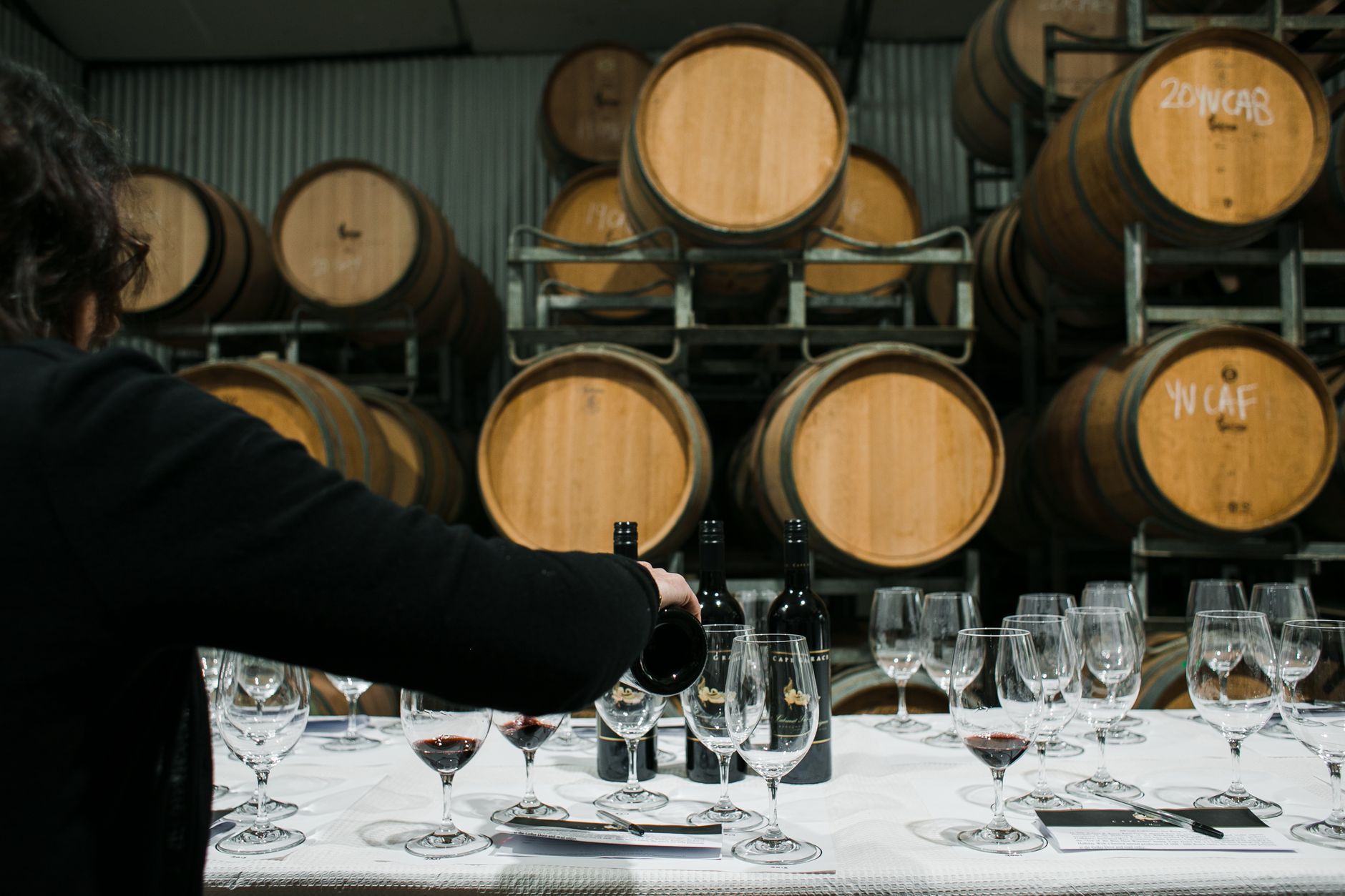
From Vineyard Cottages to a Luxury Lodge Among the Vines
The Louise, in Marananga, is the valley's benchmark luxury stay: fifteen suites set among vines, a kitchen garden supplying its restaurant Appellation, and a wine list built around producers you can walk to. Expect rates from roughly AUD 700-900 a night in spring, higher around vintage festival dates. For a mid-range base with easy access to Tanunda's cellar doors, the Barossa Weintal Hotel sits on the edge of town from about AUD 180-240 a night and puts Rockford and Chateau Tanunda within a ten-minute drive. Self-contained cottages scattered through Lyndoch and Bethany suit travelers who want their own kitchen and a vineyard view without hotel pricing, generally AUD 220-320 a night for a two-bedroom cottage booked through local agencies. History-minded travelers should ask about Collingrove Homestead in Angaston, the restored 1856 Angas family residence now run as heritage accommodation, where staying overnight gets you access to the gardens after the day-tour groups have gone. Whichever base you choose, pick one village and stay put. The valley runs only around 30 kilometers north to south between Lyndoch and Angaston, so a single base with short drives beats hotel-hopping.
Mettwurst, Bush Pepper and the Valley's German Backbone
Barossa's food culture carries a strong German imprint, laid down by Silesian and Prussian settlers who arrived from the 1840s and planted vines alongside wheat and pigs. Mettwurst, a smoked and cured pork sausage, still turns up on nearly every cheese board and lunch menu in the valley; Linke's in Nuriootpa and the Barossa Valley Cheese Company in Angaston both sell versions worth tasting side by side. Bush pepper, the dried berry of the native Tasmanian pepperberry, has become a quieter signature over the past two decades, showing up in pepper-crusted kangaroo at Hentley Farm Restaurant in Seppeltsfield and in native-ingredient tasting menus at Appellation inside The Louise. Saturday mornings bring the Barossa Farmers Market to the Vintners Shed in Angaston, roughly 7:30am to 11:30am, where small producers sell smoked meats, saffron and seasonal produce grown just a few kilometers away. Lutheran church spires still mark Tanunda and the nearby village of Bethany, a legacy of the valley's settlement pattern, and several churches hold open days during the Vintage Festival. Table manners here lean relaxed rather than formal; cellar-door staff expect questions, encourage spitting rather than swallowing through a long tasting flight, and rarely rush a lingering lunch.
“You can taste the soil here if you slow down enough to notice it.”
Navigating the Valley's Back Roads Between Tastings
A rental car gives the most freedom, and the drive from Adelaide Airport to Tanunda takes about 70-80 minutes via the Sturt Highway and Barossa Valley Way. Inside the valley, distances between cellar doors are short; Tanunda to Seppeltsfield is around 12 kilometers, Tanunda to Henschke's Keyneton cellar door closer to 30. Roads narrow and tastings pour generously, so appoint a non-tasting driver or book a private driver-guide for the day. Several Adelaide-based operators run small-group or private full-day tours from around AUD 180-250 per person, with pickup directly from Adelaide hotels. Cycling appeals in spring when temperatures stay mild; the Barossa Trail links several townships on a mostly flat, sealed path, and bike hire is available in Tanunda and Nuriootpa for roughly AUD 35-50 a day. Taxis and rideshare exist but are thin outside Tanunda and Nuriootpa, so arrange return transport before settling in for a long cellar-door lunch.
Three Days, Three Villages: A Pace Worth Keeping
Lyndoch and Tanunda: Basket Presses and Bluestone Cellars
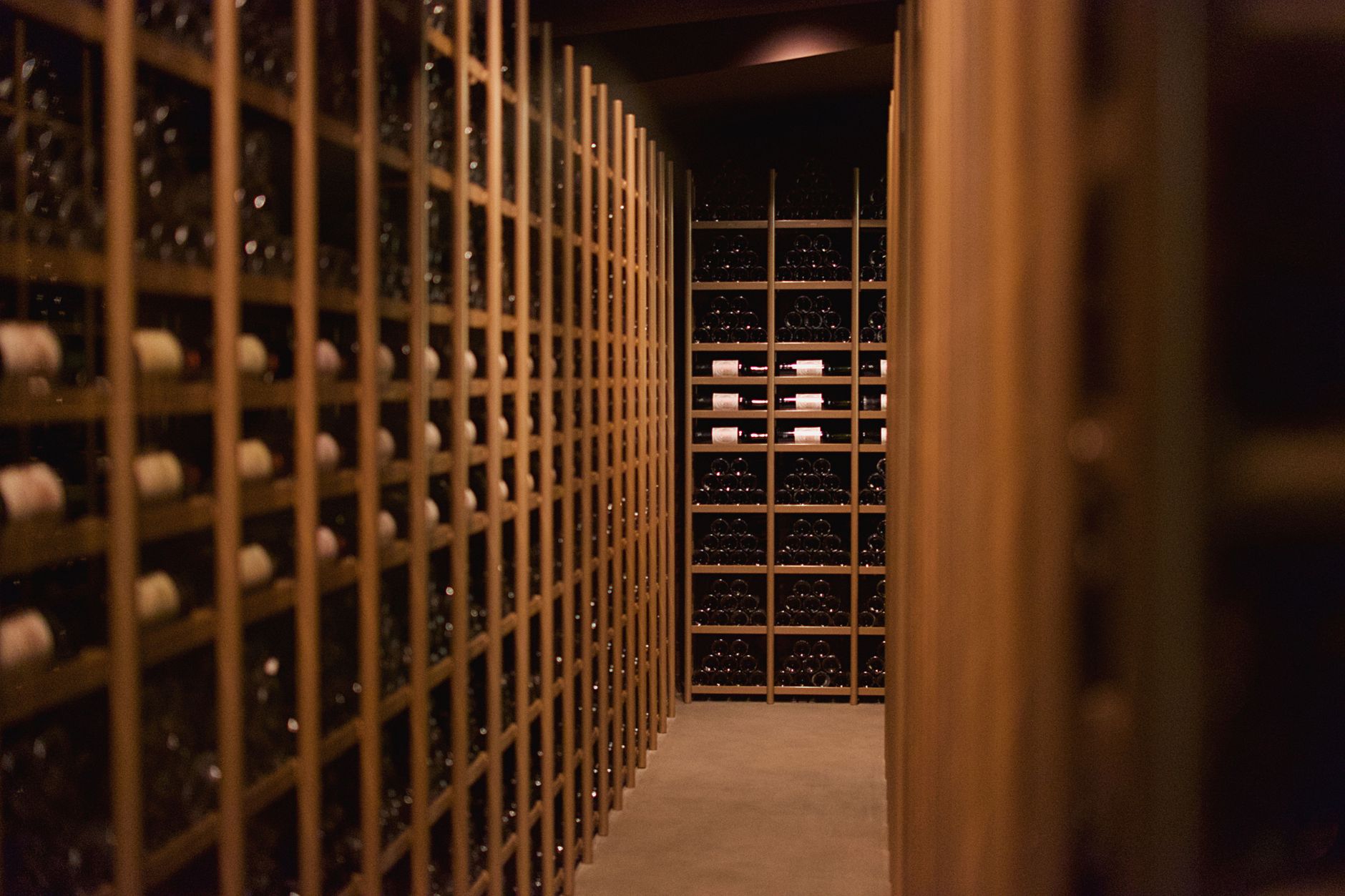
Pick up a rental car at Adelaide Airport and drive north on the Sturt Highway, reaching Lyndoch in around an hour. Stop first at Rockford Wines on Krondorf Road for a walk-in tasting of the Basket Press Shiraz, poured inside a restored 1850s stone barn.
Drive fifteen minutes into Tanunda for lunch at 1918 Bistro, then spend the afternoon at Chateau Tanunda, whose bluestone cellar door dates to 1890 and still houses one of the valley's largest barrel halls. Finish the day with a sunset stop at the Mengler Hill Lookout, a few kilometers above town, before settling into Tanunda for the night.
Seppeltsfield and Marananga: Fortified Wine and a Hundred-Year Barrel
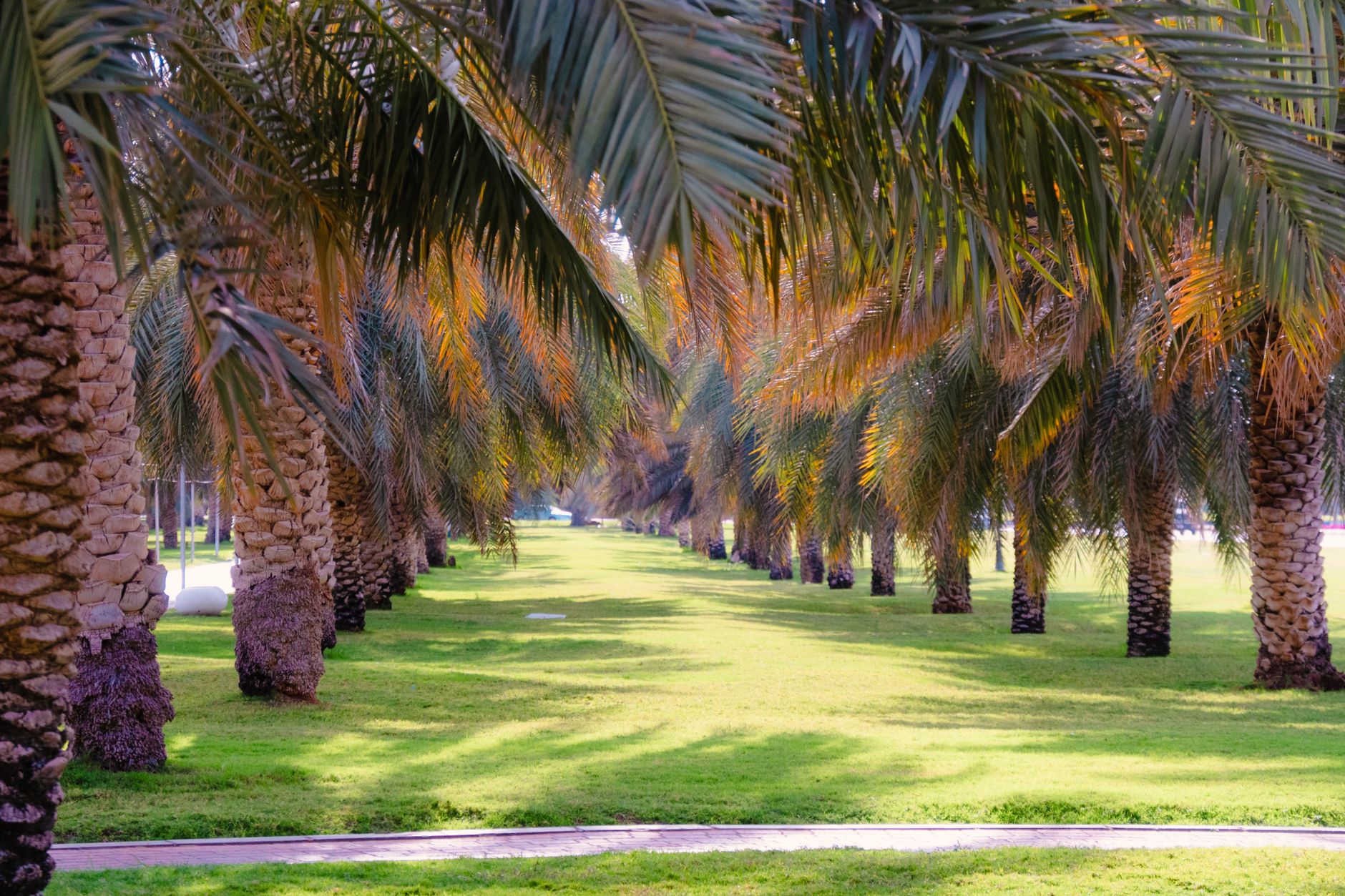
Spend the morning at Seppeltsfield in Marananga, where the Centennial Cellar experience pours a 100-Year-Old Tawny from the barrel matching your birth year, roughly AUD 65-90 per person if pre-booked. Walk the grounds afterward past the Jam Factory artisan precinct and the avenue of century-old date palms planted by the original Seppelt family.
Lunch at Fino Seppeltsfield, a small restaurant built into the old winery buildings, then drive ten minutes to Elderton or Two Hands for an afternoon tasting of their own basket-press Shiraz. Overnight at The Louise, a short walk from both cellar doors.
Eden Valley and Angaston: Hill of Grace and a Farewell Table
Set the morning aside for a pre-booked private tasting at Henschke's Keyneton cellar door, around 30 minutes from Marananga, where fifth and sixth-generation family members pour wines from the Hill of Grace vineyard. Appointment-only access makes this the one stop worth arranging weeks ahead.
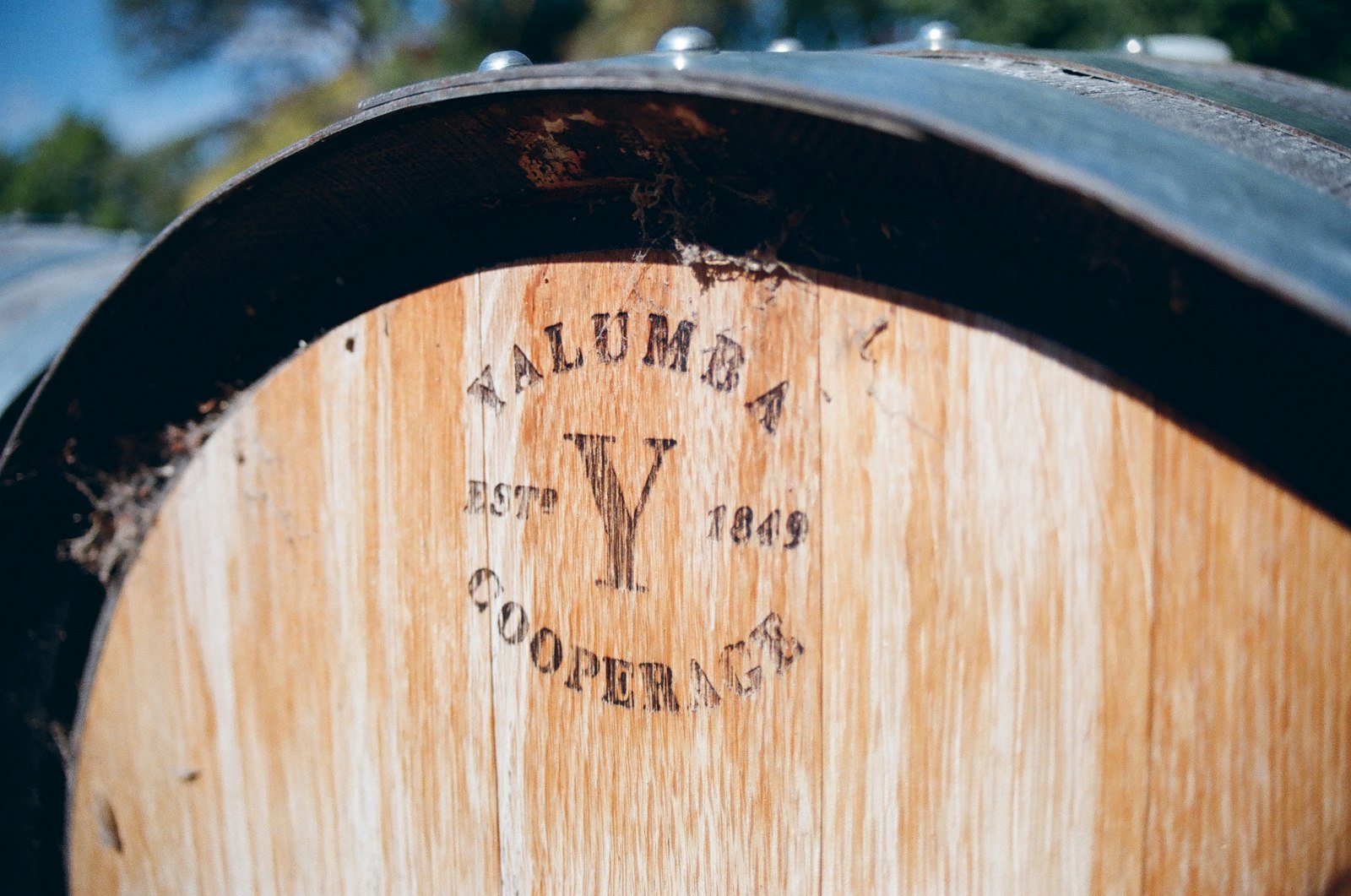
Drive into Angaston for a stop at Yalumba, among Australia's oldest family-owned wineries, founded in 1849, then browse the Saturday Barossa Farmers Market if your dates allow, open roughly 7:30-11:30am at the Vintners Shed. Close the trip with dinner at Hentley Farm Restaurant in Seppeltsfield before the drive back to Adelaide.
Henschke's Hill of Grace tastings and Seppeltsfield's rarest barrel pulls rarely show up on a general booking page, and during vintage season many cellar doors cut public hours to almost nothing. A Cordelie advisor can secure private appointments at the wineries that matter most to you, time your visit around the Barossa Vintage Festival or Gourmet Weekend, and arrange a driver-guide who knows the back roads between Marananga and Keyneton. The result is a trip built around the tastings you actually want, not the ones with availability left. Start the conversation at https://cordelie.com/contact.
Barossa Valley at a Glance
A food-and-wine region built for travelers willing to slow down and book ahead.
Spring, from September through November, brings mild weather and open cellar doors; late February through April brings vintage energy but tighter appointment windows, especially at Henschke. Base yourself in one village, whether Tanunda, Marananga or Angaston, and treat two or three cellar doors a day as the right pace rather than a limitation. Pre-booking matters more here than in most wine regions: Henschke by appointment only, Seppeltsfield's Centennial Cellar a few days ahead, and vintage-week tastings sometimes weeks in advance.
Last checked for accuracy: . How we check

Alex Moreau writes about going slowly. Nine years of reporting from trains, river boats and towns nobody has a hashtag for, mostly across Europe and North Africa. They live in Lisbon, keep a running list of the continent's best two-hour lunches, and believe most itineraries would improve if you deleted a city.