
Bali Quick Guide: Everything You Need to Know

Key Facts
Bali in Winter: Temple Culture and Monsoon Exploration
Bali in December through March offers a different island than the dry-season crowds know. Rain arrives in thick, warm bursts; humidity climbs; and the beaches that dominate tourist brochures become less inviting. But this is precisely when the island reveals itself to travelers willing to shift their expectations. Temple courtyards glisten after storms. Rice terraces flood and glow. Ubud's cultural heart beats without competing with sunbathers for attention. The monsoon season is not a time to endure Bali—it is a time to experience it more deeply.
The Monsoon Season and What It Means for Your Trip
December marks the start of Bali's monsoon, a seasonal shift many guidebooks warn against. Rain typically falls in the afternoon and early evening, often brief and heavy rather than all-day drizzle. Water temperatures remain warm—around 28°C (82°F). Humidity can exceed 80 percent. Hotel rates drop significantly, and the island feels noticeably less crowded, particularly in culturally rich areas like Ubud.
Beaches are less appealing in winter. Rough seas, occasional flooding in low-lying areas, and water quality concerns make swimming risky or unpleasant. This is not the season for beach lounging. What opens instead are mountain hikes, temple visits, cooking classes, and immersion in the villages and rice paddies that define Balinese life away from the coast. If you are chasing sunsets over the ocean, reschedule for May. If you want to understand Bali as Balinese people inhabit it, December through March offers unmatched access.
Late December and early January see holiday crowds and elevated prices, despite the wet season. Late January through February offers the lowest prices and fewest tourists, but the heaviest rainfall. Mid-March begins transitioning back toward dry-season conditions. Plan around your comfort with rain and crowd tolerance, not just the calendar.
Where to Stay: Ubud Over the Beach Towns
In winter, Ubud becomes the compelling base for a Bali trip. This highland town, about 1.5 hours north of the airport by car, centers on rice paddies, traditional markets, and Hindu temples rather than tourism infrastructure. The air is cooler and less humid than coastal areas. Rain here feels less intrusive—part of the landscape's cycle rather than an obstacle to beach plans.
Mid-range hotels in Ubud—places like Karsa Kafe or Ubud Terrace Bungalows—run approximately 450,000–900,000 IDR per night (roughly $28–55 USD) for a double room with basic amenities (as of early 2025). Budget guesthouses offer beds at 150,000–300,000 IDR per night ($9–18 USD). Luxury resorts and boutique properties climb higher, though even upscale properties drop rates by 20–30 percent in monsoon months compared to peak season. Book directly with properties when possible; online travel agencies often show inflated rates.
Canggu, a beach town between Ubud and Seminyak, straddles both worlds. Rice fields back up against cafes and coworking spaces; younger travelers and digital nomads congregate here. In winter, Canggu remains busy enough to feel alive without the peak-season crush. It is a compromise for those not ready to abandon the coast entirely, though surfing conditions are still challenging and swimming remains inadvisable.
What to Do: Temples, Rice Fields, and Local Learning
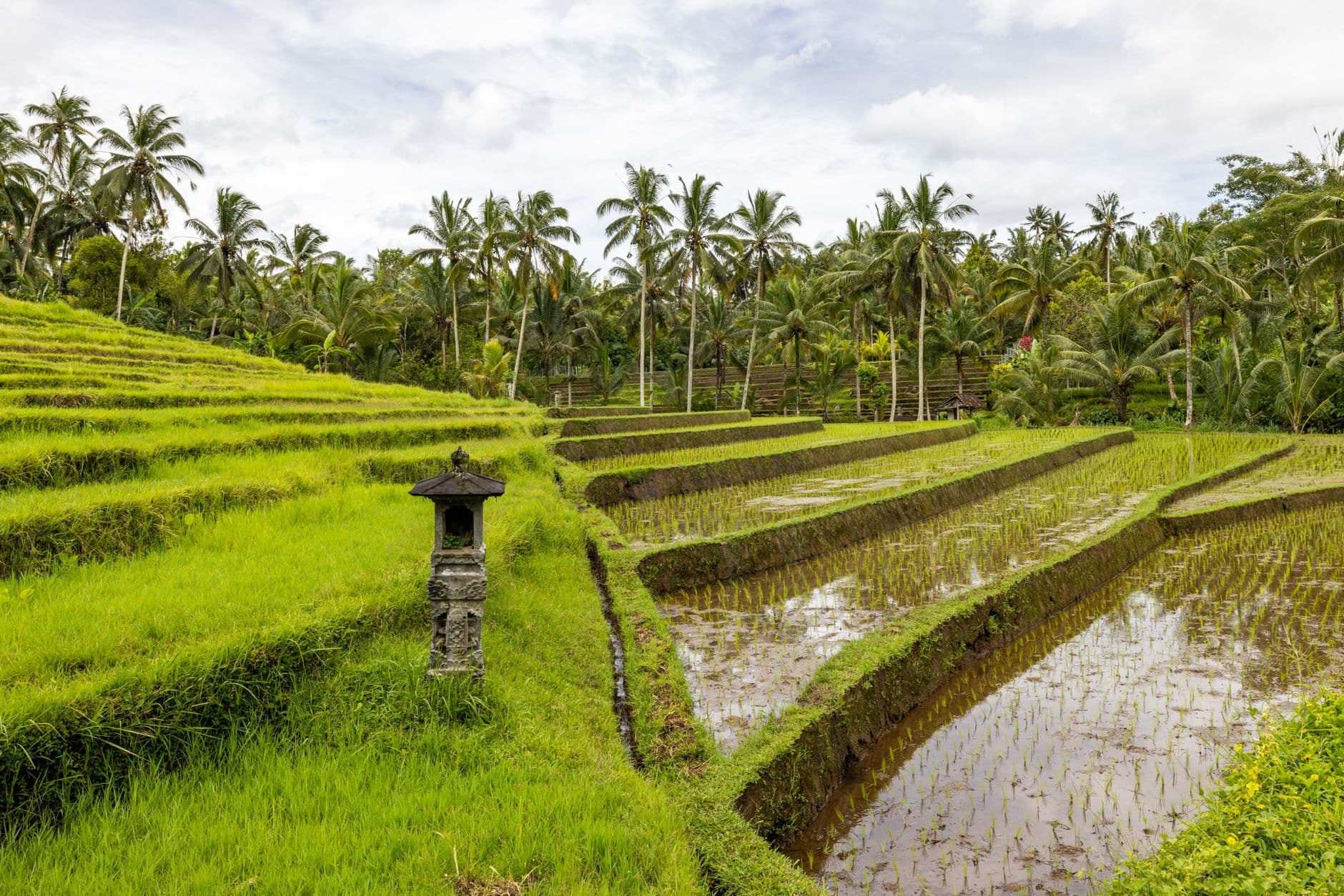
Ubud's Tegallalang Rice Terraces, a 15-minute drive north of town, are stunning year-round but particularly photogenic during monsoon season when the paddies fill with water. Early morning light—around 7:00–8:00 AM—catches the terraces before crowds and heat peak. Admission runs roughly 30,000 IDR ($2 USD). A guide enhances the experience; negotiate rates around 300,000–500,000 IDR ($18–30 USD) for a two-hour tour covering the paddies and nearby villages.
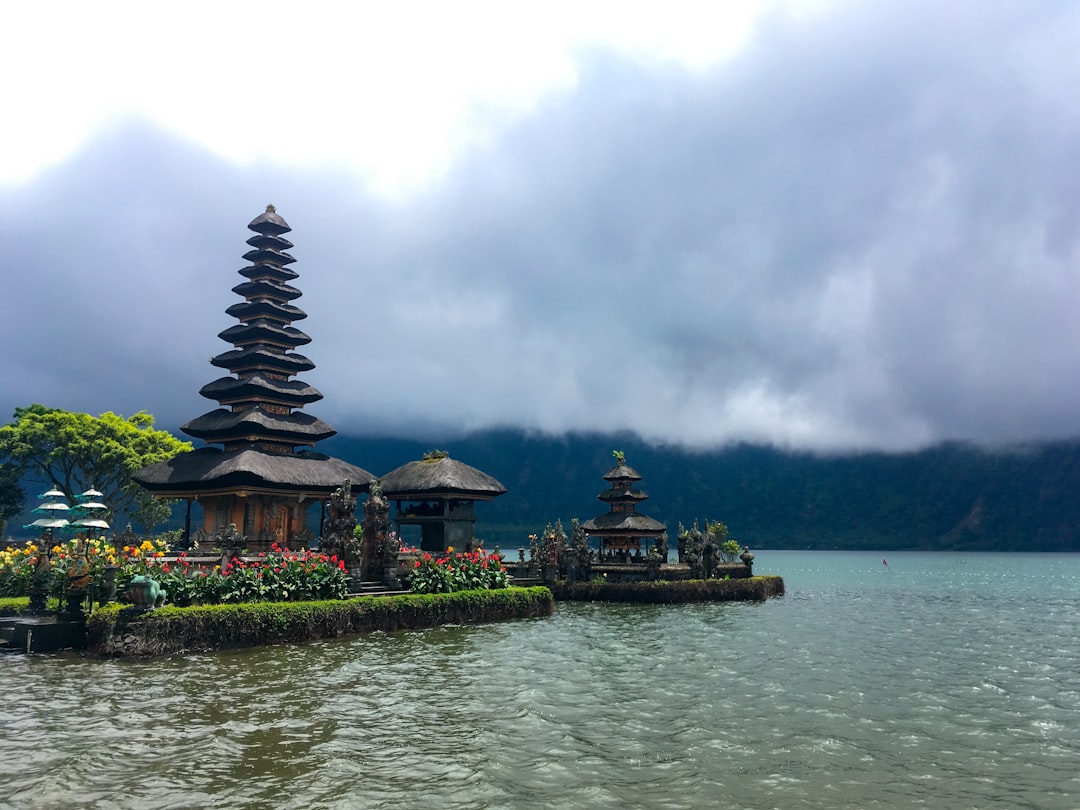
Temples reward exploration beyond the famous landmarks. Tirta Empul, about 30 minutes northeast of Ubud, is an active place of worship centered on a spring-fed pool where Balinese Hindus bathe ritually. Entry costs approximately 30,000 IDR. The site floods with day-trippers mid-morning; arrive by 7:30 AM or after 4:00 PM to encounter mostly worshippers. Wear sarongs or carry scarves to cover shoulders and knees—these are working temples, not historical sites.
Cooking classes are a winter highlight. Morning classes at establishments like Warung Pulau Kelapa or Karsa Kafe typically cost 300,000–500,000 IDR ($18–30 USD), include market visits and a meal, and run 4–5 hours. You learn to prepare sambal, satay, and curry from cooks who have made the same dishes for years. These are not performance classes; you work alongside locals in kitchens designed for actual cooking, not camera angles.
The Ubud Art Market (Pasar Seni) operates daily and offers genuine local crafts alongside tourist trinkets. Haggling is expected and part of the social contract—opening offers are often 2–3 times the seller's true target. Woodcarvings, textiles, and silver jewelry reflect regional traditions; asking where something was made usually opens conversations about the artisans behind it.
Practical Winter Logistics
Getting to Ubud takes 1.5–2.5 hours from Ngurah Rai Airport near Denpasar by car, depending on traffic. Grab (Southeast Asia's ride-hailing app) quotes typically run 250,000–350,000 IDR ($15–21 USD) for the route; book in advance if arriving during evening rush. A scooter offers independence but demands comfort navigating rain and traffic; rental runs 100,000–150,000 IDR per day ($6–9 USD), though insurance and fuel push true costs higher. Most travelers in winter opt for rides or guided tours rather than self-driving.
Pack light rain gear—a compact poncho or packable jacket works better than an umbrella in sudden downpours. Waterproof phone cases protect devices when humidity and spray are constant. Wear quick-dry fabrics; humidity means clothing dries slowly. Hydration matters; afternoon rain does not cool the air permanently, and humidity persists between storms. Bring electrolyte supplements or seek young coconuts (kelapa muda) sold throughout Ubud for about 15,000 IDR ($1 USD) each.
ATMs are reliable in Ubud and major towns but rare in villages. Carry cash in denominations that permit haggling and small transactions. Many small warungs (local food stalls) do not accept cards. Grab and Gojek (a local delivery and ride-sharing platform) work in Ubud but coverage thins in outlying areas.
Tap water in Ubud is not reliably safe; drink bottled water or use a filter. Dengue fever exists but is not epidemic; use insect repellent, especially at dusk. Travel insurance is wise—medical facilities in Ubud are adequate for routine issues but limited for emergencies. Pharmacies (apotek) are common and staff speak English; prescriptions are often unnecessary for over-the-counter drugs available in your home country.
Eating and Drinking: Local Food in Winter
Ubud's food scene spans street-level to fine dining. A plate of nasi goreng or mie goreng from a roadside warung costs 25,000–40,000 IDR ($1.50–2.50 USD) and represents authentic home cooking. Restaurants targeting tourists near the market charge 50,000–100,000 IDR ($3–6 USD) for similar dishes with ambient comfort. Upscale restaurants run 150,000–300,000 IDR ($9–18 USD) per person for a meal with drinks.
Monsoon season brings fresh fruit and vegetables. Night markets (pasar malam) pop up several nights a week and offer grilled skewers, fried tofu, and fresh juice blends at very low prices. Prices are highest during heavy rain when supply tightens, but seasonal produce—mangoes, pineapples, jackfruit—peaks in availability and flavor. Coffee culture thrives; a local coffee drink costs 20,000–30,000 IDR ($1.25–2 USD) at casual spots.
Winter travel to Bali requires flexibility and cultural knowledge that solo planning often misses. A Cordelie travel advisor can book accommodations before prices rise in late December, arrange cooking classes and temple visits with vetted local guides, and build contingency plans around the rain schedule. They also handle visa logistics and travel insurance tailored to monsoon travel. Their expertise pays for itself when unexpected weather changes force itinerary shifts or you discover a temple visit is restricted on a particular day. Contact Cordelie to connect with an advisor who specializes in off-season Bali.
The Case for Winter in Bali
Bali in December through March asks visitors to release expectations built by peak-season brochures. You will not lounge by pools without showers interrupting. You will not sunbathe or swim safely. The island shows up differently in monsoon: more intimate, less polished, more responsive to how Balinese people actually live. Temples feel like places of practice rather than performance. Terraces glow with flooded water. Villages remain villages instead of becoming open-air museums. Prices drop substantially across accommodation, food, and activities. If you want access to authentic Bali rather than Bali as a resort destination, monsoon season delivers.
Last checked for accuracy: . How we check

Sarah Chen has covered Asia for twelve years, first as a wire reporter in Jakarta and now from Singapore, where she keeps a standing list of the region's most misunderstood destinations. She writes about the distance between what a place is famous for and what it is actually like to spend a week in — and is happiest on an overnight train with a bad seat and a good view.
Related Articles
The Best Things to Do in Bali
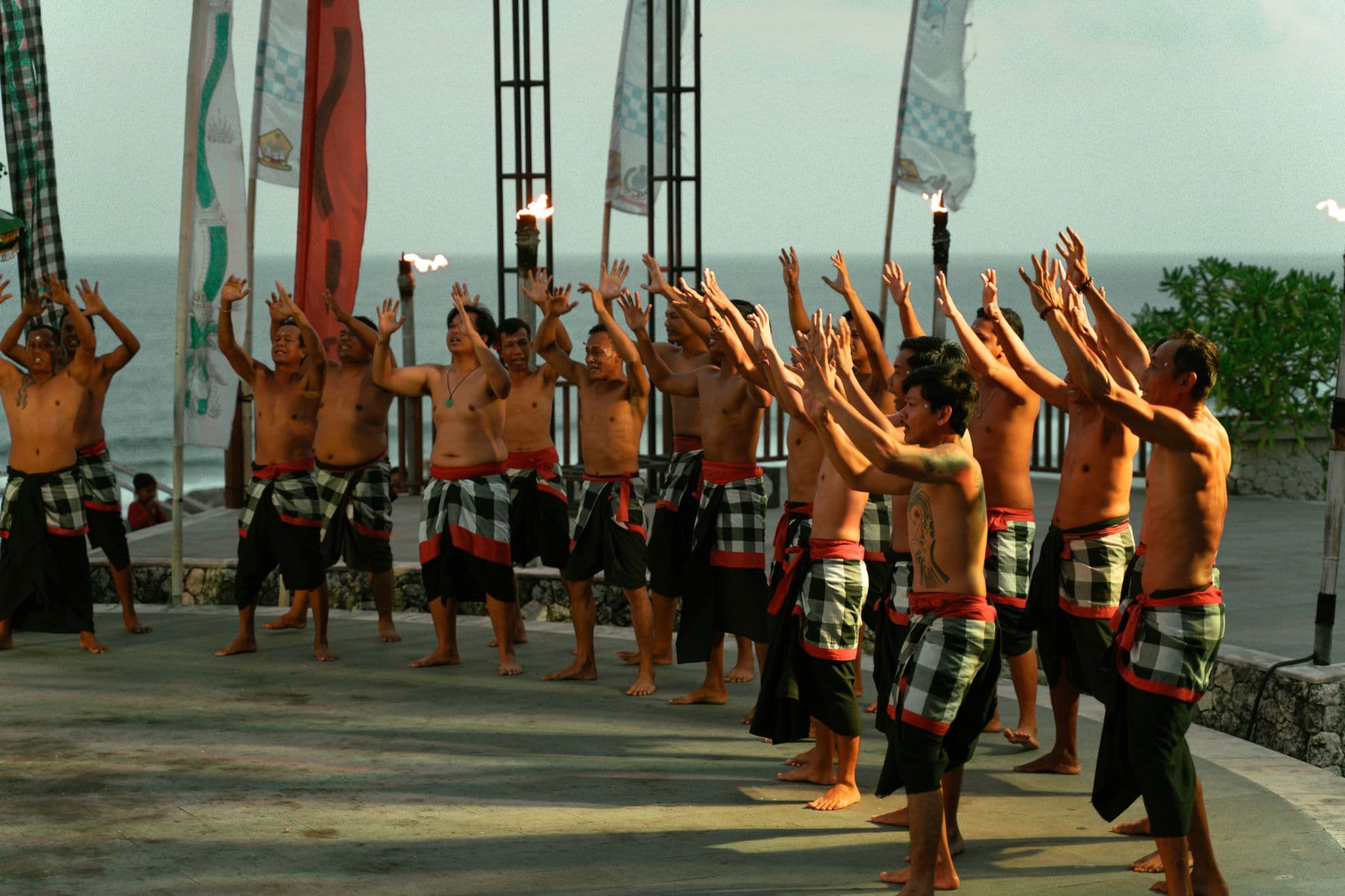
From cliffside fire dances at Uluwatu to sunrise treks up Mount Batur, we ranked Bali's eight essential experiences for fall travelers seeking clear skies, calmer seas, and fewer crowds.

The Complete Guide to Bali: What to See, Do & Eat
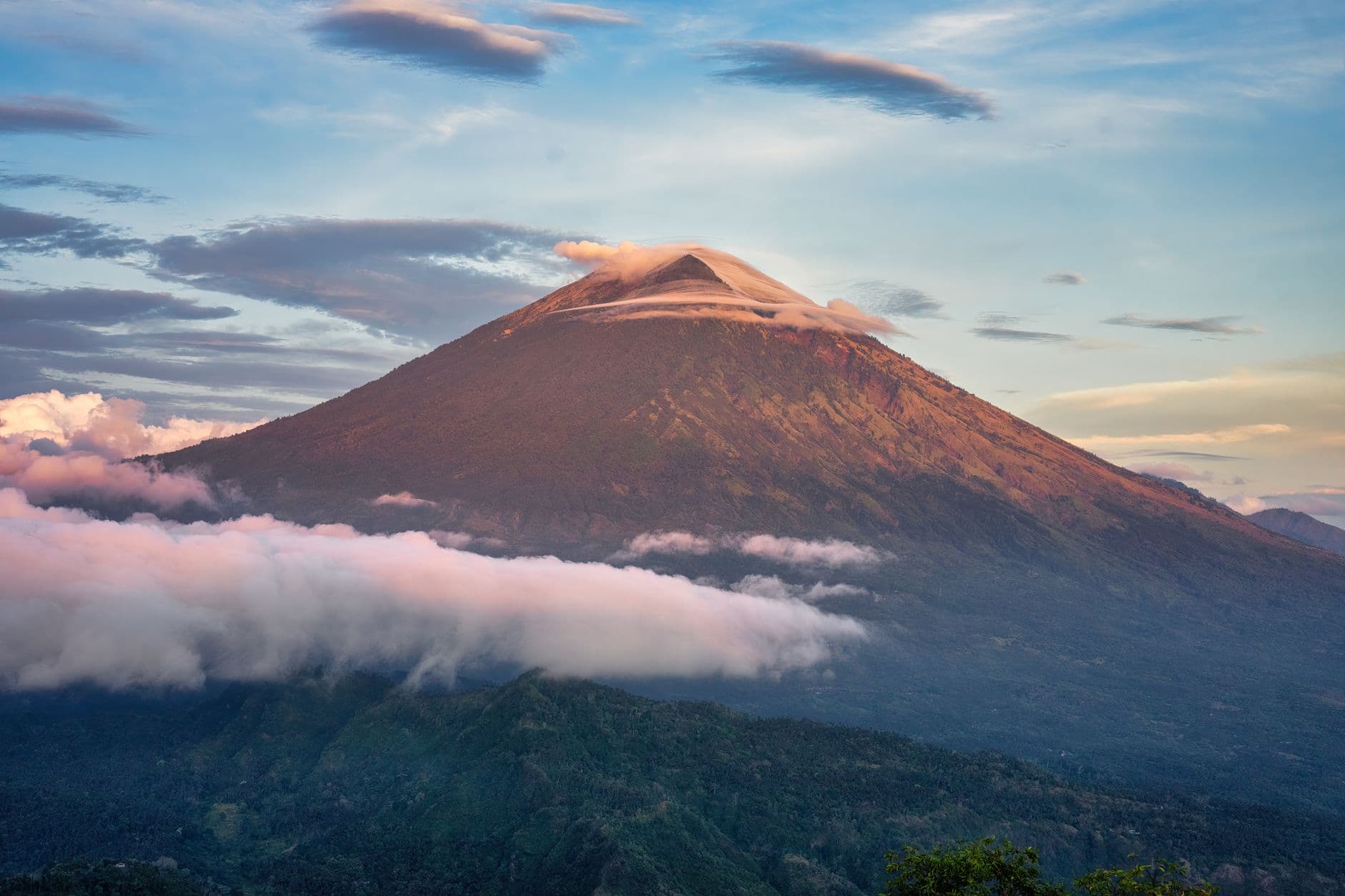
From volcano sunrises to clifftop temples and rice-paddy villas, this complete guide covers everything you need to plan an unforgettable fall trip to Bali.
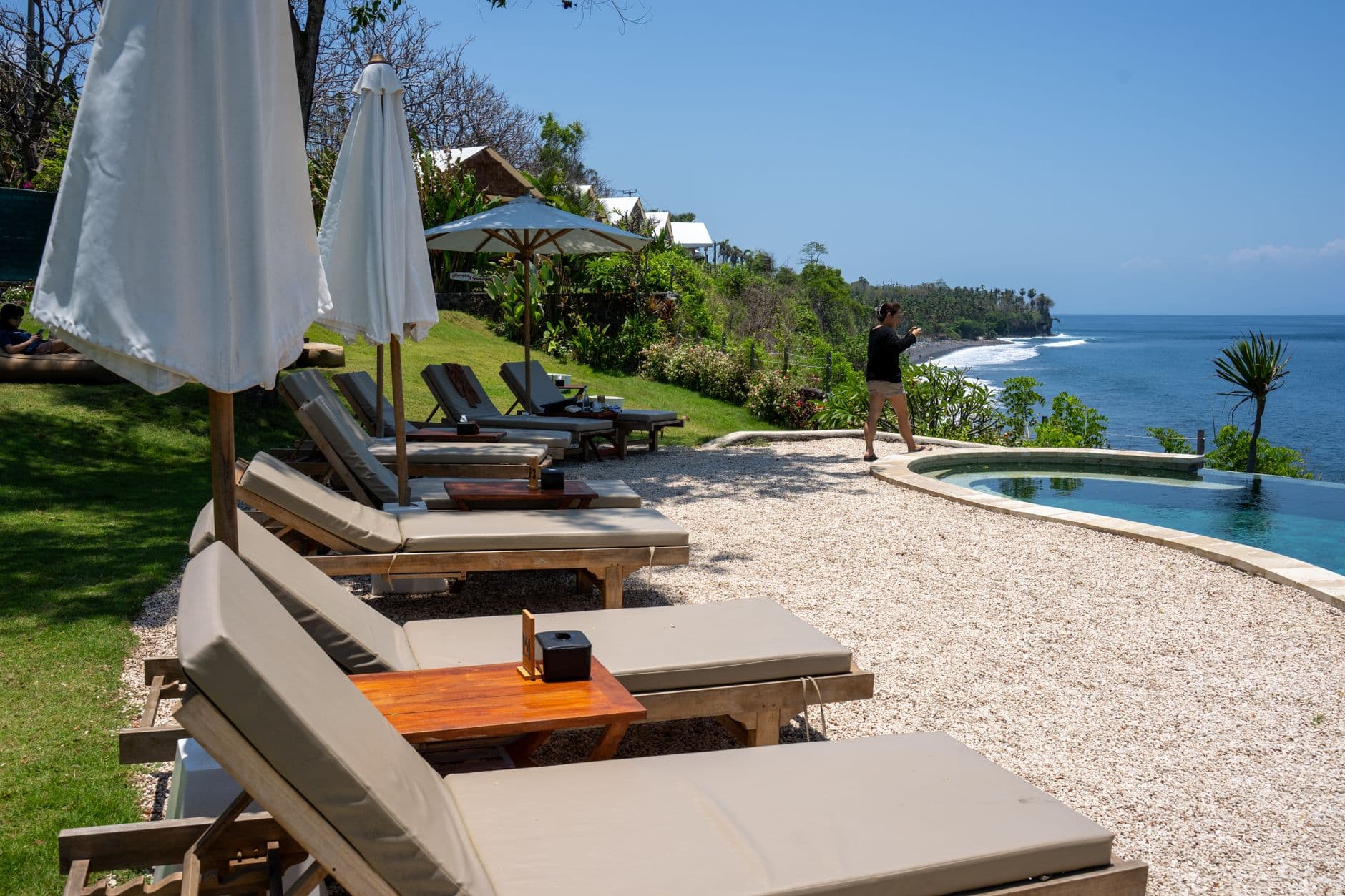
My Week at the Four Seasons Bali: A Trip Report
A detailed trip report from one of Bali's most celebrated luxury resorts — the riverside sanctuary where infinity pools meet ancient rice terraces.