
Amazon River Cruise Essentials: What to Expect Sailing Manaus to the Meeting of Waters

Amazon River Cruise Essentials: What to Expect Sailing Manaus to the Meeting of Waters
Where Two Rivers Collide and the Amazon Reveals Itself
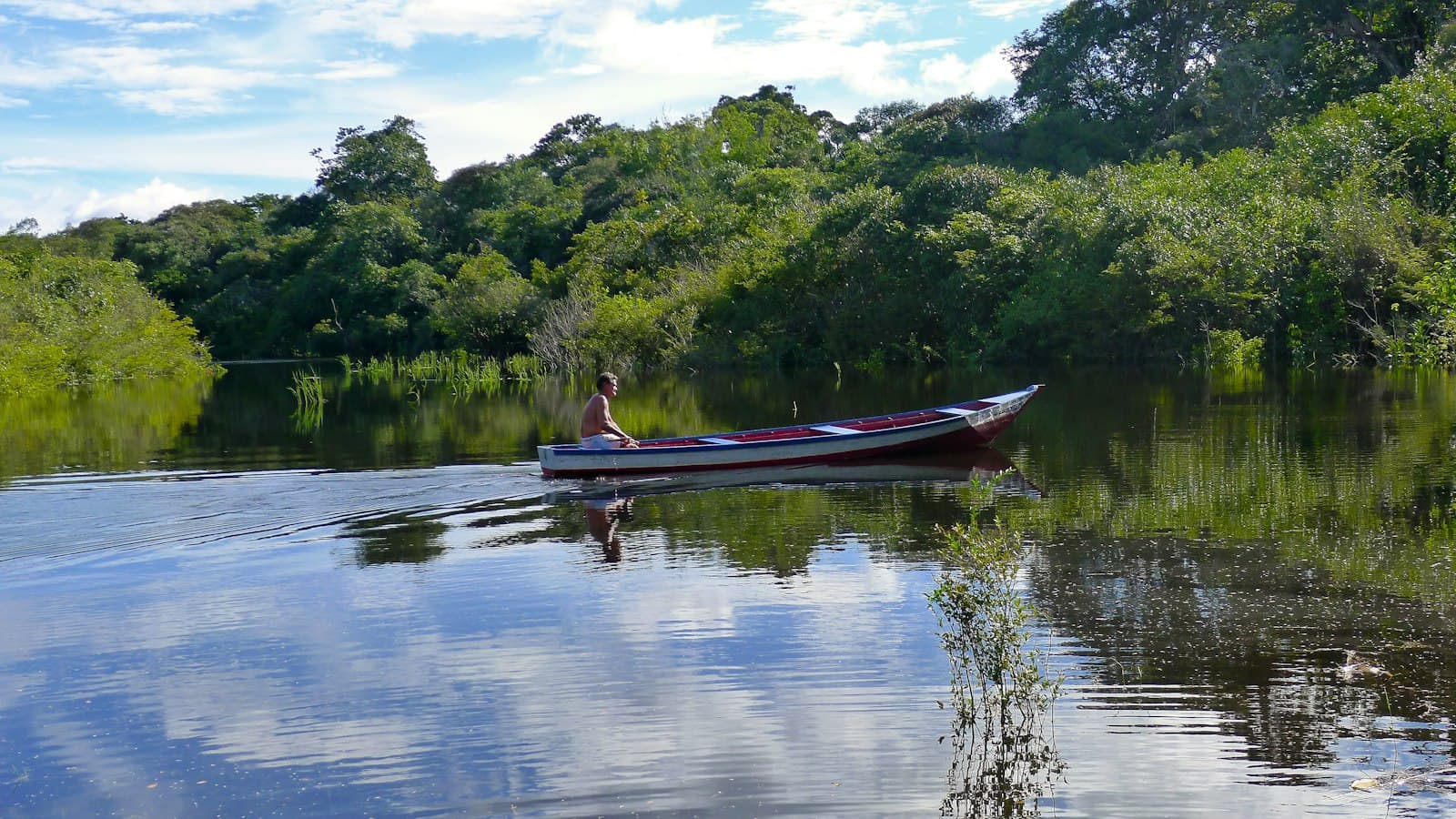
Fly roughly four and a half hours north from São Paulo, or about three hours from Lima, and you touch down in Manaus, a river city of more than a million people stranded in the middle of the rainforest with no roads connecting it to the rest of Brazil. From here, every onward journey happens by boat. Within an hour of leaving the dock, you can be floating at the Meeting of Waters, where the near-black Rio Negro and the café-au-lait Rio Solimões run side by side without blending for several kilometers before forming the Amazon proper.
A river cruise out of Manaus is not a cruise in the Caribbean sense. There is no port-hopping between towns with duty-free shops. Instead, the ship or riverboat becomes your only fixed point in a landscape that changes by the hour, moving between flooded forest, narrow blackwater creeks (igarapés), and riverside communities where the forest, not the itinerary, sets the pace.
Manaus to the Meeting of Waters: Quick Facts
High Water or Low Water: Timing a Spring Sailing Right
Because the Amazon basin sits south of the equator in its upper reaches but Manaus is near-equatorial, the usual spring-and-fall framing of temperate travel does not apply here. There is no cold season. Daytime temperatures sit in the high 80s to low 90s Fahrenheit (around 30-33°C) nearly every month, with humidity that makes the air feel heavier than the thermometer suggests.
What changes is the water level, by as much as 30 feet (roughly 9 meters) between the dry low-water months and the flooded high-water months. A Northern Hemisphere spring sailing lands you in the tail end of the Amazon's high-water season, when the Rio Negro and Rio Solimões are swollen and the flooded forest, or igapó, is navigable by canoe straight through the trees. This is prime time for close-up wildlife, since animals are concentrated along the waterline and your skiff can glide into forest that is dry ground the rest of the year. The trade-off is that some beaches and riverside walking trails are underwater, so trail-based hikes give way to canoe and skiff excursions.
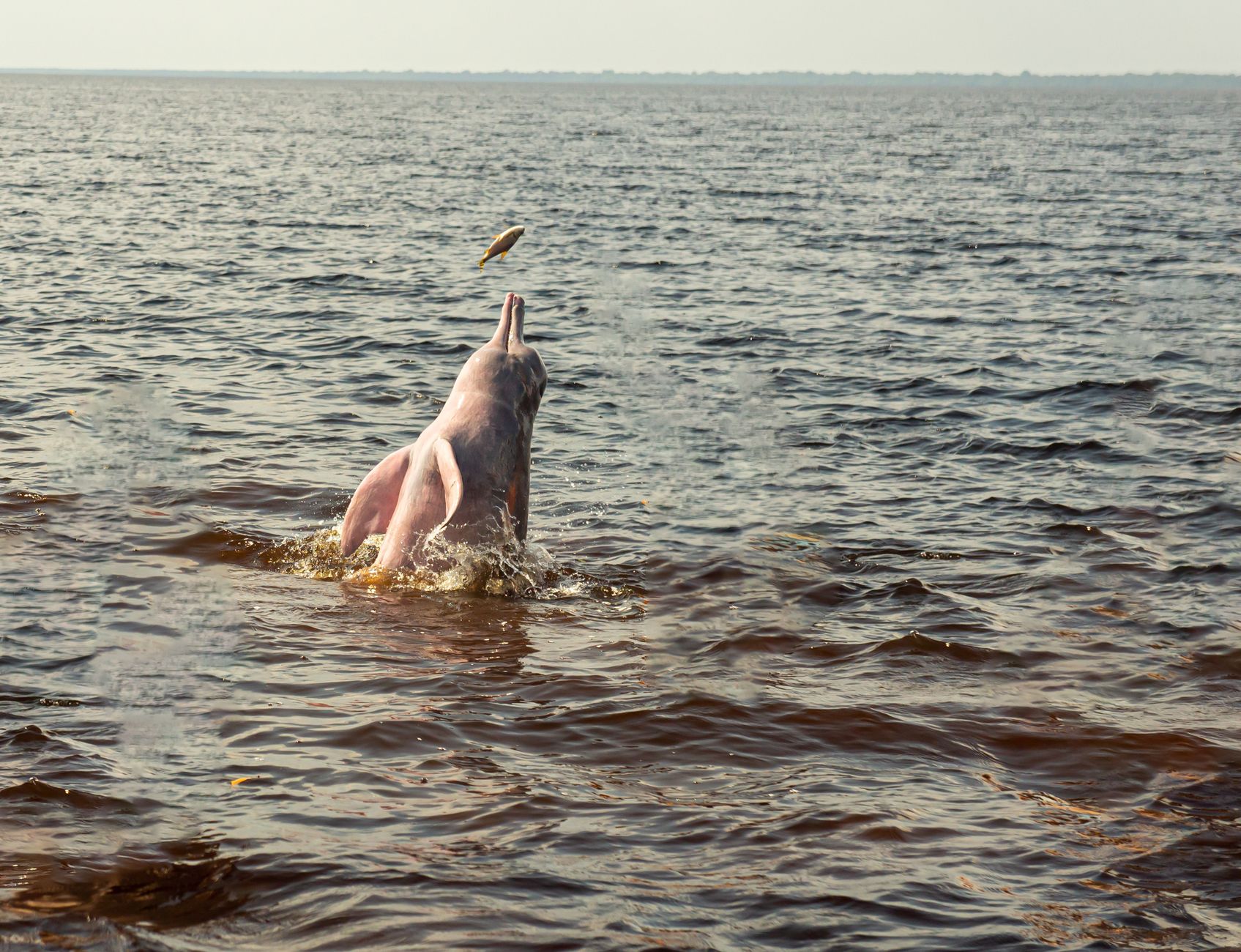
Rain falls most afternoons regardless of season, usually as a sharp 30-to-60-minute downpour rather than an all-day soak, so pack for both sun and sudden rain. If you specifically want sandy river beaches, firmer forest trails, and the chance to spot pink river dolphins (botos) in clearer shallows, aim instead for the low-water months of August through October.
Cordelie travel advisors
Go with someone who knows
The right suite, the right season, the reservations that never appear online — your Cordelie advisor knows them, and holds them for you.
Plan with a Cordelie advisorFree to ask. Cordelie Travel Services · IATA/ARC 06649064
From Canoe Creeks to Caiman Spotting: What Fills the Days
Days aboard a Manaus-based riverboat follow a rhythm built around light and heat: an early skiff excursion before 7am while animals are active and the air is still cool, a midday break for lunch and a swim or siesta, and a second excursion in late afternoon that often runs into a night search for caimans and nocturnal frogs using handheld spotlights. Expect two excursions most days, each lasting roughly 90 minutes to two and a half hours, departing from the mother ship in open-sided aluminum skiffs that seat 8 to 16 passengers.
The Meeting of Waters itself is usually a brief, dramatic stop rather than a full excursion — most itineraries pass through it within the first hour or two after leaving the Manaus dock, pointing out the visible line where the two rivers run parallel before merging. The more immersive experiences come afterward: paddling a canoe through flooded igapó forest in the Anavilhanas Archipelago, a maze of more than 400 river islands roughly two to three hours upriver from Manaus by boat; piranha fishing from a stationary skiff with simple hand lines; and visits to riverside caboclo communities where families demonstrate manioc processing and sell handicrafts.
Wildlife sightings on the Amazon reward patience more than luck. Guides are genuinely skilled at spotting sloths and squirrel monkeys in the canopy and caimans at the waterline, but a cruise brochure photo of a jaguar on a riverbank is the exception, not the norm — plan your expectations around birds, monkeys, dolphins, and insects rather than big cats, and treat any large mammal sighting as a bonus.
Scenes from the River Between Manaus and the Confluence
Afloat or Ashore: Choosing Your Base in Manaus and on the River
Most itineraries begin and end with at least one night in Manaus, which is worth building into your plans rather than treating as a layover. The Hotel Villa Amazônia and the Juma Ópera Hotel both sit within a short walk of the Teatro Amazonas and the Mercado Municipal, and either makes a comfortable base for roughly 500-800 BRL a night (late 2025 range). If you want the port within sight of your window, the Tropical Executive Manaus sits on the Rio Negro waterfront a few minutes from the EMAMTUR cruise terminal.
Onboard, the choice is really between two different trips wearing the same label: small expedition riverboats and larger hotel-style ships. Operators such as Amazon Clipper Cruises run wooden-hulled vessels like the Clipper Premium and Clipper III, carrying roughly 18 to 30 passengers, with simple but comfortable cabins and a shallow draft that lets them nose into narrower channels. Rotta Cultural's Katerre pushes the same small-ship format into a more design-forward register, with suites and a higher per-cabin price to match. At the other end sits the Iberostar Grand Amazon, a far larger vessel carrying several hundred passengers with multiple restaurants, a spa, and a pool — closer in feel to a coastal cruise ship than a jungle lodge afloat, and better suited to travelers who want resort-level amenities alongside the wildlife excursions.
The practical difference shows up in the skiffs: a 20-cabin riverboat might launch two or three small excursion boats at once, while a 300-passenger ship needs considerably more rotations to get everyone ashore, which can mean longer waits and shorter time per excursion. If close, quiet wildlife viewing is the priority, size down.
Tucupi, Tambaqui, and the Taste of the Rainforest
Amazonian cuisine runs on the river itself. Tambaqui, a broad-bodied fish often grilled whole on a split spit over charcoal, is the dish most riverboats serve at least once, alongside pirarucu, a firmer, meatier river fish sometimes compared to cod. Tucupi, a bright yellow sauce made from fermented manioc juice, flavors everything from stewed duck (pato no tucupi) to simple rice. Juçara and açaí appear here in their unsweetened, savory original form rather than the sugary smoothie bowl version familiar abroad — worth trying once for the contrast alone.
In Manaus itself, the Mercado Municipal Adolpho Lisboa, a wrought-iron market building modeled on Paris's old Les Halles, is the place to see Amazonian produce before you ever set foot on a boat: tucumã fruit, dried pirarucu, and stalls of medicinal roots sold by riverine herbalists. For a sit-down meal before embarkation, Banzeiro in the Adrianópolis neighborhood takes Amazonian ingredients into a more composed, restaurant-style presentation and is worth the 20-minute taxi ride from the port.
“The river doesn't care what day it is. You learn to read it instead — how high it's running, which way the light is falling — and the trip rearranges itself around that.”
Boats, Skiffs, and the Logistics of a River-Only Region
Getting from Eduardo Gomes International Airport to your ship is the one piece of land logistics in an otherwise waterborne trip. Most cruise operators include a transfer, met at arrivals and driven roughly 30-45 minutes to the EMAMTUR port or a private dock, depending on which company you sail with. If you are arriving independently, a taxi or rideshare from the airport to central Manaus runs about 60-90 BRL and takes 25-40 minutes outside rush hour.
Once aboard, you will not touch a car again until disembarkation. All movement happens by skiff, canoe, or the ship's own slow progress upriver or down, and schedules bend around daylight, tide-like river fluctuation, and weather rather than clock time — departures posted for 6:30am sometimes slip to 6:45 or 7:00 if a sudden squall needs to pass first. Builds in flexibility, and you should too: this is not a trip for travelers who need a fixed hour-by-hour itinerary honored exactly.
A Three-Night Taste of the Rio Negro and Rio Solimões
Manaus Embarkation and First Light at the Meeting of Waters
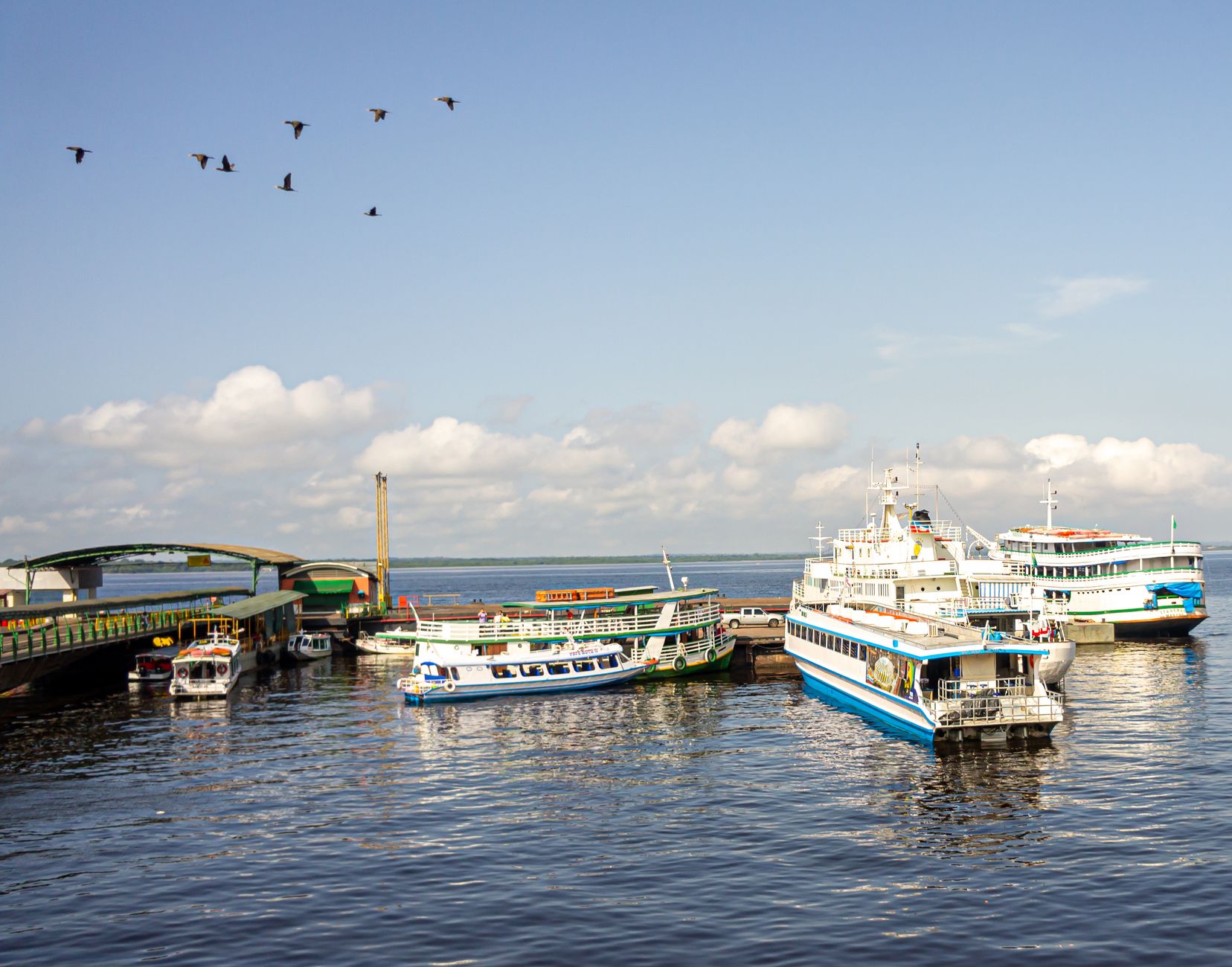
Transfer from Eduardo Gomes International Airport to the Manaus port in the early afternoon, allowing time before boarding for a short walk past the Teatro Amazonas if your flight lands early enough.
Board by around 2pm and settle into your cabin before the ship pushes off, reaching the Meeting of Waters within the first hour as the Rio Negro's dark tannin-stained water runs visibly alongside the pale silt of the Rio Solimões.
Late afternoon brings the first skiff excursion into a nearby igarapé, with a good chance of spotting squirrel monkeys and the occasional sloth in the canopy before dinner is served onboard around 7:30pm.
Deep into Anavilhanas: Flooded Forest and Night Caimans
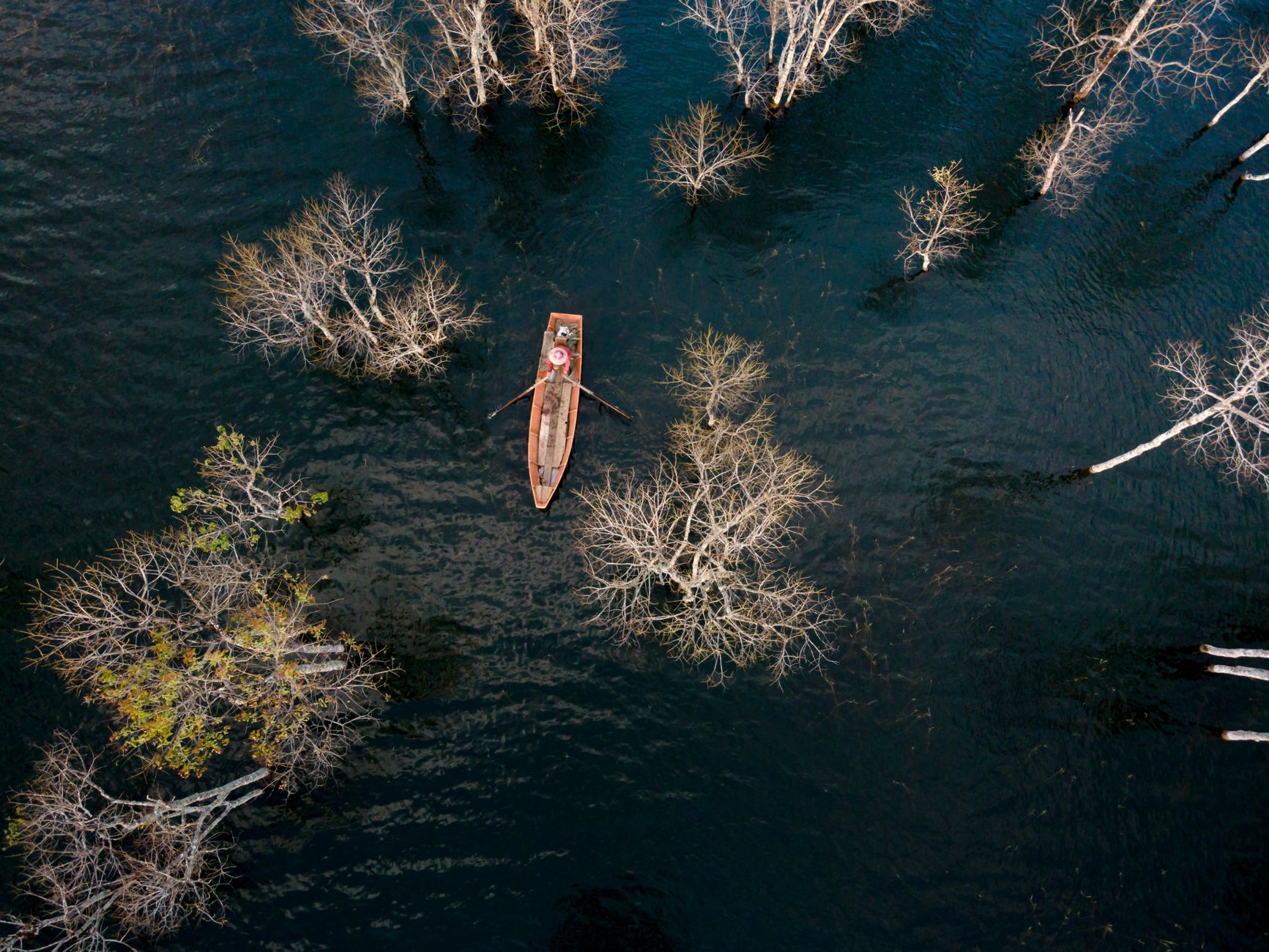
An early skiff departure around 6:30am heads into the Anavilhanas Archipelago, where high water allows canoes to paddle directly beneath the forest canopy among more than 400 river islands.
Midday is unstructured time back aboard — a swim off the ship, a hammock on deck, or a short rest before the heat peaks in early afternoon.
After a late-afternoon piranha-fishing excursion with simple hand lines, guides lead a night search by spotlight for caimans resting at the waterline, usually departing around 7pm for 60-90 minutes.
A Riverside Community and the Return to Manaus
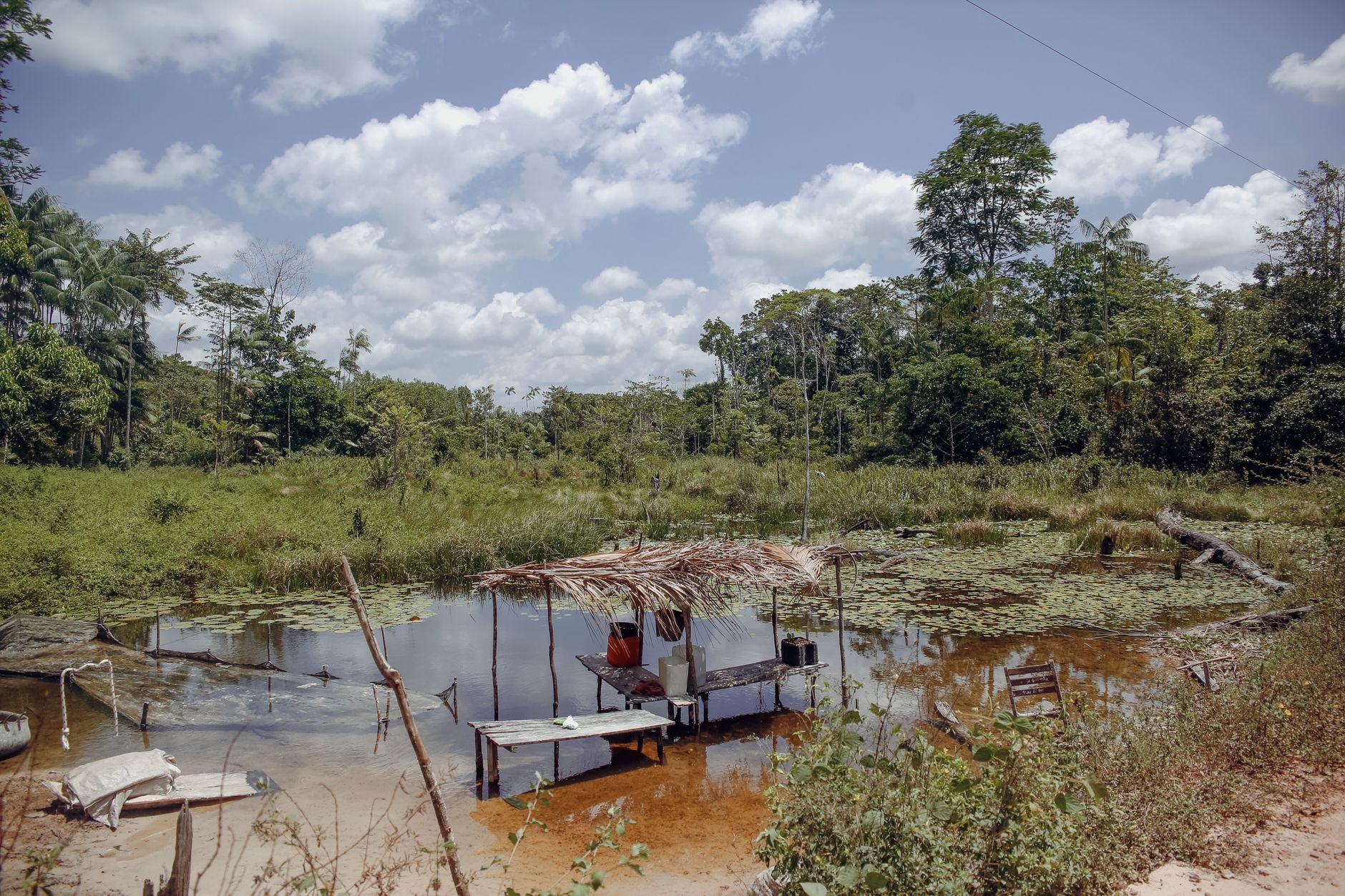
Morning visit to a riverside caboclo community, where families demonstrate manioc processing into farinha and tapioca and sell handwoven baskets and carved items directly from their homes.
A final skiff excursion before lunch often targets a quieter channel for bird-watching, with hoatzins, kingfishers, and macaws among the likely sightings depending on season.
The ship turns back toward Manaus in the early afternoon, docking by late afternoon for disembarkation and onward transfer to the airport or a Manaus hotel for the night.
On a river where the view out your window changes meaning depending on which bank the ship hugs that night, cabin position is not a detail to leave to chance. A Cordelie travel advisor can match you to the riverboat or ship whose size, route, and season suit the way you actually want to experience the Amazon — intimate and canoe-based, or spacious with resort amenities — and secure the cabin and excursion schedule that make the most of it.
Reach out at https://cordelie.com/contact to start planning a sailing built around the Amazon you want to see, not the one that happens to have availability.
Amazon River Cruise Essentials: The Verdict
A genuinely immersive wilderness trip best suited to travelers who can embrace a flexible schedule and real heat and humidity in exchange for close, unfiltered wildlife and river scenery found nowhere else.
Choose a small expedition riverboat for intimate wildlife access and flexible canoe excursions, or a larger ship like the Iberostar Grand Amazon for resort comforts alongside the itinerary.
A spring sailing lands in high-water season — expect flooded forest canoe trips rather than beach walks, daily rain showers, and temperatures in the low 90s°F.
Pack insect repellent, lightweight long sleeves, and check yellow fever vaccination guidance well ahead of departure, since Manaus sits in a region where it is commonly recommended.
Last checked for accuracy: . How we check

Priya Raman has spent eleven years testing whether a destination works with a four-year-old, a teenager and a grandparent in the same party. She writes the version of the guide that accounts for nap times and still gets you to the good stuff, and travels from Toronto with a carry-on she can pack in nine minutes.