
Above the Clouds: Tracing Mendoza's High-Altitude Uco Valley Wine Trail
Where Malbec Learns to Sing at 1,200 Meters
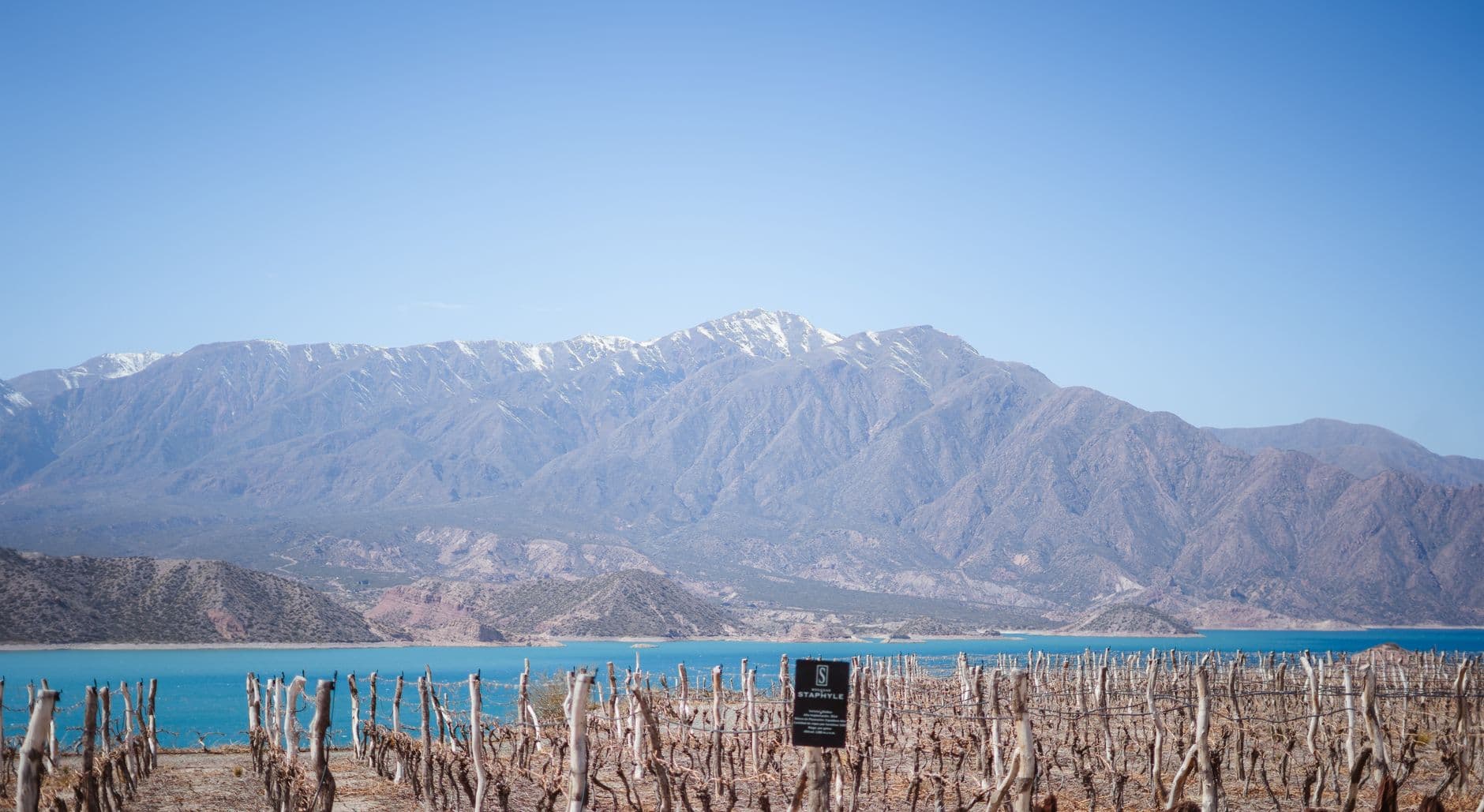
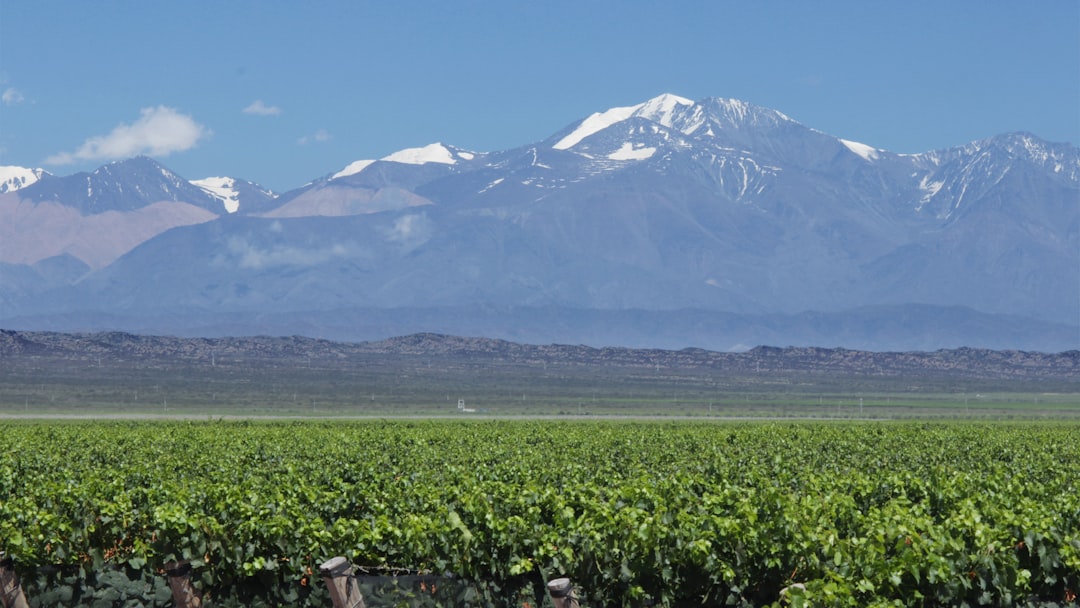
Ninety minutes south of Mendoza city, the flat, dusty vineyards of Luján de Cuyo give way to something else entirely. The land tilts upward. The air thins and sharpens. And the Andes, instead of sitting on the horizon like scenery, suddenly feel close enough to touch. This is the Uco Valley, a stretch of high-desert terrain running through the departments of Tunuyán, Tupungato, and San Carlos, where vineyards climb as high as 1,500 meters above sea level and the resulting Malbecs taste like nothing grown on the valley floor below.
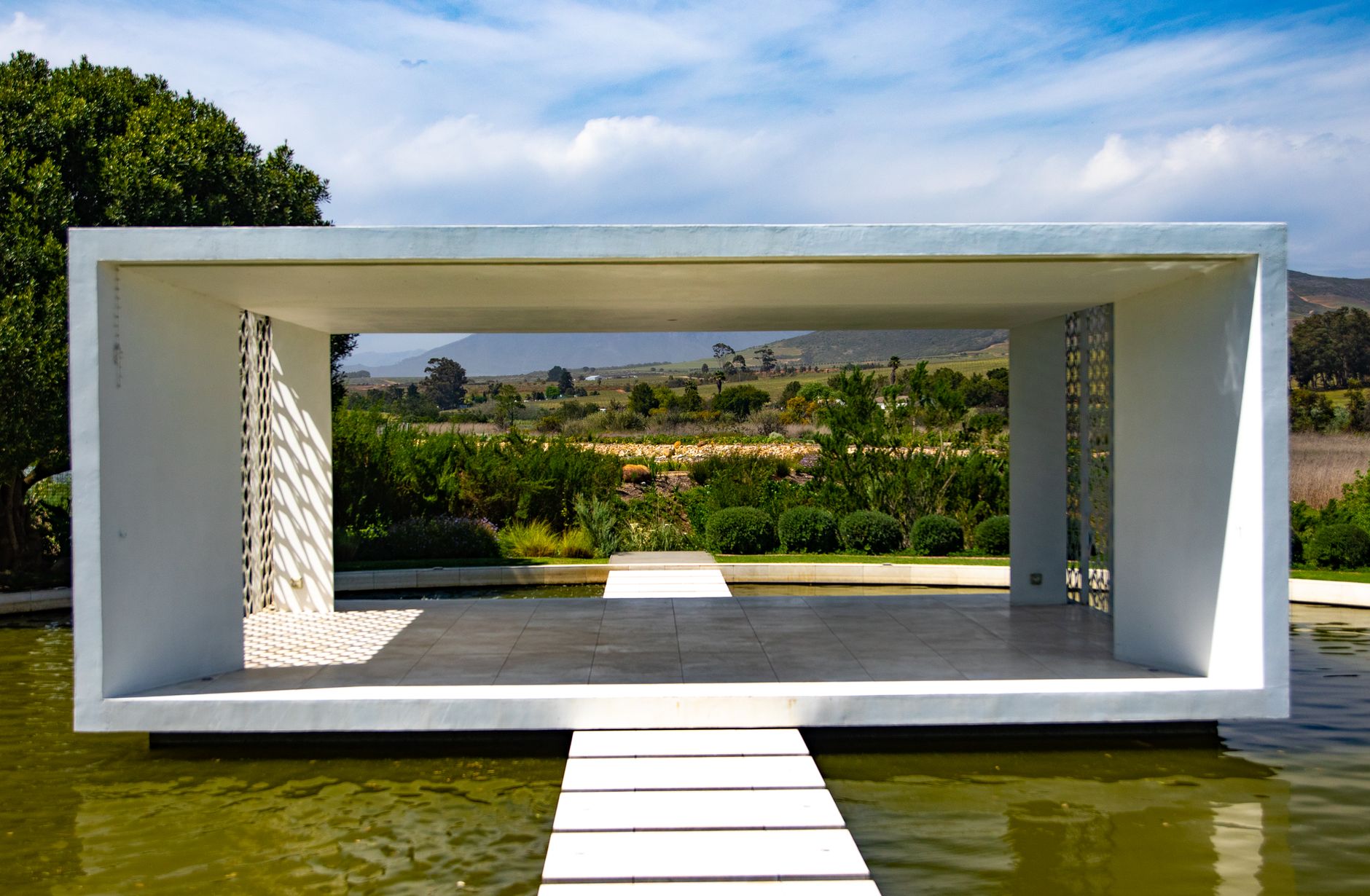
What draws food-and-wine travelers here isn't just the wine, though the wine alone would justify the drive. It's the whole package: tasting pavilions built by architects who understood the Andes deserved better than a shed, farm-to-table restaurants run by chefs who forage the estate's own herb gardens, and a pace of life set by harvest and sunlight rather than a clock. Spring, when the vines leaf out green against still-snowy peaks and the air carries the scent of blossoming almond and quince trees along the roadside, is one of the valley's most photogenic and least crowded windows.
Uco Valley Quick Facts
Spring Bud Break vs. Autumn Harvest: Timing Your Visit
Spring in the Uco Valley runs roughly from September through November, and it's a quieter, greener counterpoint to the valley's famous autumn harvest crowds. The vines break dormancy in early September, and by mid-October the rows are thick with tender green growth, while the surrounding poplar windbreaks and roadside orchards blossom in white and pink. Daytime temperatures typically sit in the high teens to low 20s Celsius, though nights can still dip close to freezing in September, so bring a proper jacket even if the afternoon feels warm.
This is also the season when winemakers are most willing to talk shop, since the frantic pace of harvest and crush is still months away. Many estates run flowering-season pruning and canopy work you can watch from the vineyard paths. If you're chasing the drama of an active harvest instead, come back between late February and mid-April, when pickers move through the rows at dawn and tasting rooms buzz with the smell of fermenting must. Whichever season you choose, book winery visits at least two to three weeks ahead; the smaller, family-run bodegas often cap tasting groups at eight to twelve people.
Cordelie travel advisors
Planning Uco Valley? Go with someone who knows
The right suite, the right season, the reservations that never appear online — your Cordelie advisor knows them, and holds them for you.
Plan with a Cordelie advisorFree to ask. Cordelie Travel Services · IATA/ARC 06649064
The Estates Where Altitude Becomes a Flavor
Start any serious tasting itinerary in Paraje Altamira, one of the valley's most decorated sub-districts, at Zuccardi Valle de Uco. The winery's Piedra Infinita tasting pavilion, all raw concrete and floor-to-ceiling glass, was built directly over the limestone-flecked calcareous soil that gives the estate's single-vineyard Malbecs their mineral edge. Book the guided walk through the experimental vineyard blocks before your tasting; it's the clearest explanation you'll get anywhere in Argentina of why soil, not just altitude, shapes a wine. The on-site Fuente restaurant serves a tasting menu built around a wood-fired oven, with courses timed to pair against wines poured a few meters from where the grapes grew.
In Gualtallary, the valley's highest and coolest sub-zone at up to 1,500 meters, SuperUco offers a smaller, more intimate counterpoint. Run by the Michelini family alongside consulting winemaker Michel Rolland, the biodynamic estate pours single-parcel Malbecs that show the linear acidity and firm tannin structure altitude tends to produce, alongside a Criolla-based project that traces Mendoza's older winemaking roots. A short drive away, Domaine Bousquet's organic vineyards sit against a near-uninterrupted Andes panorama, and its tasting terrace is one of the better spots in the valley for a relaxed midday glass without a formal reservation.
Bodega Salentein, in the Los Árboles district near Tunuyán, pairs serious wine with serious art: its underground cellar is built in the shape of a cross, and the adjoining Killka space houses a rotating contemporary art collection alongside its restaurant. For lunch with theater, head to Vista Flores and The Vines of Mendoza resort, where Argentine chef Francis Mallmann's Siete Fuegos restaurant cooks almost everything over open flame across seven different fire stations. Reserve well ahead, request an outdoor table, and plan for a two-hour, multi-course lunch rather than a quick bite.
Faces of the Uco Valley Wine Trail
Sleeping Among the Vines: Wine Resorts and Boutique Estancias
The Uco Valley's best sleep option for a wine-focused trip is The Vines Resort & Spa in Vista Flores, where private villas and suites, roughly USD 400 to 700 a night depending on season, come with their own small vineyard plots and views straight at the Cordón del Plata range. It's an easy base for two full days of tastings without ever getting back on the highway. Casa de Uco Vineyards & Wine Resort, closer to Tunuyán, runs a similarly high-end program with an on-site winery, spa, and restaurant, and tends to run slightly less than The Vines in the USD 300 to 550 range.
For a lower-key, mid-range stay, Tupungato Divino offers comfortable rooms with mountain views for roughly USD 130 to 220 a night, and puts you within a short drive of Domaine Bousquet and the Gualtallary wineries. Budget travelers often base themselves in Mendoza city instead and do the valley as a long day trip; hostels and mid-range hotels around the pedestrian Peatonal Sarmiento run from about USD 25 to 90 a night, though you'll trade the vineyard-view breakfast for a smoother, faster route back to city restaurants and nightlife.
Asado, Malbec, and the Slow Andean Lunch
Food in the Uco Valley moves at the pace of a good asado: slowly, and around a fire. Beyond the destination winery restaurants, look for the smaller, family-run parrillas in Tunuyán and San Carlos serving provoleta (grilled provolone with oregano and chili flakes) and cuts of beef cooked over quebracho wood coals. Empanadas here lean toward a Cuyano style, often with olives and hard-boiled egg folded into the beef filling, and are worth grabbing at a roadside bakery before a morning of tastings rather than skipping breakfast entirely.
Tasting etiquette in Uco Valley pavilions is relaxed but not casual: expect a guided flight of three to five wines, usually accompanied by a plate of local cheese, cured meats, or olives, and expect the winemaker or a trained sommelier to walk you through each glass rather than leaving you to it. Spitting is entirely normal and buckets are provided; with several stops planned in a day, most serious tasters use them. Tipping isn't obligatory at wineries but is appreciated for guided tours, typically the equivalent of a few hundred pesos or a small USD note per person.
“Down in Luján de Cuyo the Malbec is generous and round. Up here, the mountain won't let it relax.”
Why a Private Driver Beats Self-Driving the Valley
Distances in the Uco Valley are deceptively large. Bodegas that look close together on a map can sit 20 to 40 minutes apart on gravel farm roads, and tasting itself makes self-driving a poor idea after the first pour. Most food-and-wine travelers arrange a private driver-guide out of Mendoza city, typically running about USD 150 to 280 for a full-day trip for two to four people, including the vehicle, driver, and fuel, with winery tasting fees paid separately at each stop, usually USD 20 to 60 per person per venue.
The drive south from Mendoza city follows Ruta Nacional 40 and then provincial roads into Tunuyán and Tupungato, climbing gently the whole way; budget roughly 90 minutes to two hours each direction, more if you stop for photos where the Andes first come fully into view near Ugarteche. A good guide will also handle lunch and tasting reservations in advance, which matters at smaller estates like SuperUco or Domaine Bousquet that don't always staff a full-time booking desk.
Three Days on the Uco Valley Wine Trail
Altamira and the Limestone Malbecs
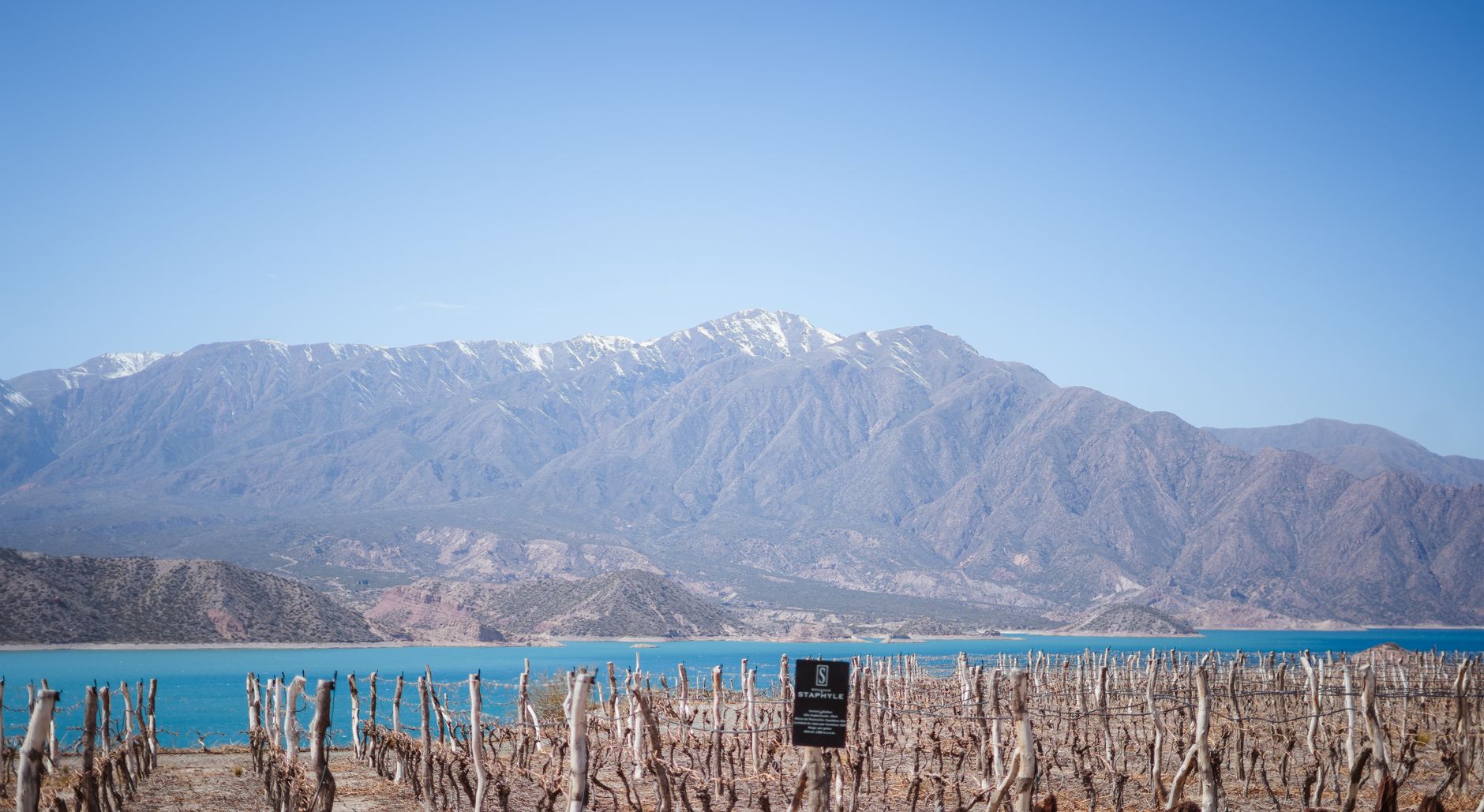
Leave Mendoza city by 8:30am with your driver-guide, heading south on Ruta 40 toward Paraje Altamira. Arrive at Zuccardi Valle de Uco by around 10:30am for the vineyard walk and Piedra Infinita tasting, which runs roughly 90 minutes and covers three to four single-vineyard Malbecs.
Stay for lunch at the on-site Fuente restaurant, where the tasting menu changes seasonally but always leans on the wood-fired oven and estate-grown vegetables. In the afternoon, continue north to Los Árboles for a tour of Bodega Salentein's underground cross-shaped cellar and a browse through the Killka art space before heading back toward your hotel in Vista Flores or Tunuyán by early evening.
Gualtallary's High-Altitude Fringe
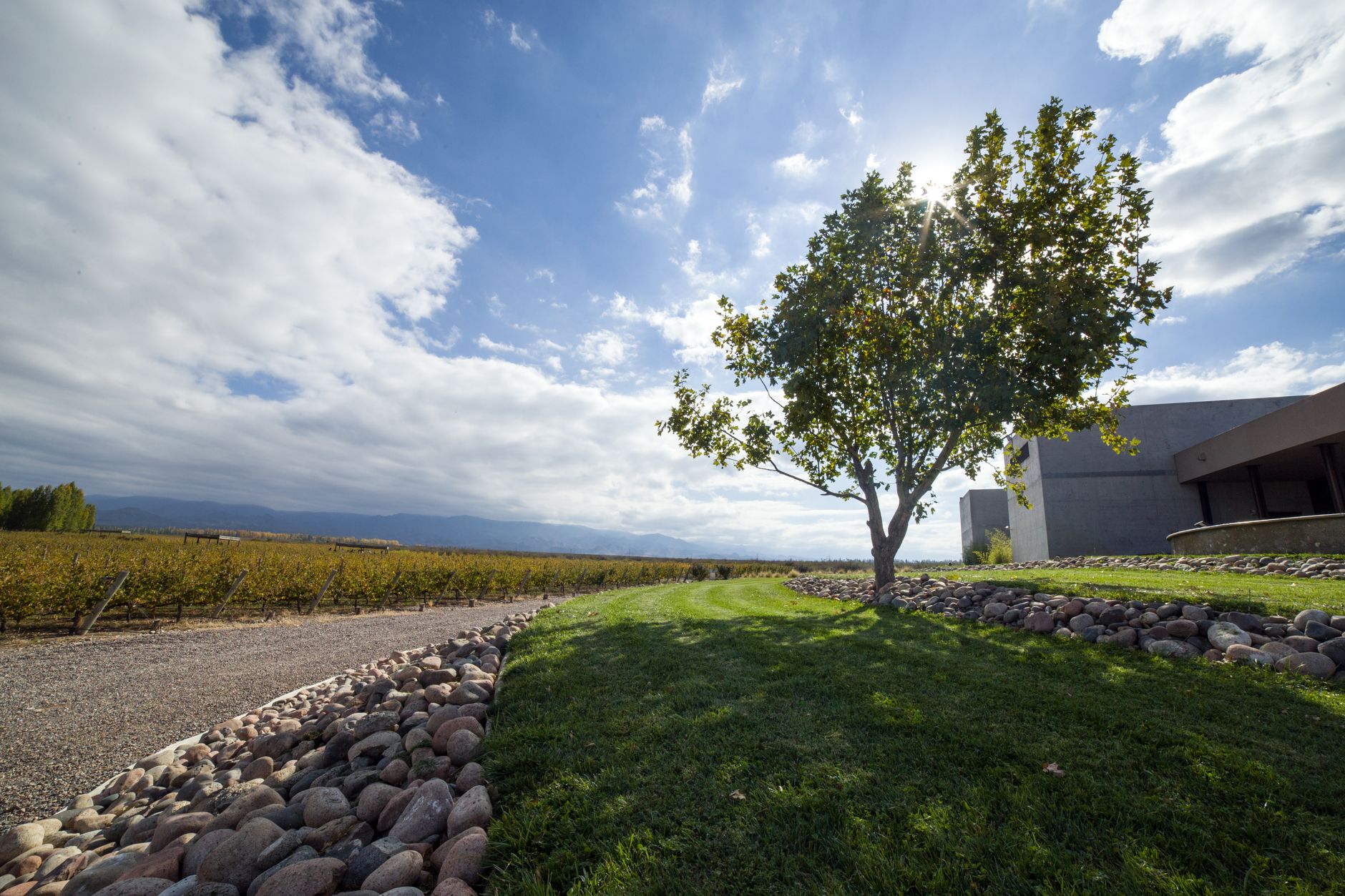
Head up into Gualtallary for a mid-morning tasting at SuperUco, where the biodynamic vineyards sit near 1,500 meters and the pours tend toward leaner, more mineral expressions of Malbec. Ask about the family's Criolla project if it's being poured that day; it's a small-production wine rarely found outside the estate.
From there, drive the short distance to Domaine Bousquet for a relaxed terrace tasting with unobstructed Andes views, then make your way to Vista Flores for a long, fire-cooked lunch at Siete Fuegos inside The Vines of Mendoza resort. If you're staying overnight at The Vines or Casa de Uco, this is the day to do it, since both properties are within a five to ten minute drive of Vista Flores.
San Carlos and the Slow Return North
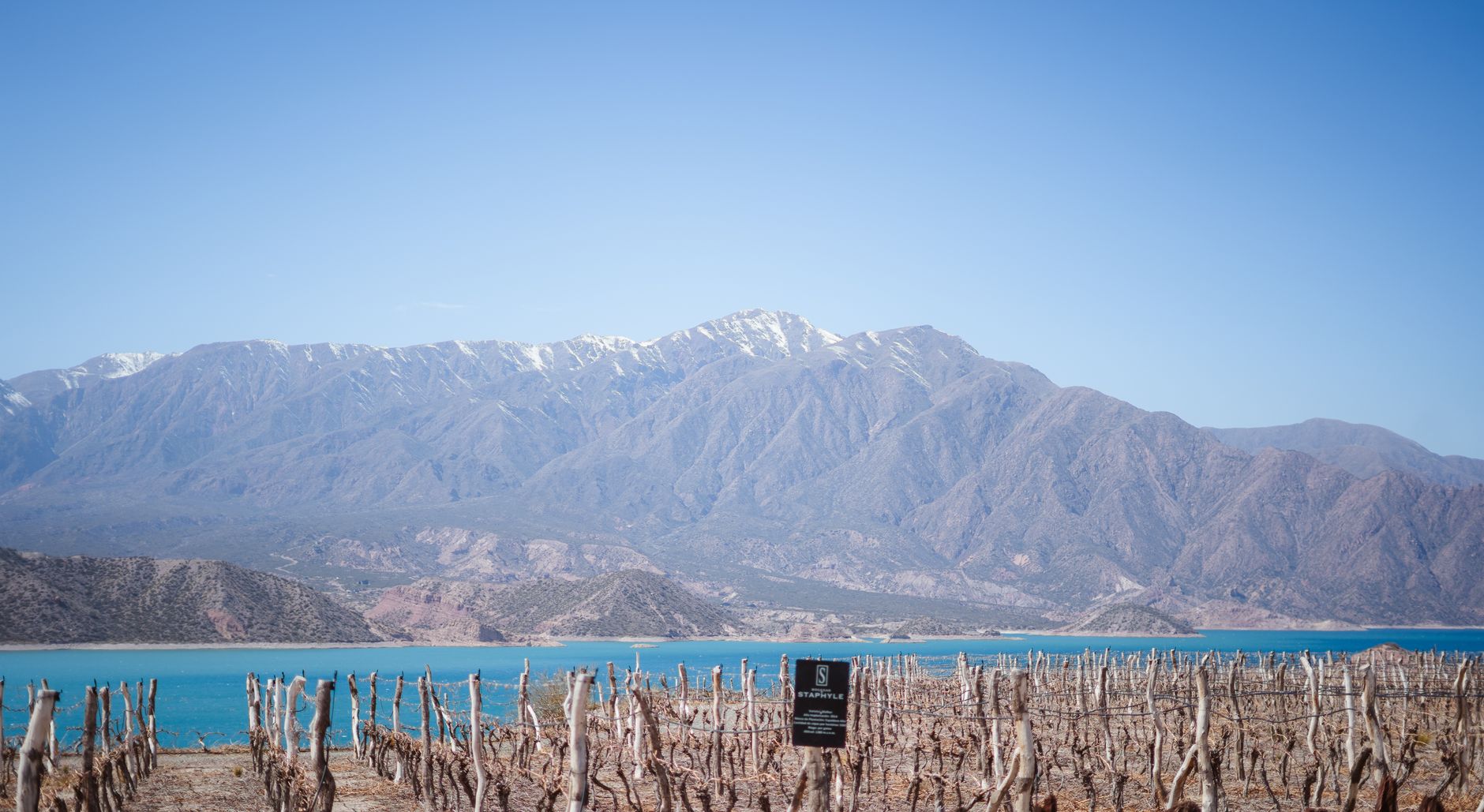
Spend the morning around San Carlos and Tupungato, with a stop at Andeluna Cellars for a tasting that pairs its high-elevation Malbec against a cooler-climate Torrontés, a useful contrast after two days of heavier reds. If your schedule allows a third winery, Casa de Uco's own vineyard tour and tasting rounds out the trip well, particularly if you didn't stay overnight there.
Have a light farewell lunch in Tunuyán before your driver-guide takes you back north to Mendoza city, aiming to arrive by mid-to-late afternoon. Ask to route back via the older section of Ruta 40 rather than the newer bypass; the views of the Cordón del Plata as the valley flattens out are worth the extra fifteen minutes.
The Uco Valley's best small estates, SuperUco and Domaine Bousquet among them, don't run a walk-in tasting desk, and the standout lunch tables at Siete Fuegos and Fuente fill weeks ahead in the shoulder seasons.
A Cordelie travel advisor can secure the exact combination of wineries, private guide, and wine-paired lunches that fits your palate and pace, timed to the sub-districts and vintages you most want to taste, so every stop on your day is one worth the drive.
Uco Valley At a Glance
A must for any serious wine traveler visiting Mendoza, and best explored slowly over two to three days with a private driver-guide.
The Uco Valley rewards travelers who care about how a place shapes a glass of wine, pairing altitude-driven Malbec with architecture, art, and open-fire cooking that match the Andes setting.
Base yourself at a vineyard resort like The Vines of Mendoza or Casa de Uco if you can spare the nights, but even a single well-planned day trip from Mendoza city, roughly 1.5 to 2 hours each way, delivers a real sense of why this valley has become Argentina's most exciting wine frontier.
Last checked for accuracy: . How we check

Sarah Chen has covered Asia for twelve years, first as a wire reporter in Jakarta and now from Singapore, where she keeps a standing list of the region's most misunderstood destinations. She writes about the distance between what a place is famous for and what it is actually like to spend a week in — and is happiest on an overnight train with a bad seat and a good view.