
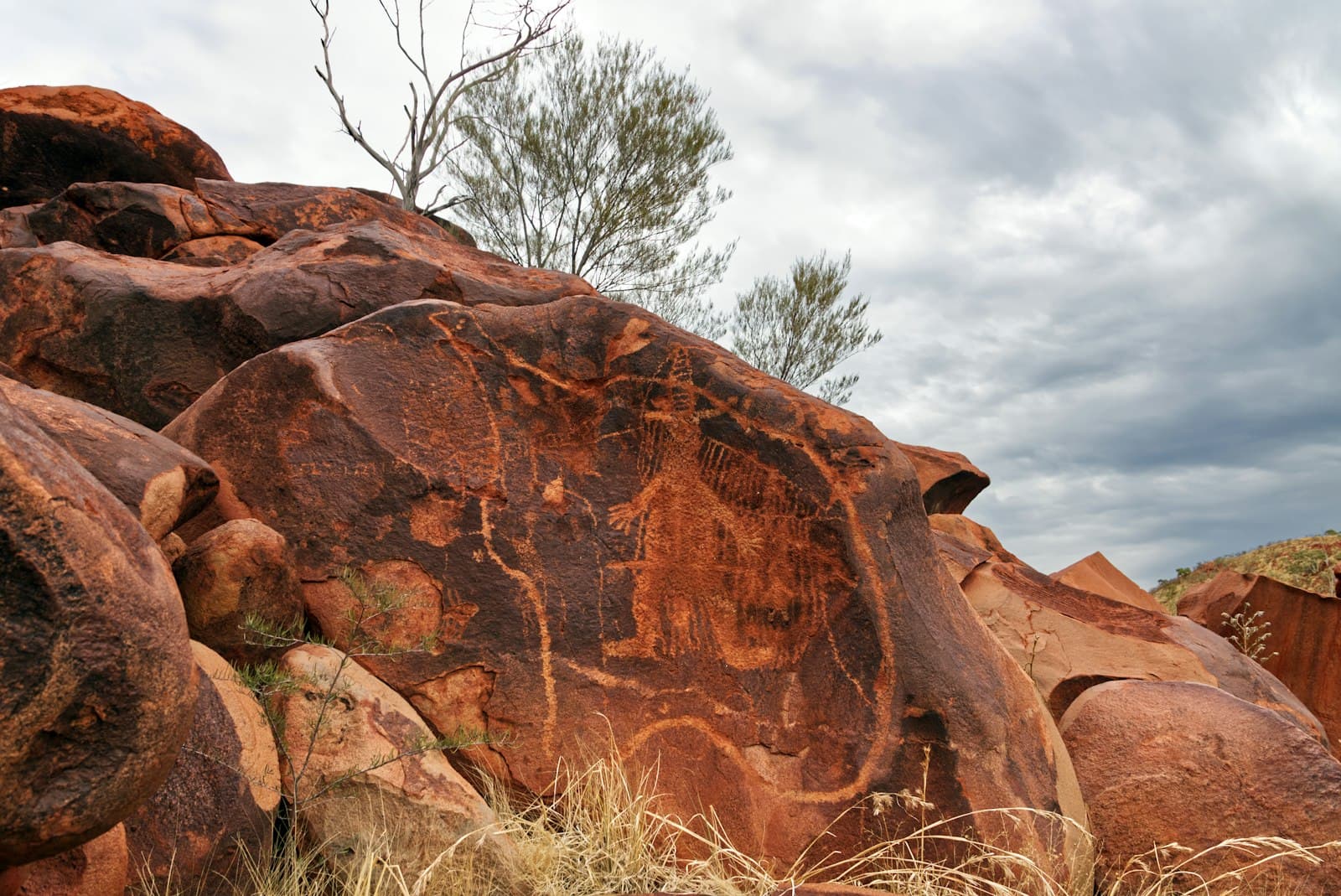
A Million Petroglyphs: Walking Among the World's Oldest Rock Art on the Burrup Peninsula

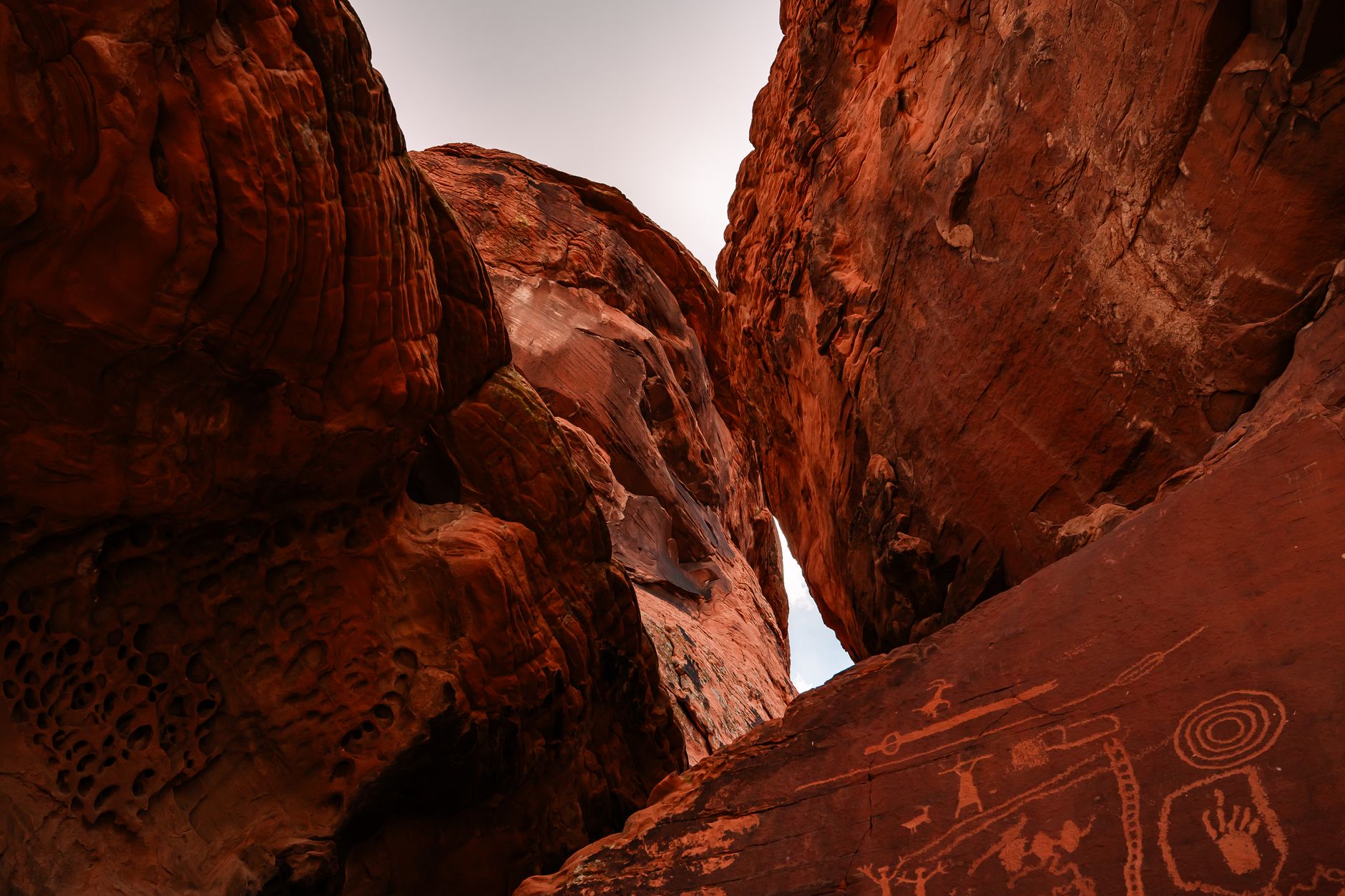
Forty Thousand Years of Story, Carved in Red Rock
Stand in Ngajarli Gorge at eight in the morning, before the heat sets in, and the Burrup Peninsula does something no museum case can replicate: it puts you shoulder to shoulder with the artists. The boulders here, piled by ancient volcanic forces into a maze of rust-coloured chambers, carry images of kangaroos, fish traps, ancestral beings and human faces pecked into the dark desert varnish. Archaeological surveys have dated some of these engravings to more than 40,000 years old, which places them among the oldest sequences of rock art yet documented anywhere on earth.
This is Murujuga, the name the Ngarda-ngarli traditional owners give to the peninsula non-Aboriginal maps still often label Burrup. The Murujuga Aboriginal Corporation, which represents the Ngarluma, Yaburara, Mardudhunera and Wong-goo-tt-oo peoples, estimates the peninsula and its surrounding islands hold more than a million individual petroglyphs across hundreds of documented sites. No other visit in Australia compresses that much deep time, or that much living culture, into a single afternoon's walking.
Murujuga (Burrup Peninsula) at a Glance
Why the Pilbara Spring Is the Last Easy Window
Spring on the Burrup Peninsula, roughly September through November, is the tail end of the comfortable season rather than its heart. Mornings still sit in the low 20s Celsius, cool enough for the two-kilometre walking loop through Ngajarli to feel pleasant rather than punishing. By late October, afternoon temperatures routinely climb past 35°C, and humidity starts creeping up as the Pilbara edges toward its summer wet season and the cyclone-watch months of December through March.
Early spring visitors get the best of both worlds: longer daylight than the winter months, warm enough water at Hearson's Cove for an evening swim, and skies clear enough for the engravings' deep red patina to photograph well in low morning or late afternoon light. Guided tours tend to depart earlier in spring, often by 7:00 or 7:30am, to finish the exposed rock sections before the midday sun turns the dark boulders into radiators. Book tours a few weeks ahead if you're travelling in September or October, since operators run smaller groups and spring is Karratha's busiest tourism stretch.
Cordelie travel advisors
Planning Murujuga? Go with someone who knows
The right suite, the right season, the reservations that never appear online — your Cordelie advisor knows them, and holds them for you.
Plan with a Cordelie advisorFree to ask. Cordelie Travel Services · IATA/ARC 06649064
Reading the Rock: What to Actually Do at Murujuga
Ngajarli, known to most maps as Deep Gorge, is the most accessible and most visited petroglyph site on the peninsula, reached via a flat, wheelchair-friendly boardwalk about 20 minutes from Karratha's centre. Walk it slowly. Within the first hundred metres you'll pass engravings of a thylacine, the Tasmanian tiger that vanished from the mainland millennia ago, carved into stone long before it disappeared — a detail that turns the gorge into a kind of fossil record for a lost animal as much as an art gallery.
The strongest way to see Murujuga is with a Ngarda-ngarli-connected guide, and Ngurrangga Tours, operating out of Karratha, runs half-day and full-day trips that combine Ngajarli with lesser-visited sites around King Bay and Conzinc Bay, places you simply won't find without local knowledge or permission. A half-day tour typically runs about AUD 150-200 per person (prices shift seasonally, so confirm current rates when booking), and includes interpretation that no signage board can match: which figures are increase sites tied to specific animals, which marks record changing sea levels over thousands of years, and which areas remain off-limits to photography out of respect for restricted knowledge.
Beyond the engravings, build in time for Hearson's Cove, a sheltered beach about 15 minutes' drive from Ngajarli that's superb for sunset and, on the right lunar nights, for the shimmering 'staircase to the moon' effect across the tidal flats. Murujuga National Park's visitor information bay near the park entrance is worth a stop for context before you walk, and rangers from the Murujuga Aboriginal Corporation sometimes lead their own interpretive walks — ask at the Karratha Visitor Centre on Karratha Terrace what's scheduled during your stay.
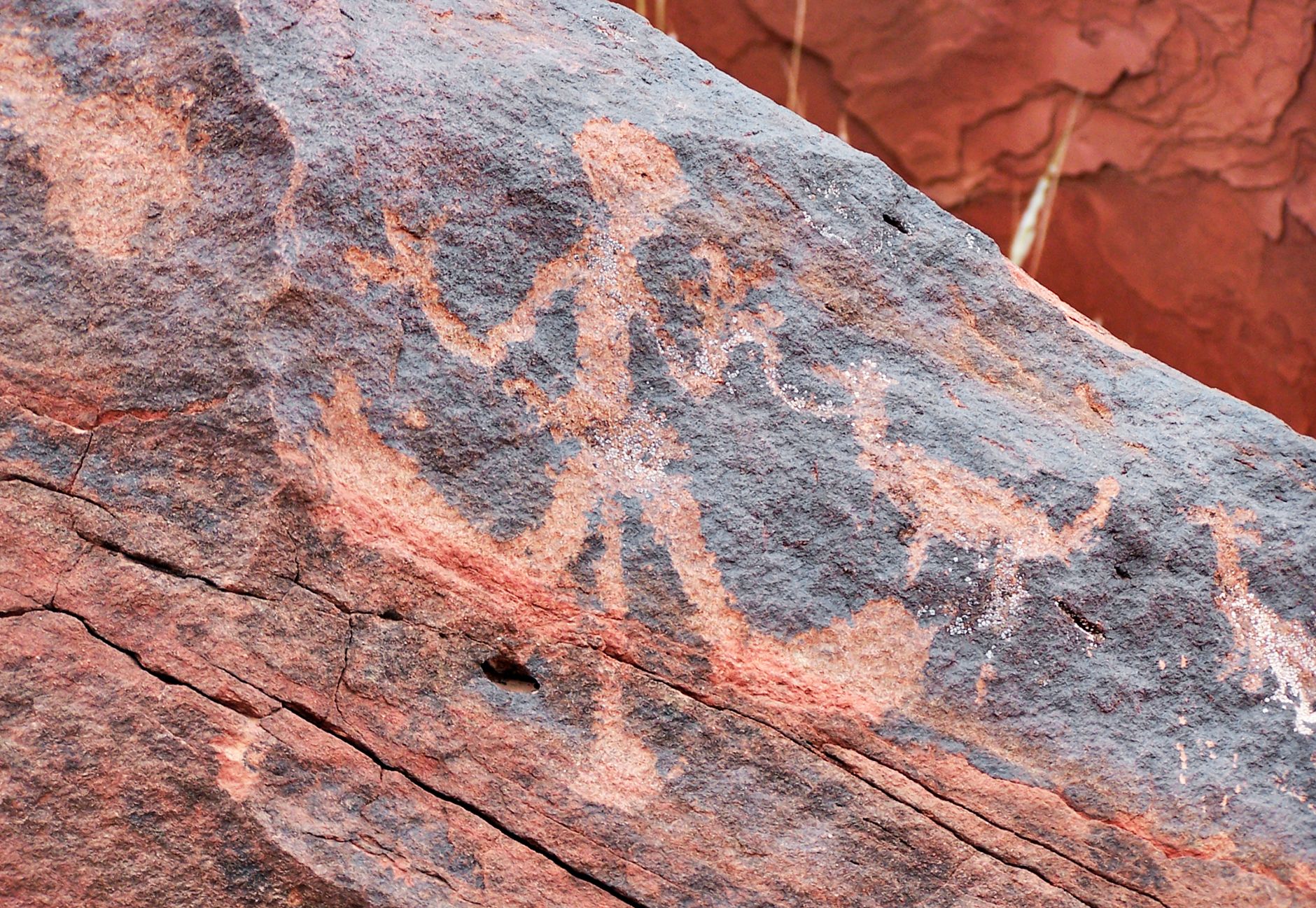
Scenes from the Peninsula
Basing Yourself in Karratha or the Smaller Dampier
Most visitors base themselves in Karratha, the Pilbara's commercial hub, about 20 minutes' drive from the main petroglyph sites. The Ibis Styles Karratha and the Best Western Plus The Ranges Karratha both offer comfortable mid-range rooms, generally in the AUD 180-260 a night range depending on the resources-sector demand that drives Pilbara hotel pricing. Latitude Karratha Village offers self-contained apartments, a practical choice for longer stays or families, with kitchenettes that help offset the town's relatively high dining costs.
For something closer to the peninsula itself, Dampier is a small port town about 20 kilometres west of Karratha with a far quieter, almost sleepy feel after the industrial shipping berths close for the day. The Dampier Mermaid Hotel offers simple pub-style rooms and a bistro overlooking Hampton Harbour, and staying here puts you within a 10-minute drive of several petroglyph sites, handy if you want to be on the rock before 7am light. Rooms are limited, so book well ahead for spring travel, especially around school holiday weeks.
Mud Crab, Red Dust and the Welcome of the Ngarda-ngarli
Pilbara dining leans heavily on what comes out of Nickol Bay and the Dampier Archipelago: mud crab, barramundi and prawns feature on most pub and café menus around Karratha, often simply grilled and served with a squeeze of lime rather than fussed over. The Dampier Mermaid Hotel's bistro and several of Karratha's hotel restaurants do a reliable version of this, with mains typically falling between AUD 32 and 48. Expect a working-town atmosphere; this is a region built around the gas and iron ore industries, and dining rooms fill with site workers as readily as travellers.
Cultural etiquette matters more here than at almost any heritage site in Australia. Photography is restricted at some locations within Murujuga National Park, and certain motifs carry restricted meaning that guides will ask you not to photograph closely or share online. Walking only on marked paths protects both the engraved surfaces, which can be damaged by foot traffic across the dark varnish, and the broader site's integrity as a living cultural landscape rather than a historical ruin. The Ngarda-ngarli consider Murujuga an active place of ceremony and story, not a closed chapter, and visitors who approach it that way tend to come away with far more than a photograph.
“This is not a gallery we visit. It is a family we belong to, and the rock remembers everyone who has stood here before us.”
Flying into Karratha and Driving the Peninsula's Gravel Tracks
Karratha Airport (code KTA) receives direct flights from Perth taking roughly two hours, run several times daily by major domestic carriers, with one-way fares commonly ranging from AUD 180 to 400 depending on how far ahead you book. Driving from Perth is possible but substantial: the 1,560-kilometre route up the North West Coastal Highway takes around 15 to 17 hours, usually broken into two days with an overnight in Carnarvon or Exmouth.
Once in Karratha, a rental car handles the sealed roads to Dampier and the main Murujuga National Park entrances without trouble, though several of the peninsula's side tracks toward King Bay and Withnell Bay are unsealed and better suited to a high-clearance vehicle. If you're not confident off bitumen, book a tour instead; most operators collect from Karratha accommodation around 7:00-7:30am and handle the gravel sections themselves. There is no public transport onto the peninsula, so a car or a tour booking is essential rather than optional.
Three Days to Read the Deepest Rock Record in Australia
Settling into Karratha and First Light at Hearson's Cove
Fly into Karratha Airport, collect a rental car, and spend the afternoon easing into the Pilbara's heat and scale.
Visit the Red Earth Arts Precinct in central Karratha for context on the region's deep history before heading out to the peninsula itself.
Drive 20 minutes to Hearson's Cove for sunset, timing arrival around an hour before dusk to see the tidal flats catch the last light.
A Full Day with Ngajarli and the Hidden Galleries Beyond
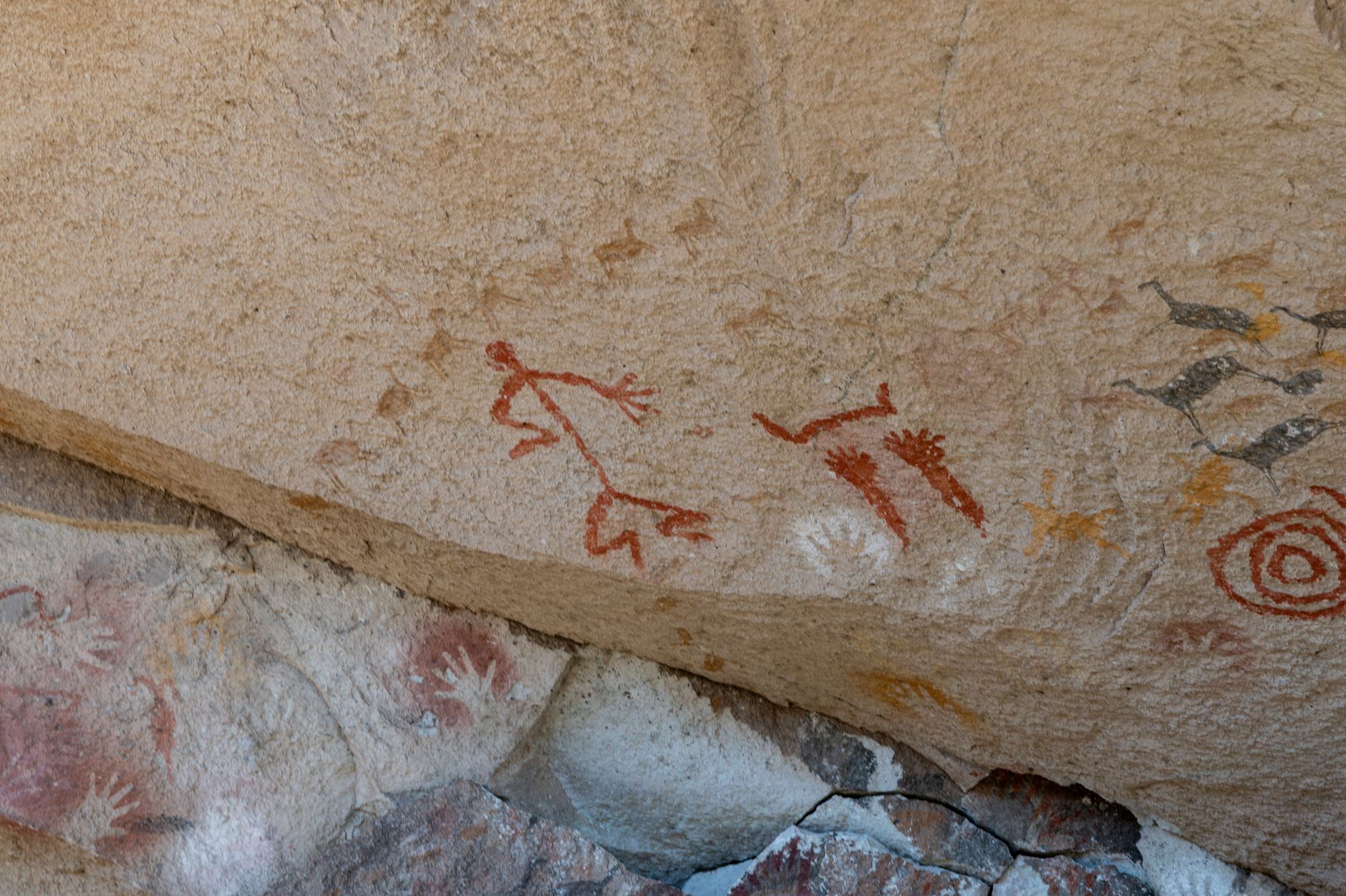
Join a full-day Ngurrangga Tours departure, typically collecting from Karratha accommodation around 7:00am, to beat the heat on the exposed boulder fields.
Walk the Ngajarli (Deep Gorge) boardwalk with Ngarda-ngarli interpretation, then move on to quieter sites around King Bay that aren't accessible without a guide.
Return to Karratha by late afternoon with time to rest before an early dinner, since the morning start makes for a long day.
Dampier's Quiet Harbour and the Historic Streets of Cossack
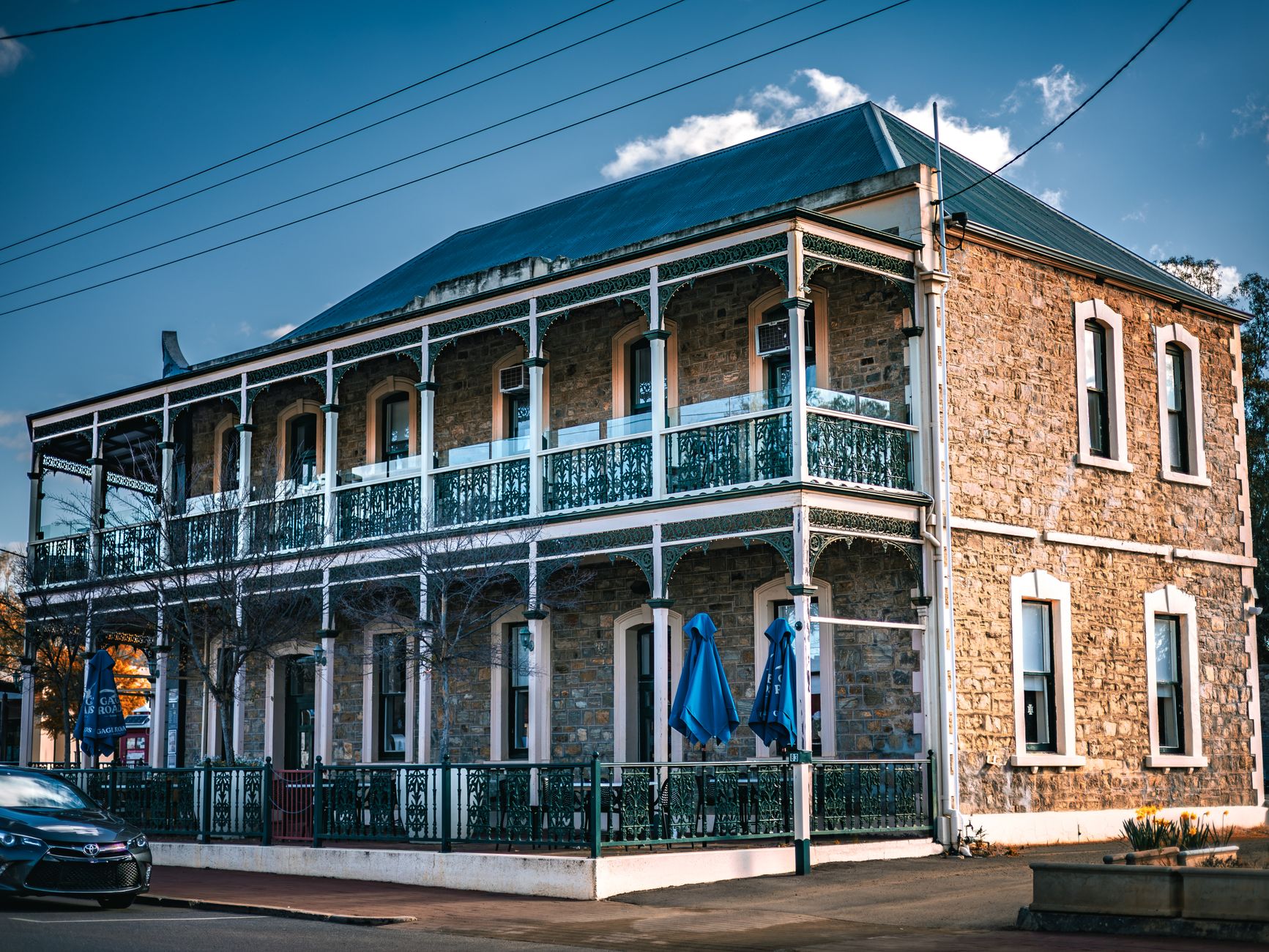
Drive the 20 kilometres to Dampier for a slower morning, browsing the small town and its views across Hampton Harbour toward the shipping berths.
Continue about 50 minutes east to Cossack, a near-abandoned 19th-century pearling and port town whose stone buildings now house a small museum and gallery.
Finish with a seafood lunch at Point Samson, roughly 10 minutes further along, before heading back to Karratha for an evening flight or final night's stay.
Access to Murujuga's less-visited galleries, and the right Ngarda-ngarli guide for the day you're travelling, often depends on relationships that take years to build and aren't visible on a tour-booking website.
A Cordelie advisor can arrange a private cultural tour timed to your light and tide preferences, pair it with a quiet night at the Dampier Mermaid Hotel or a Karratha stay, and fold in Cossack and Point Samson so the whole Pilbara leg feels considered rather than cobbled together.
Reach out through cordelie.com/contact and describe the trip you're imagining; the Pilbara rewards travellers who arrive with a plan already in place.
Murujuga (Burrup Peninsula): The Verdict
An essential detour for anyone drawn to deep human history, best approached slowly, respectfully, and with a Ngarda-ngarli-connected guide.
Murujuga rewards travellers who come for substance over spectacle: there's no grand visitor centre or ticketed entrance, just red rock, hard light, and tens of thousands of years of continuous story.
Pair two to three days here with Karratha and Dampier as your base, and build in flexibility for heat, since the Pilbara's spring window closes fast as summer approaches.
Go in with an awareness that this is a living cultural site sitting uneasily beside major gas and port infrastructure, and the visit becomes something closer to witness than tourism.
Last checked for accuracy: . How we check

Sarah Chen has covered Asia for twelve years, first as a wire reporter in Jakarta and now from Singapore, where she keeps a standing list of the region's most misunderstood destinations. She writes about the distance between what a place is famous for and what it is actually like to spend a week in — and is happiest on an overnight train with a bad seat and a good view.