
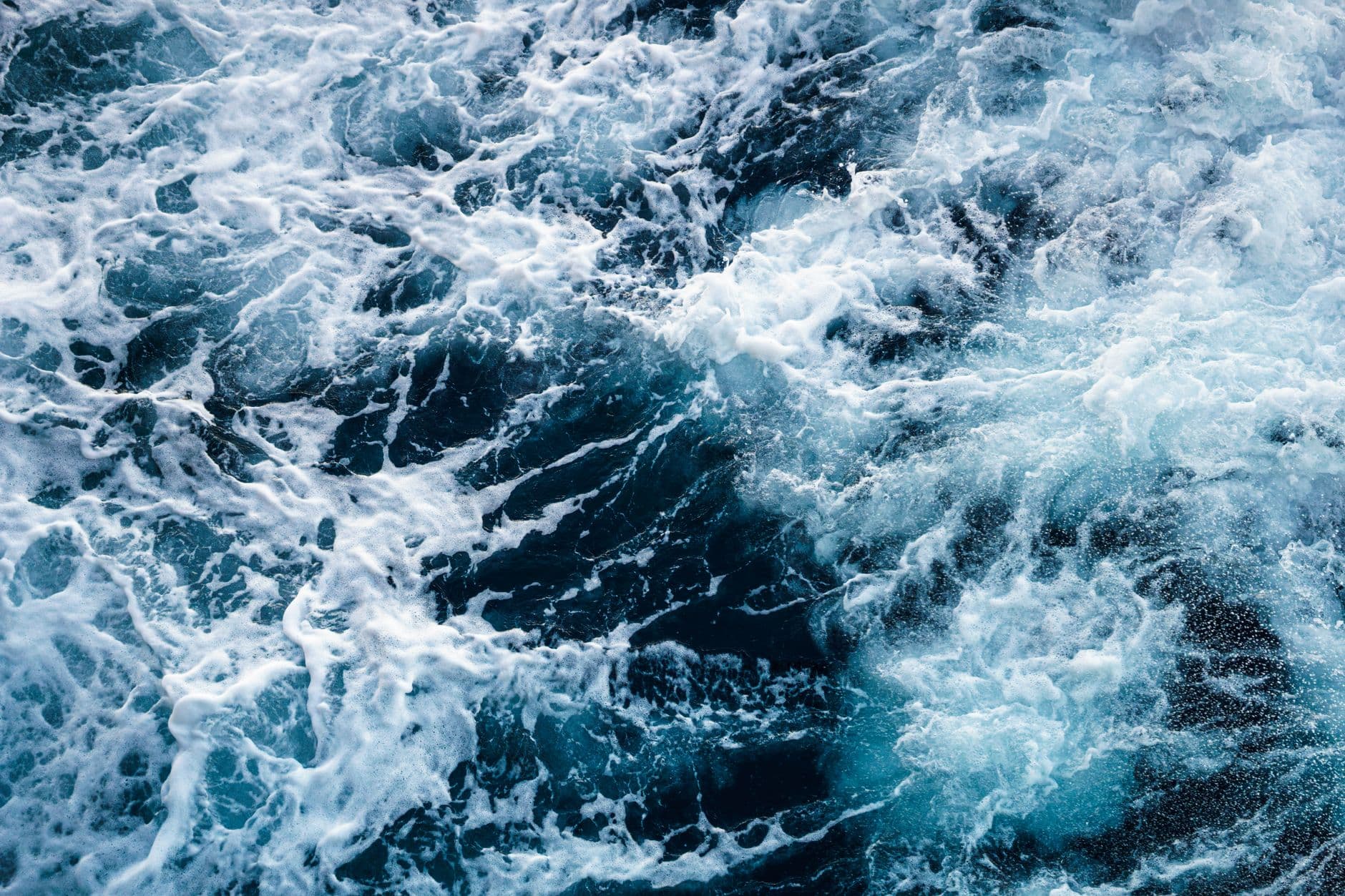
48 Hours on the Drake Shake: Surviving and Savoring the Crossing to Antarctica

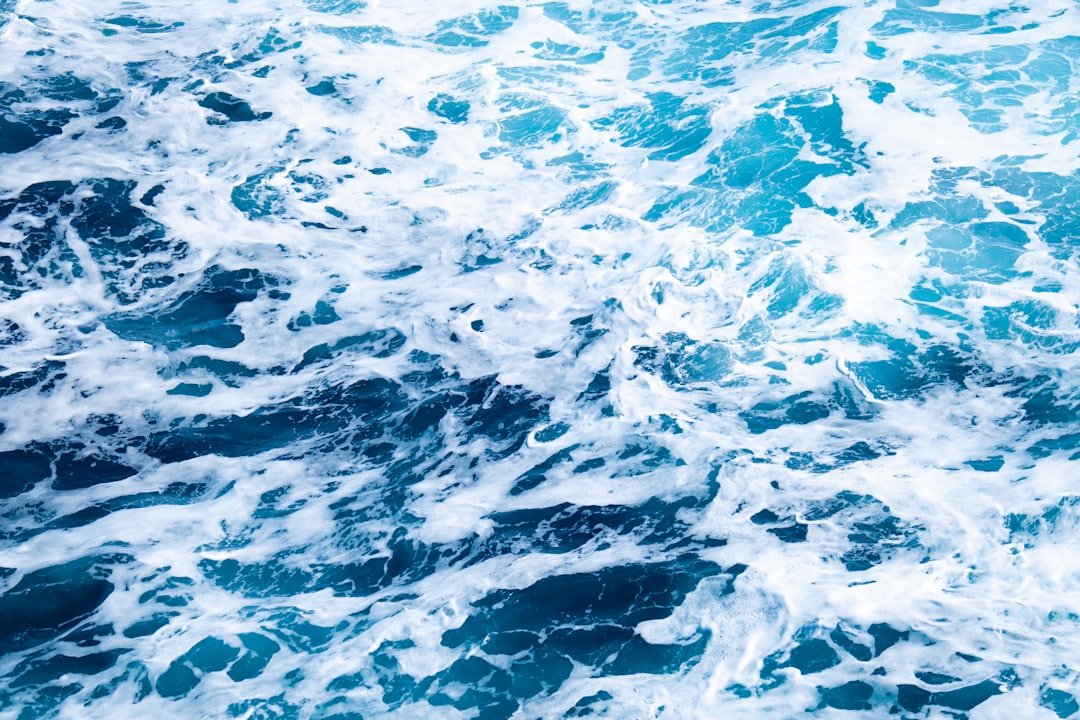
Crossing the Drake Passage: The 600 Nautical Miles Between Ushuaia and Antarctica
The forecast came up on the bridge screen at 6 p.m., an hour before we cleared the Beagle Channel: a low-pressure system sitting almost exactly over our route, winds gusting to 45 knots by midnight. The expedition leader read it out at the safety briefing without drama, the way you'd read a weather report to someone who already knows it matters. Seasick bags, she said, are in every stairwell and every cabin drawer. Drink water. Eat something even if you don't want to. Nobody in this room is the first person to feel wretched out here.
That briefing is the real start of an Antarctic voyage, more than the champagne on embarkation or the first sight of ice two days later. The Drake Passage sits between Cape Horn and the South Shetland Islands, roughly 600 nautical miles of open ocean with nothing to break the swell, because it's the only place on Earth where water circles the globe uninterrupted by land. Ships take somewhere between 36 and 48 hours to cross it, depending on the ship's speed and how hard the sea is pushing back. Whatever else your trip involves, this is the toll you pay to get there.
“There's no such thing as a bad crossing. There's only an unprepared passenger.”
From the Beagle Channel to the Antarctic Convergence: A Four-Day Log
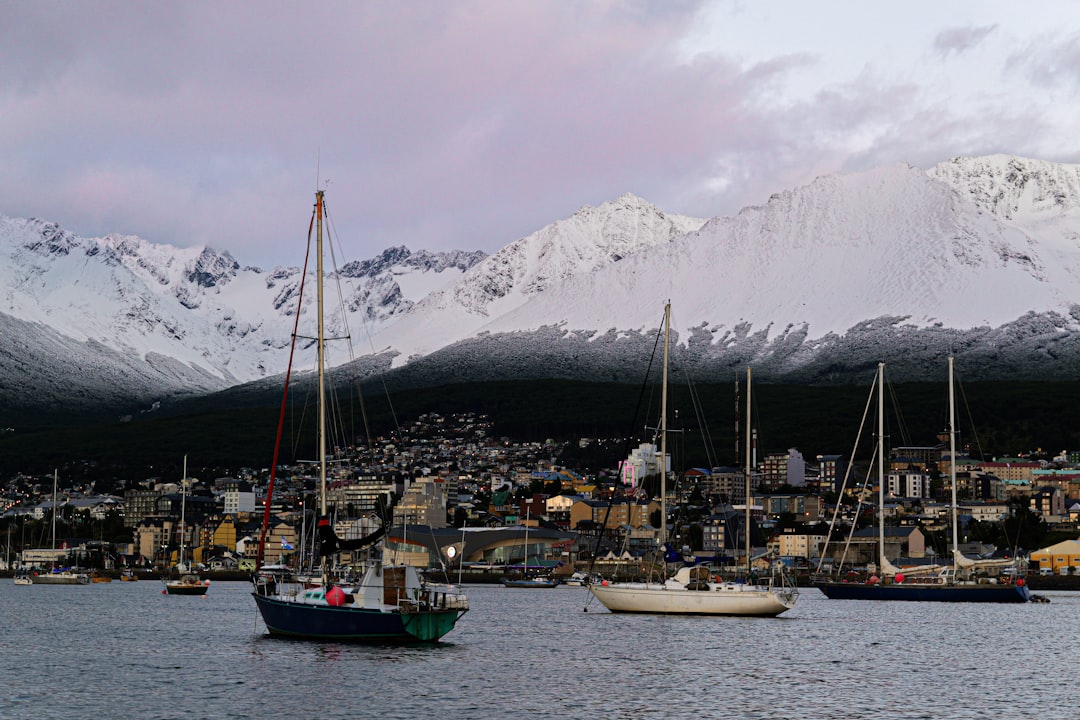
Ushuaia, Embarkation, and the Calm Before the Channel
Most vessels making this run carry somewhere between 100 and 200 passengers, small enough for every cabin to matter and for the crew to know your name by dinner.
The first hours are administrative rather than scenic: cabin assignments, a mandatory safety drill, and a biosecurity check where staff vacuum every jacket, boot, and backpack to keep foreign seeds and soil off Antarctic soil.
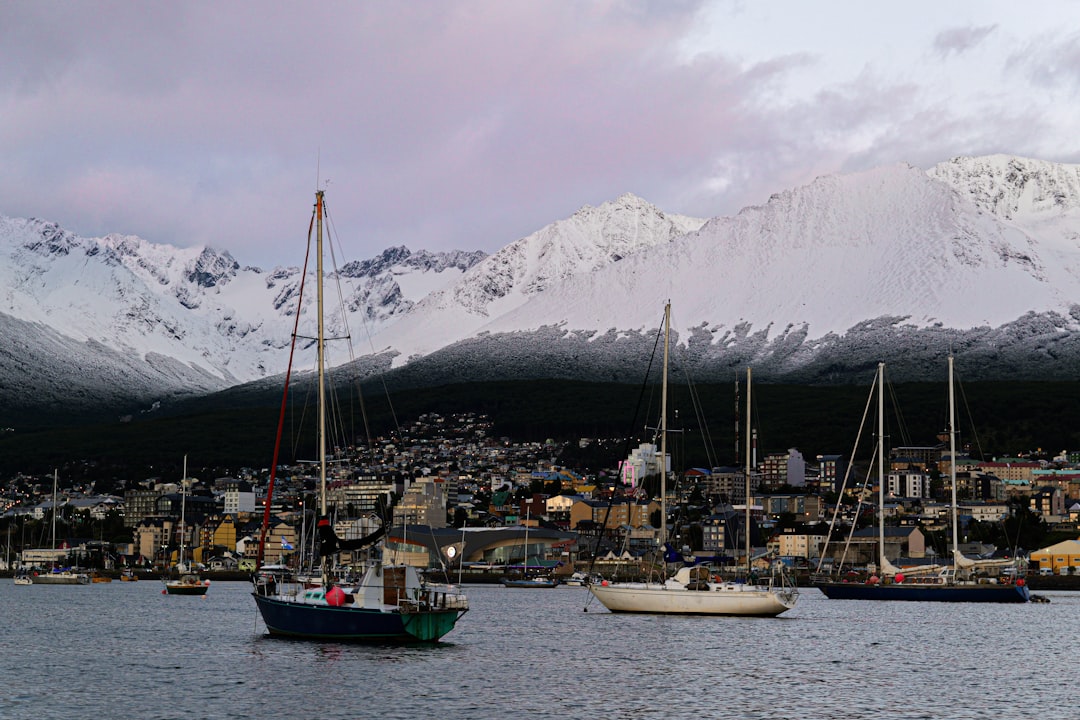
By early evening the ship slips down the Beagle Channel past low green hills and a scattering of fishing boats, and the water stays flat enough that the dining room fills without a single unclaimed plate.
The Shake: Open Water and a Ship That Won't Sit Still
By 2 a.m. the ship had cleared the shelter of Isla de los Estados and the roll started in earnest, a slow heave that turned into a full pitch and yaw by breakfast, which almost nobody attended.
Swells were running an estimated 4 to 6 meters, enough to send a full water glass sliding the length of a cabin desk and to close the outer decks except for short, supervised windows.
Expedition staff kept the day structured anyway: a lecture on Antarctic seabirds delivered to a half-empty lounge, another on the Antarctic Treaty System that drew a slightly fuller one once the scopolamine patches kicked in.
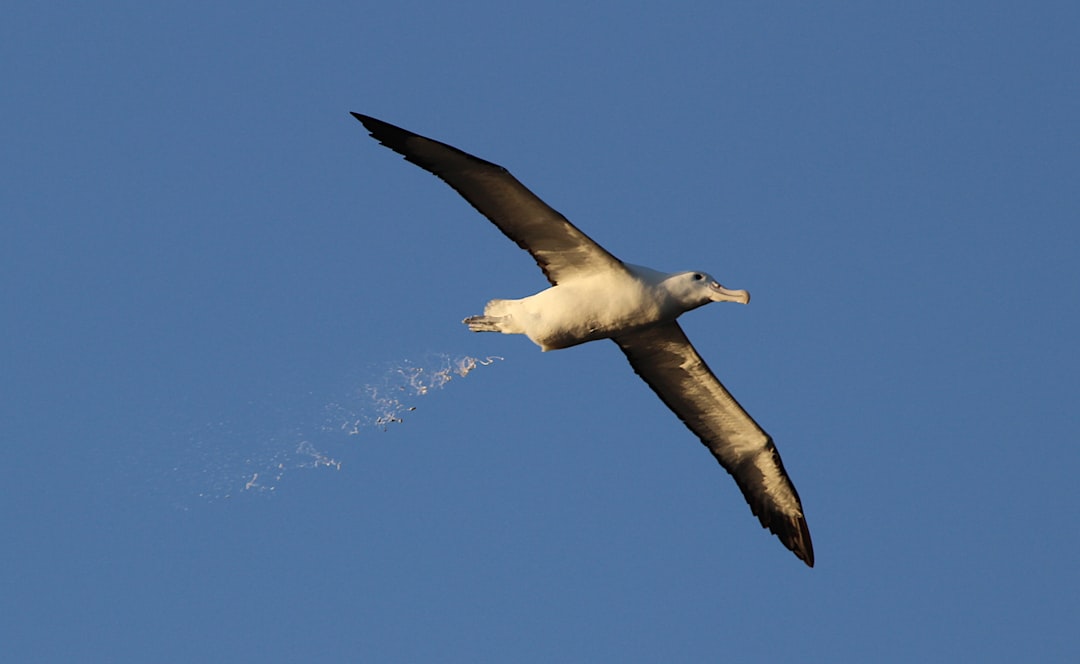
The one reliable cure that morning wasn't a pill at all. It was standing on the bridge deck, eyes on the horizon, watching a wandering albatross glide alongside the ship without a single wingbeat for what felt like ten straight minutes.
The Convergence and the Long, Flat Afternoon
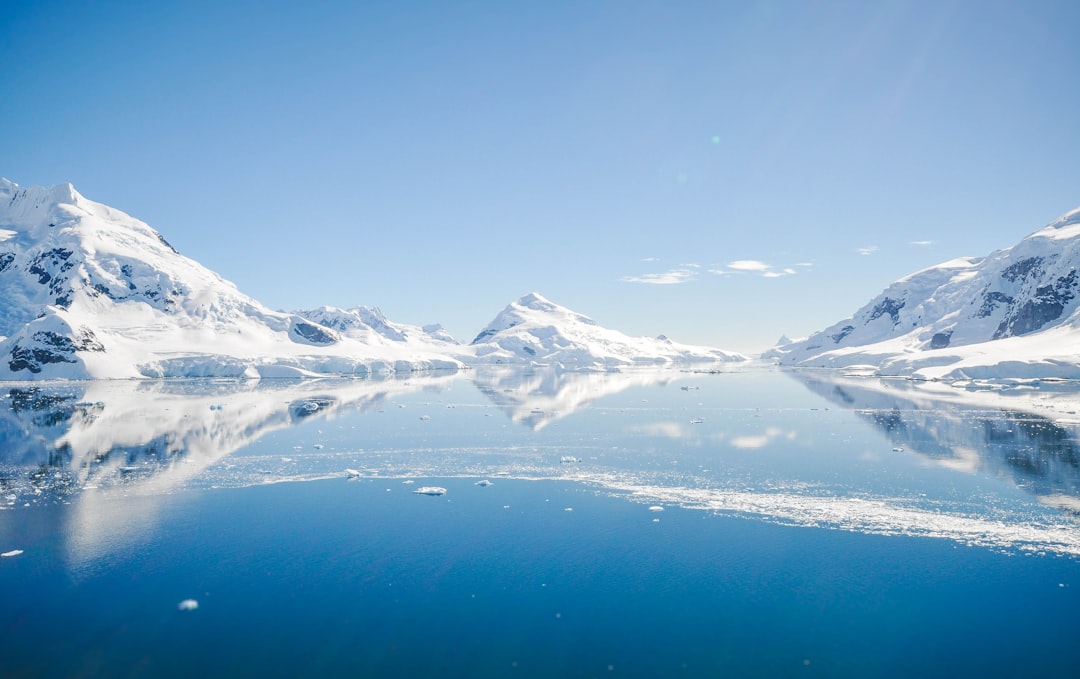
We crossed the Antarctic Convergence sometime before dawn, the invisible line where cold Antarctic water meets warmer subantarctic currents, and the sea dropped almost overnight from a shake to something closer to a lake.
The air temperature fell several degrees within hours, and the crew started calling it out over the PA the way other guides call out landmarks.
With the ship stable again, the dining room was full, the outer decks reopened, and the naturalist team ran back-to-back sessions on penguin identification and ice photography that people actually stayed for.
Late in the afternoon someone spotted a pale smudge on the horizon that turned out to be the first iceberg of the trip, and the entire ship came out onto the bow rail at once, cameras up, nobody talking much.
Land: South Shetland Islands and the First Zodiac Landing
By mid-morning the South Shetland Islands appeared as dark, snow-streaked shapes off the bow, and the mood on board changed entirely from endurance to anticipation.
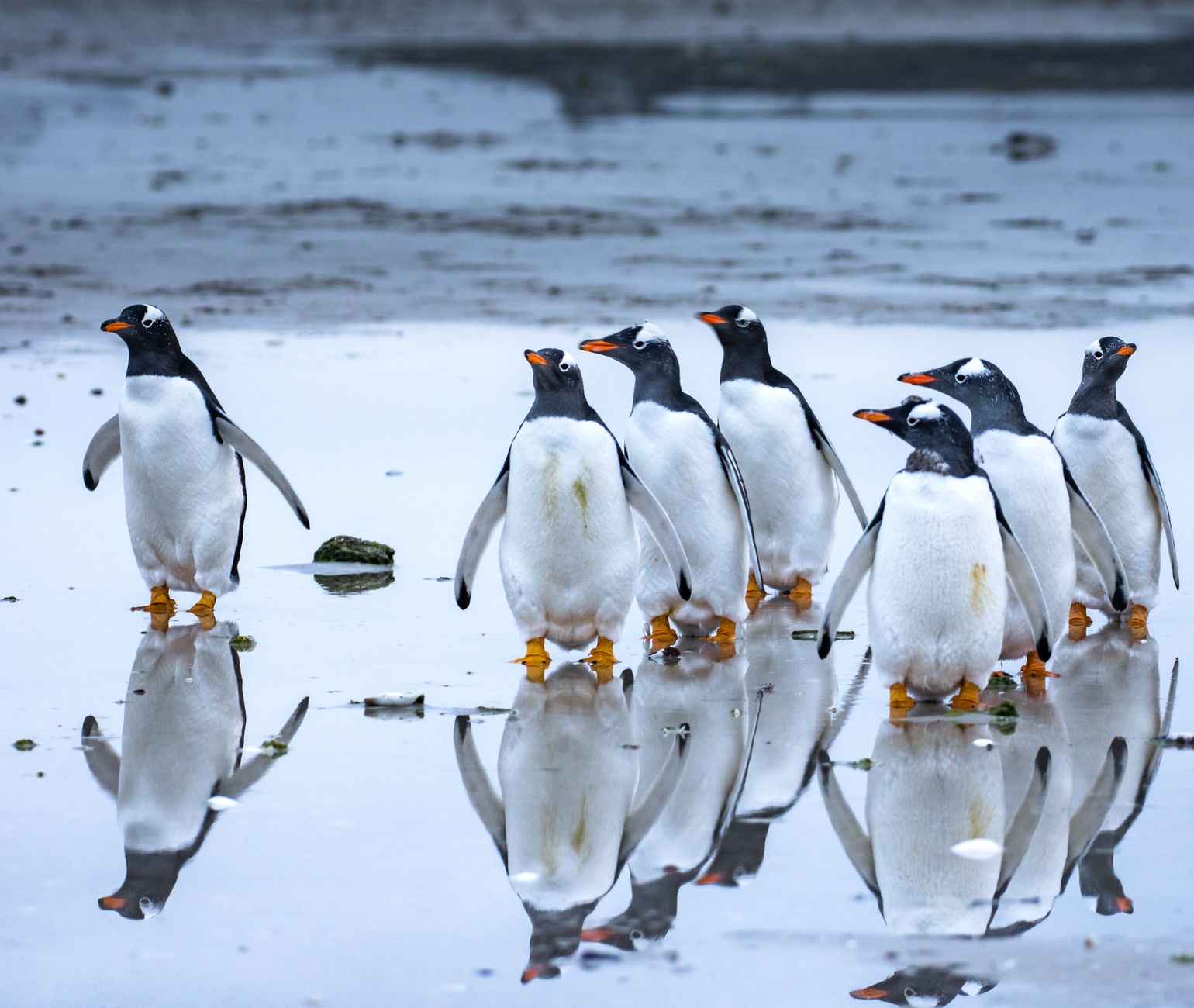
Zodiacs went into the water shortly after lunch for the first landing, a short but bracing ride across choppy near-shore water to a beach crowded with gentoo and chinstrap penguins that paid the visitors almost no attention at all.
Expedition staff kept groups to roughly 15 to 20 people ashore at a time, rotating landings so the site never felt crowded, in line with the visitor limits set by the International Association of Antarctica Tour Operators.
Standing on Antarctic ground less than 48 hours after leaving Ushuaia, most of the ship's passengers agreed the crossing had been worth every hour of it, though almost nobody said the word 'easy.'
The Crossing in Pictures: From the Beagle Channel to First Ice
Cordelie travel advisors
Planning Drake Passage? Go with someone who knows
The right suite, the right season, the reservations that never appear online — your Cordelie advisor knows them, and holds them for you.
Plan with a Cordelie advisorFree to ask. Cordelie Travel Services · IATA/ARC 06649064
Albatrosses, Ice, and the Hour the Sea Went Silent
The single moment people talked about most, more than the penguins or the icebergs, was the change in the ship itself. One evening it was fighting a 5-meter swell, doors dogged shut, crew moving hand over hand along the corridor rails. Twelve hours later it was gliding, and the lounge filled with people who hadn't left their cabins in a day, blinking in the light, ordering coffee like it was a normal Tuesday. Expedition staff call this contrast the whole point of the passage: you don't appreciate the Drake Lake unless you've survived the Drake Shake first.
Wildlife on the crossing itself is easy to underestimate before you go and impossible to ignore once you're out there. Wandering albatrosses, with wingspans that can reach 3 meters, will shadow a ship for hours without a single flap, riding the pressure off the swells. Cape petrels move in loose flocks around the stern, and on a lucky day a pod of fin whales surfaces just long enough for the naturalist to grab the PA and half the ship to abandon lunch. None of this is guaranteed on any given crossing, which is exactly why the staff keep pushing everyone toward the outer decks whenever conditions allow it, rough or not.
What Actually Gets Cooked When the Ship Won't Stop Moving
Galley staff on these ships plan two menus, whether they say so or not. On rough days the dining room serves food built to survive a 20-degree list: thick soups, roasted vegetables, bread baked fresh that morning, nothing that slides easily off a plate. On the calm day, the same kitchen produces a proper sit-down dinner, often with a seared Patagonian lamb or a grilled hake, paired with an Argentine Malbec from Mendoza, and the dining room stays full past dessert for the first time since Ushuaia. Ginger tea and dry crackers are set out around the clock near the bridge and in the main lounge, less a menu item than a survival kit, and most returning passengers say they used both far more than they expected to.
The difference between a smooth Drake Passage crossing and a genuinely difficult one often comes down to which week you sail and which deck you're on, decisions best made with someone who has watched multiple seasons of Antarctic weather patterns and knows which ships ride lower and steadier in a swell.
A Cordelie advisor can secure a midship cabin on a lower deck, where roll and pitch are felt far less, arrange a pre-departure consultation on seasickness medication with your physician, and time your booking around the sailing dates most likely to favor a gentler crossing without ever promising you the impossible.
This is a trip where the right guidance shapes the entire experience before you ever board, not after something has gone wrong.
The Drake Passage Crossing: Who It's Actually For
Worth it for travelers who can accept two unpredictable days of open ocean as the genuine price of reaching Antarctica.
This is not a soft cruise experience, and no amount of preparation turns a rough Drake Passage into a comfortable one. What preparation does is shorten the miserable window and make the calm hours, when they come, feel earned.
Best suited to travelers in reasonably good health who take seasickness seriously rather than dismissing it, choose a midship lower-deck cabin if given the option, and are willing to spend two full days at sea for the sake of reaching a continent almost nobody else on Earth will stand on that year.
Less suited to anyone expecting a guaranteed smooth passage, since the same route that gave one ship a Drake Lake week can hand the next one four straight days of the Shake.
Last checked for accuracy: . How we check

Isaac Reid has spent fourteen years on ships and on foot in the places weather still decides. He sailed his first Drake Passage as an expedition assistant and has since made the crossing more than thirty times, between seasons trekking in Nepal and Patagonia. He writes about what these trips actually ask of a traveller — the days that get cancelled, the kit that matters, the difference between a landing and a cruise-by — and thinks the honest version sells them better than the brochure does.